Enhancing Molecular Diagnostic Accuracy in Genetic Eye Disorders Through a Personalized Re-Evaluation Strategy
Pedro Moreira Martins, Inês Figueiredo, Nuno Cruz, Beatriz Rodrigues Gaspar, Rufino Silva, Ana Luísa Carvalho, João Pedro Marques

TL;DR
A personalized re-evaluation strategy improves genetic diagnosis rates in eye disorders by combining updated testing and expert review.
Contribution
A tailored re-evaluation approach increased diagnostic yield by over 10% in genetic eye disorders.
Findings
Initial testing diagnosed 59.4% of families, increasing to 70.1% after re-evaluation.
Personalized re-testing resolved 43 additional cases using updated panels and variant analysis.
Periodic re-evaluation and improved methodologies led to 86 additional definitive diagnoses.
Abstract
Although genetic testing is crucial to provide prognostic information in genetic eye disorders (GEDs), up to 35% of cases remain unsolved after testing. We aim to describe how a tailored re-evaluation strategy, using up-to-date molecular testing, case-by-case review, and integration of in silico tools may increase the diagnostic yield. A total of 988 individuals from 800 families evaluated at the largest Portuguese GED referral center (Hospitais da Universidade de Coimbra) were included. All had a clinical diagnosis based on clinical findings and deep phenotyping and underwent genetic testing. Targeted re-evaluation included updated Next Generation Sequencing (NGS) panels, Exome Sequencing (ES) reanalysis, and assays for intronic variants, copy number variants, and ORF15-RPGR region. Variants of uncertain significance (VUS) were reassessed using segregation studies, literature/database…
Genes, proteins, chemicals, diseases, species, mutations and cell lines named across the full text — each resolved to its canonical identifier and authoritative record.
Click any figure to enlarge with its caption.
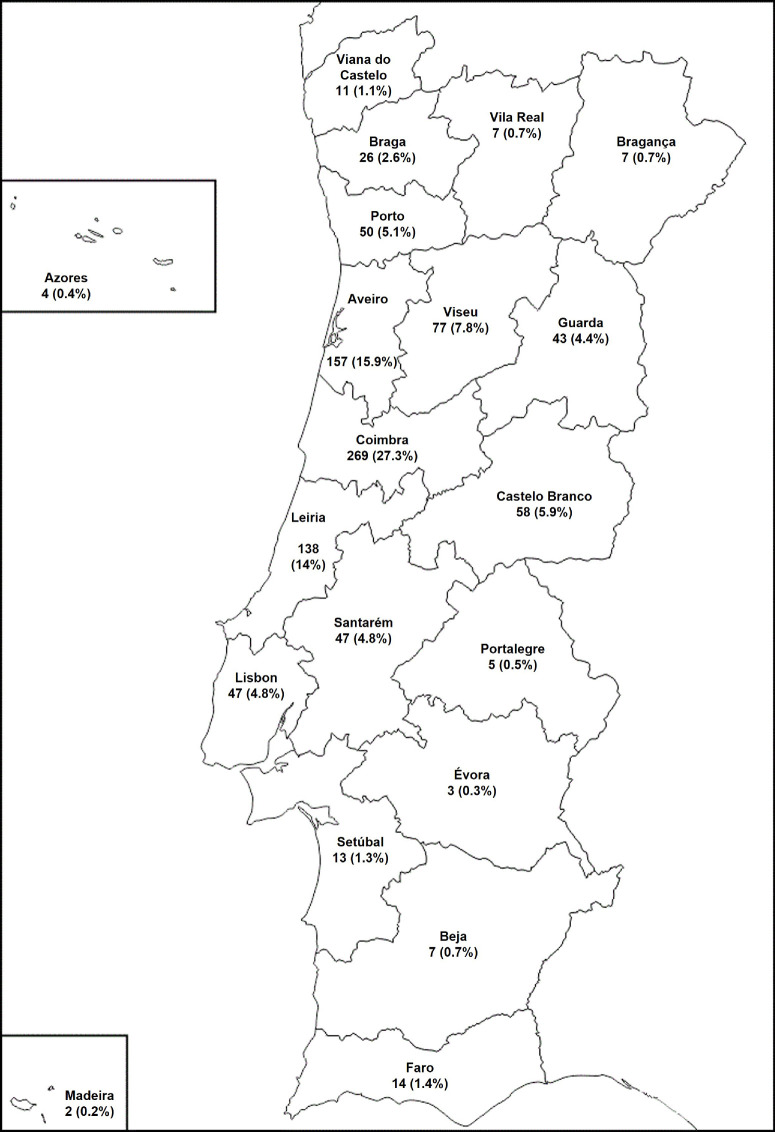 Figure 1
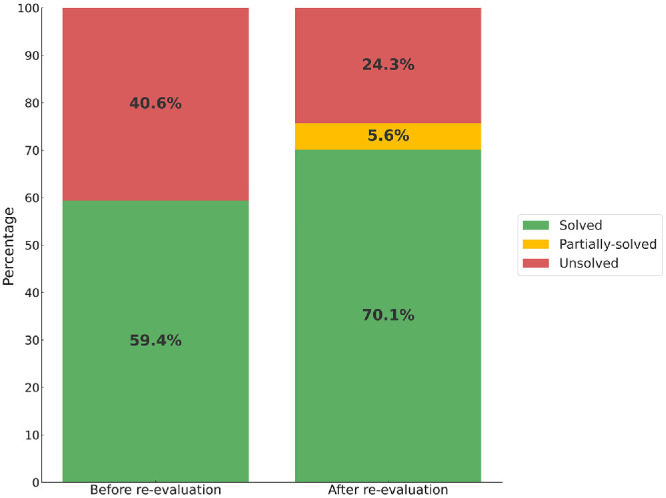 Figure 2
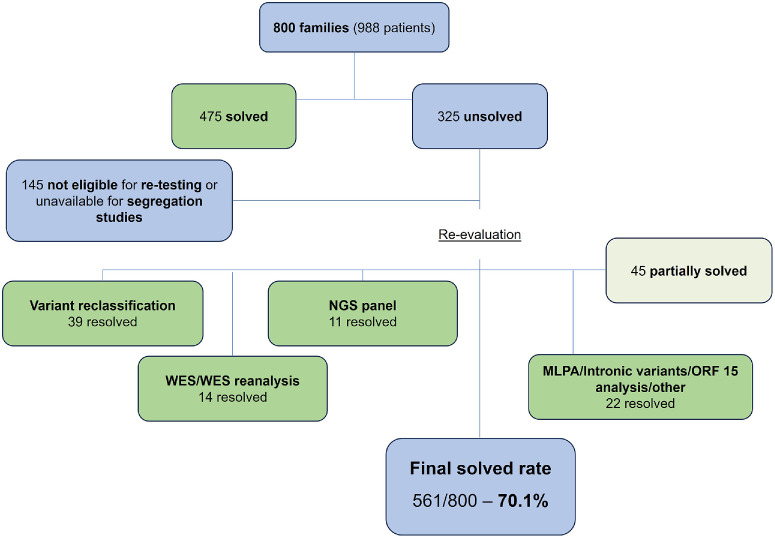 Figure 3
Peer Reviews
No public reviews on file for this paper yet. If you reviewed it on a platform where reviews are public (OpenReview, ICLR, NeurIPS, ICML), you can paste yours below so the community can read it here.
Videos
No videos yet. Explain this paper in a talk, walkthrough, or lecture? Add one.
Taxonomy
TopicsGenomics and Rare Diseases · Ocular Disorders and Treatments · Genomic variations and chromosomal abnormalities