Clinically friendly smart hydrogel boosts cuproptosis and PD-L1 upregulation to enhance anti-tumor immunotherapy
Baiyang Fu, Guangyan Li, Yuan Yao, Mingfu Zhang, Yesheng Zhong, Xi Wang, Yichi Chen, Wenlong Liang, Yao Wang, Haiyun Lin, Yutong Zhang, Qiguang Du, Zhongkai Xu, He Cui, Liping Shi, Xi Chen, Jianguo Zhang

TL;DR
A smart hydrogel combining cuproptosis and immunotherapy effectively treats triple-negative breast cancer by boosting anti-tumor immune responses.
Contribution
A novel temperature/pH-responsive hydrogel integrates cuproptosis, starvation therapy, chemodynamic therapy, and immunotherapy for TNBC treatment.
Findings
ES-Cu&GOx@FFC synergistically triggers cuproptosis and chemodynamic therapy in TNBC.
The hydrogel upregulates PD-L1 and improves tumor regression when combined with αPD-L1 immunotherapy.
The treatment achieves over 90% tumor volume regression in combined therapy experiments.
Abstract
Triple-negative breast cancer (TNBC) faces the challenge of limited treatment efficacy due to its highly invasive ability and its immunosuppressive microenvironment. This study found that cuproptosis, as an emerging therapeutic strategy, has unique therapeutic potential in TNBC. Nevertheless, the delivery difficulties of cuproptosis-inducing agents and the limited efficacy of single drugs restrict the clinical application of cuproptosis therapy. Herein, a temperature/pH dual-responsive composite hydrogel was developed to load Elesclomol-Cu (ES-Cu) and glucose oxidase (GOx) (ES-Cu&GOx@FFC). ES and Cu2+ can synergistically trigger cuproptosis in TNBC, and GOx can not only inhibit tumor metabolism by mediating glucose deprivation but also initiate the Fenton reaction by continuously generating H2O2 and synergizing with copper ions, driving a potent chemodynamic therapy (CDT). Furthermore,…
Genes, proteins, chemicals, diseases, species, mutations and cell lines named across the full text — each resolved to its canonical identifier and authoritative record.
Click any figure to enlarge with its caption.
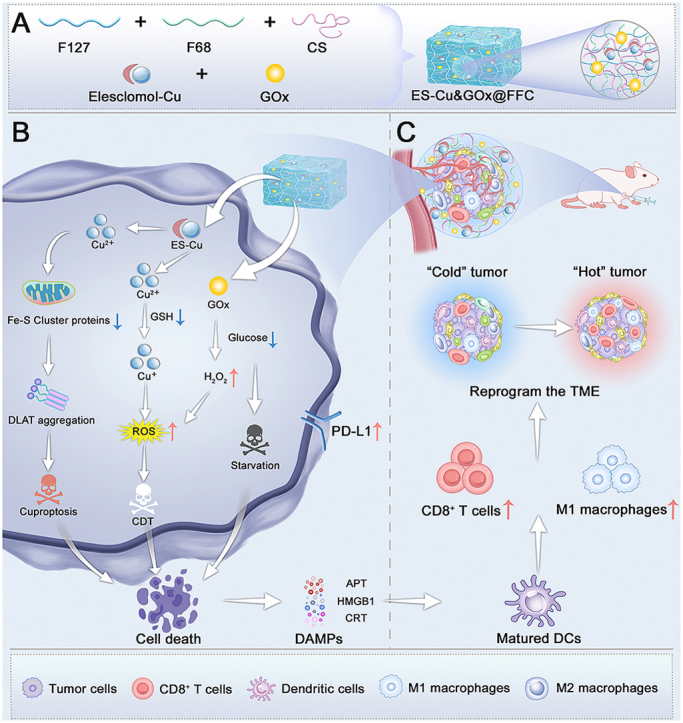 Figure 1
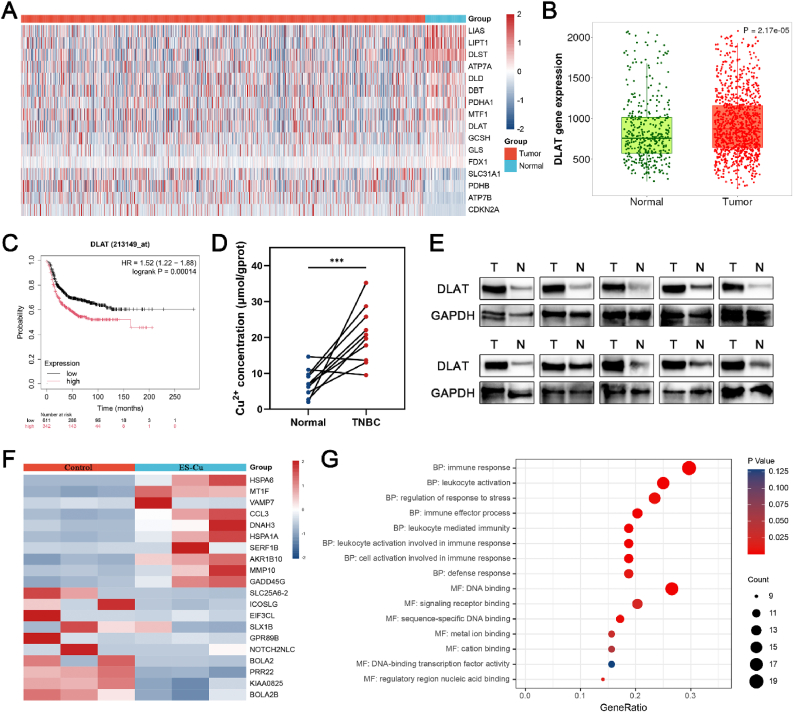 Figure 2
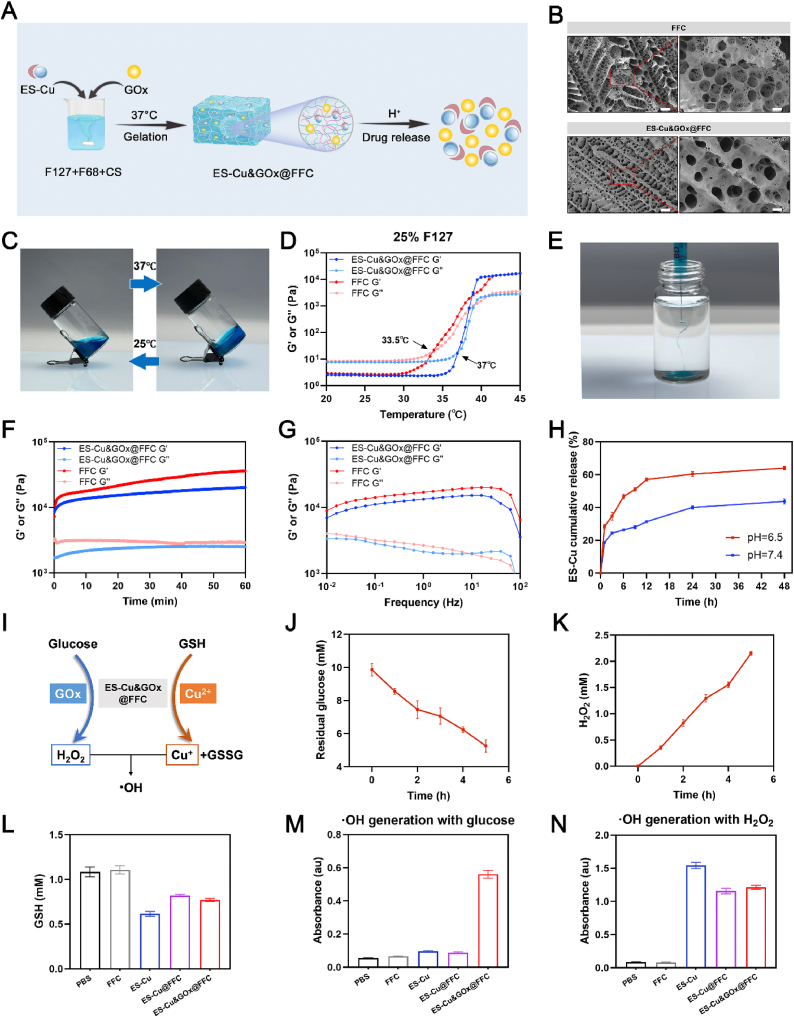 Figure 3
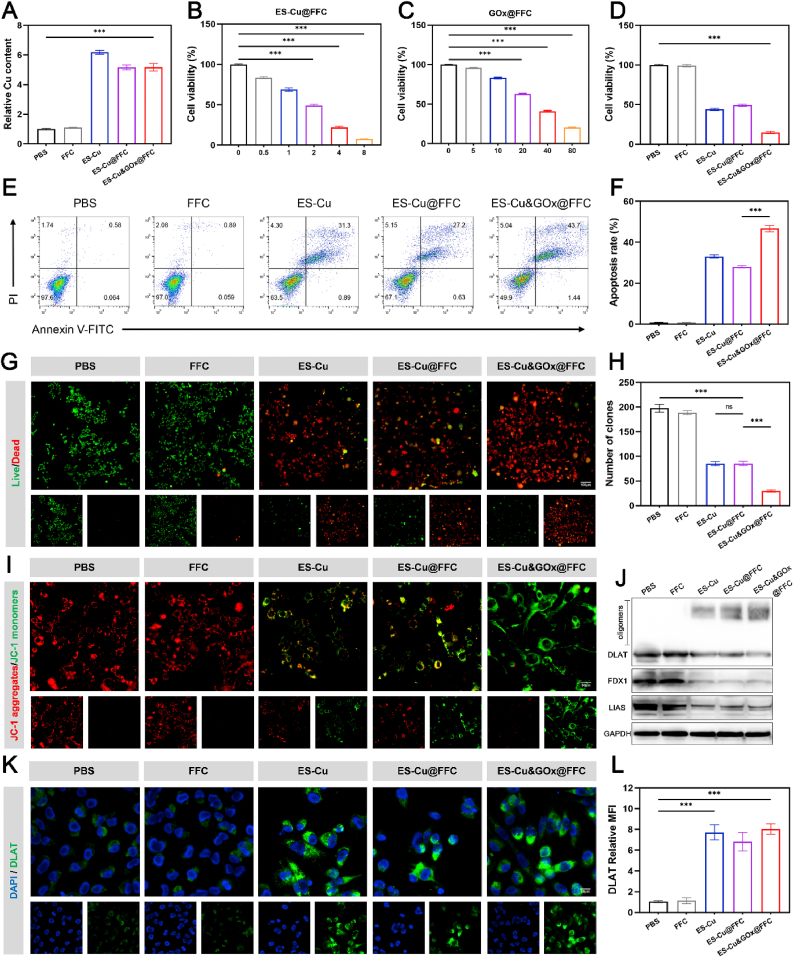 Figure 4
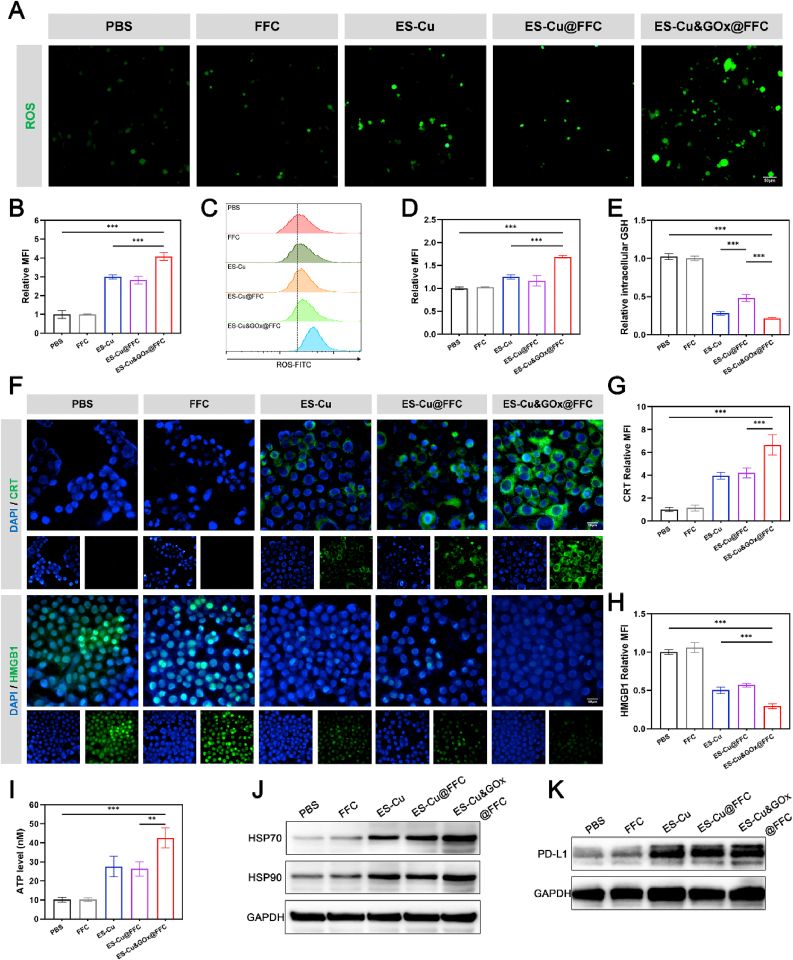 Figure 5
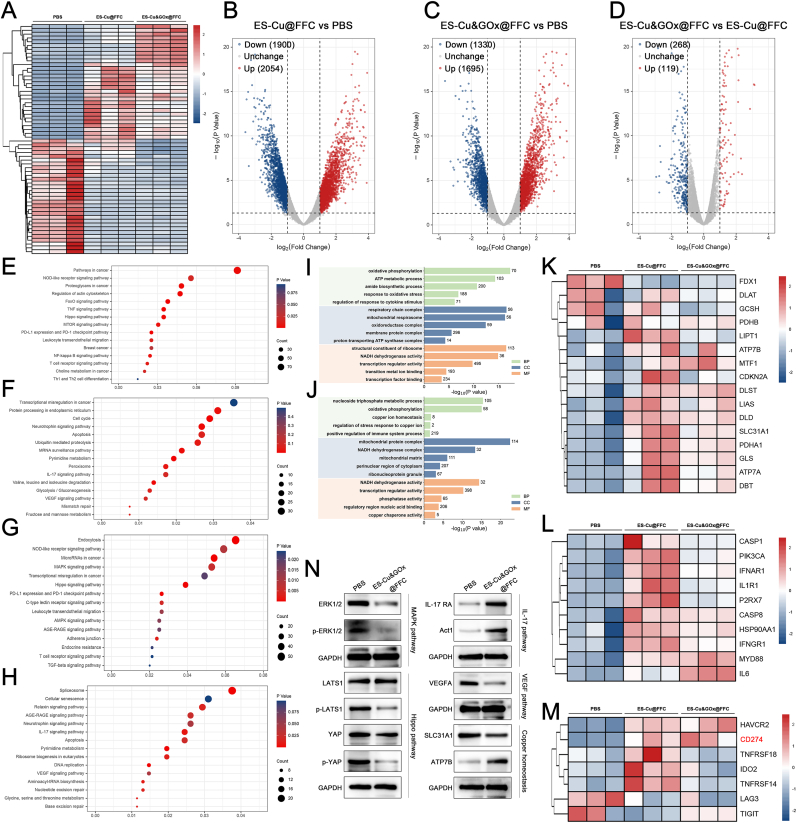 Figure 6
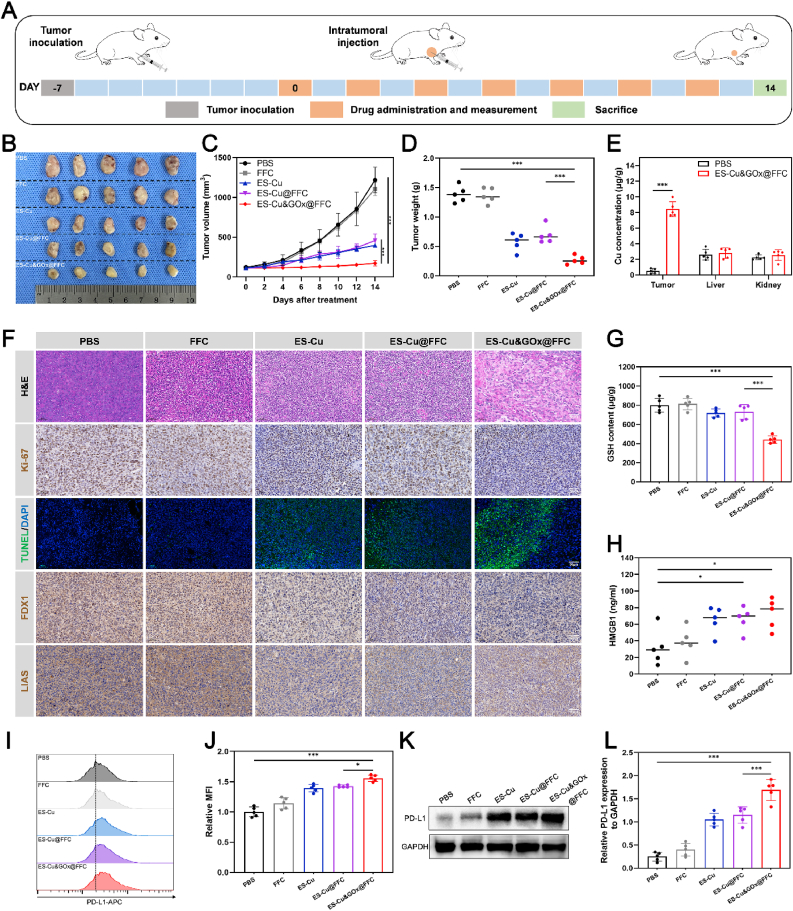 Figure 7
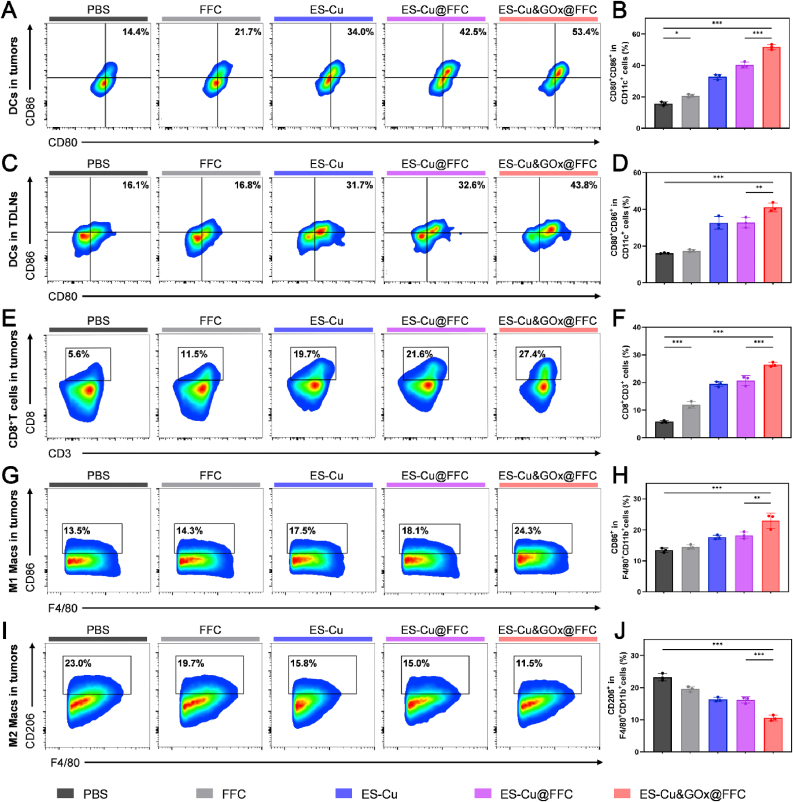 Figure 8
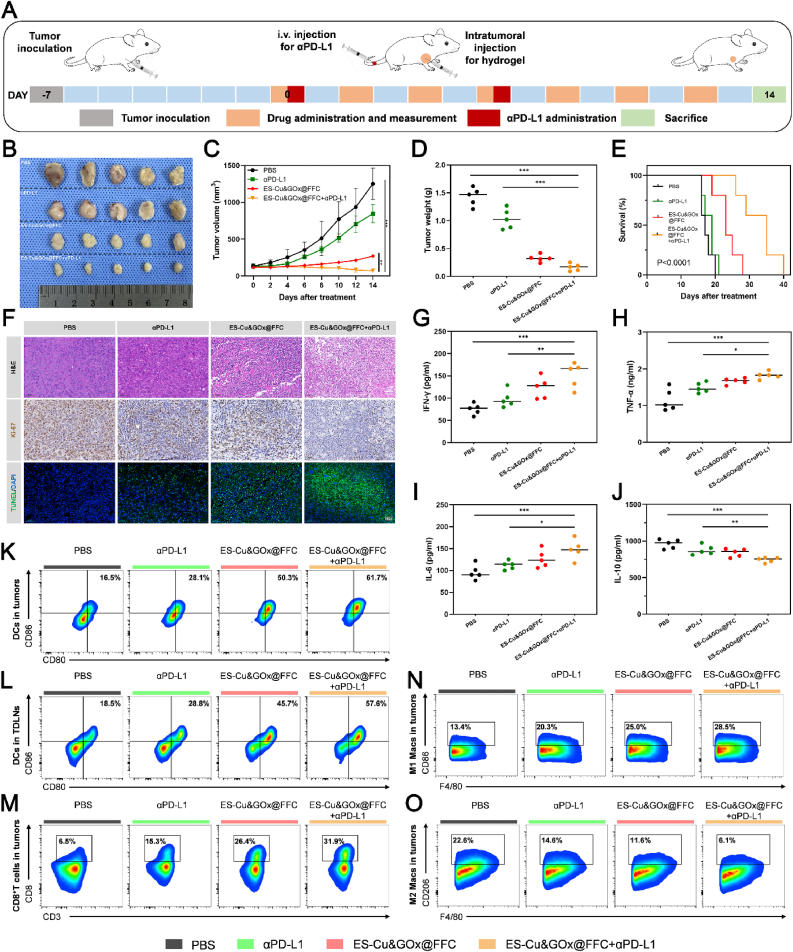 Figure 9
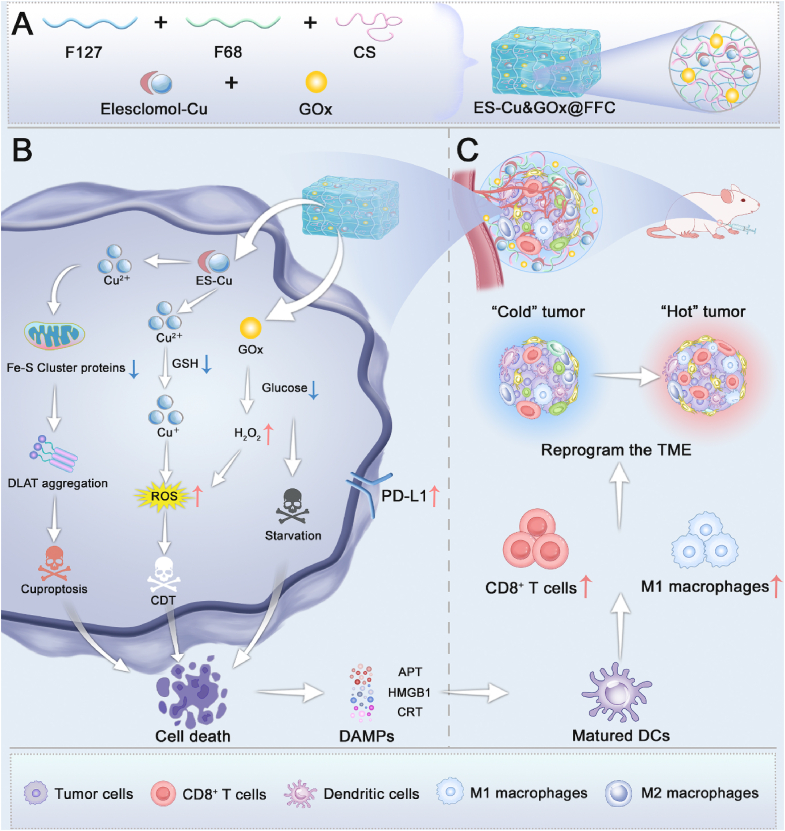 Figure 10
Peer Reviews
No public reviews on file for this paper yet. If you reviewed it on a platform where reviews are public (OpenReview, ICLR, NeurIPS, ICML), you can paste yours below so the community can read it here.
Videos
No videos yet. Explain this paper in a talk, walkthrough, or lecture? Add one.
Taxonomy
TopicsNanoplatforms for cancer theranostics · Nanoparticle-Based Drug Delivery · Graphene and Nanomaterials Applications