Improved T Cell Surfaceomics by Depleting Intracellularly Labelled Dead Cells
Christofer Daniel Sánchez, Aswath Balakrishnan, Blake Krisko, Bulbul Ahmmed, Luna Witchey, Oceani Valenzuela, Minas Minasyan, Anthony Pak, Haik Mkhikian

TL;DR
Removing dead cells after labeling improves the accuracy of cell surface protein studies by reducing contamination from intracellular proteins.
Contribution
Dead cell depletion after biotinylation significantly enhances surfaceomics by eliminating intracellular contaminants from nonviable cells.
Findings
Dead cell depletion increases plasma membrane protein intensity from 4% to 55.8%.
Dead cells account for 90% of labeled proteins in T cell preparations despite being only 5% of the total.
Intracellular pools of PM proteins are removed without affecting surface-resident proteins.
Abstract
Although the plasma membrane (PM) is among the most biologically important and therapeutically targeted cellular compartments, it is among the most challenging to faithfully capture using proteomic approaches. The quality of quantitative surfaceomics data depends heavily on the effectiveness of the cell surface enrichment used during sample preparation. Enrichment improves sensitivity for low abundance PM proteins and ensures that the changes detected reflect PM expression changes rather than whole cell changes. Cell surface biotinylation with PM-impermeable, amine-reactive reagents is a facile, accessible, and unbiased approach to enrich PM proteins. However, it results in unexpectedly high contamination with intracellular proteins, reducing its utility. We report that biotinylating human cells with amine-reactive reagents intracellularly labels a small but reproducible population of…
Genes, proteins, chemicals, diseases, species, mutations and cell lines named across the full text — each resolved to its canonical identifier and authoritative record.
Click any figure to enlarge with its caption.
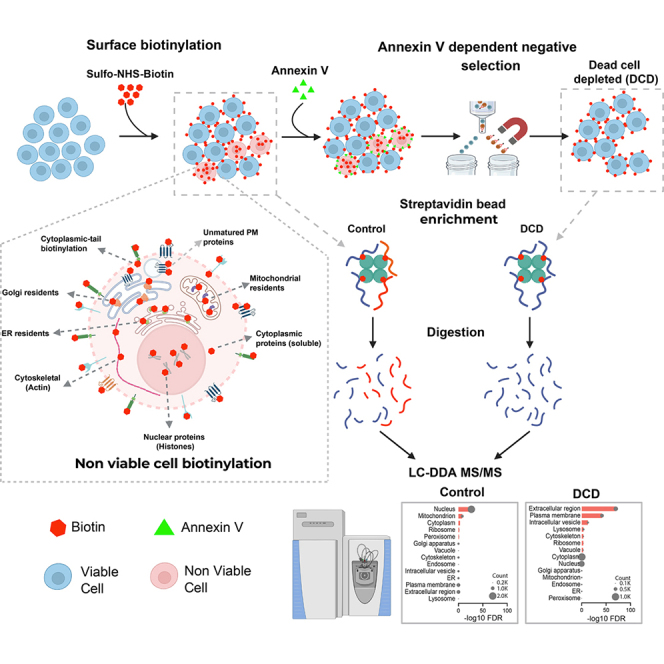 Figure 1
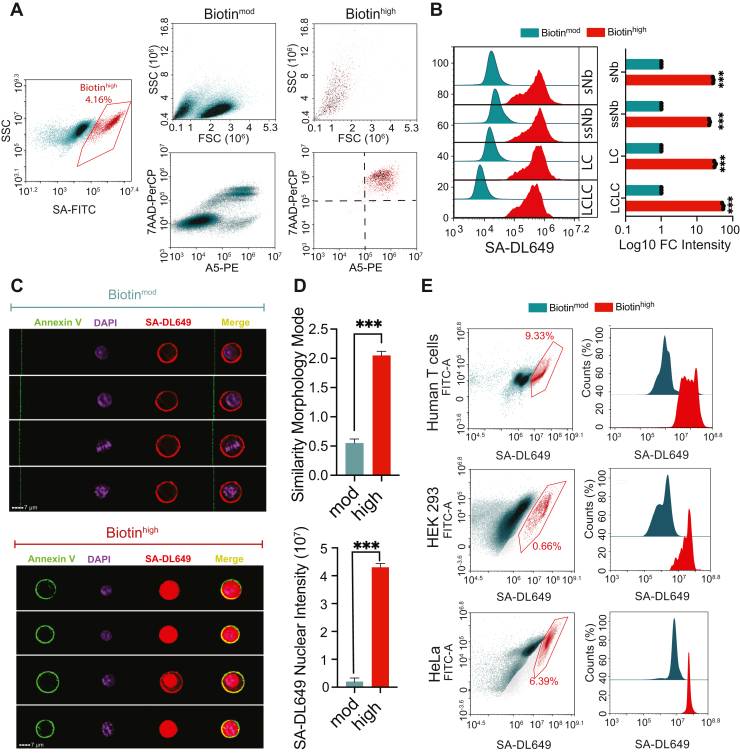 Figure 2
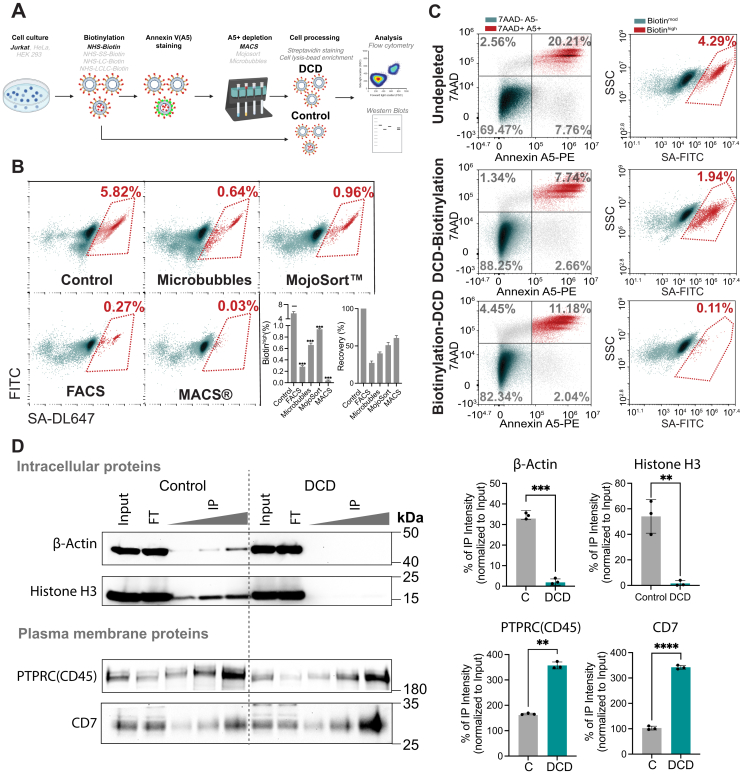 Figure 3
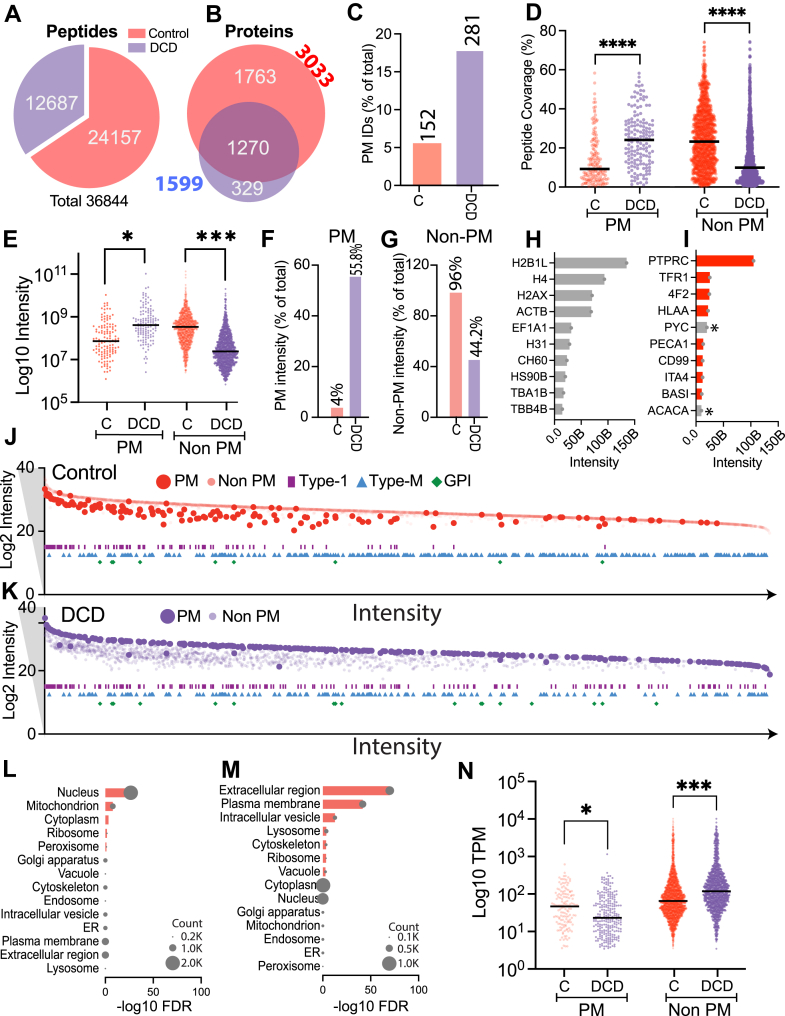 Figure 4
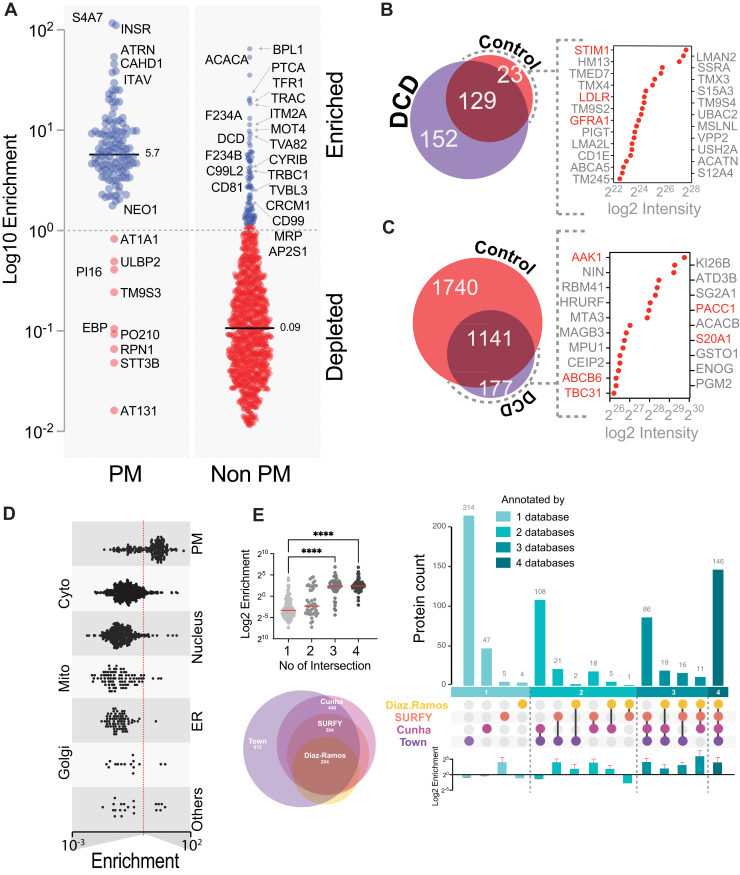 Figure 5
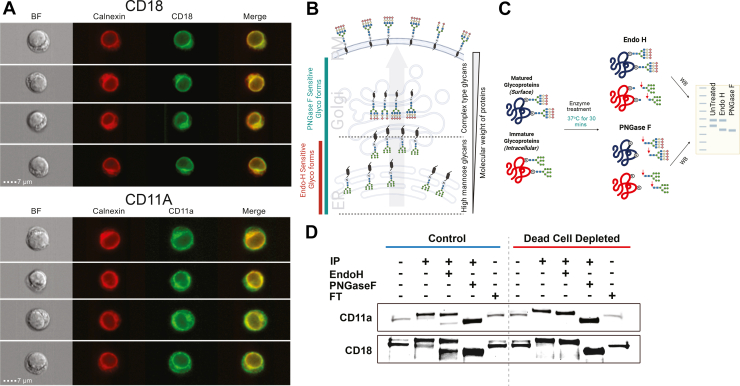 Figure 6
Peer Reviews
No public reviews on file for this paper yet. If you reviewed it on a platform where reviews are public (OpenReview, ICLR, NeurIPS, ICML), you can paste yours below so the community can read it here.
Videos
No videos yet. Explain this paper in a talk, walkthrough, or lecture? Add one.
Taxonomy
TopicsBiotin and Related Studies · Click Chemistry and Applications · Advanced Proteomics Techniques and Applications