Trajectory-based computational analysis of the quantum–classical transition in asymmetrically coupled spin–boson models
Teerapat Uthailiang, Purin Issarakul, S. Boonchui

TL;DR
This paper explores how quantum coherence is affected by environmental interactions in photosynthetic systems using computational models.
Contribution
The study introduces a trajectory-based analysis of quantum-classical transitions in asymmetrically coupled spin-boson models.
Findings
Moderate asymmetric coupling sustains coherence and enhances directional energy transfer.
Strong coupling rapidly suppresses quantum trajectories and coherence.
The model provides a quantitative measure of coherence loss via corridor width on the Bloch sphere.
Abstract
Understanding how quantum coherence is regulated by structured environments is essential for elucidating energy-transfer mechanisms in photosynthetic light-harvesting complexes. In this work, we present a trajectory-based computational analysis of the quantum–classical transition in asymmetrically coupled spin–boson models, motivated by exciton–phonon interactions in the phycobiliprotein PC645 complex. The model captures site-dependent environmental coupling that mimics pigment-specific dissipation pathways in biological systems. We employ three complementary approaches: a Redfield master equation in the Bloch-vector representation, numerically exact hierarchical equations of motion (HEOM), and a stochastic Schrödinger equation that generates ensembles of quantum trajectories. Within the stochastic framework, environmental backaction is interpreted as a continuous measurement process,…
Genes, proteins, chemicals, diseases, species, mutations and cell lines named across the full text — each resolved to its canonical identifier and authoritative record.
Click any figure to enlarge with its caption.
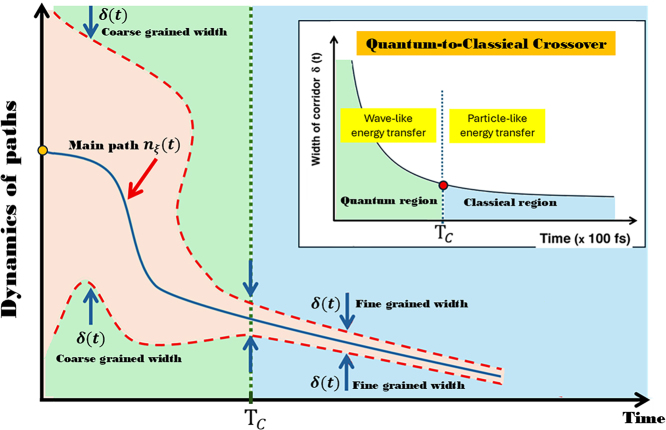 Figure 1
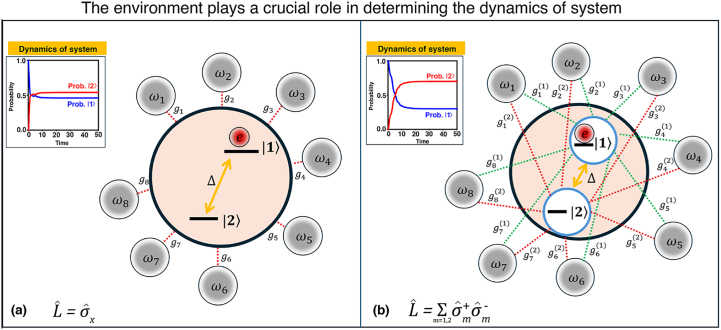 Figure 2
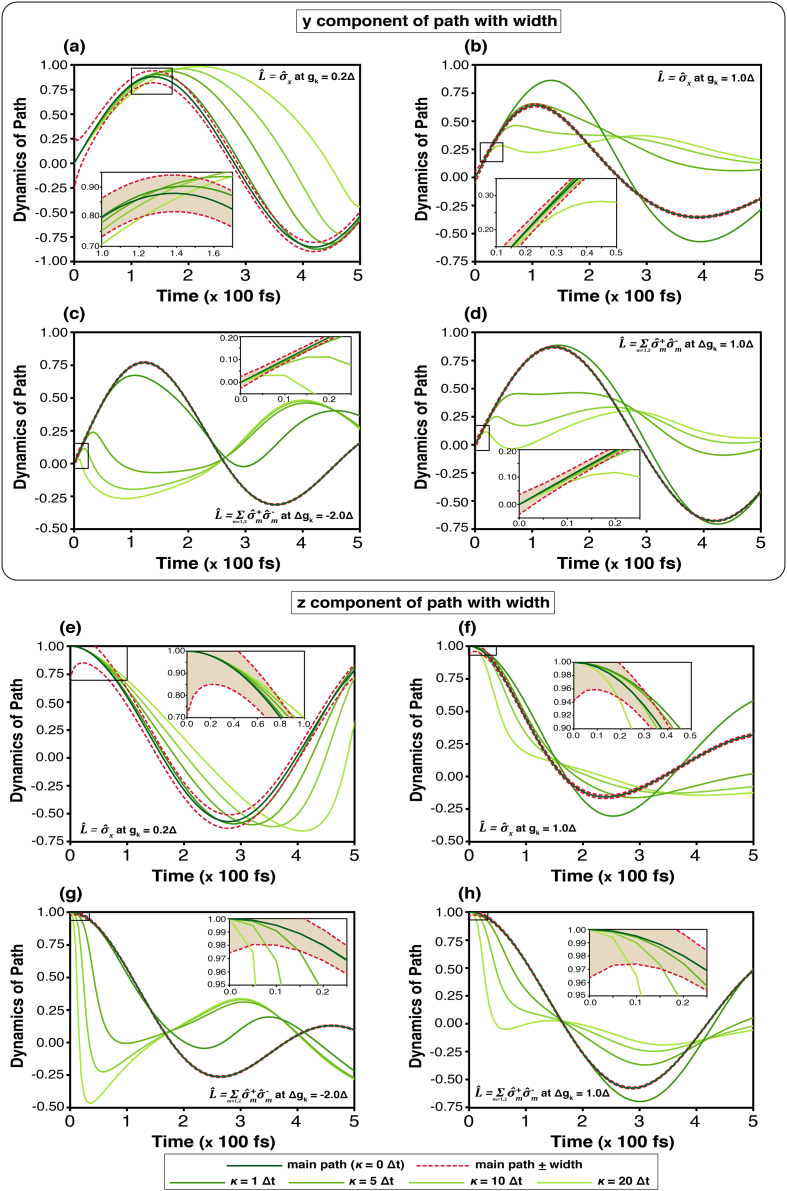 Figure 3
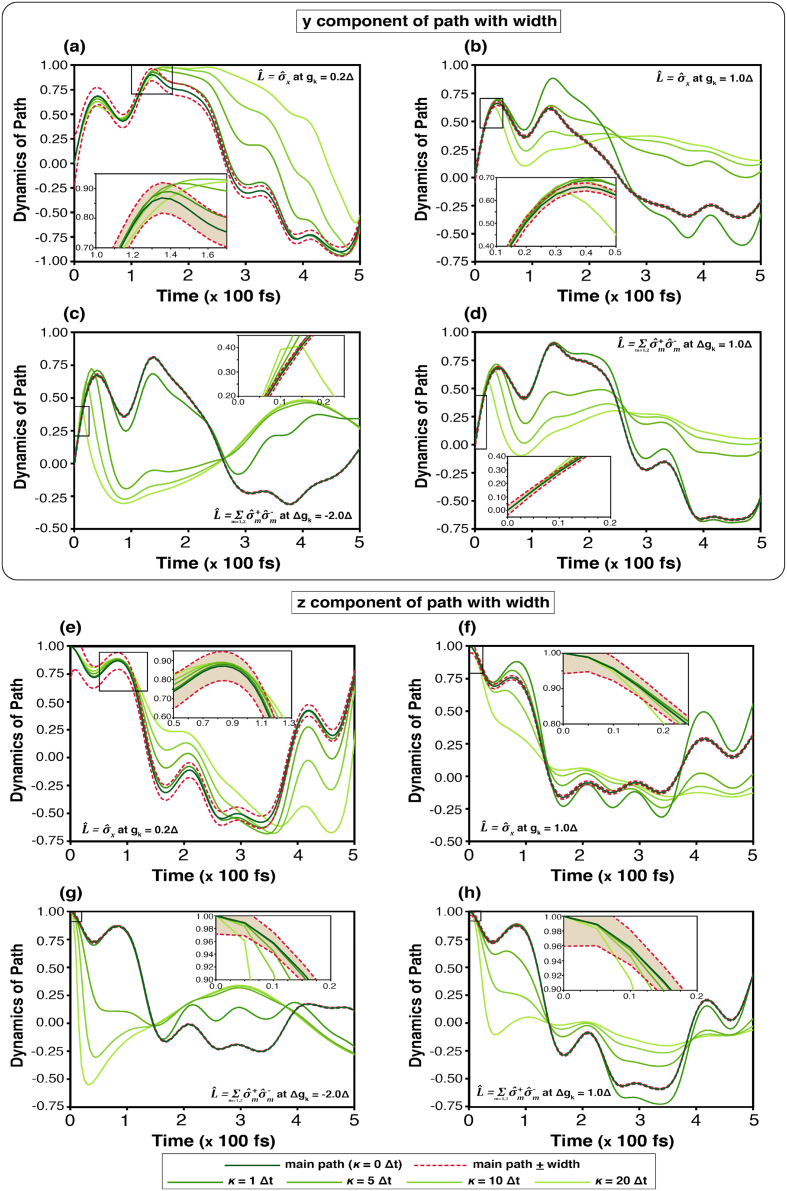 Figure 4
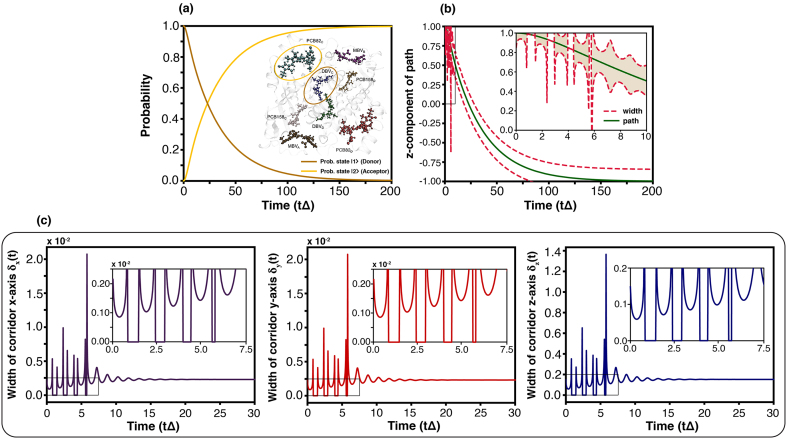 Figure 5
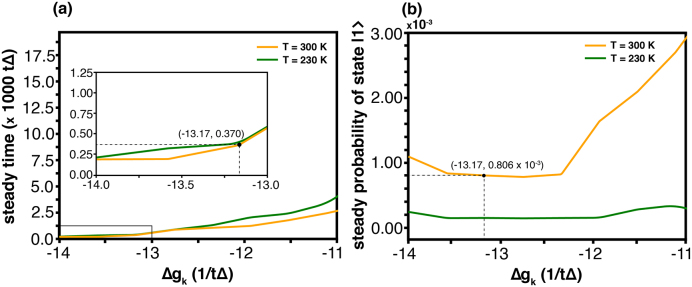 Figure 6
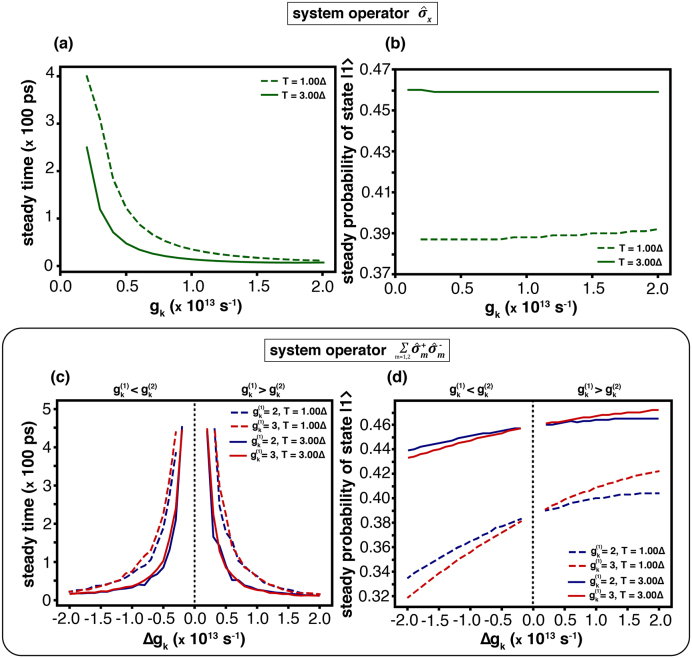 Figure 7
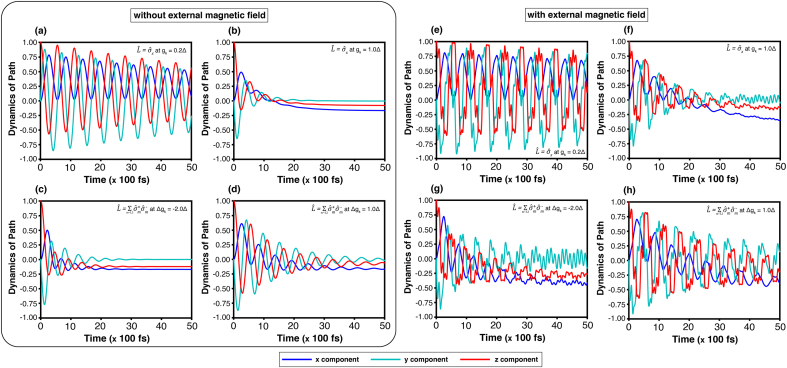 Figure 8
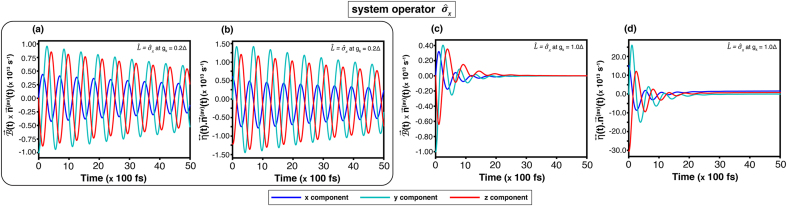 Figure 9
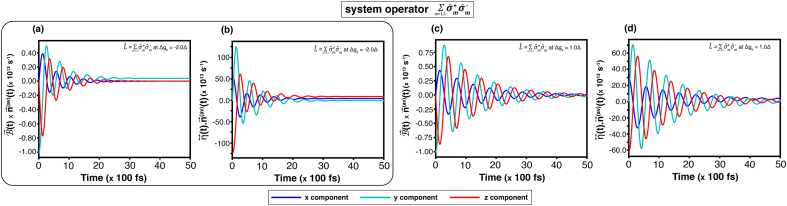 Figure 10
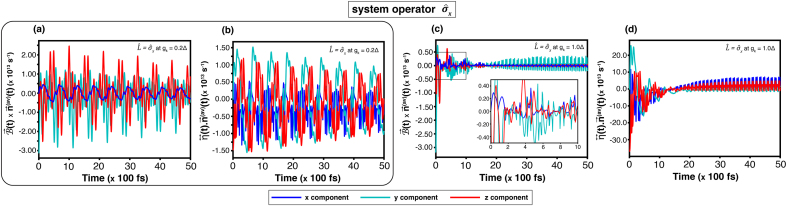 Figure 11
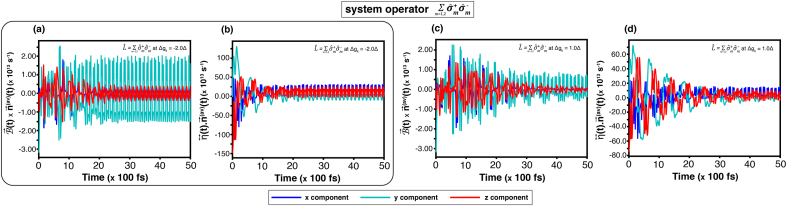 Figure 12
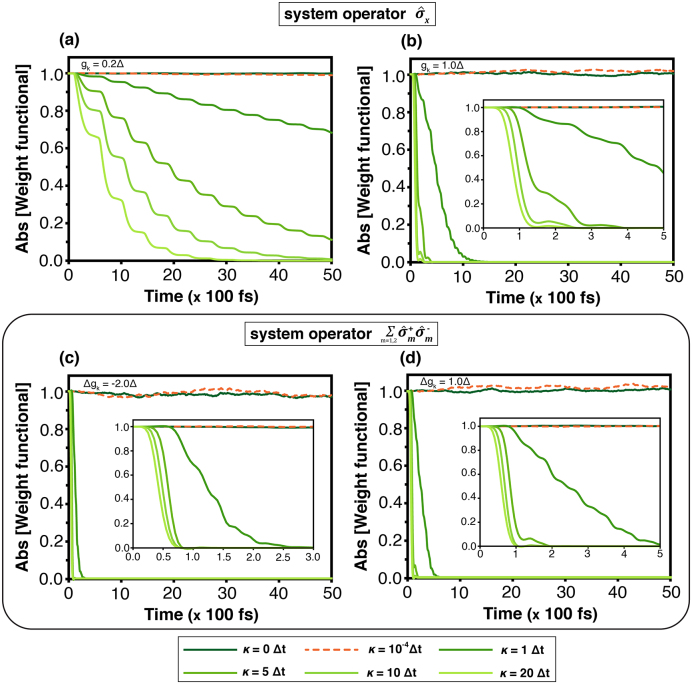 Figure 13
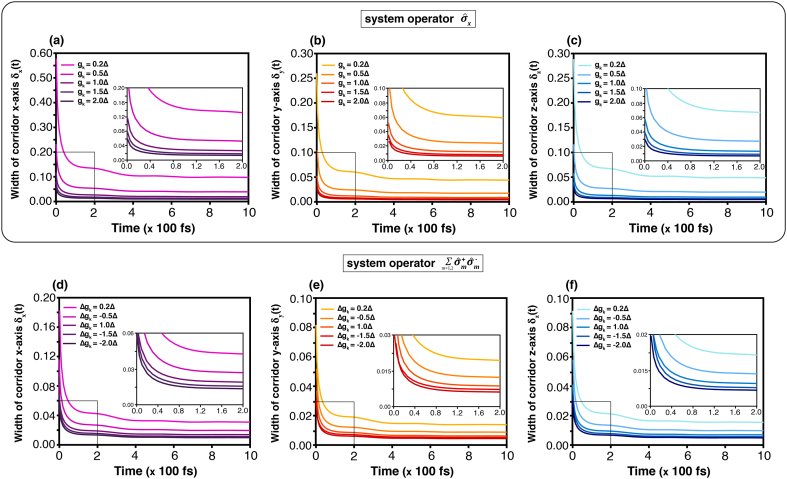 Figure 14
Peer Reviews
No public reviews on file for this paper yet. If you reviewed it on a platform where reviews are public (OpenReview, ICLR, NeurIPS, ICML), you can paste yours below so the community can read it here.
Videos
No videos yet. Explain this paper in a talk, walkthrough, or lecture? Add one.
Taxonomy
TopicsSpectroscopy and Quantum Chemical Studies · Photosynthetic Processes and Mechanisms · Photoreceptor and optogenetics research