Bioenzymatic single-cell microencapsulation for enhanced stem Cell therapy
Leyan Xuan, Tingting Lu, Yingying Hou, Yuguang Zhu, Bingbing Zhan, Jialin Wu, Kaixiang Li, Jiachu Huang, Huaibin Wang, Ziyang Liu, Wenqi Xiao, Junjie Cai, Lijie Chen, Jie Wang, Jie Guo, Shufang Wang, Chenrui An, Xiyong Yu, Wei Fu, Guosheng Tang

TL;DR
A new bioenzymatic method creates single-cell microgels that improve stem cell therapy by boosting cell survival and effectiveness in heart and lung disease models.
Contribution
A surfactant- and oil-free bioenzymatic strategy for universal single-cell microgel fabrication with 100% encapsulation efficiency.
Findings
Microgel-encapsulated MSCs improved in vivo retention and cardiac function in myocardial infarction models.
TNF-α-loaded MSCs reduced fibrosis and improved respiratory function in pulmonary fibrosis models.
The method achieved universal compatibility with diverse cell types and biomaterials.
Abstract
Cell therapy has achieved a critical breakthrough through single-cell microgel technology. This miniaturized encapsulation platform enables precise microenvironment recapitulation, efficient targeted delivery, and tunable pericellular matrix control. Nevertheless, prevailing microfluidic and surface chemical engineering methodologies confront fundamental challenges in preserving cell viability and functionality. Here, we establish a simple and bioenzymatic strategy for fabricating single-cell microgels, using microbial transglutaminase adsorption. This surfactant- and oil-free approach, without surface modification, permits universal, high-viability encapsulation of diverse cell types and biomaterials. We achieve 100 % encapsulation efficiency and robust mechanical protection. Therapeutic efficacy was assessed in myocardial infarction (MI) and pulmonary fibrosis (PF) models. In MI,…
Genes, proteins, chemicals, diseases, species, mutations and cell lines named across the full text — each resolved to its canonical identifier and authoritative record.
Click any figure to enlarge with its caption.
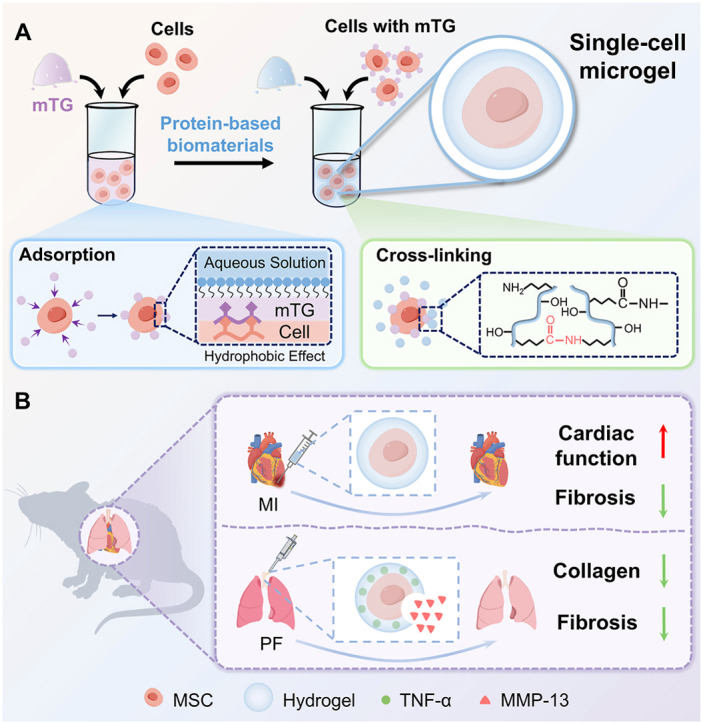 Figure 1
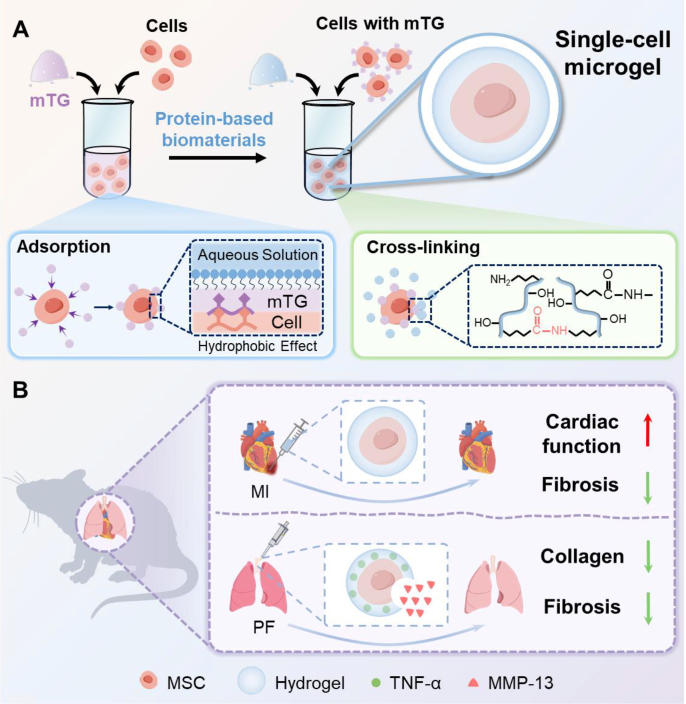 Figure 2
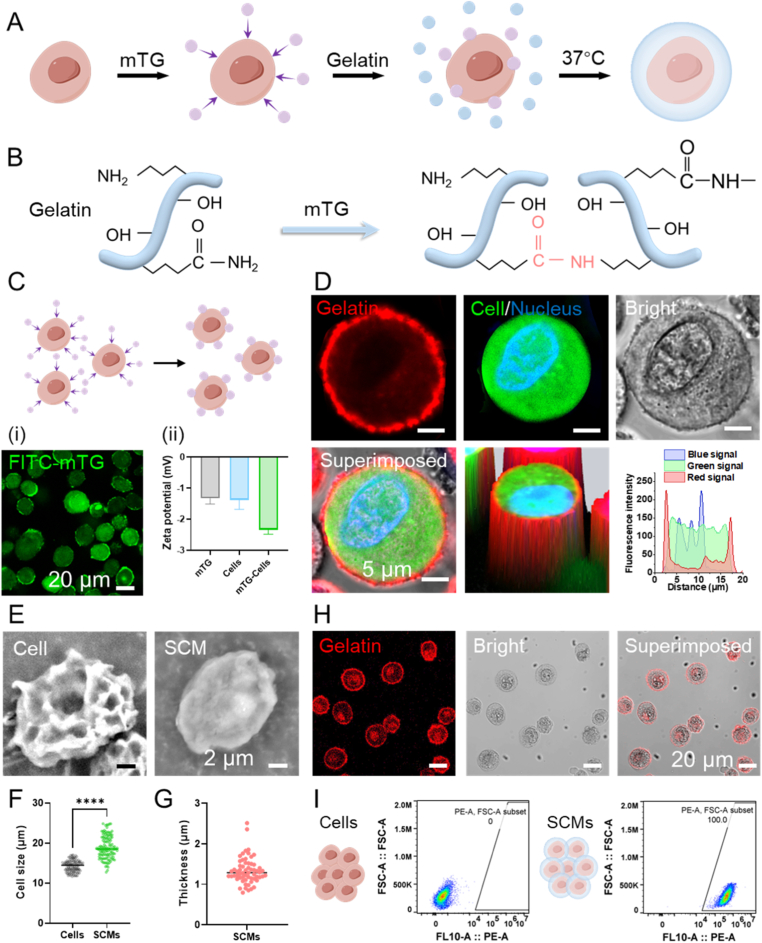 Figure 3
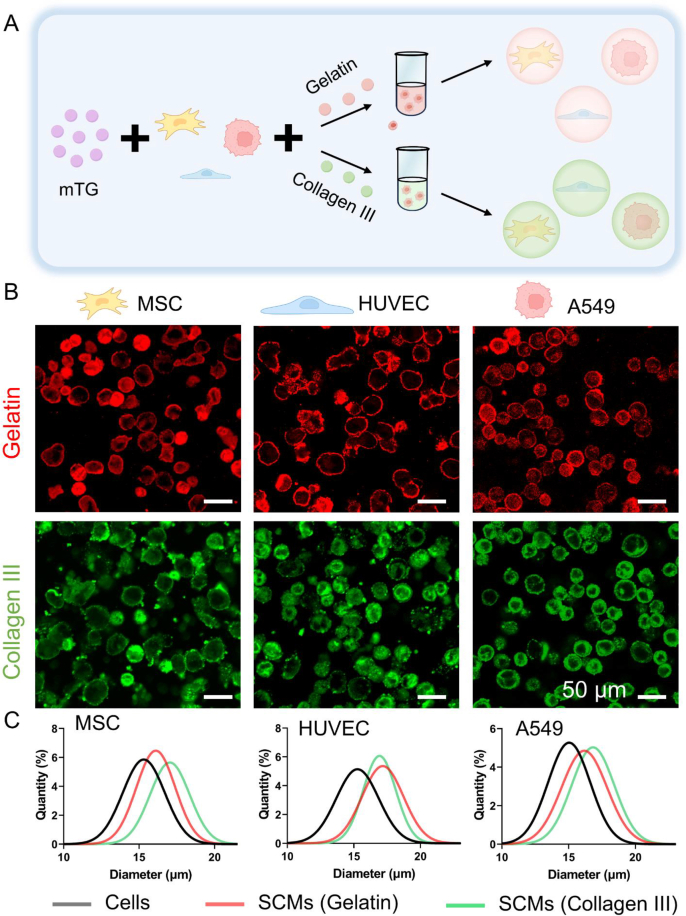 Figure 4
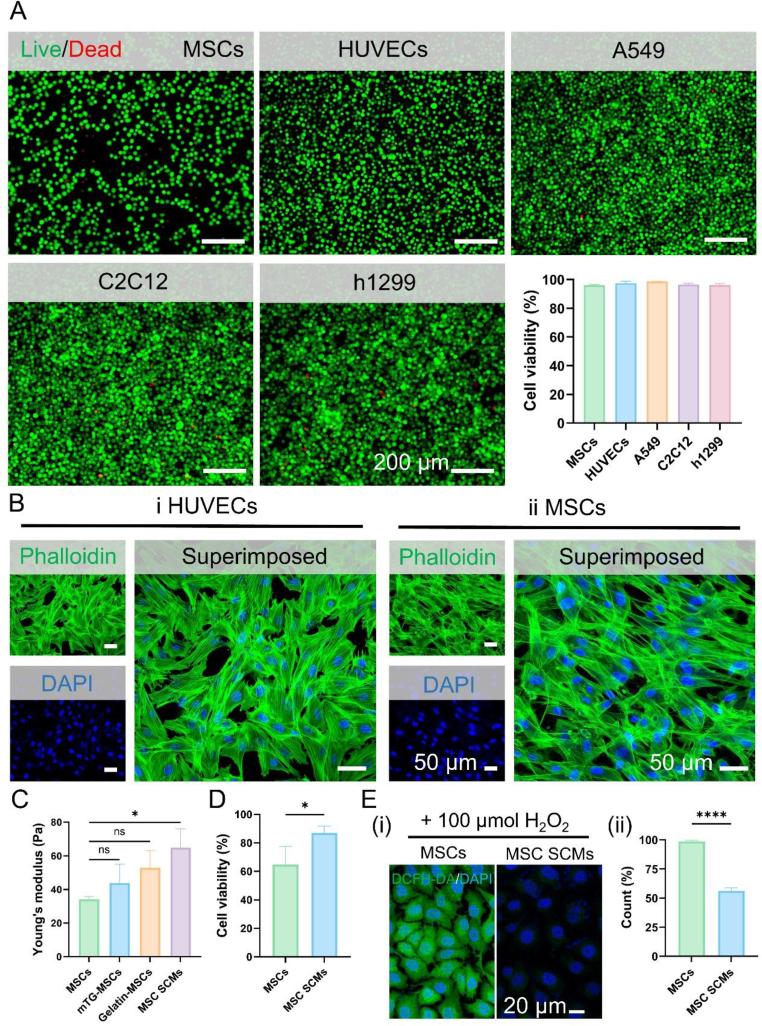 Figure 5
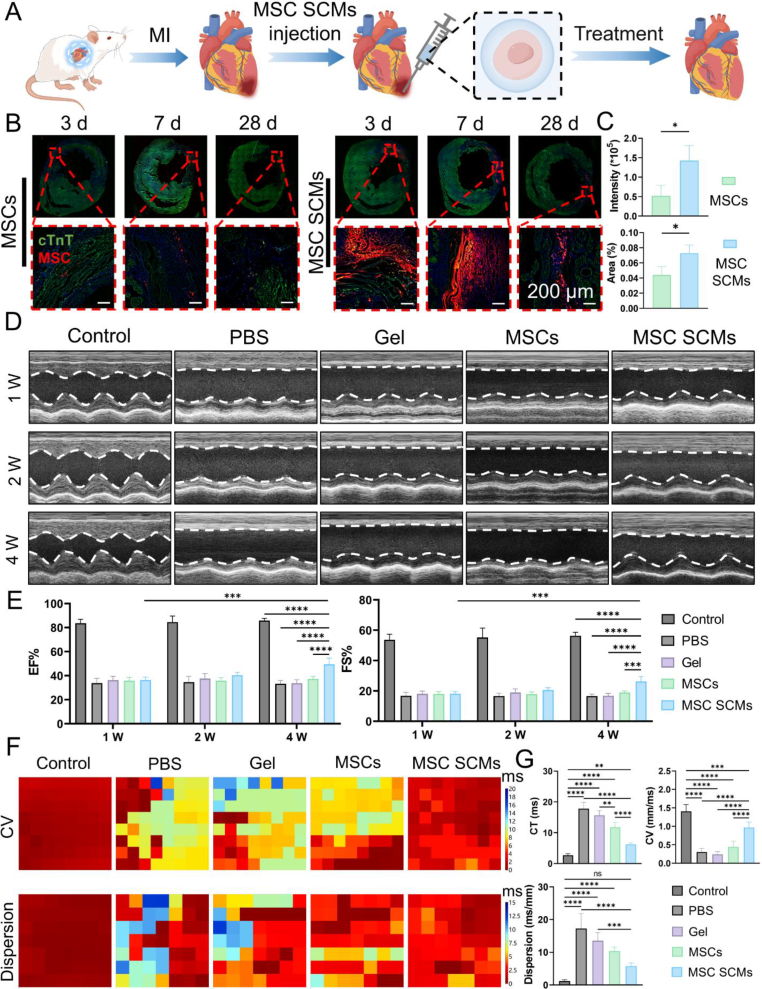 Figure 6
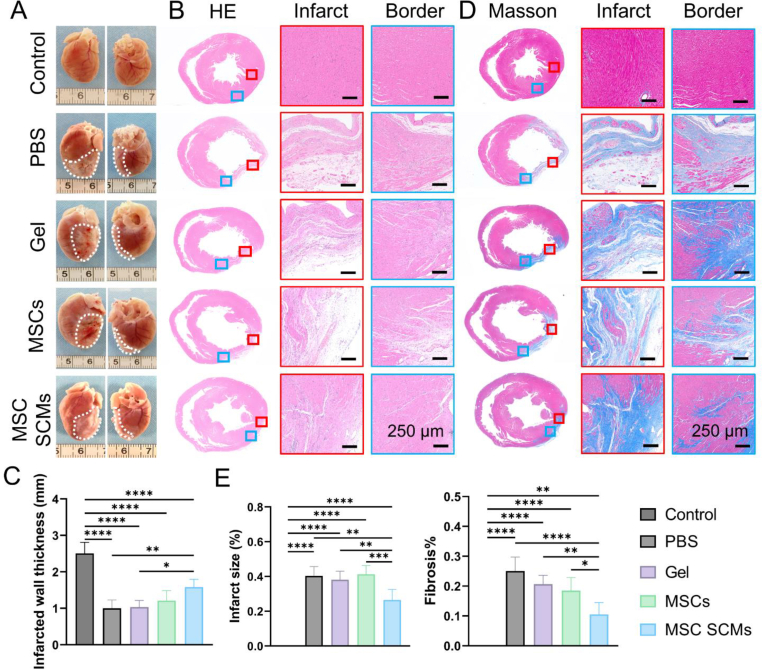 Figure 7
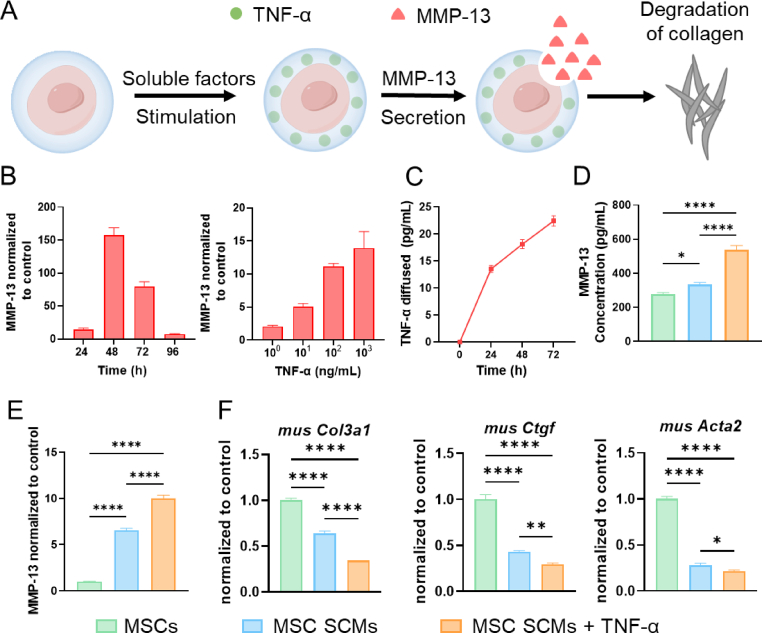 Figure 8
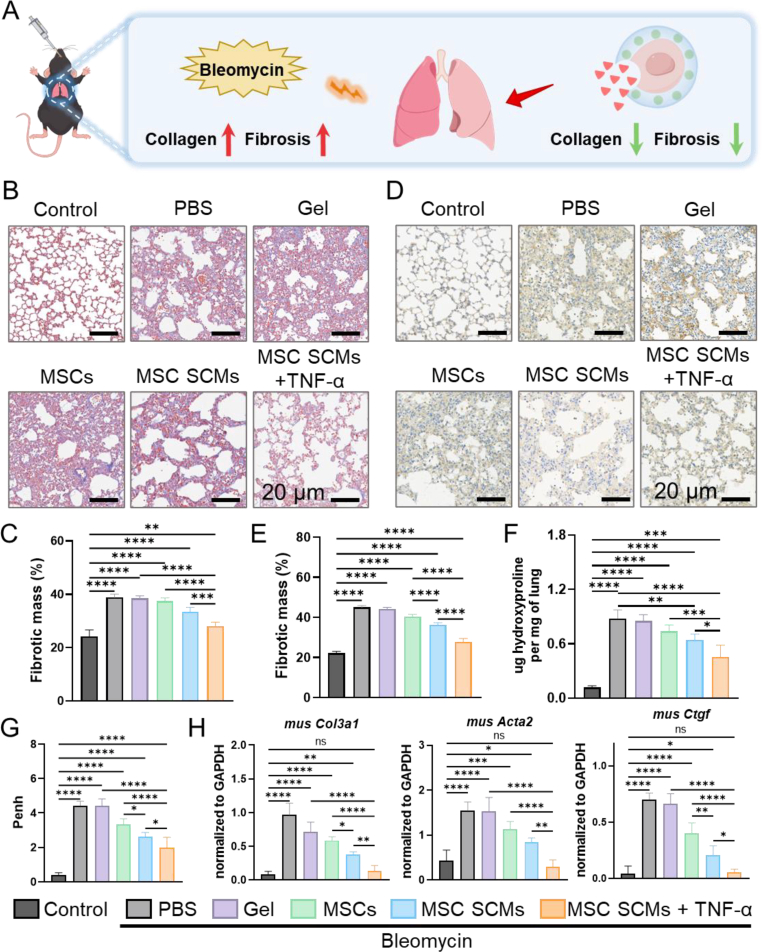 Figure 9
Peer Reviews
No public reviews on file for this paper yet. If you reviewed it on a platform where reviews are public (OpenReview, ICLR, NeurIPS, ICML), you can paste yours below so the community can read it here.
Videos
No videos yet. Explain this paper in a talk, walkthrough, or lecture? Add one.
Taxonomy
TopicsTissue Engineering and Regenerative Medicine · 3D Printing in Biomedical Research · Blood properties and coagulation