The genome sequence of the Small China-mark, Cataclysta lemnata (Linnaeus, 1758) (Lepidoptera: Crambidae)
David C. Lees, Panagiotis Ioannidis, Yvonne Jing Mei Liew, Melody Clark, Xiaoguang Liu, Stephan Koblmüller, Christophe Klopp, Laurence Despres

TL;DR
This paper presents the genome sequence of the Small China-mark moth, assembled into 28 chromosomes and part of a larger project to sequence species in Britain and Ireland.
Contribution
The paper provides a high-quality, chromosome-level genome assembly for Cataclysta lemnata as part of the Darwin Tree of Life project.
Findings
The genome assembly is 432.44 megabases long, with 99.51% scaffolded into 28 chromosomal pseudomolecules.
The mitochondrial genome is 15.36 kilobases in length and has been fully assembled.
The Z sex chromosome is included in the chromosomal scaffolding.
Abstract
We present a genome assembly from an individual male Cataclysta lemnata (Small China-mark; Arthropoda; Insecta; Lepidoptera; Crambidae). The genome sequence has a total length of 432.44 megabases. Most of the assembly (99.51%) is scaffolded into 28 chromosomal pseudomolecules, including the Z sex chromosome. The mitochondrial genome has also been assembled, with a length of 15.36 kilobases. This assembly was generated as part of the Darwin Tree of Life project, which produces reference genomes for eukaryotic species found in Britain and Ireland.
Genes, proteins, chemicals, diseases, species, mutations and cell lines named across the full text — each resolved to its canonical identifier and authoritative record.
Click any figure to enlarge with its caption.
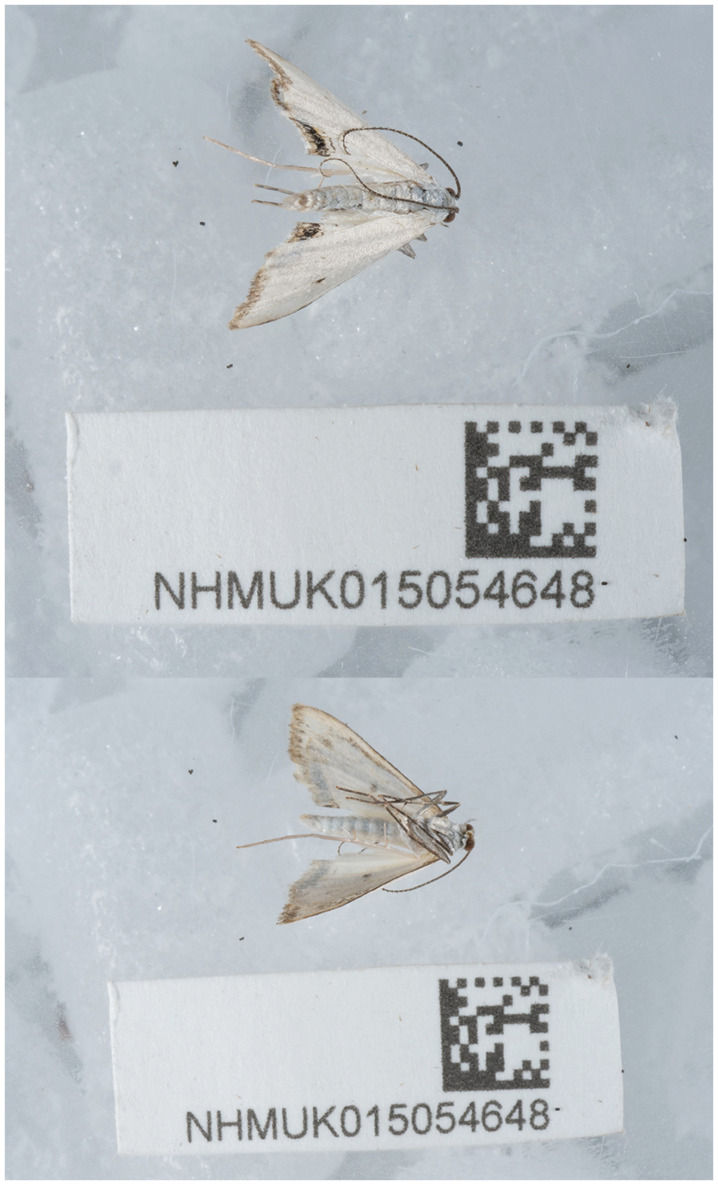 Figure 1
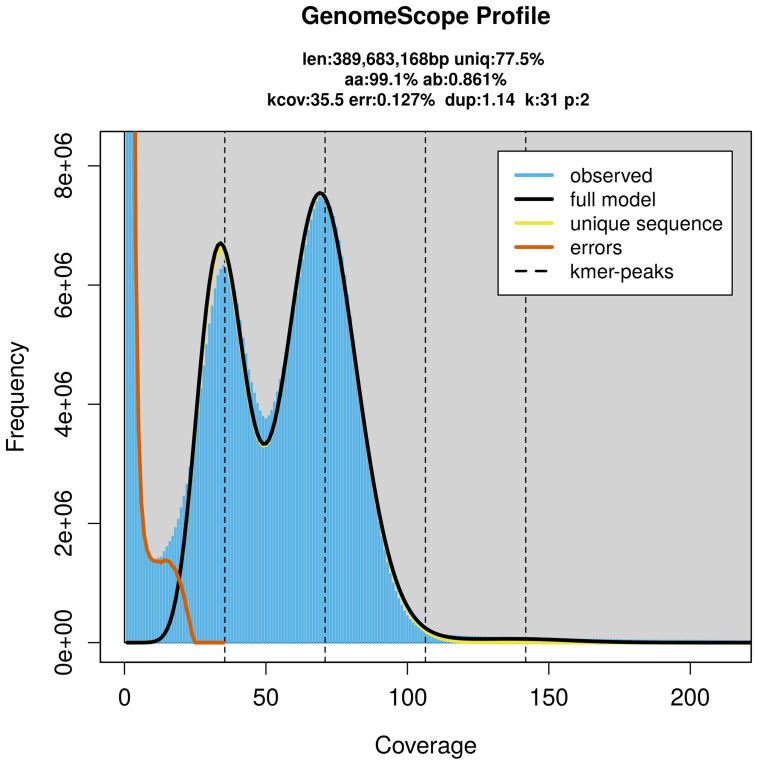 Figure 2
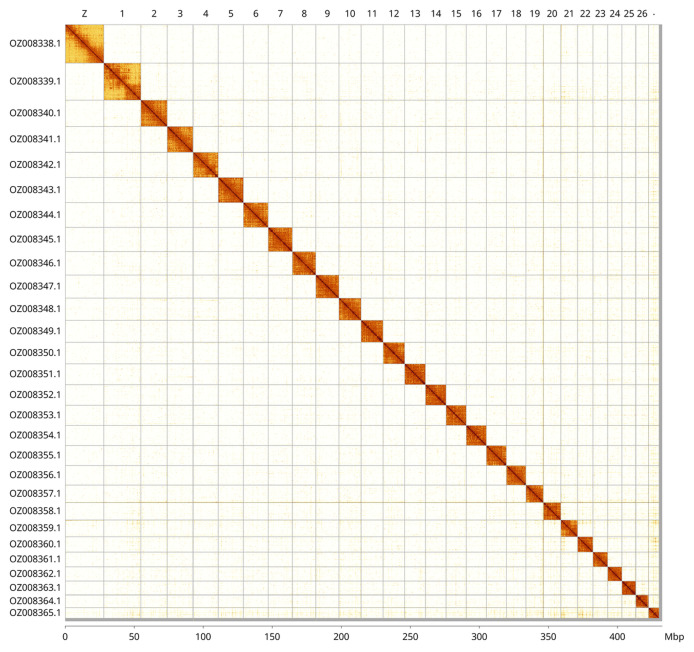 Figure 3
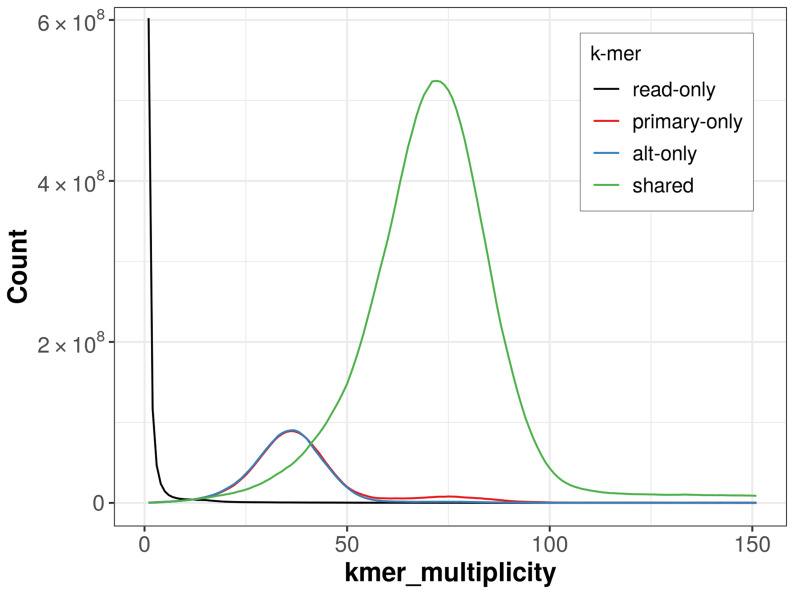 Figure 4
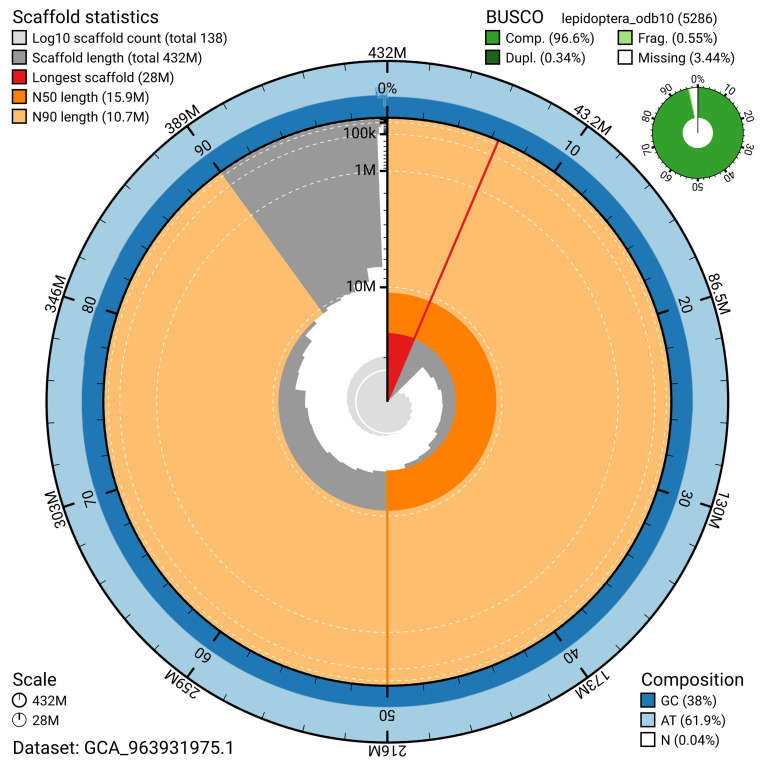 Figure 5
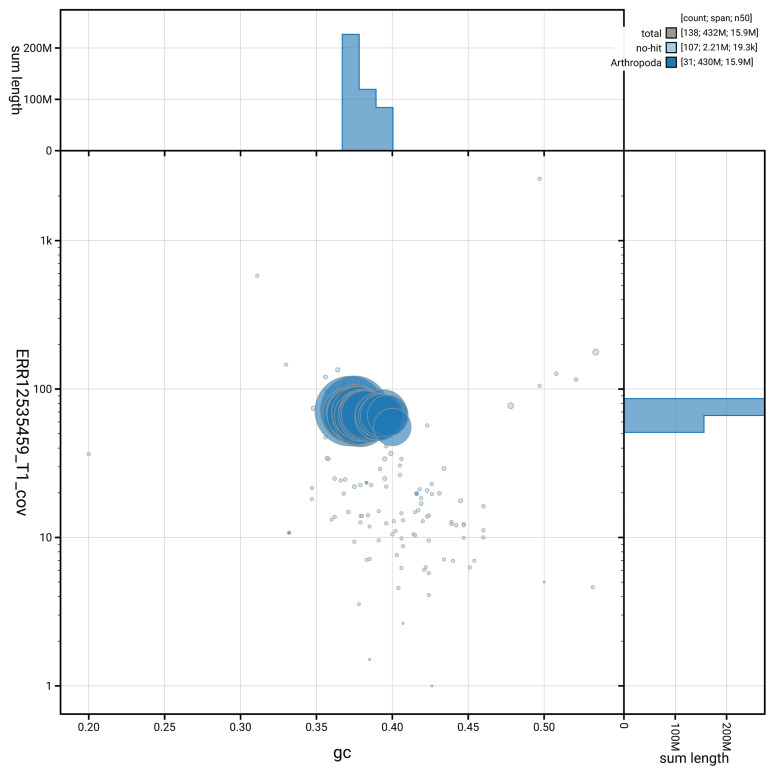 Figure 6
Peer Reviews
No public reviews on file for this paper yet. If you reviewed it on a platform where reviews are public (OpenReview, ICLR, NeurIPS, ICML), you can paste yours below so the community can read it here.
Videos
No videos yet. Explain this paper in a talk, walkthrough, or lecture? Add one.
Taxonomy
TopicsGenomics and Phylogenetic Studies · Lepidoptera: Biology and Taxonomy · Environmental DNA in Biodiversity Studies