IER3 Promotes Malignant Progression of Colorectal Cancer Through the NF‐κB Pathway
Zhigang Wei, Yinyi Luo, Yupeng Zhang, Qingxing Huang, Jianhang Shao, Yingying Zhang, Yuqi Zhang, Zhimin Wang, Chaojie Liang, Zhiyong Lai, Yongping Cui

TL;DR
This study shows that the IER3 gene promotes colorectal cancer growth and immune evasion through the NF-κB pathway, suggesting it could be a new treatment target.
Contribution
The study identifies IER3 as a novel driver of colorectal cancer progression and immune suppression via the NF-κB pathway.
Findings
IER3 expression is linked to aggressive colorectal cancer and poor prognosis.
IER3 activates the TNF-α/NF-κB pathway to enhance cancer proliferation and metastasis.
High IER3 levels correlate with reduced response to immune checkpoint blockade.
Abstract
Colorectal cancer (CRC) remains a leading cause of cancer‐related mortality worldwide, primarily due to metastatic progression and an immunosuppressive tumor immune microenvironment (TIME). The stress‐responsive gene IER3 is found to be dysregulated in multiple cancers. Currently, its functional role in CRC pathogenesis and immune modulation remains poorly understood. Here, using integrated single‐cell RNA sequencing (scRNA‐seq) of clinical samples, we identify a distinct IER3‐expressing malignant subpopulation associated with aggressive disease and poor prognosis. Functional studies demonstrate that IER3 drives CRC proliferation, invasion, and metastatic capacity both in vitro and in vivo. Mechanistically, IER3 activates the TNF‐α/NF‐κB signaling pathway, thereby enhancing the expression and phosphorylation of RELA/p65. Moreover, IER3+ malignant cells reshape the TIME into an…
Genes, proteins, chemicals, diseases, species, mutations and cell lines named across the full text — each resolved to its canonical identifier and authoritative record.
Click any figure to enlarge with its caption.
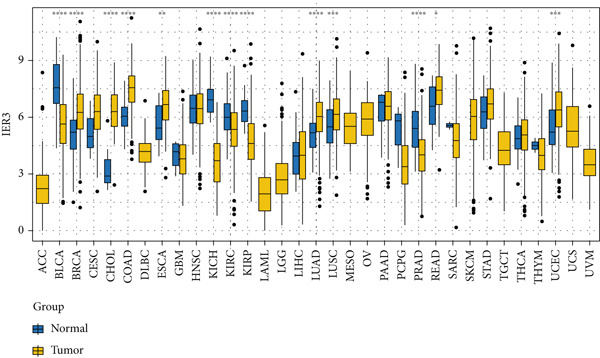 Figure 1
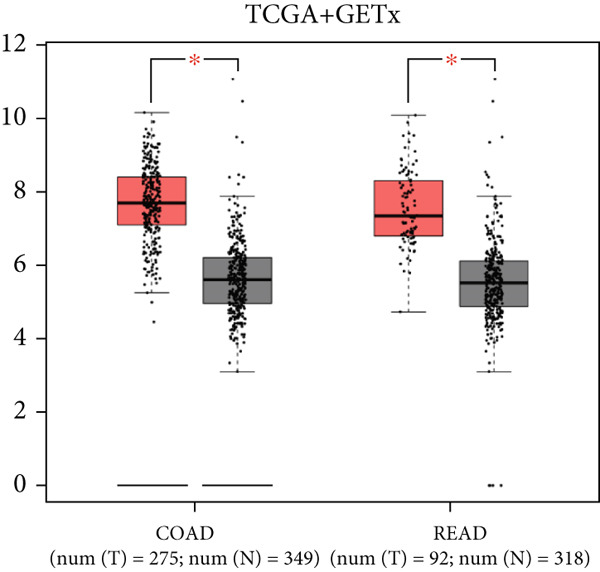 Figure 2
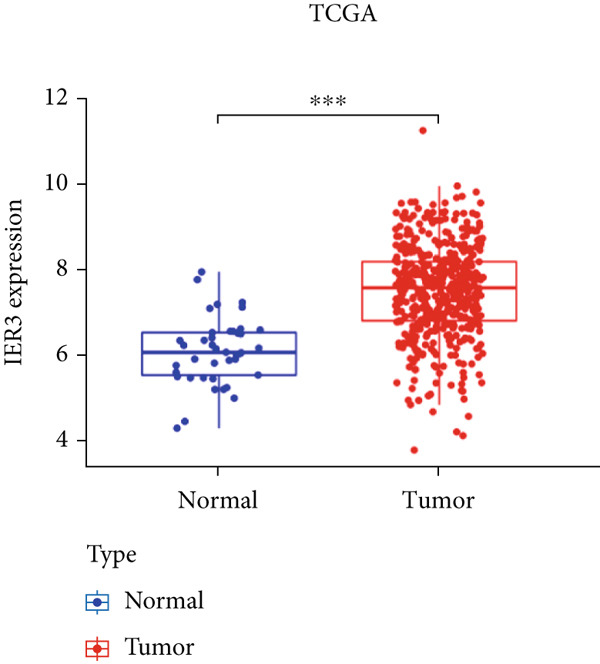 Figure 3
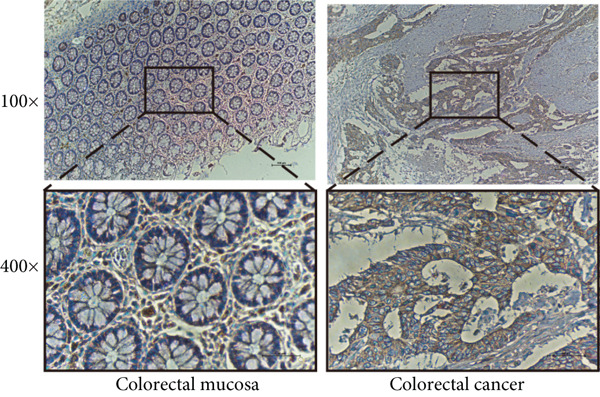 Figure 4
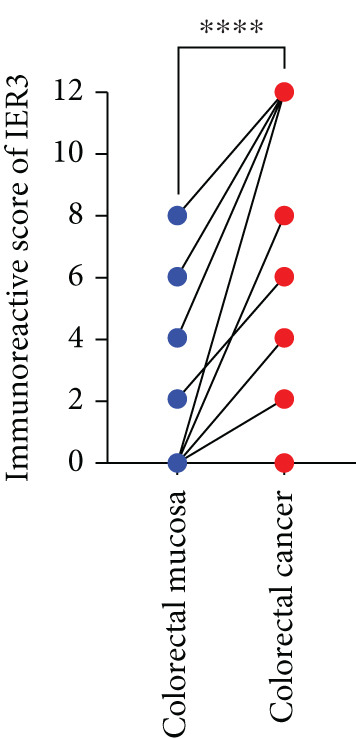 Figure 5
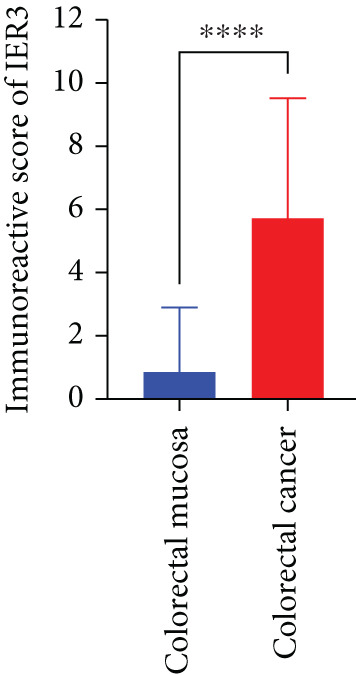 Figure 6
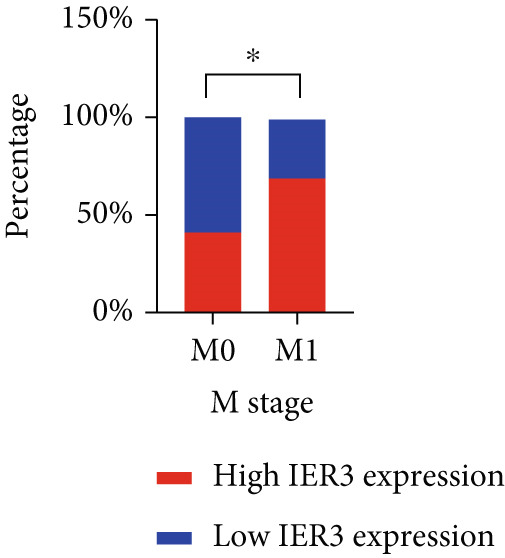 Figure 7
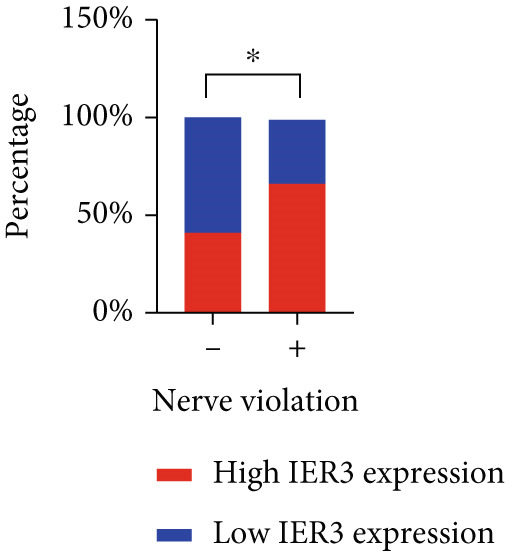 Figure 8
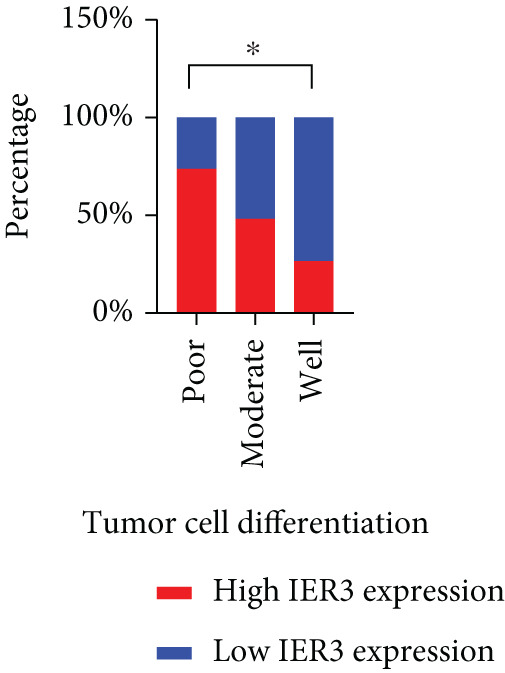 Figure 9
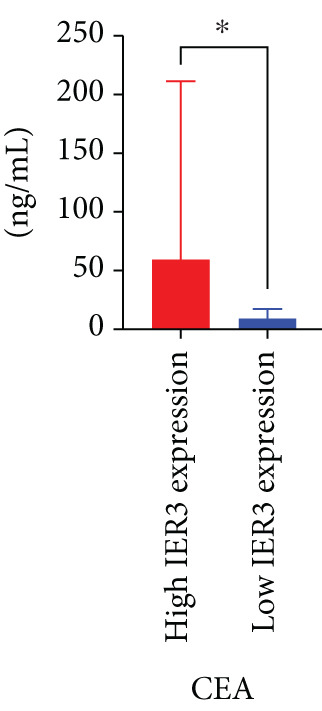 Figure 10
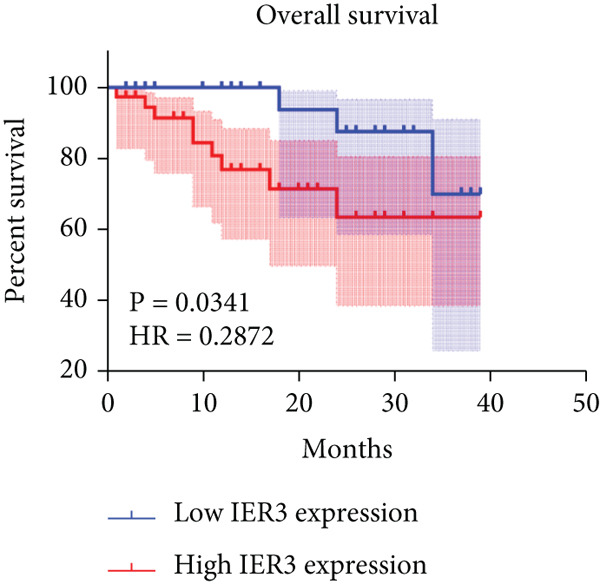 Figure 11
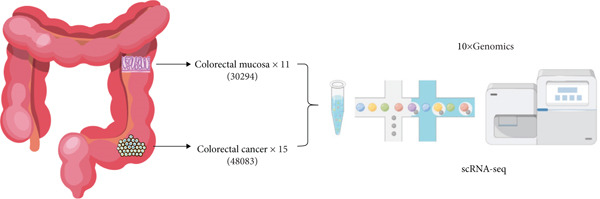 Figure 12
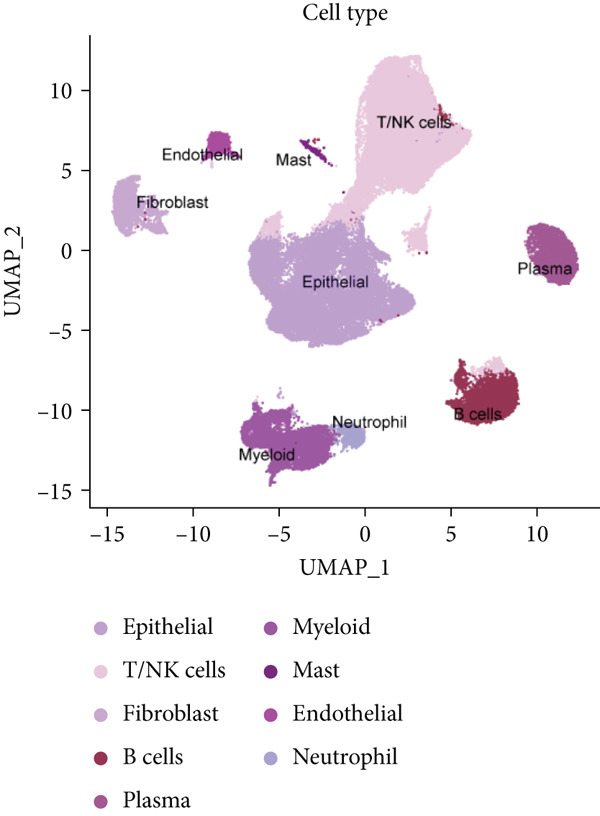 Figure 13
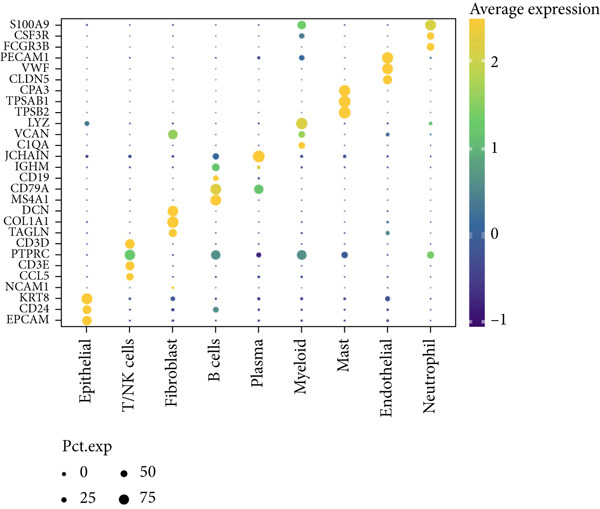 Figure 14
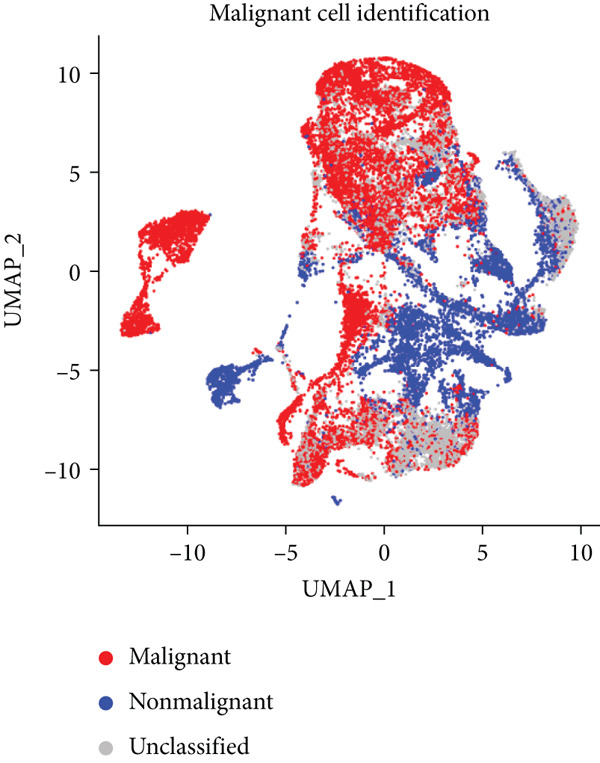 Figure 15
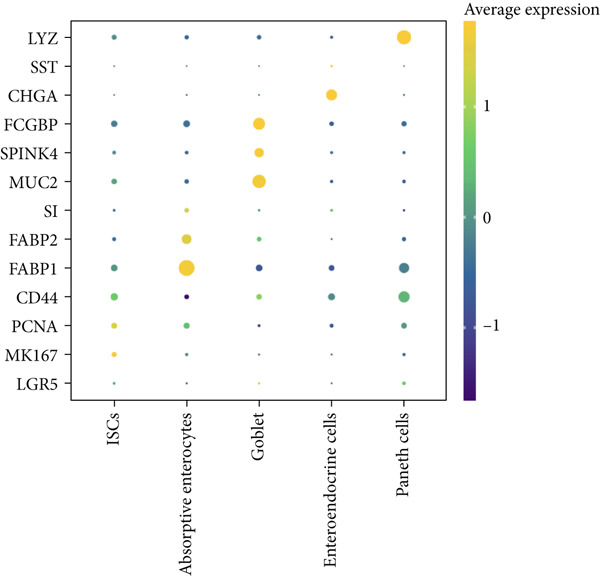 Figure 16
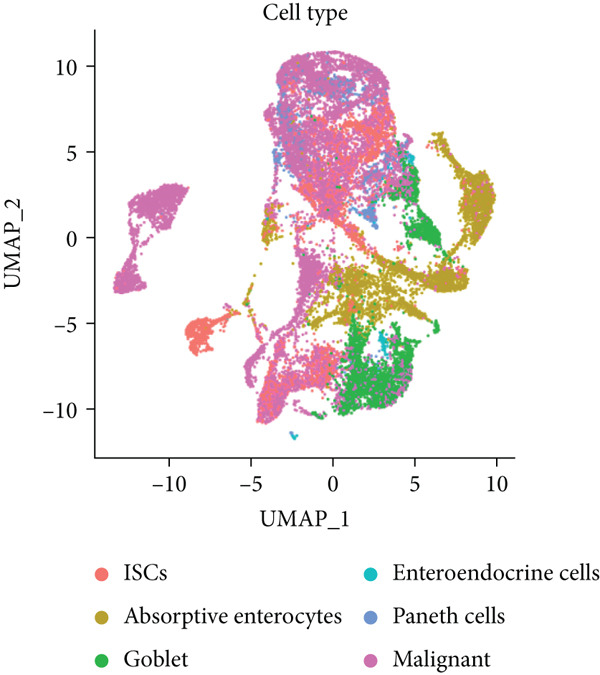 Figure 17
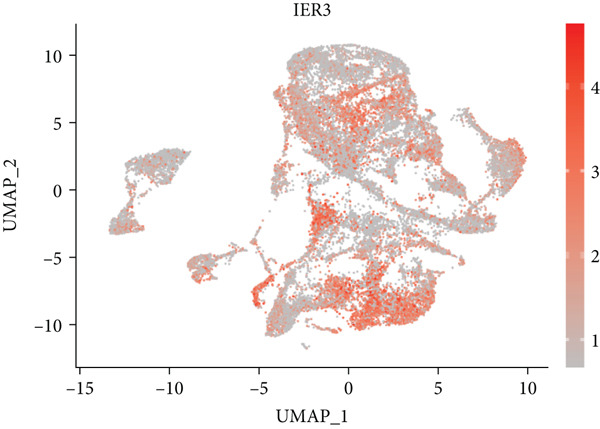 Figure 18
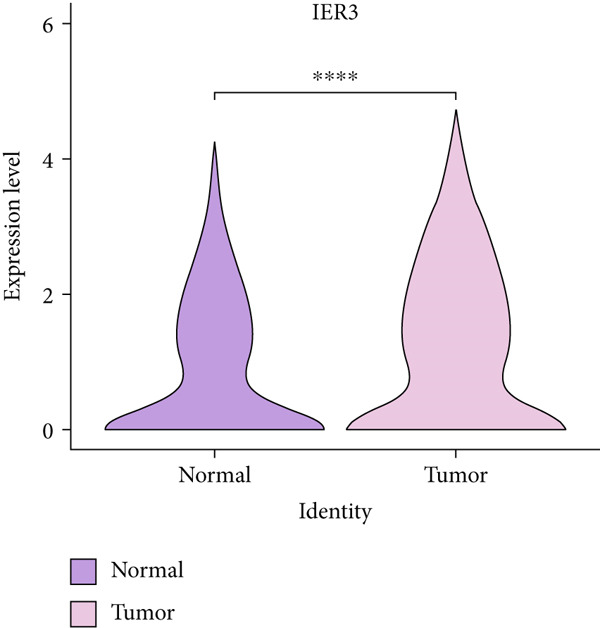 Figure 19
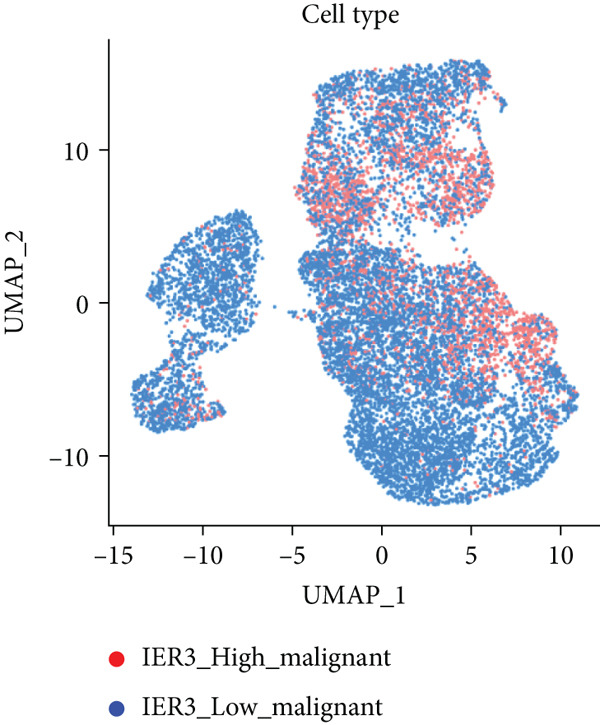 Figure 20
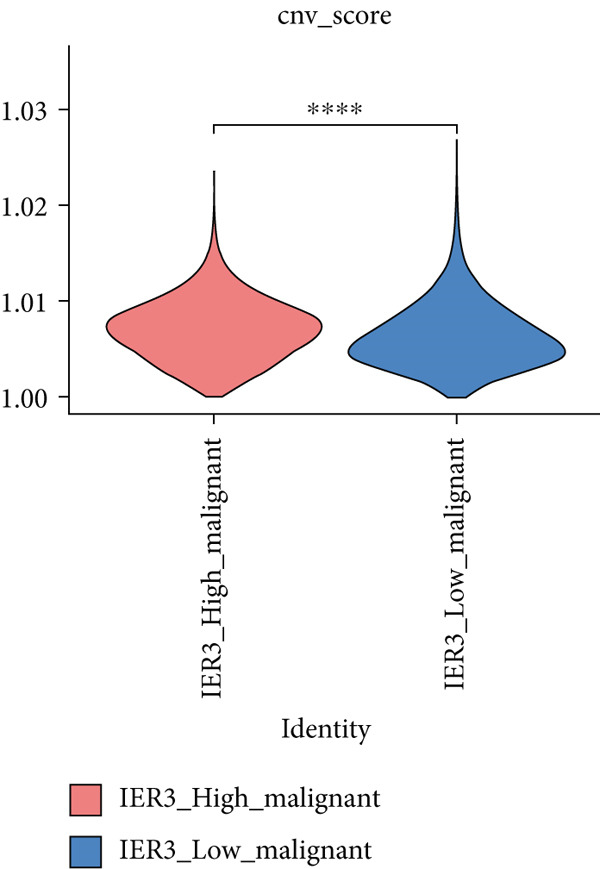 Figure 21
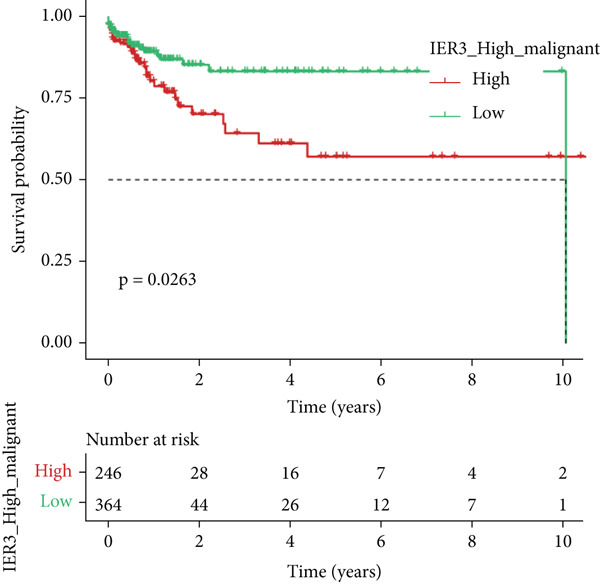 Figure 22
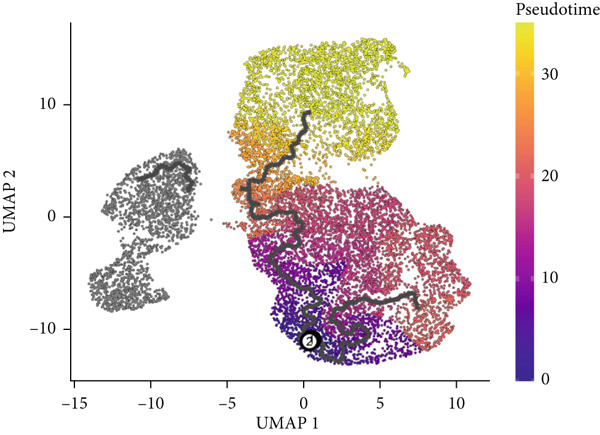 Figure 23
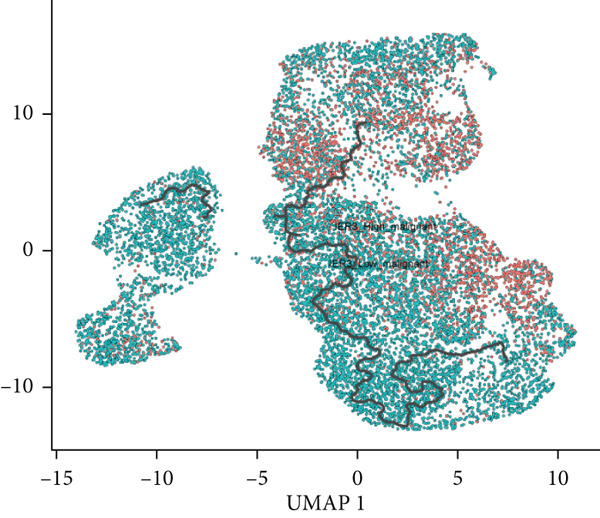 Figure 24
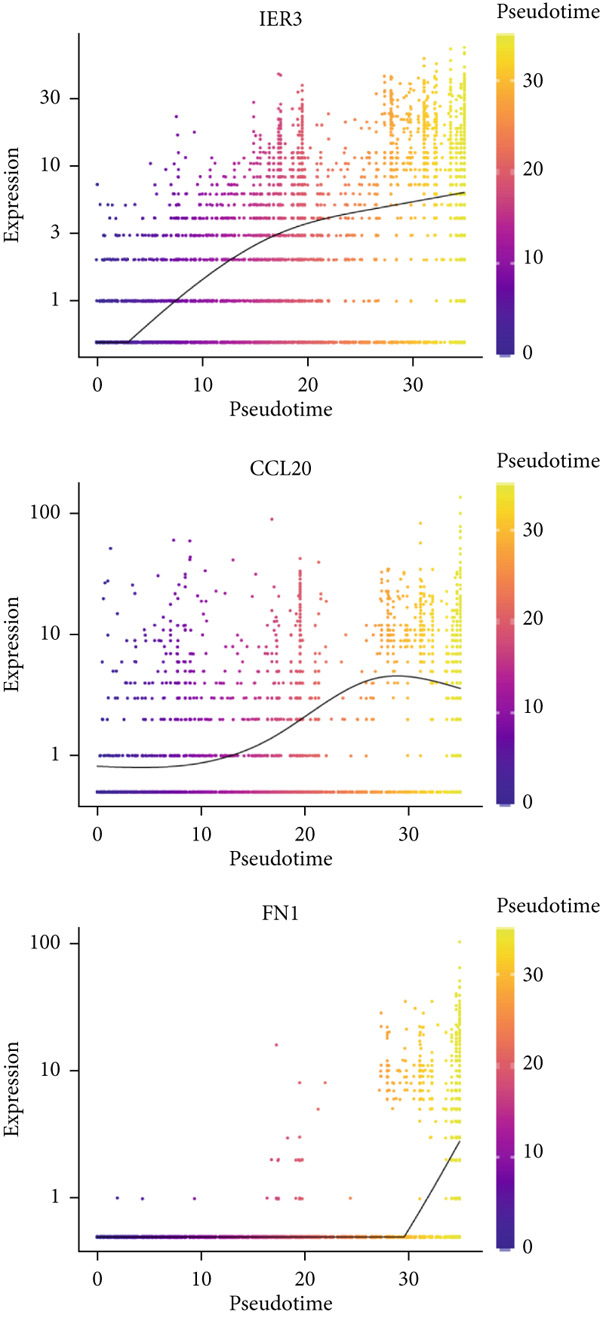 Figure 25
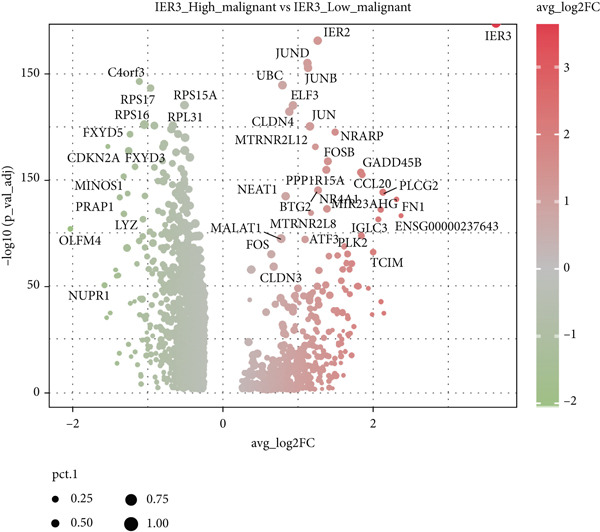 Figure 26
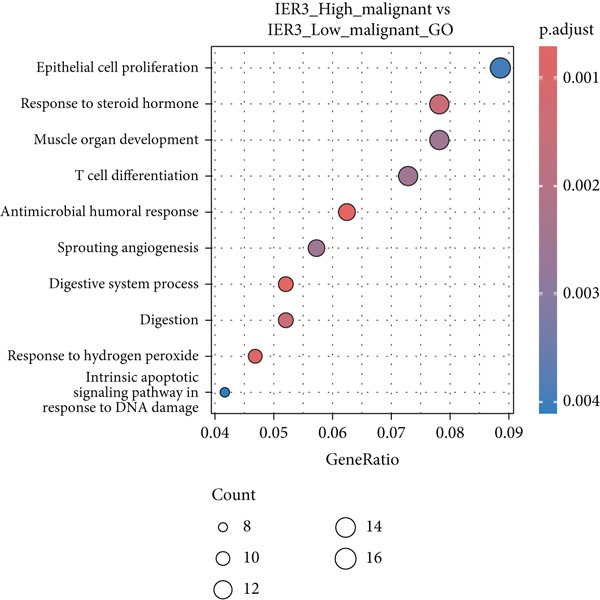 Figure 27
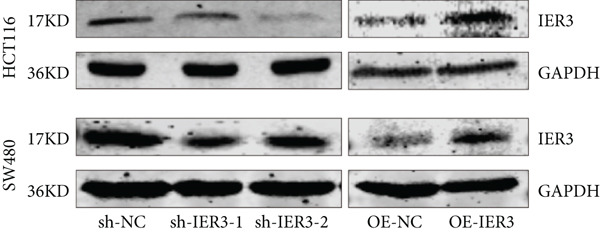 Figure 28
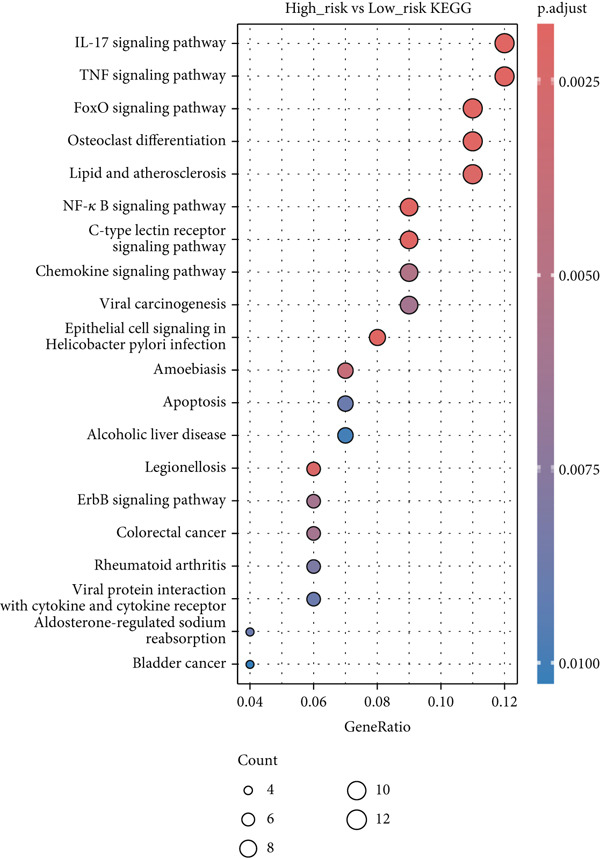 Figure 29
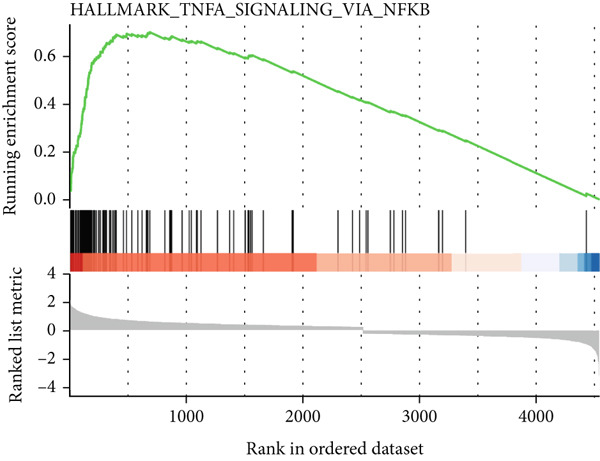 Figure 30
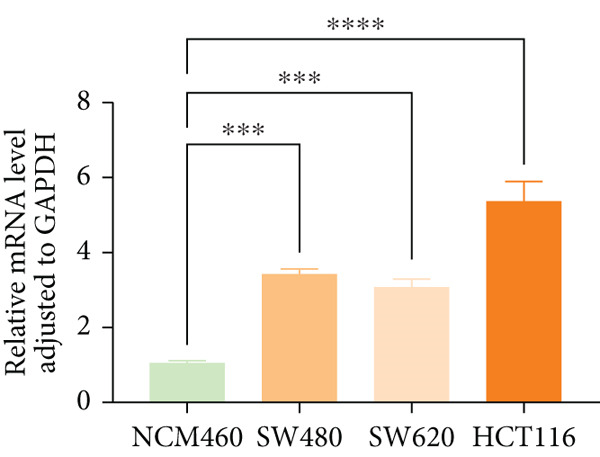 Figure 31
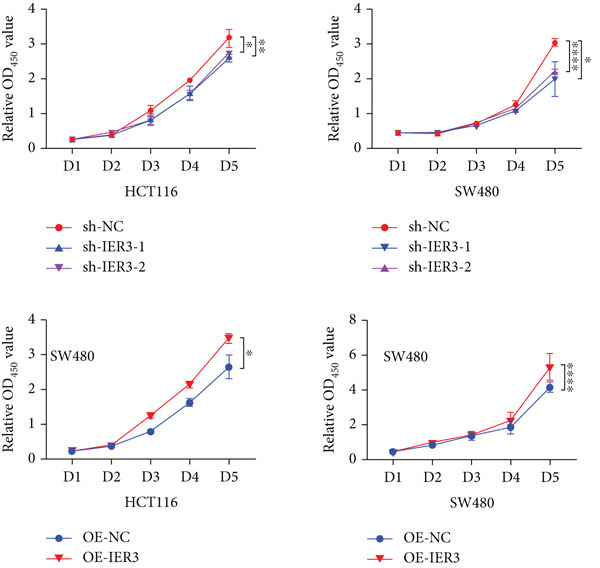 Figure 32
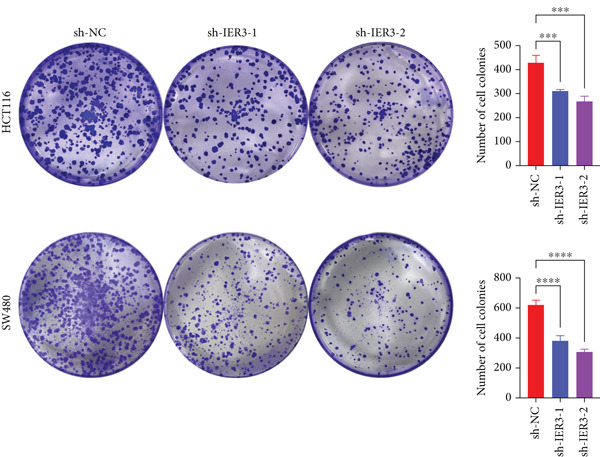 Figure 33
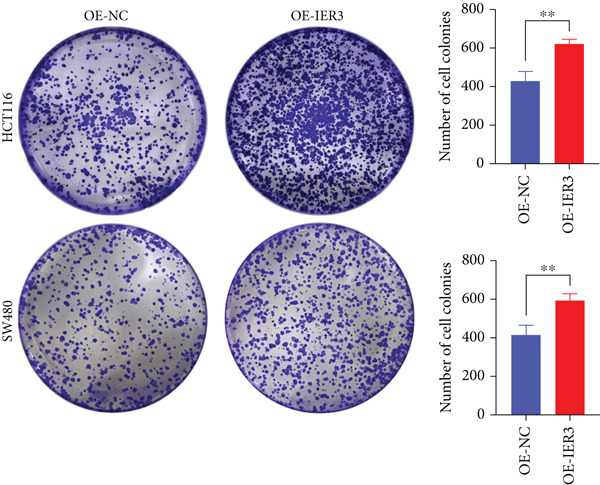 Figure 34
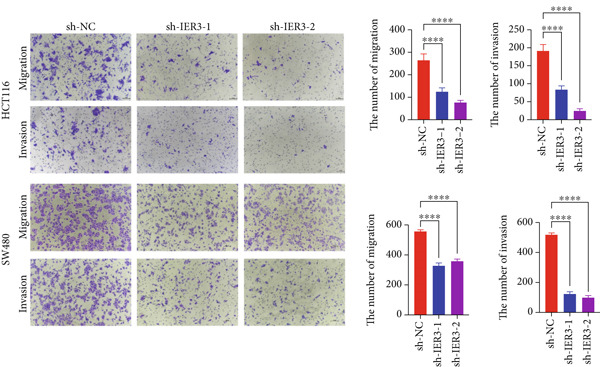 Figure 35
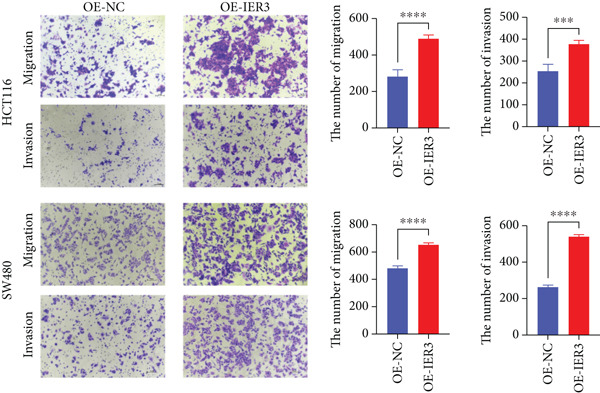 Figure 36
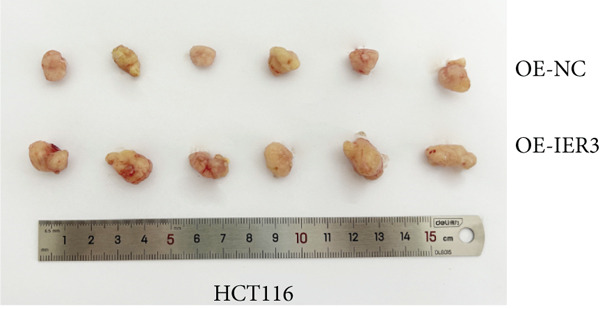 Figure 37
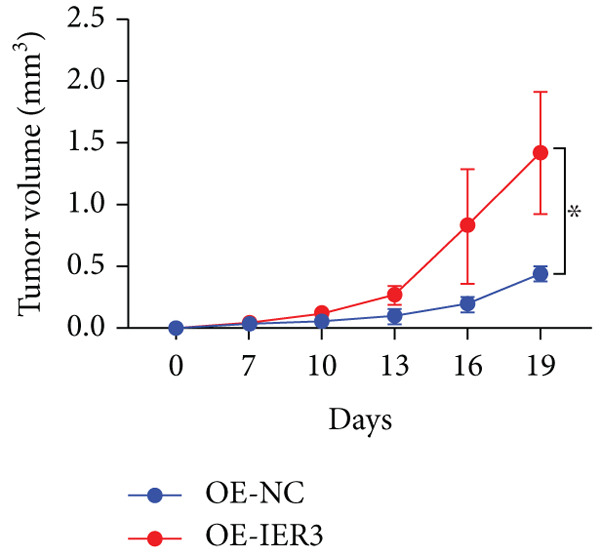 Figure 38
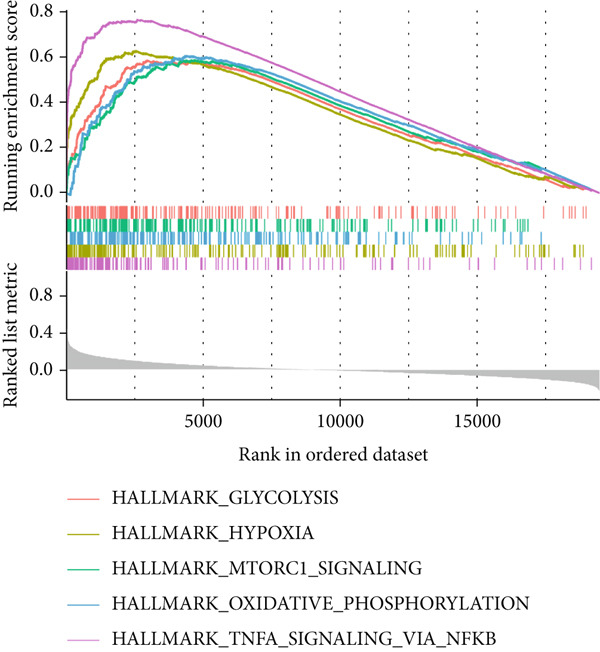 Figure 39
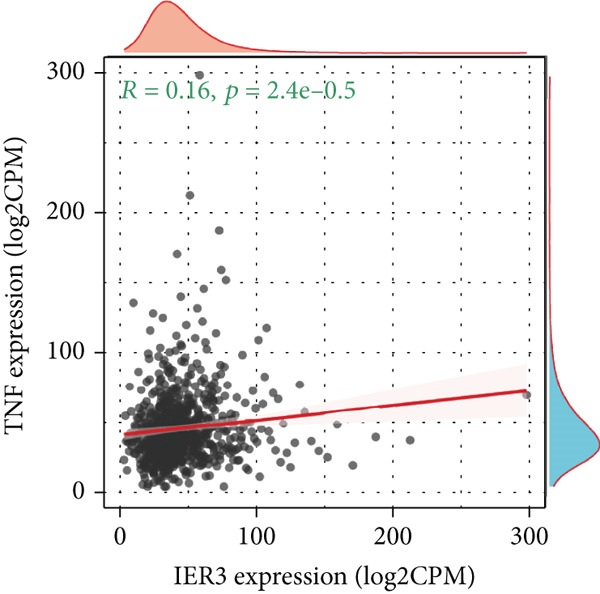 Figure 40
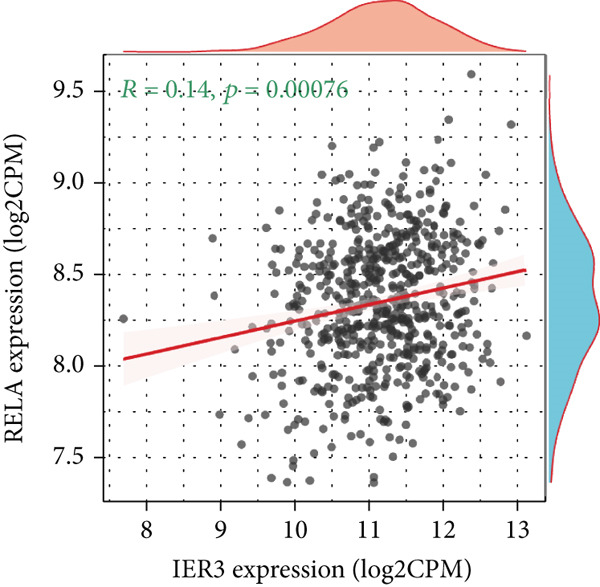 Figure 41
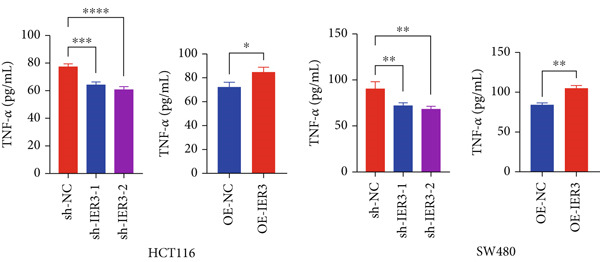 Figure 42
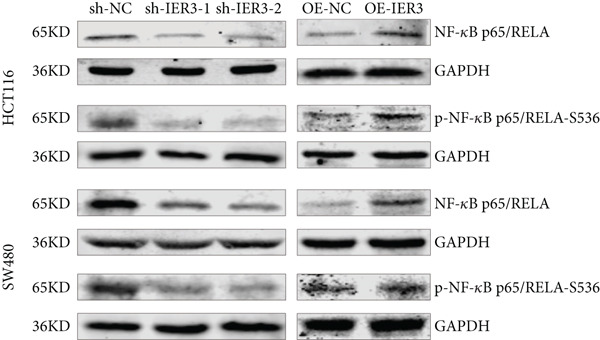 Figure 43
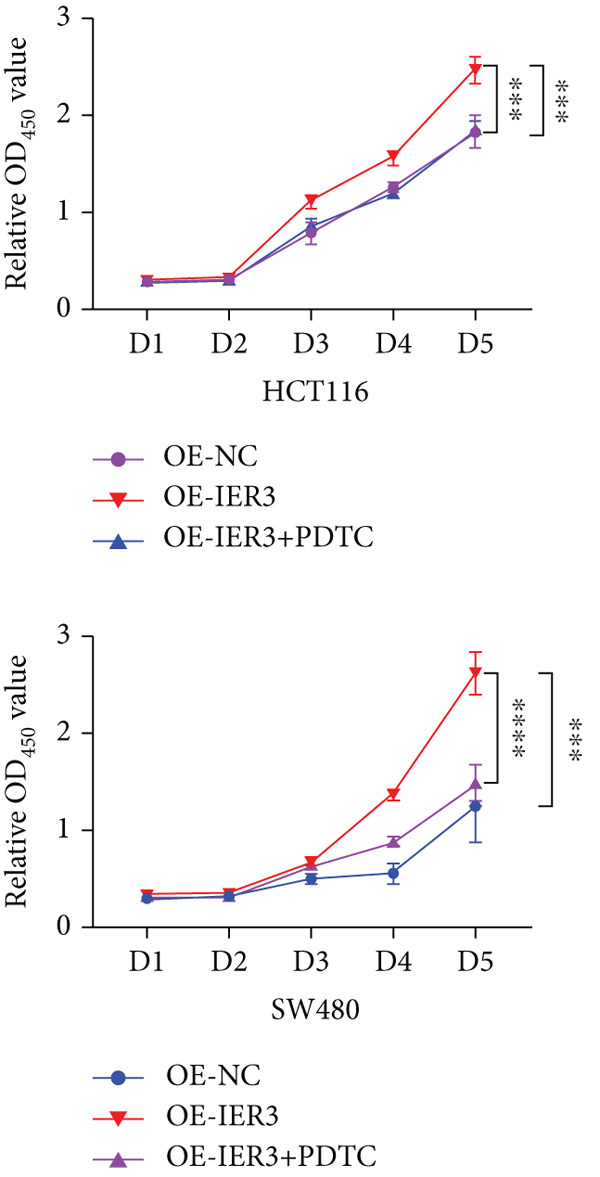 Figure 44
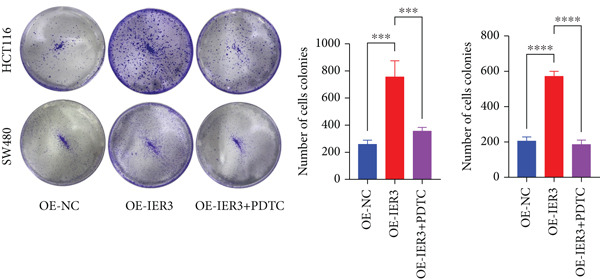 Figure 45
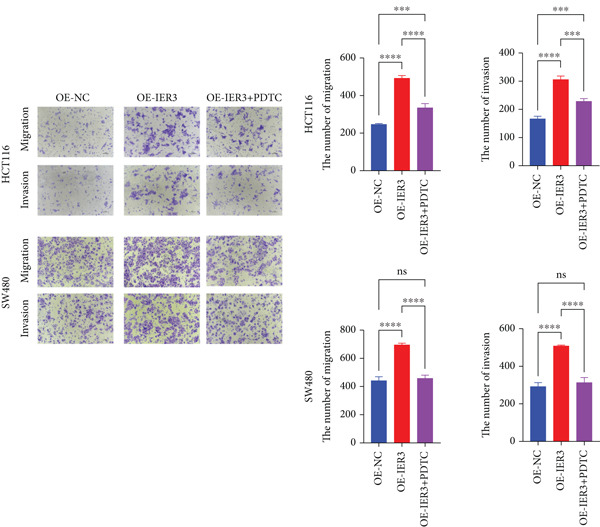 Figure 46
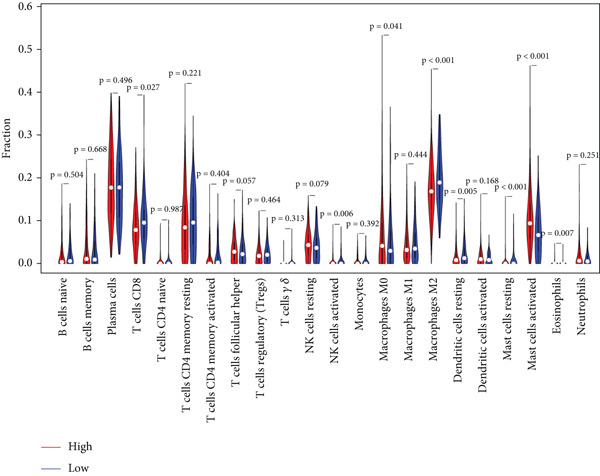 Figure 47
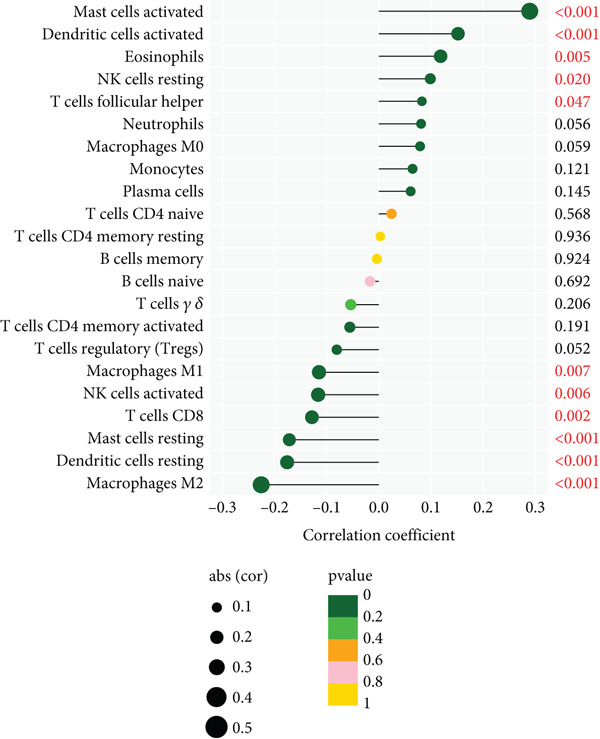 Figure 48
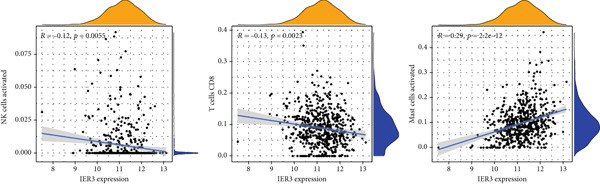 Figure 49
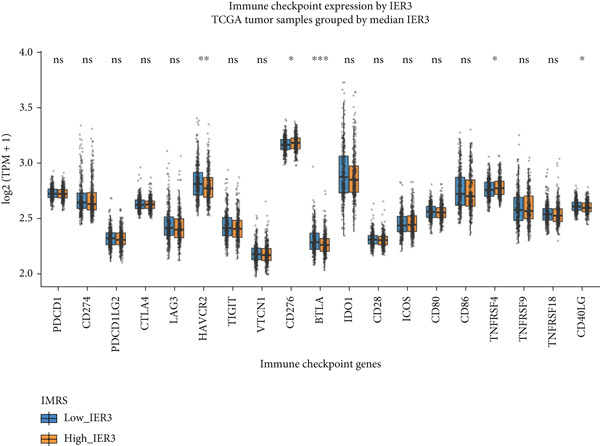 Figure 50
Peer Reviews
No public reviews on file for this paper yet. If you reviewed it on a platform where reviews are public (OpenReview, ICLR, NeurIPS, ICML), you can paste yours below so the community can read it here.
Videos
No videos yet. Explain this paper in a talk, walkthrough, or lecture? Add one.
Taxonomy
TopicsCancer Immunotherapy and Biomarkers · Cancer-related molecular mechanisms research · Ferroptosis and cancer prognosis