Exploiting Paraphaeosphaeria minitans and Its Antifungal Metabolites as Bio‐Fungicides for Eco‐Friendly Management of Head Rot Disease in Cabbage
Meena V. Ruppavalli, Muthusamy Karthikeyan, Iruthayasamy Johnson, Sivaji Jeevanantham, Parthiban V. Kumaresan, Balakrishnan Prithiviraj, Sambasivam Periyannan

TL;DR
A fungus called Paraphaeosphaeria minitans can control cabbage head rot by attacking the pathogen and reducing disease, offering an eco-friendly alternative to chemical fungicides.
Contribution
Identification of P. minitans as a bio-fungicide and its antifungal metabolites for managing cabbage head rot.
Findings
P. minitans TNAU-CM 1 inhibited 78.51% of Sclerotinia sclerotiorum mycelial growth.
Linoleic acid and butyl octyl phthalate showed strong antifungal activity with high binding affinity.
Field trials showed P. minitans reduced disease incidence and achieved comparable cabbage yields to chemical fungicides.
Abstract
Cabbage head rot, caused by Sclerotinia sclerotiorum, threatens crop yield and quality. Among the 21 mycoparasitic fungi isolated from sclerotia, dormant structure and primary sources of inoculum for the pathogen, the strongest antagonism (78.51% mycelial growth inhibition) was observed in Paraphaeosphaeria minitans strain TNAU‐CM 1. Scanning electron microscopy (SEM) revealed its destructive colonisation, including pycnidia and pycnidiospore formation, with visible shrinkage and deformation of sclerotia. Gas chromatography–mass spectrometry (GC–MS) analysis identified 24 bioactive metabolites at the point of interactions between P. minitans TNAU‐CM 1 and S. sclerotiorum TNAU‐SS‐5 strains in dual‐culture assays. Further, crude metabolites from P. minitans TNAU‐CM 1 cultures inhibited the pathogen's mycelial growth by 54.4% at 100 ppm. In the molecular docking of 14 key compounds,…
Genes, proteins, chemicals, diseases, species, mutations and cell lines named across the full text — each resolved to its canonical identifier and authoritative record.
Click any figure to enlarge with its caption.
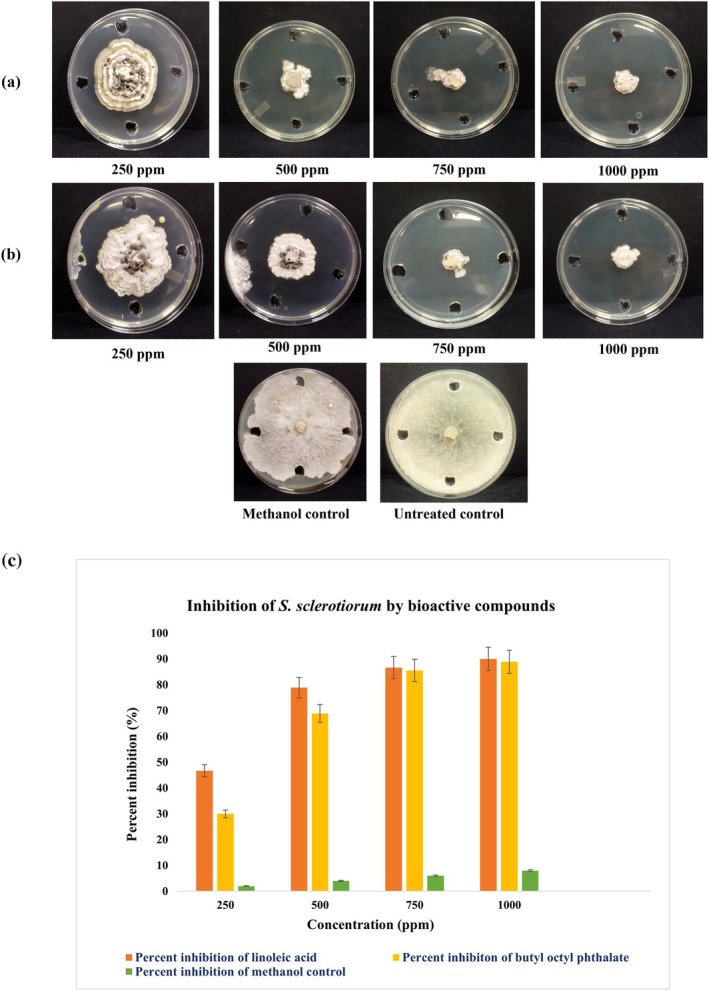 Figure 1
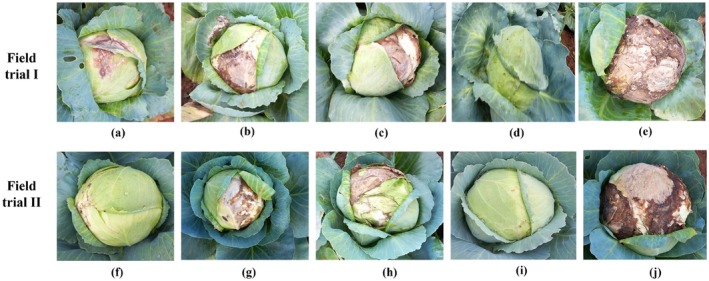 Figure 2
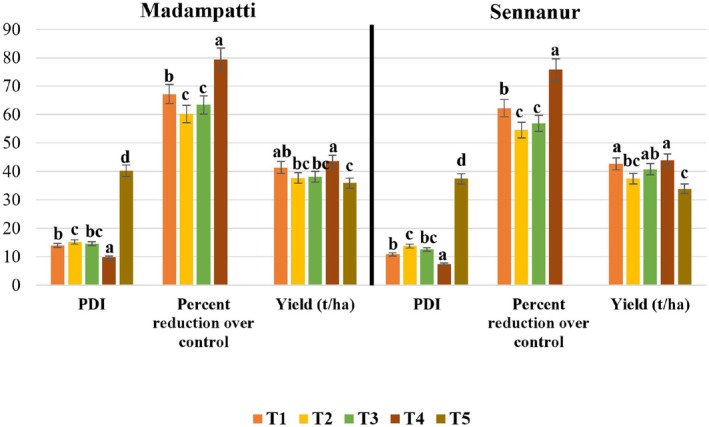 Figure 3
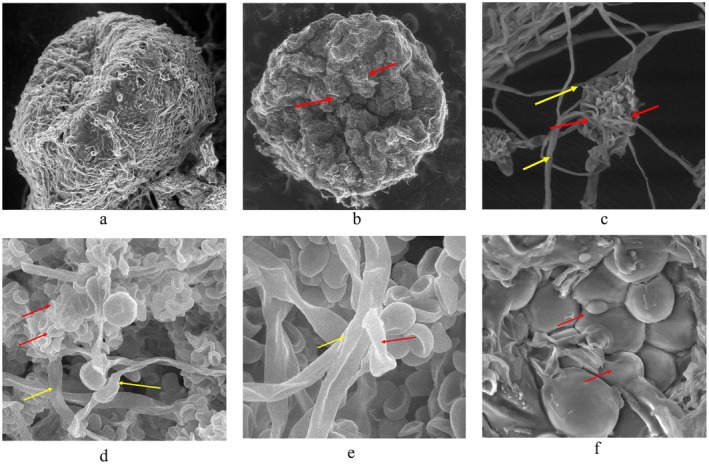 Figure 4
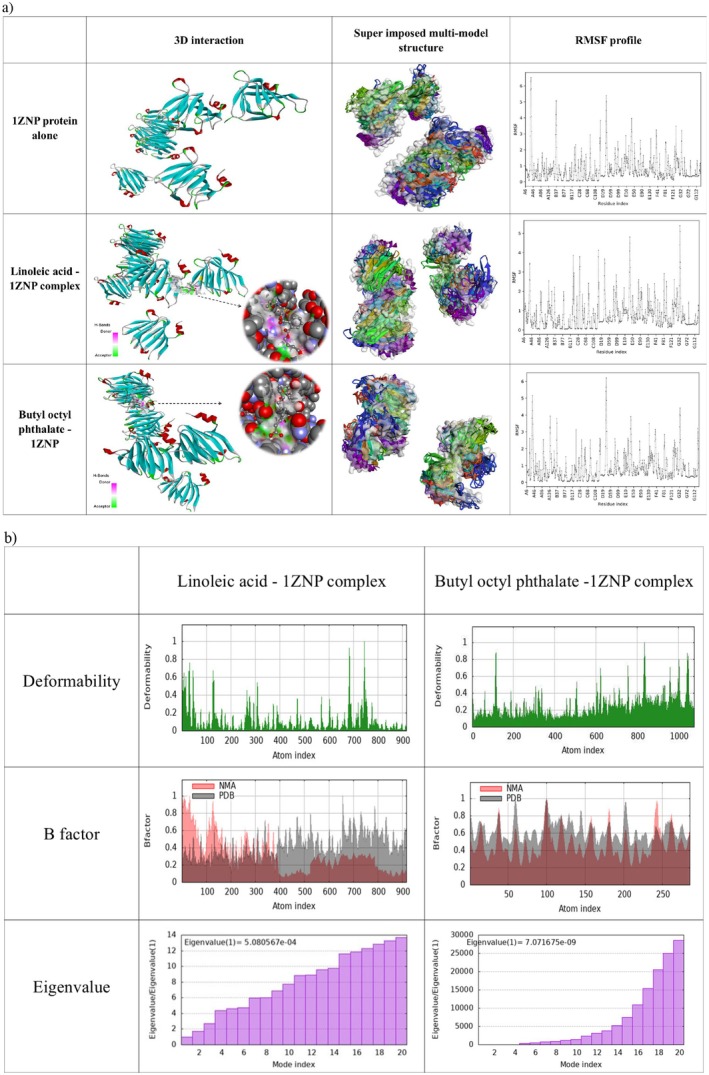 Figure 5
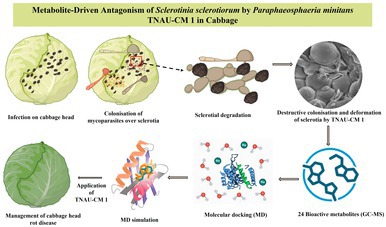 Figure 6
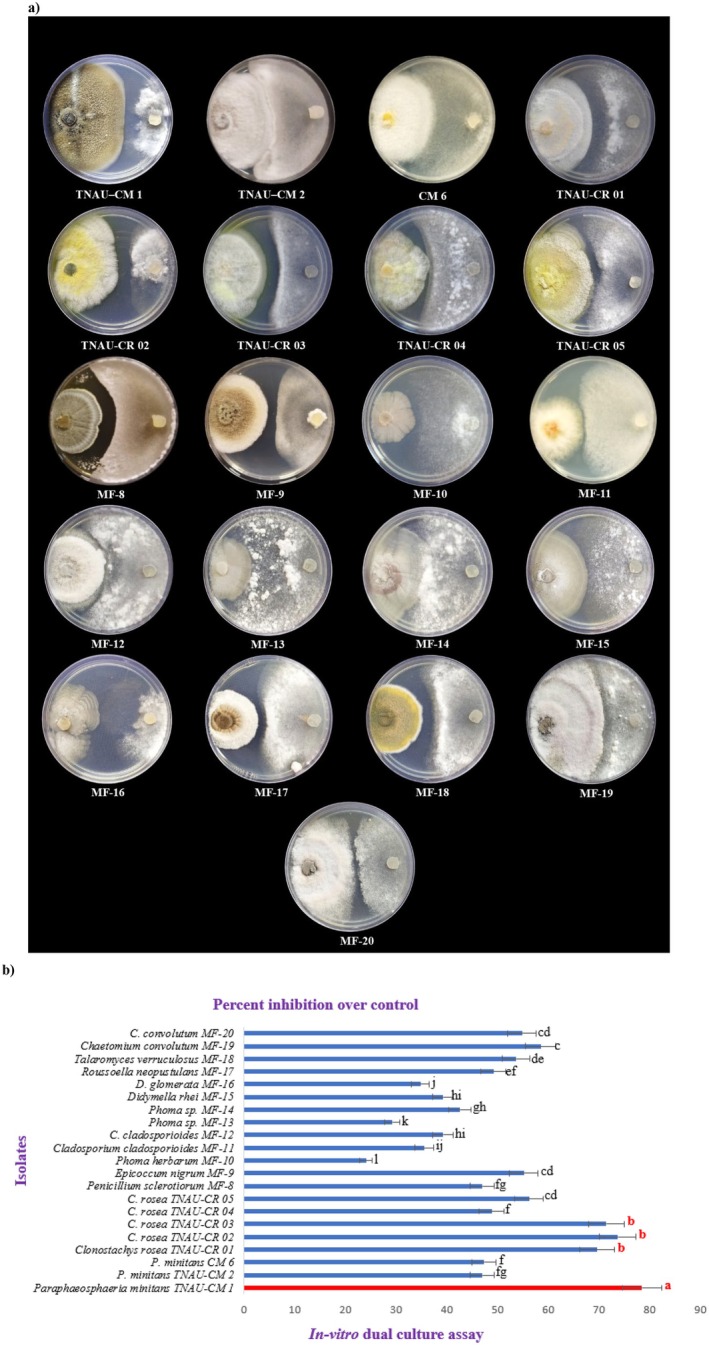 Figure 7
Peer Reviews
No public reviews on file for this paper yet. If you reviewed it on a platform where reviews are public (OpenReview, ICLR, NeurIPS, ICML), you can paste yours below so the community can read it here.
Videos
No videos yet. Explain this paper in a talk, walkthrough, or lecture? Add one.
Taxonomy
TopicsPlant-Microbe Interactions and Immunity · Plant pathogens and resistance mechanisms · Fungal Plant Pathogen Control