The Analgesic Enhancing Effects of Coupling M1 and PMC rTMS on Neuropathic Pain After Spinal Cord Injury: An fNIRS Study
Xiangbo Wu, Mulan Xu, Wei Sun, Xiaodong Lin, Baijie Xue, Fen Ju, Tao Han, Xinyu Liu, Chenguang Zhao, Xiaolong Sun, Hua Yuan

TL;DR
Combining rTMS on the motor cortex and premotor cortex improves pain relief for neuropathic pain after spinal cord injury more than using the motor cortex alone.
Contribution
Demonstrates that coupling M1 and PMC rTMS provides greater analgesic effects than M1 rTMS alone for post-SCI neuropathic pain.
Findings
The M1 + PMC group showed the most significant reduction in pain intensity compared to the M1 and sham groups.
Left PMC oxyhemoglobin concentration changes correlated with pain improvement in NRS and SF-MPQ2 scores.
Pain relief in the M1 + PMC group lasted from Weeks 1 to 6 with inhibited left M1 and PMC activation.
Abstract
Repetitive transcranial magnetic stimulation (rTMS) of the left primary motor cortex (M1) shows promise for treating neuropathic pain (NP) after spinal cord injury (SCI), but its efficacy remains limited. This study investigated whether combining rTMS on M1 with premotor cortex (PMC) could improve pain relief in SCI patients with NP. Thirty‐nine subjects with NP post‐SCI were randomly assigned to three groups: M1 + PMC (10‐Hz rTMS on left M1 and PMC), M1 (10‐Hz rTMS on left M1), and sham. They underwent daily rTMS sessions for 4 weeks with 2 days off each week. Pain was assessed using the numerical rating scale (NRS) and the Short‐Form McGill Pain Questionnaire‐2 (SF‐MPQ2). Functional near‐infrared spectroscopy (fNIRS) measured activations in bilateral M1, PMC, and primary somatosensory cortex (S1) during a handgrip task. Pain intensity gradually declined in the M1 + PMC, M1, and sham…
Genes, proteins, chemicals, diseases, species, mutations and cell lines named across the full text — each resolved to its canonical identifier and authoritative record.
Click any figure to enlarge with its caption.
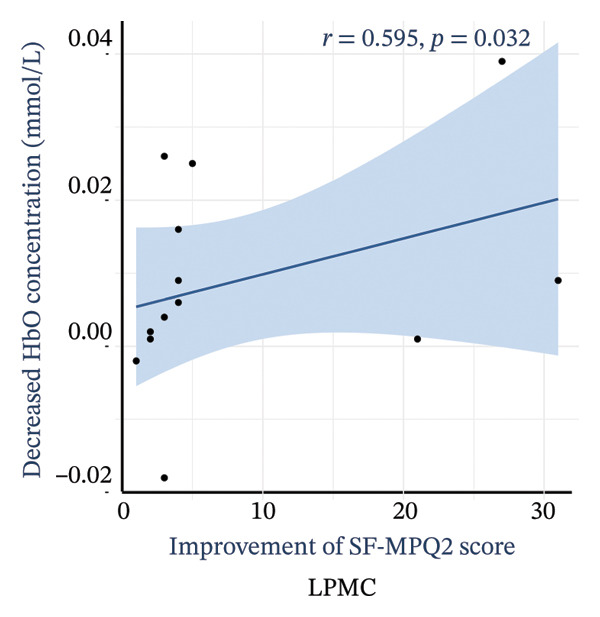 Figure 1
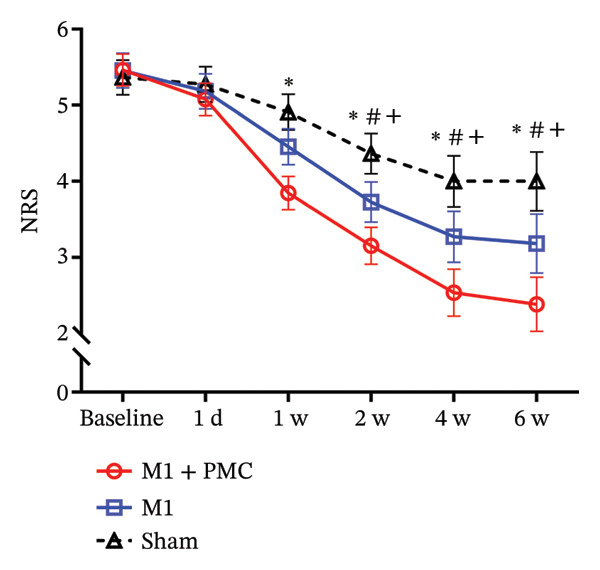 Figure 2
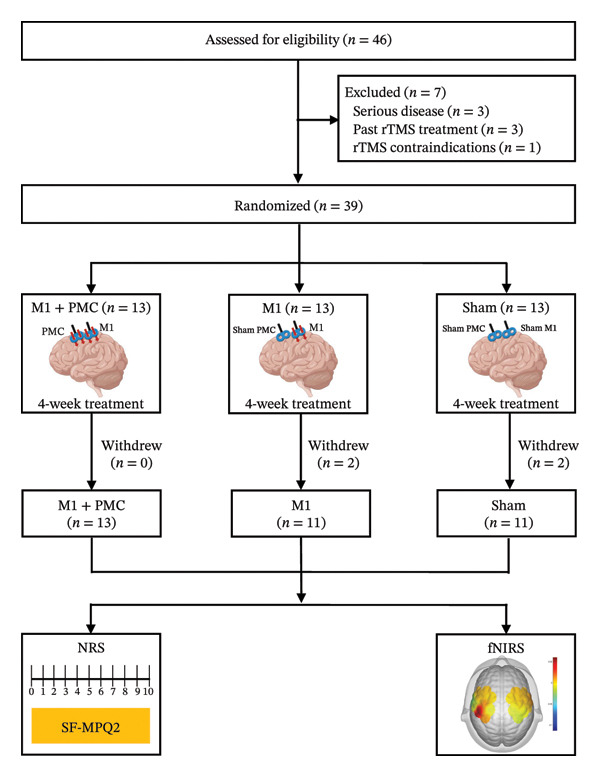 Figure 3
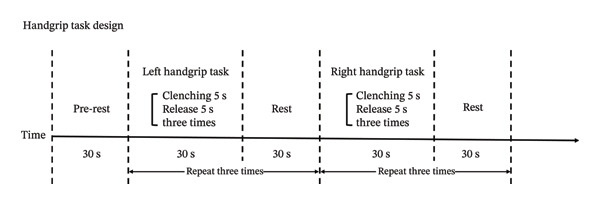 Figure 4
 Figure 5
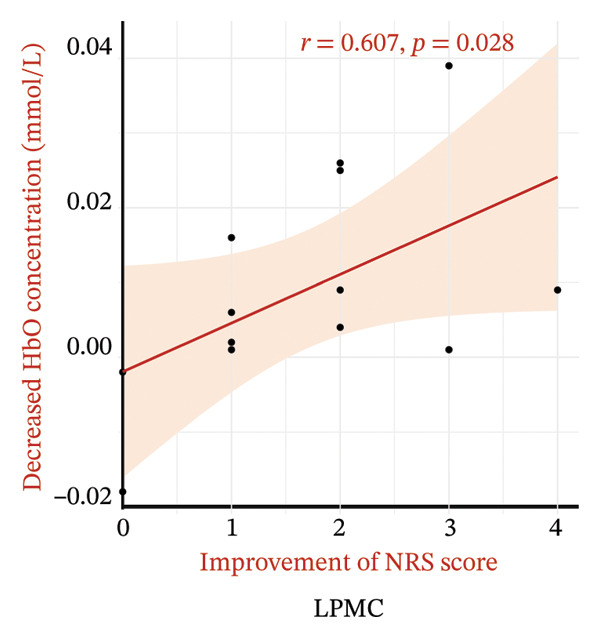 Figure 6
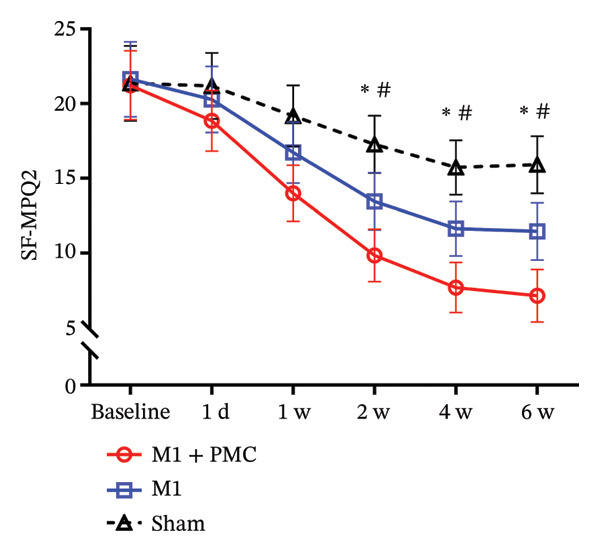 Figure 7
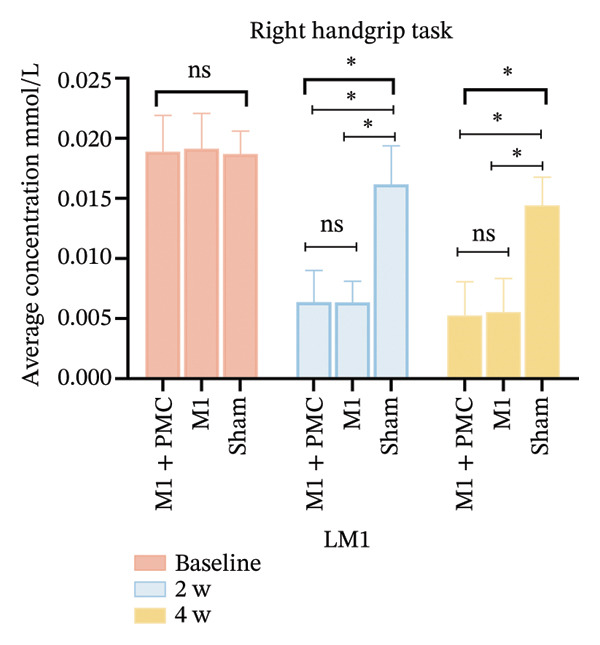 Figure 8
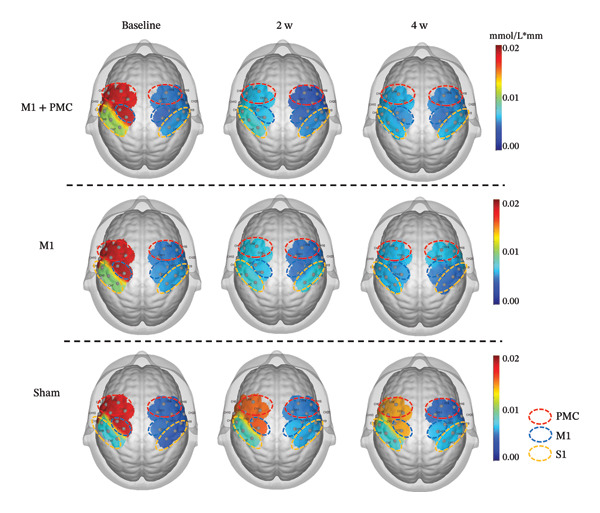 Figure 9
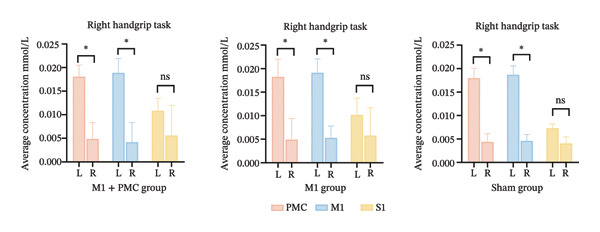 Figure 10
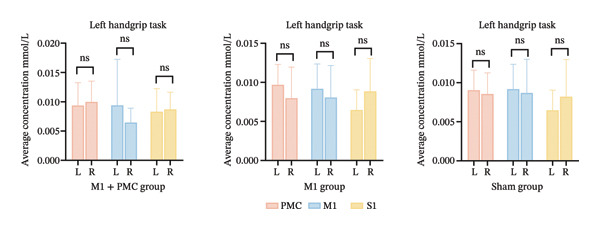 Figure 11
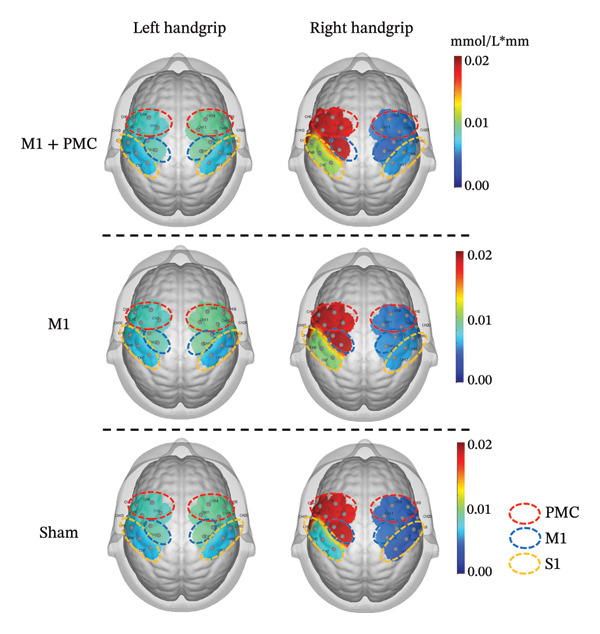 Figure 12
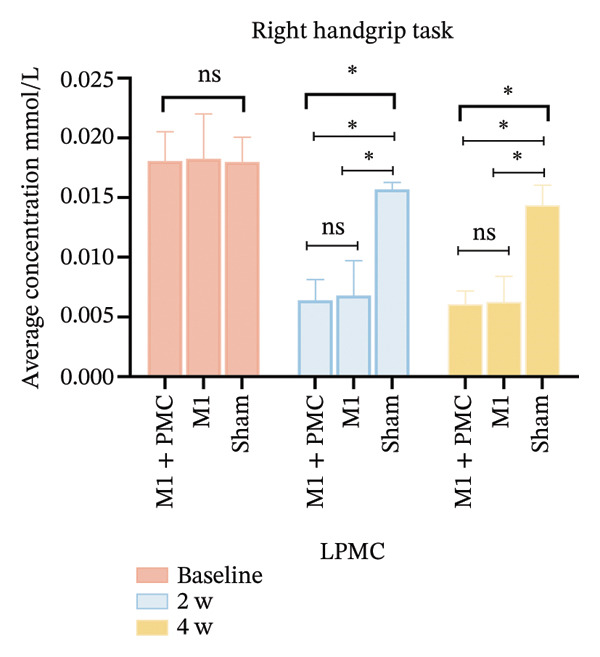 Figure 13
Peer Reviews
No public reviews on file for this paper yet. If you reviewed it on a platform where reviews are public (OpenReview, ICLR, NeurIPS, ICML), you can paste yours below so the community can read it here.
Videos
No videos yet. Explain this paper in a talk, walkthrough, or lecture? Add one.
Taxonomy
TopicsTranscranial Magnetic Stimulation Studies · Pain Management and Treatment · Spinal Cord Injury Research