Pathogenic variation in human DNA damage repair genes was originated from the evolutionary process of modern humans
Jiaheng Li, Bojin Zhao, Zixin Qin, Si Hoi Kou, Jia Sheng Chian, Fengxia Xiao, Huijun Lei, Stephanie Andaluz, Jun He, Siddharth Sinha, Xiaowei Mao, San Ming Wang

TL;DR
This study shows that harmful genetic variations in DNA repair genes in modern humans originated during recent human evolution, not from other species.
Contribution
The study identifies the evolutionary origin of pathogenic DNA repair gene variants in modern humans using ancient DNA data.
Findings
Pathogenic DDR variants are shared between modern and ancient humans, especially in non-Africans after the Out-of-Africa migration.
Human admixture helped spread DDR pathogenic variants globally, as seen in the Portuguese BRCA founder variant in Brazil.
Haplotyping and heterozygosity patterns support a recent origin of DDR pathogenic variants in human evolutionary history.
Abstract
DNA damage repair (DDR) genes play critical roles in maintaining genome stability. However, they are prone to genetic variation, of which pathogenic variation (PV) is a predisposing factor for high risk of cancer development in modern humans. Knowing the origin of DDR PV is critical for understanding the genetic basis and developing strategies against cancer risk for modern humans. So far, there is no consensus on the original sources of DDR PV in modern humans. We performed phylogenic analysis, and the results ruled out non-human species as the original source for the PV in modern humans through evolutionary conservation. We performed anthropological analyses by tracing the PV from modern humans in over 5000 ancient humans spanning the past 40,000 years. We observed a widespread distribution of DDR PV shared between modern and ancient humans. The shared DDR PV was predominantly found…
Genes, proteins, chemicals, diseases, species, mutations and cell lines named across the full text — each resolved to its canonical identifier and authoritative record.
Click any figure to enlarge with its caption.
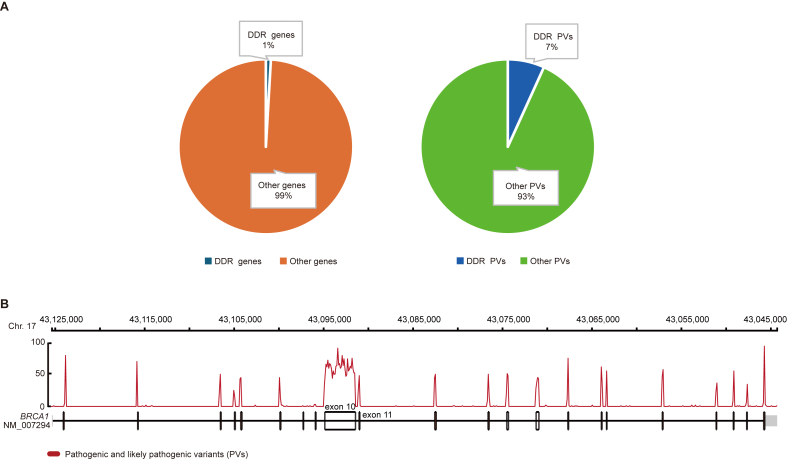 Figure 1
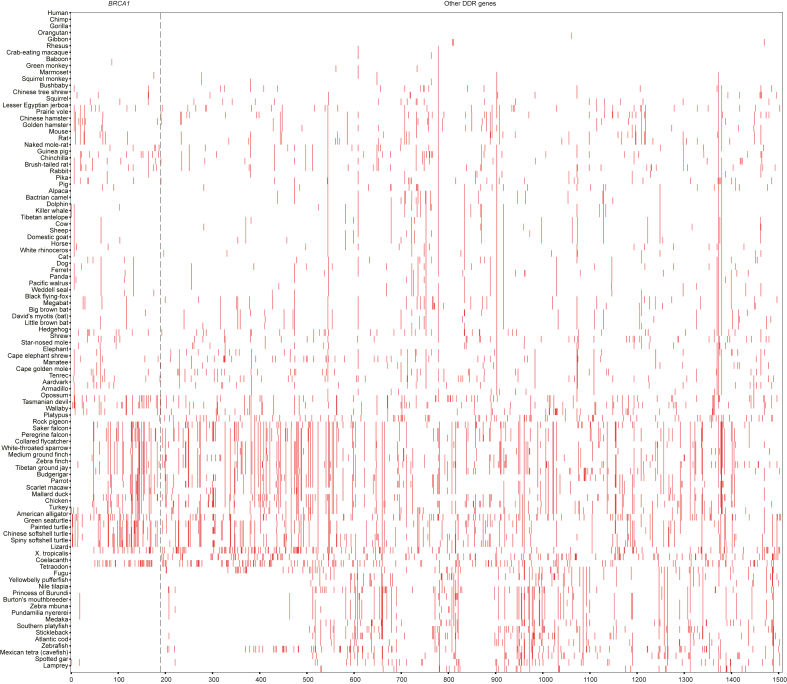 Figure 2
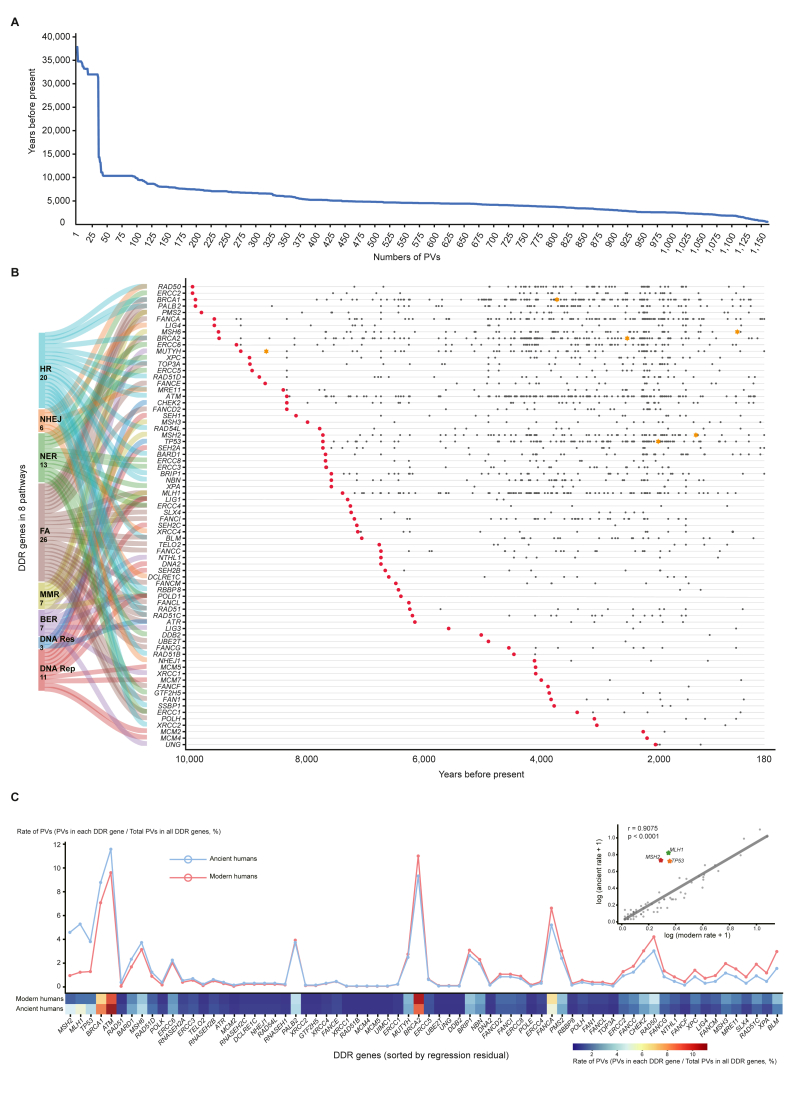 Figure 3
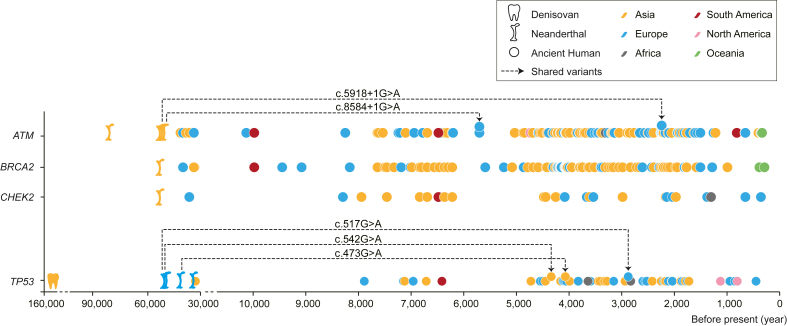 Figure 4
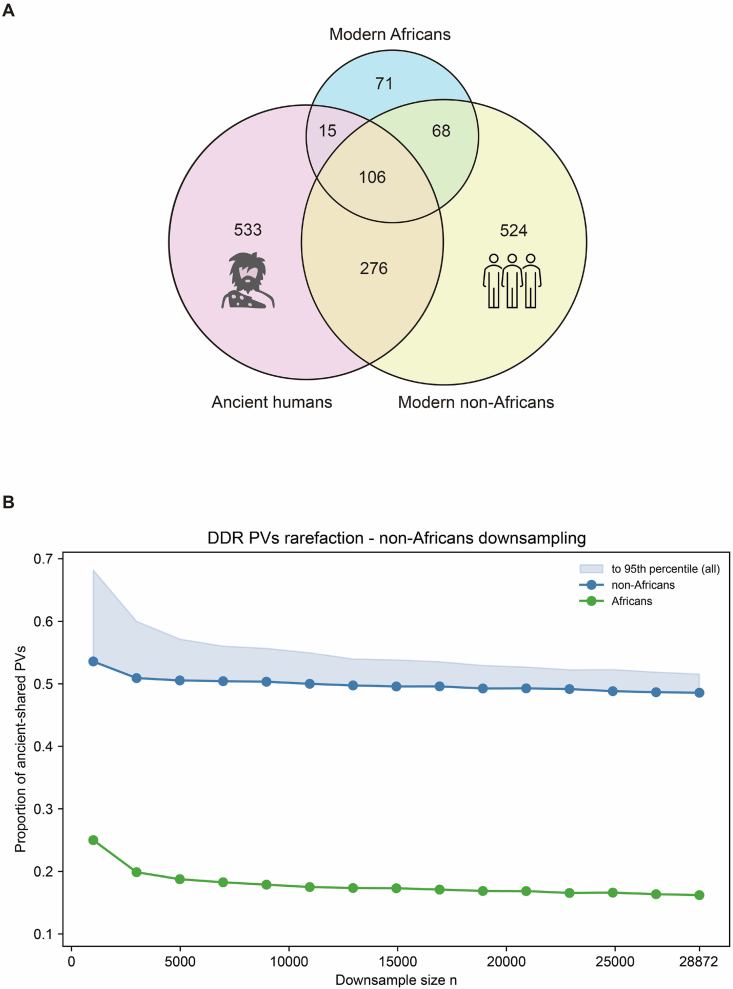 Figure 5
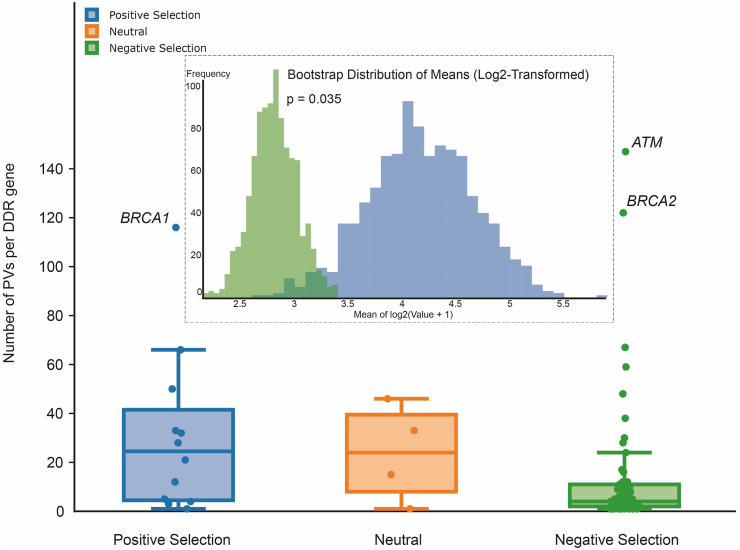 Figure 6
Peer Reviews
No public reviews on file for this paper yet. If you reviewed it on a platform where reviews are public (OpenReview, ICLR, NeurIPS, ICML), you can paste yours below so the community can read it here.
Videos
No videos yet. Explain this paper in a talk, walkthrough, or lecture? Add one.
Taxonomy
TopicsDNA Repair Mechanisms · Genetic factors in colorectal cancer · BRCA gene mutations in cancer