Peripheral Facial Nerve Palsy due to Spontaneous Internal Carotid Artery Dissection
Benjamin Dejakum, Michael Knoflach, Stefan Kiechl, Lukas Mayer-Suess

TL;DR
A rare case of facial nerve palsy was linked to a spontaneous carotid artery dissection, highlighting the need for vascular imaging in such cases.
Contribution
This case report identifies hypoperfusion as a novel cause of facial nerve palsy in spontaneous carotid artery dissection.
Findings
Facial nerve palsy can result from hypoperfusion of the vasa nervorum in sCeAD.
Lower cranial nerve palsies are typically caused by mass effect from mural hematomas in sCeAD.
Vascular imaging is crucial for identifying sCeAD in patients with peripheral facial nerve palsy.
Abstract
A man in his 50s experienced novel, continuous, and progressive headache and neck pain prior to the onset of left‐sided peripheral facial nerve palsy. Sequential palsies of left lower Cranial Nerves IX and XII followed. Imaging showed spontaneous cervical artery dissection (sCeAD) of the ipsilateral internal carotid artery. Lower cranial nerve palsies in sCeAD are a frequent result of a local mass effect exerted by the formation of a mural hematoma. The only close topographical relationship between the facial nerve and the internal carotid artery is within the petrous part of the temporal bone but still separated in two different bony canals (facial canal and carotid canal). Thus, a mural hematoma of an internal carotid artery dissection could not cause compression of the facial nerve. In the rare case of facial nerve palsy due to sCeAD, hypoperfusion of the vasa nervorum is the most…
Genes, proteins, chemicals, diseases, species, mutations and cell lines named across the full text — each resolved to its canonical identifier and authoritative record.
Click any figure to enlarge with its caption.
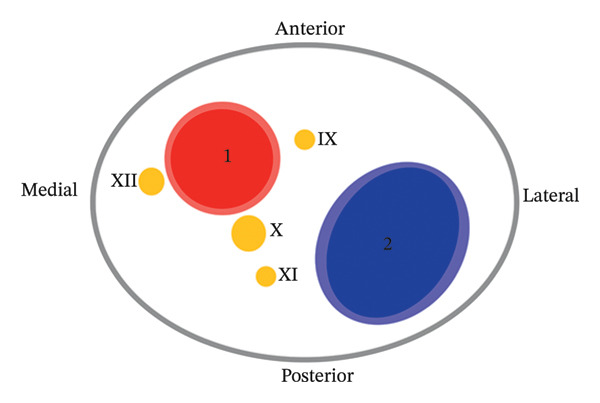 Figure 1
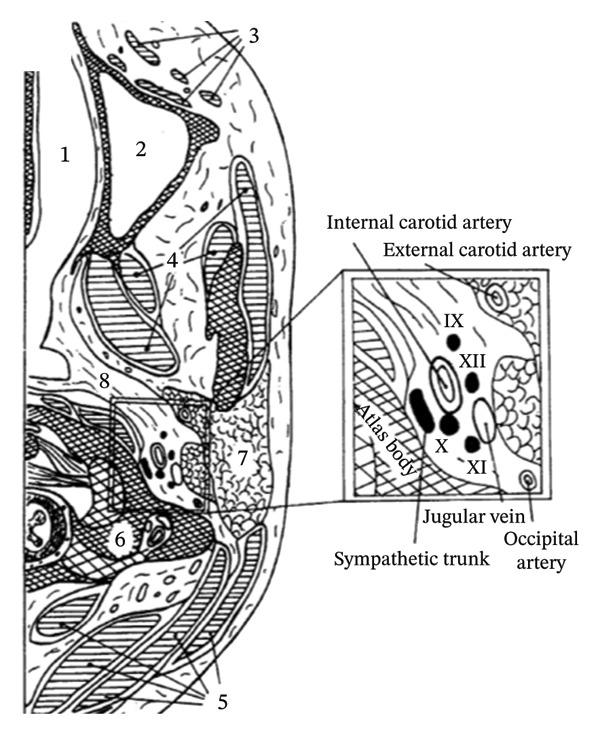 Figure 2
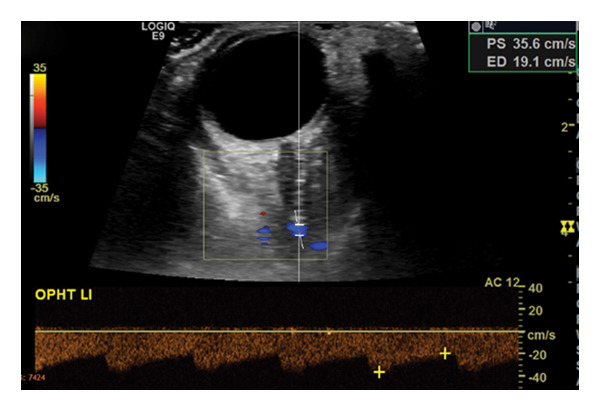 Figure 3
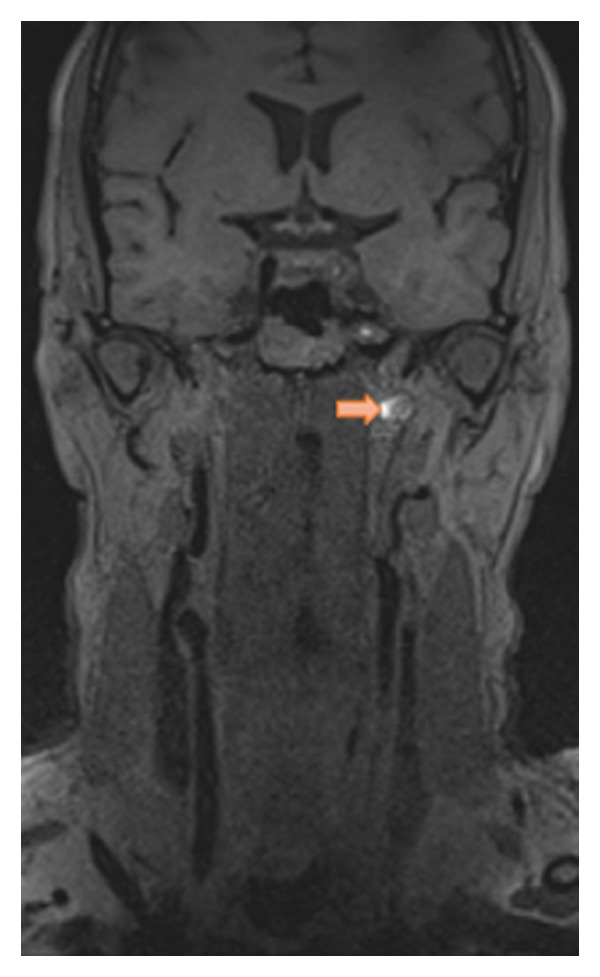 Figure 4
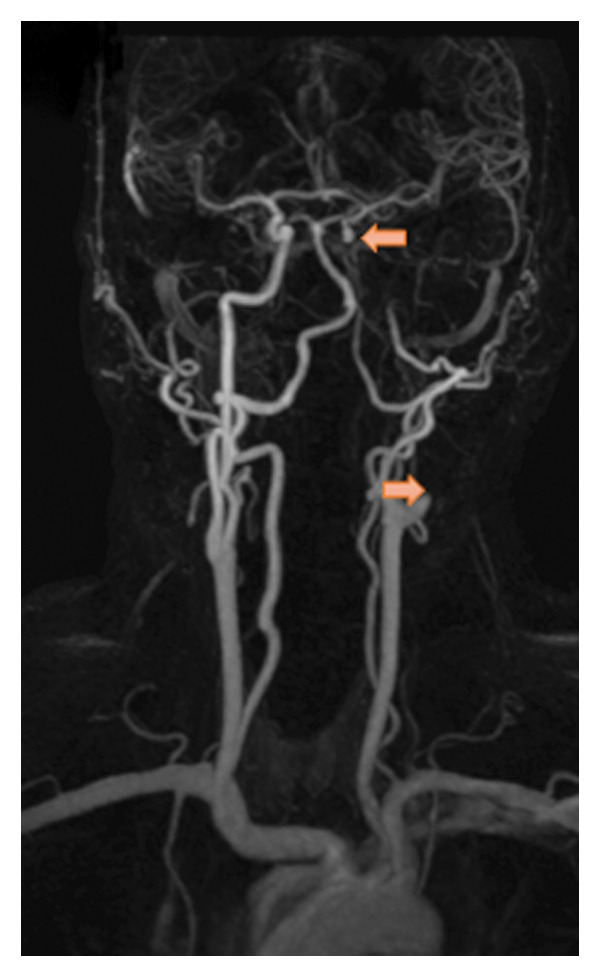 Figure 5
Peer Reviews
No public reviews on file for this paper yet. If you reviewed it on a platform where reviews are public (OpenReview, ICLR, NeurIPS, ICML), you can paste yours below so the community can read it here.
Videos
No videos yet. Explain this paper in a talk, walkthrough, or lecture? Add one.
Taxonomy
TopicsTrigeminal Neuralgia and Treatments · Intracranial Aneurysms: Treatment and Complications · Facial Nerve Paralysis Treatment and Research