Integrated electrochemical dechlorination and mineralization of diclofenac using CN@PdNi cathode and CN anode for enhanced detoxification
Zutao Zhang, Peiyuan Xiao, Jinping Mei, Xinyu Zhang, Anni Dai, Lei Wang, Qiufang Yao

TL;DR
A new electrochemical system efficiently removes and detoxifies diclofenac, a harmful pharmaceutical pollutant, using a dual-function cathode and anode setup.
Contribution
A dual-functional electrochemical system combining hydrodechlorination and mineralization for enhanced detoxification of diclofenac.
Findings
The CN@PdNi cathode achieved 98.6% electrocatalytic hydrodechlorination efficiency.
The CN anode enabled 96.8% total organic carbon removal through oxidative mineralization.
Toxicity was reduced by 3–5 Log10 units and mung bean germination improved from 68.7% to 99.8%.
Abstract
Chlorinated pharmaceuticals like diclofenac (DCF) pose persistent environmental risks due to their bioaccumulation and toxicity, necessitating advanced remediation strategies. Herein, an integrated electrochemical system was developed, combining a self-nitrogen-doped carbon nitride (CN)-supported PdNi (CN@PdNi) cathode for electrocatalytic hydrodechlorination (ECH) with a CN anode for oxidative mineralization in a single, sequential process. The CN@PdNi cathode achieved 98.6% ECH efficiency, selectively cleaving C–Cl bonds to mitigate toxicity, which is attributed to its structural merits, including a well-dispersed, albeit partially clustered, nanoparticle distribution, metallic Pd/Ni phases, predominant Pd0/Ni0 states, and enhanced porosity. Subsequent CN anodic oxidation enabled 96.8% total organic carbon (TOC) removal, ensuring near-complete mineralization. Mechanistic studies via…
Genes, proteins, chemicals, diseases, species, mutations and cell lines named across the full text — each resolved to its canonical identifier and authoritative record.
Click any figure to enlarge with its caption.
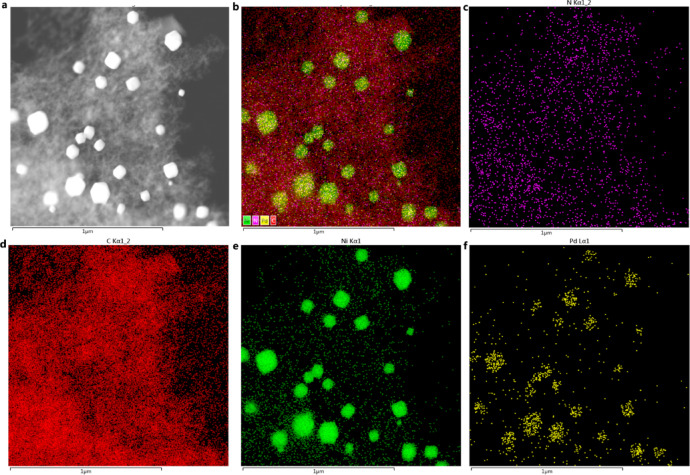 Figure 1
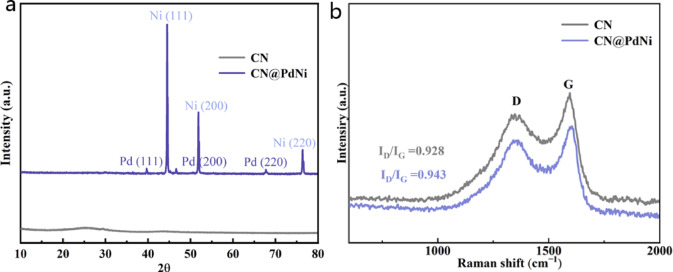 Figure 2
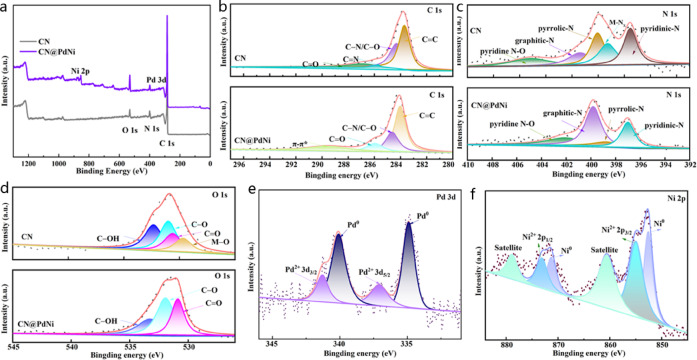 Figure 3
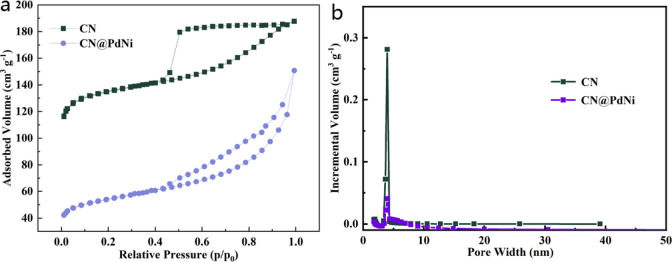 Figure 4
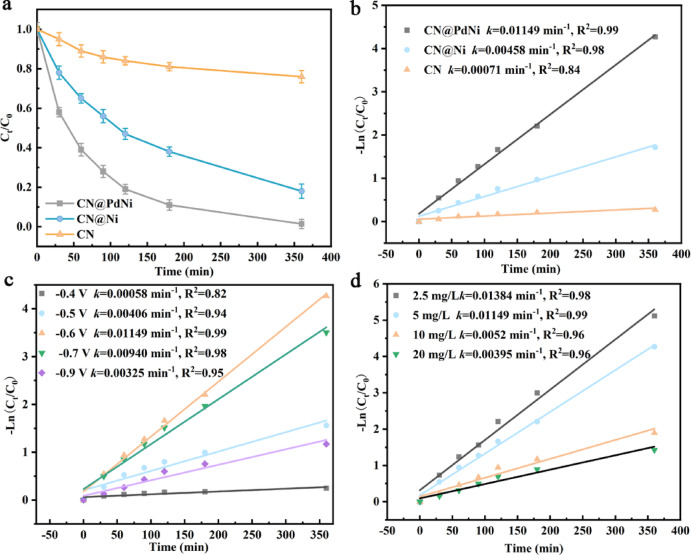 Figure 5
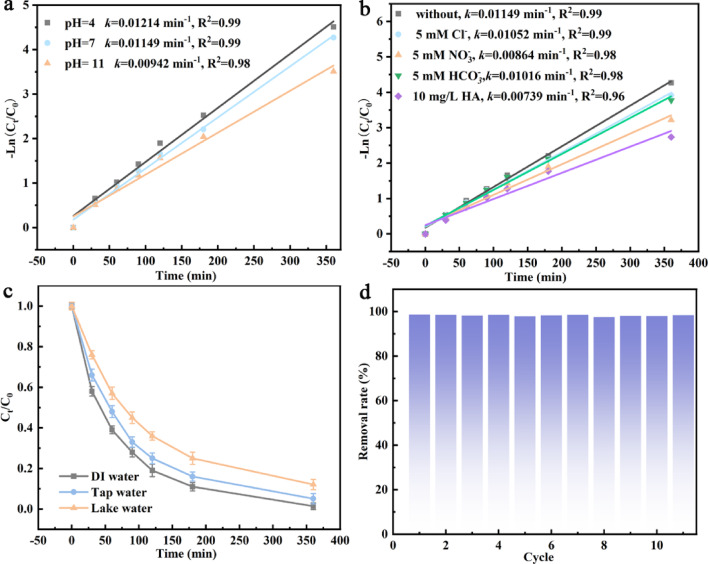 Figure 6
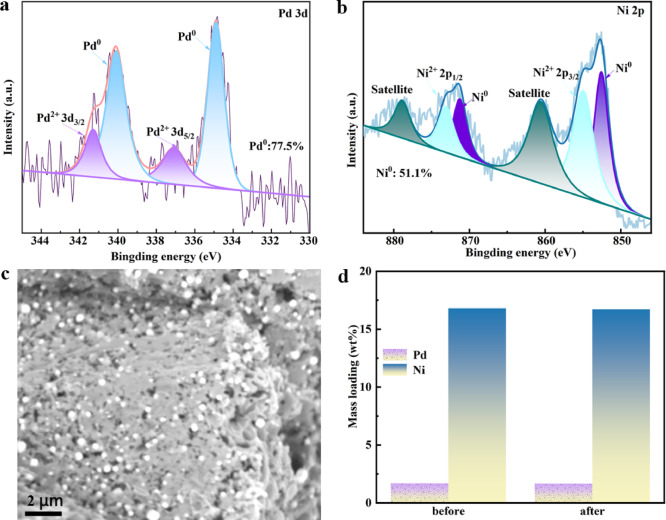 Figure 7
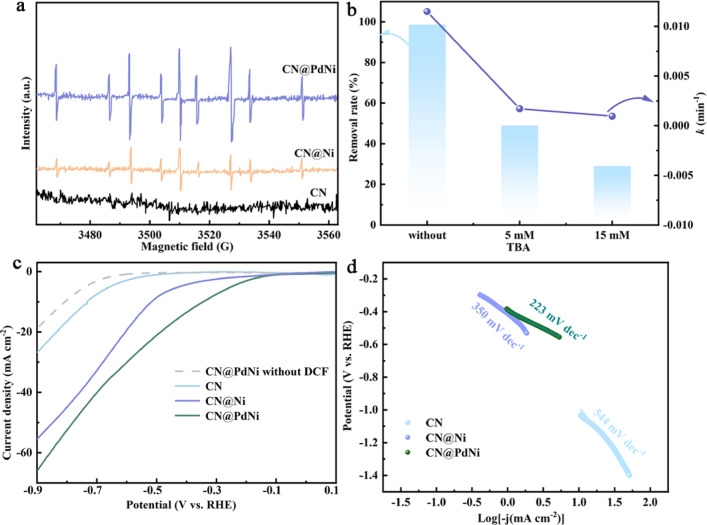 Figure 8
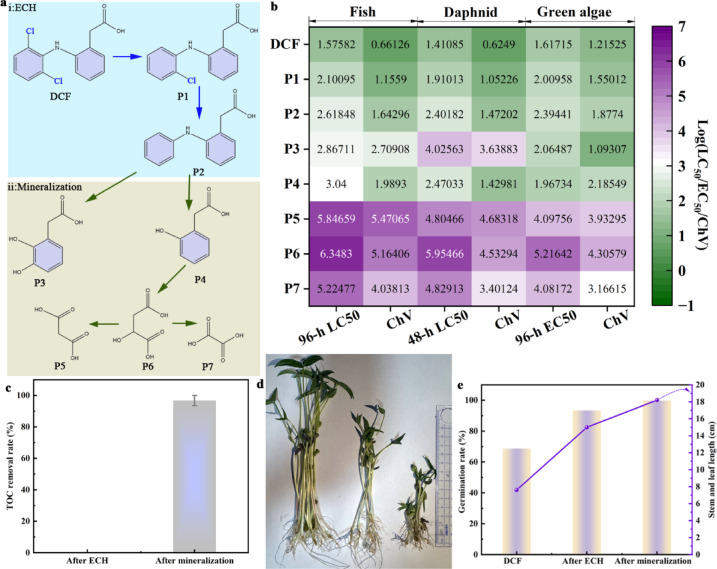 Figure 9
Peer Reviews
No public reviews on file for this paper yet. If you reviewed it on a platform where reviews are public (OpenReview, ICLR, NeurIPS, ICML), you can paste yours below so the community can read it here.
Videos
No videos yet. Explain this paper in a talk, walkthrough, or lecture? Add one.
Taxonomy
TopicsEnvironmental remediation with nanomaterials · Advanced oxidation water treatment · Enzyme-mediated dye degradation