Damage-induced pyroptosis drives endogenous thymic regeneration by activating the purinergic receptor P2Y2
Sinéad Kinsella, Cindy A. Evandy, Kirsten Cooper, Erin Kirsche, Makya Warren, Paul deRoos, Antonella Cardinale, Lorenzo Iovino, David Granadier, Colton W. Smith, Kayla Hopwo, Lucas B. Sullivan, Enrico Velardi, Jarrod A. Dudakov

TL;DR
This study shows that thymic regeneration after damage is driven by pyroptosis in thymocytes, which activates P2Y2 receptors to promote immune recovery.
Contribution
The novel finding is that pyroptosis in thymocytes triggers P2Y2-mediated thymic regeneration, identifying P2Y2 as a potential therapeutic target.
Findings
CD4+ CD8+ thymocytes undergo pyroptosis after radiation, releasing ATP into the thymic microenvironment.
Extracellular ATP activates P2Y2 on thymic epithelial cells, upregulating FOXN1 and promoting regeneration.
P2Y2 agonists like UTPγS accelerate TEC regeneration in vivo after acute damage.
Abstract
T cell recovery is critical following damage, such as hematopoietic cell transplantation (HCT), with increased reconstitution associated with improved clinical outcomes. Endogenous thymic regeneration, a crucial process for restoring immune competence following cytoreductive therapies such as HCT conditioning, is often delayed, limiting T cell reconstitution. Fully understanding the molecular mechanisms driving regeneration is therefore crucial for uncovering therapeutic targets that can be exploited to enhance thymic function. Here, we identified that CD4+ CD8+ thymocytes rapidly and acutely undergo lytic cell death, specifically pyroptosis, following acute damage caused by ionizing radiation, and release damage-associated molecular patterns (DAMPS) into the thymic microenvironment, including ATP. Extracellular ATP stimulates the P2Y2 purinergic receptor on thymic epithelial cells…
Genes, proteins, chemicals, diseases, species, mutations and cell lines named across the full text — each resolved to its canonical identifier and authoritative record.
Click any figure to enlarge with its caption.
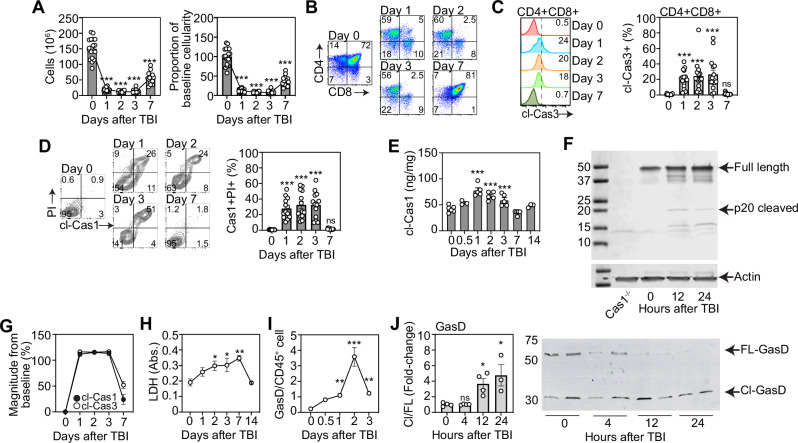 Figure 1
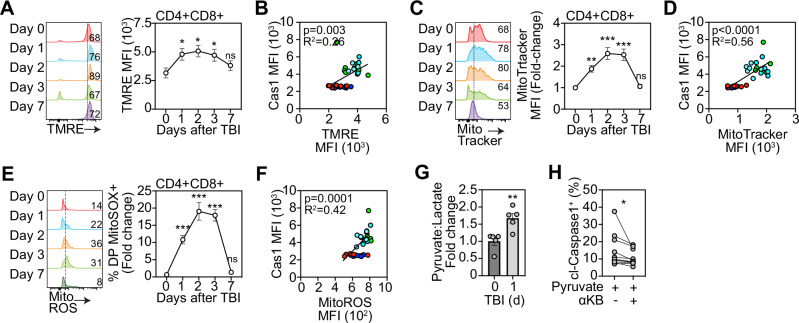 Figure 2
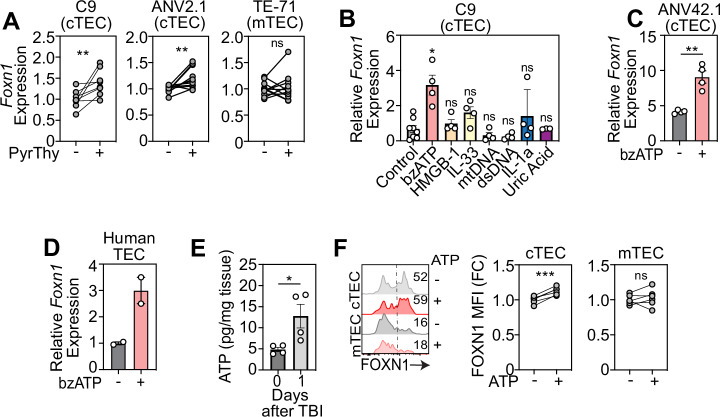 Figure 3
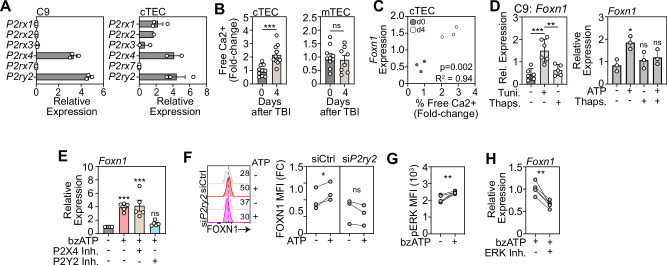 Figure 4
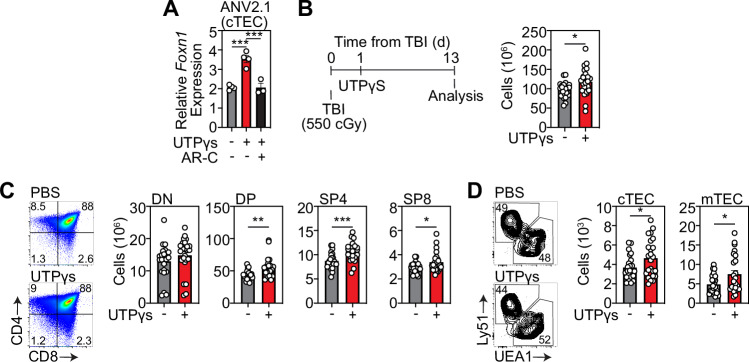 Figure 5
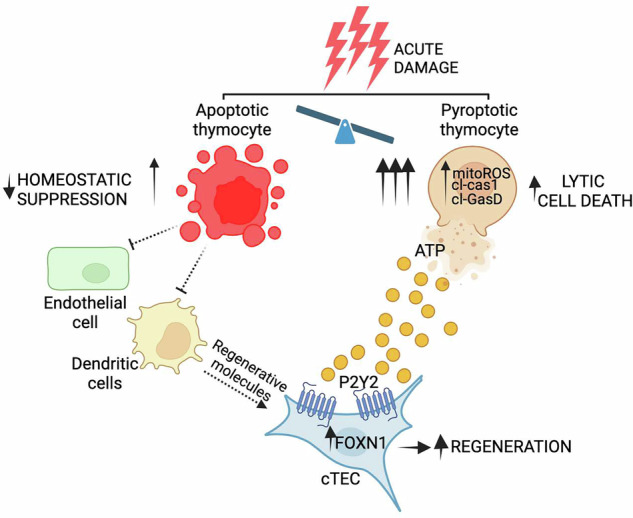 Figure 6
Peer Reviews
No public reviews on file for this paper yet. If you reviewed it on a platform where reviews are public (OpenReview, ICLR, NeurIPS, ICML), you can paste yours below so the community can read it here.
Videos
No videos yet. Explain this paper in a talk, walkthrough, or lecture? Add one.
Taxonomy
TopicsAdenosine and Purinergic Signaling · Inflammasome and immune disorders · Immune cells in cancer