Fbxo2 suppresses prostate cancer progression by regulating YTHDF2 ubiquitination and degradation
Xinyu Xu, Guangcheng Dai, Chun-Ling Liu, Qiu Yao, Xiaowei Cai, Yang Wang, Zeyu Chen, Kang Liu, Jin Zhu, Jia Ma, Zhiwei Wang, Boxin Xue, Lixia Wang

TL;DR
Fbxo2 helps prevent prostate cancer by breaking down a harmful protein called YTHDF2, which could lead to new treatments.
Contribution
This study identifies Fbxo2 as a novel E3 ubiquitin ligase that suppresses prostate cancer by targeting YTHDF2 for degradation.
Findings
Fbxo2 is downregulated in prostate cancer and its higher expression correlates with better patient prognosis.
Fbxo2 reduces prostate cancer cell proliferation and metastasis by ubiquitinating and degrading YTHDF2.
YTHDF2 promotes prostate cancer progression by modulating m6A methylation of CDKN1C mRNA.
Abstract
Deregulation of E3 ubiquitin ligases is associated with increased proliferation and metastasis in prostate cancer (PCa); however, the underlying mechanisms remain largely unclear. This study aimed to explore the role of Fbxo2, a SKP1-Cullin-F-box (SCF) E3 ubiquitin ligase, in PCa progression. Analysis of prostate tissue samples revealed that Fbxo2 is downregulated in PCa, and higher Fbxo2 expression correlates with better patient prognosis. Functional assays conducted both in vitro and in vivo demonstrated that Fbxo2 reduces cell proliferation and metastasis in PCa. Using co-immunoprecipitation mass spectrometry (co-IP-MS), co-IP, western blotting, and ubiquitin assays, we identified that m6A reader YTHDF2, an oncoprotein that is upregulated in PCa, was a substrate of Fbxo2-mediated degradation. Notably, Fbxo2 mutants lacking the C-terminal region were less effective in promoting YTHDF2…
Genes, proteins, chemicals, diseases, species, mutations and cell lines named across the full text — each resolved to its canonical identifier and authoritative record.
Click any figure to enlarge with its caption.
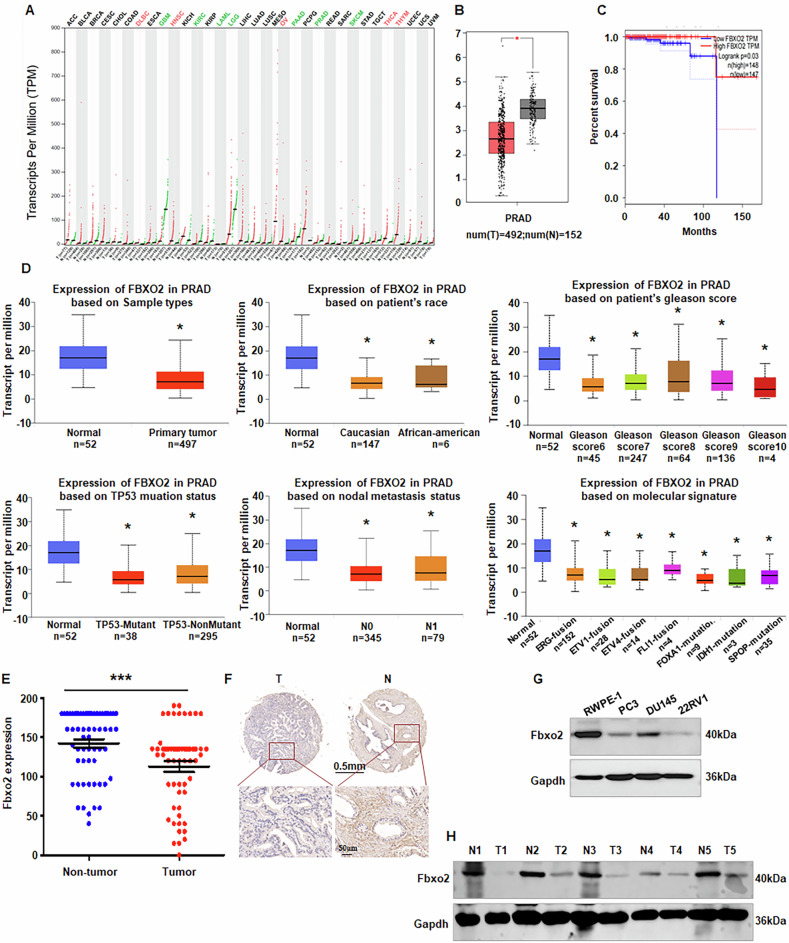 Figure 1
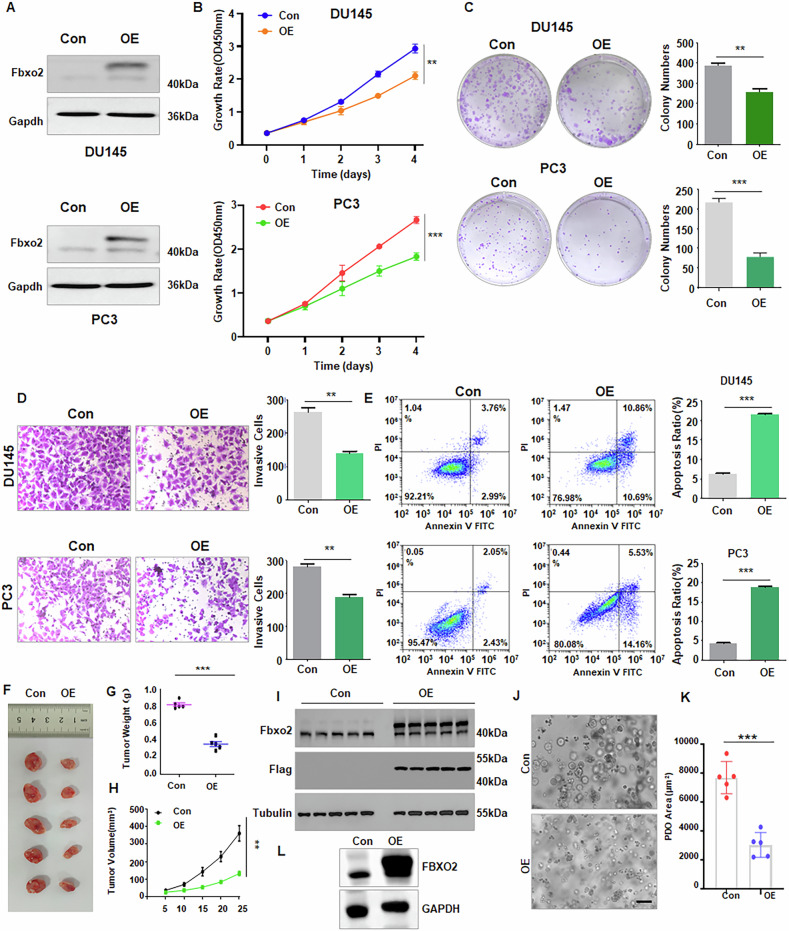 Figure 2
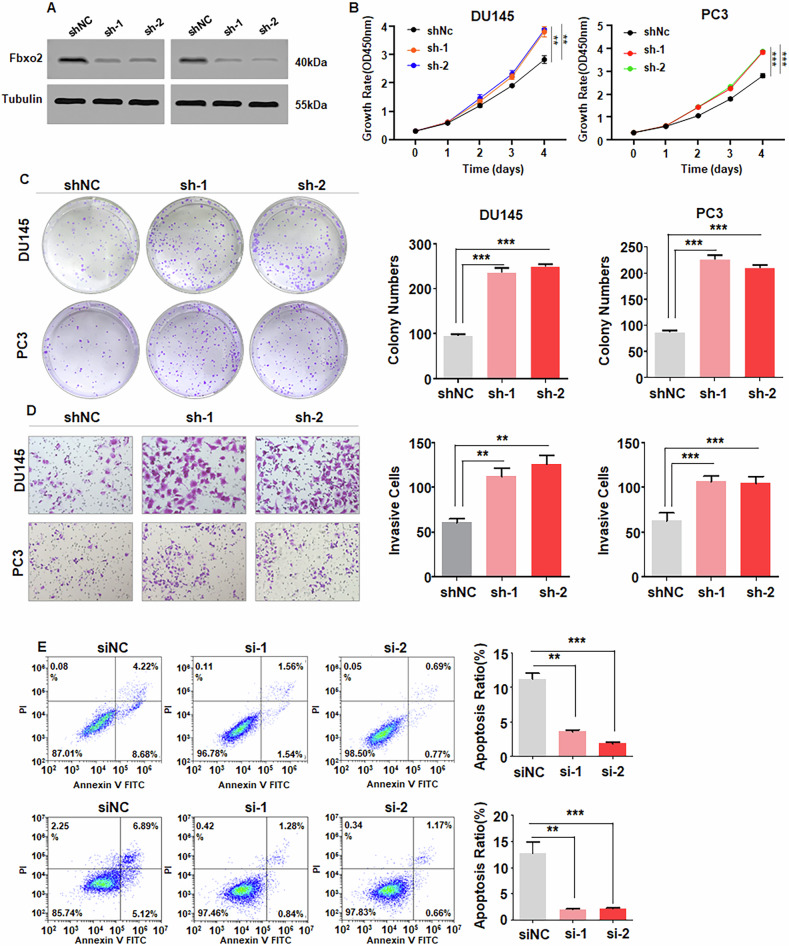 Figure 3
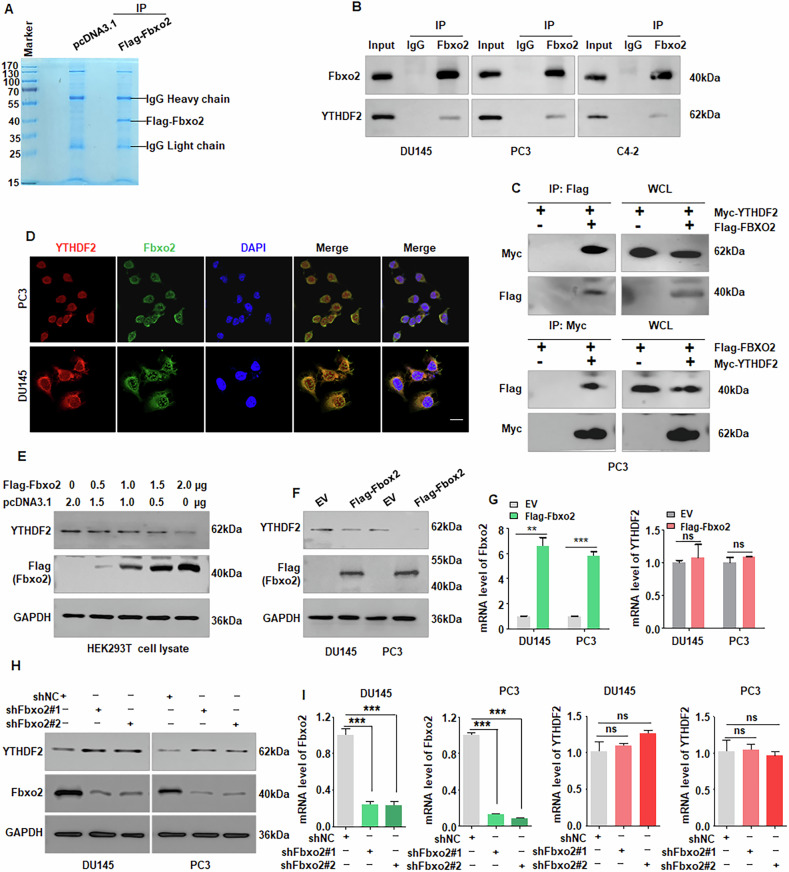 Figure 4
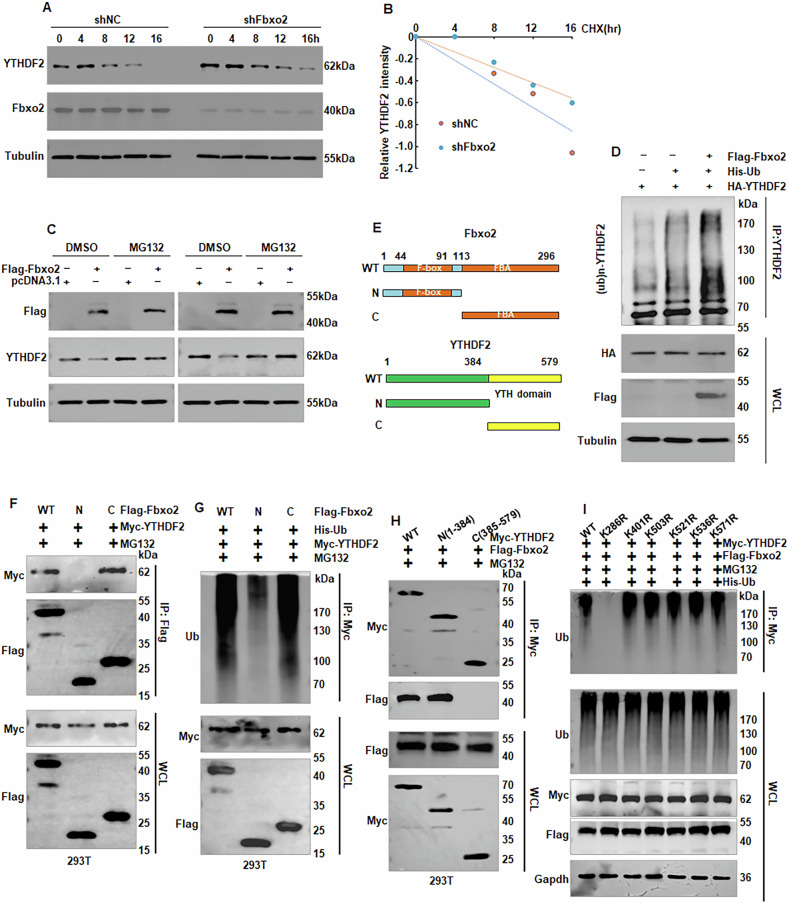 Figure 5
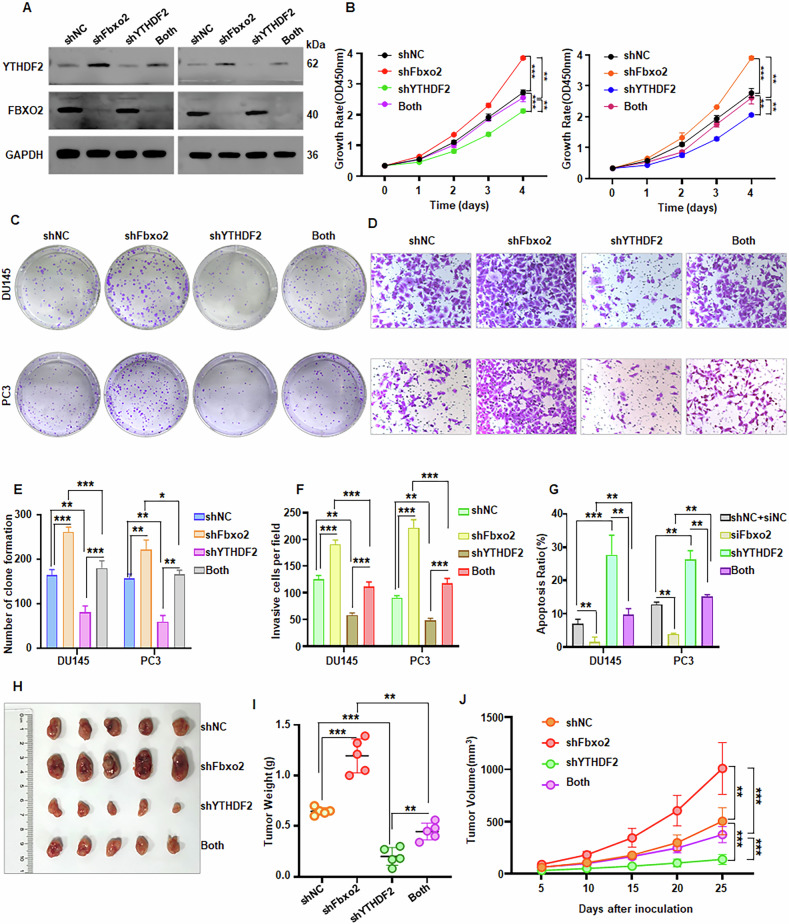 Figure 6
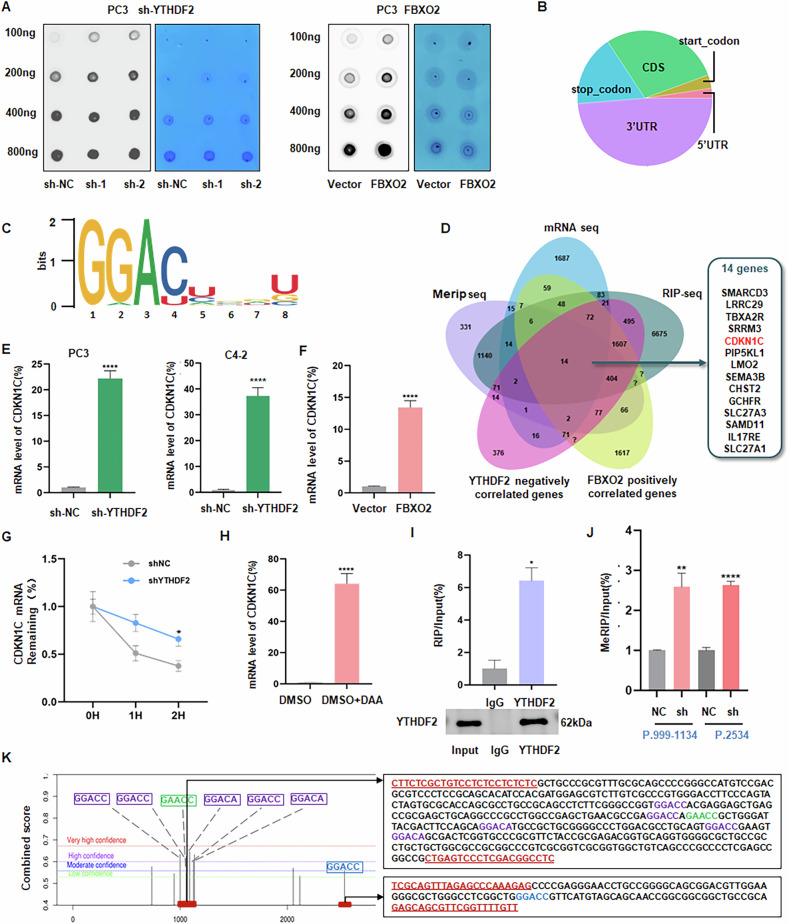 Figure 7
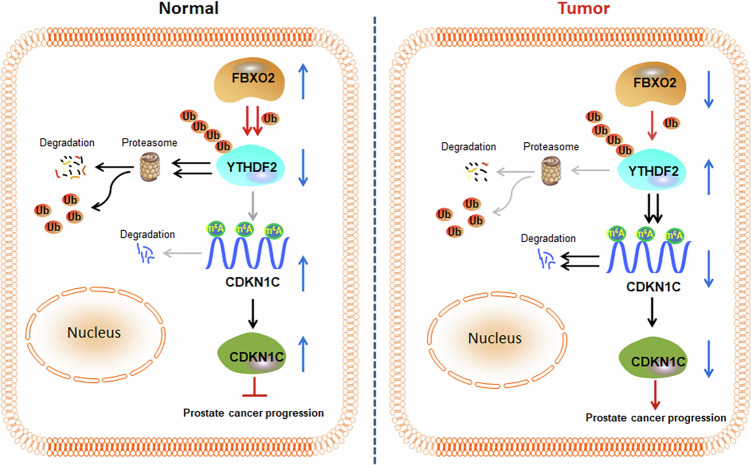 Figure 8
Peer Reviews
No public reviews on file for this paper yet. If you reviewed it on a platform where reviews are public (OpenReview, ICLR, NeurIPS, ICML), you can paste yours below so the community can read it here.
Videos
No videos yet. Explain this paper in a talk, walkthrough, or lecture? Add one.
Taxonomy
TopicsRNA modifications and cancer · Ubiquitin and proteasome pathways · Cancer-related gene regulation