Anti-CSF-1R therapy with combined immuno-chemotherapy coordinate an adaptive immune response to eliminate macrophage enriched triple negative breast cancers
Diego A. Pedroza, Xueying Yuan, Fengshuo Liu, Hilda L. Chan, Christina Zhang, William Bowie, Alex J. Smith, Sebastian J. Calderon, Nadia Lieu, Weiguo Wu, Paul Porter, Poonam Sarkar, Na Zhao, Constanze V. Oehler, Ondrej Peller, M. Waleed Gaber, Qian Zhu, Charles M. Perou

TL;DR
A new combination therapy for metastatic triple negative breast cancer boosts immune response and reduces recurrence by targeting macrophages and enhancing T and B cell infiltration.
Contribution
A novel immuno-chemotherapy regimen combining anti-CSF-1R, low-dose cyclophosphamide, and anti-PD-1 is effective in macrophage-rich TNBC models.
Findings
Combining anti-CSF-1R, cyclophosphamide, and anti-PD-1 significantly reduces tumor growth in aggressive TNBC models.
CSF-1R inhibition and cyclophosphamide increase infiltration of B and T cells by upregulating IL-17, IL-5, and type II interferon.
Anti-PD-1 maintenance reduces recurrence linked to PD-L1 heterogeneity in metastatic TNBC.
Abstract
Women diagnosed with metastatic triple negative breast cancer (mTNBC) have limited treatment options, are more prone to develop resistance and are associated with high mortality. A cold tumor immune microenvironment (TIME) characterized by low T cells and high tumor associated macrophages (TAMs) in mTNBC is associated with the failure of standard-of-care chemotherapy and immune checkpoint blockade (ICB) treatment. We demonstrate that the combination of immunomodulatory low-dose Cyclophosphamide (CTX) coupled with anti-CSF-1R antibody targeted therapy (SNDX-ms6352) and anti-PD-1 (ICB), was highly effective against aggressive metastatic Trp53 null TNBC transplantable syngeneic models that present with high macrophage infiltration. Mechanistically, CSF-1R inhibition along with CTX disrupted the M-CSF/CSF-1R axis which upregulated IL-17, IL-5 and type II interferon resulting in elevated B-…
Genes, proteins, chemicals, diseases, species, mutations and cell lines named across the full text — each resolved to its canonical identifier and authoritative record.
Click any figure to enlarge with its caption.
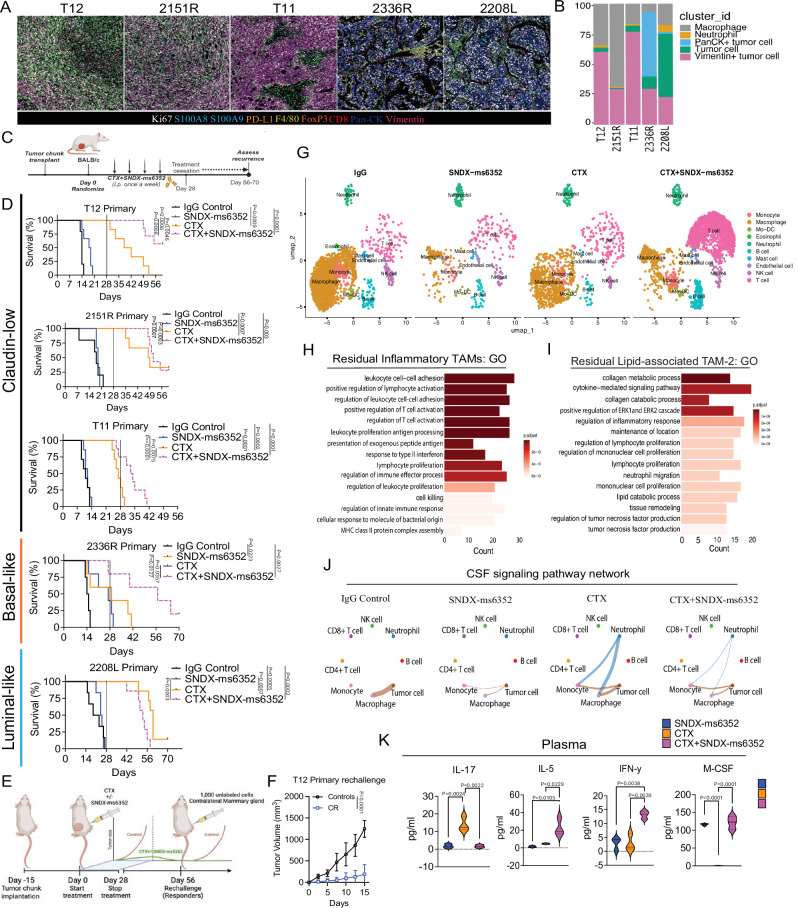 Figure 1
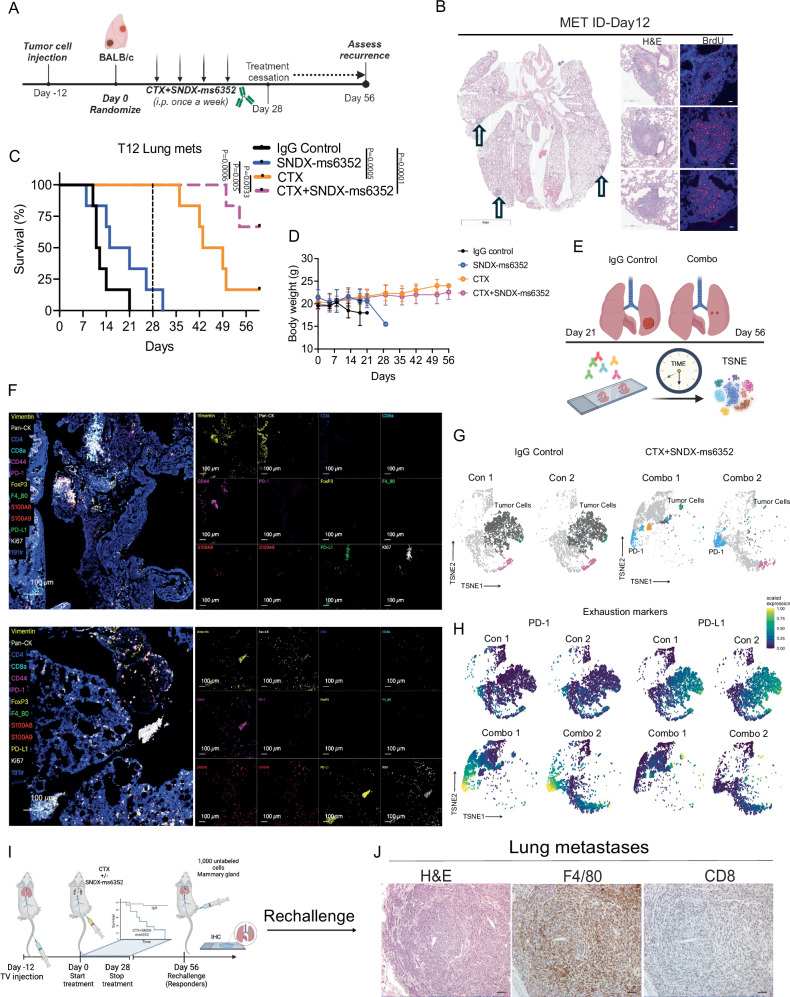 Figure 2
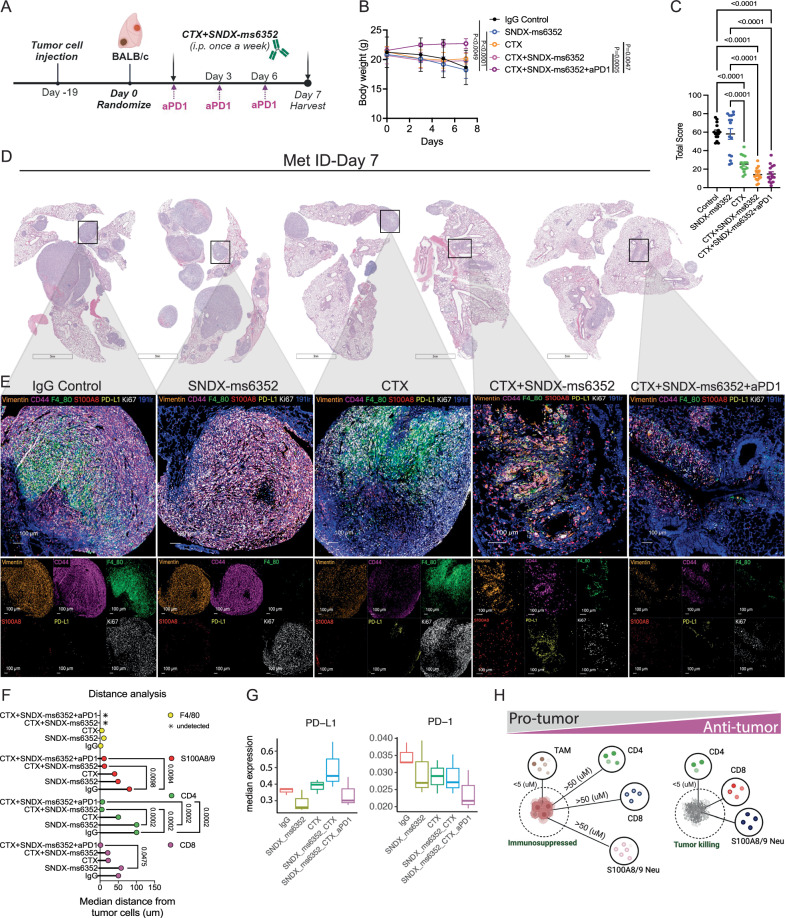 Figure 3
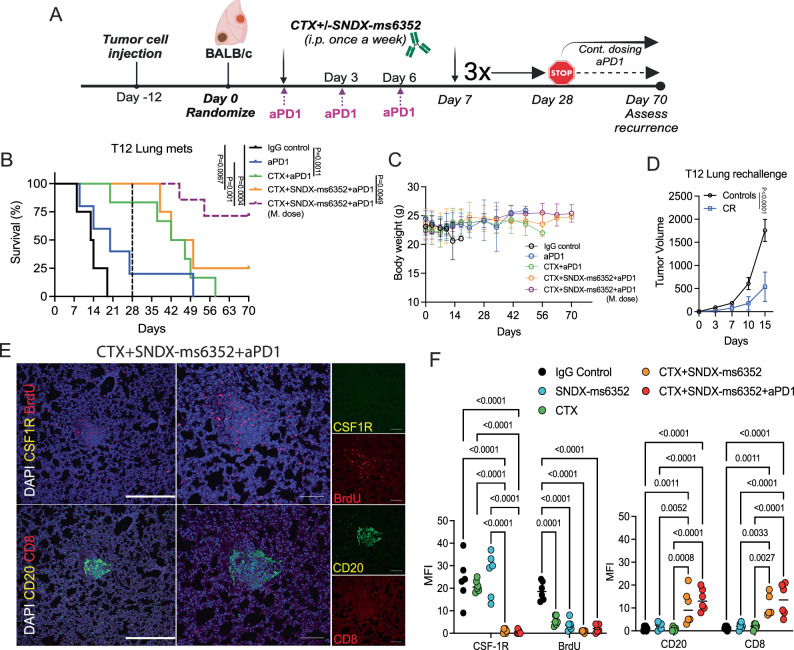 Figure 4
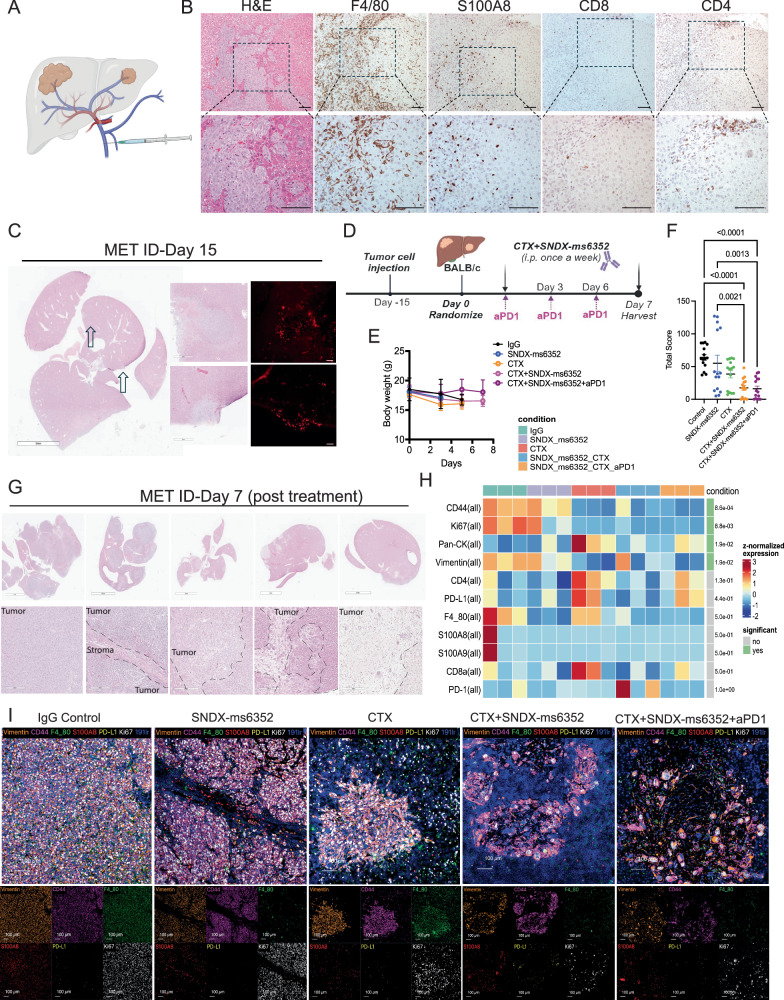 Figure 5
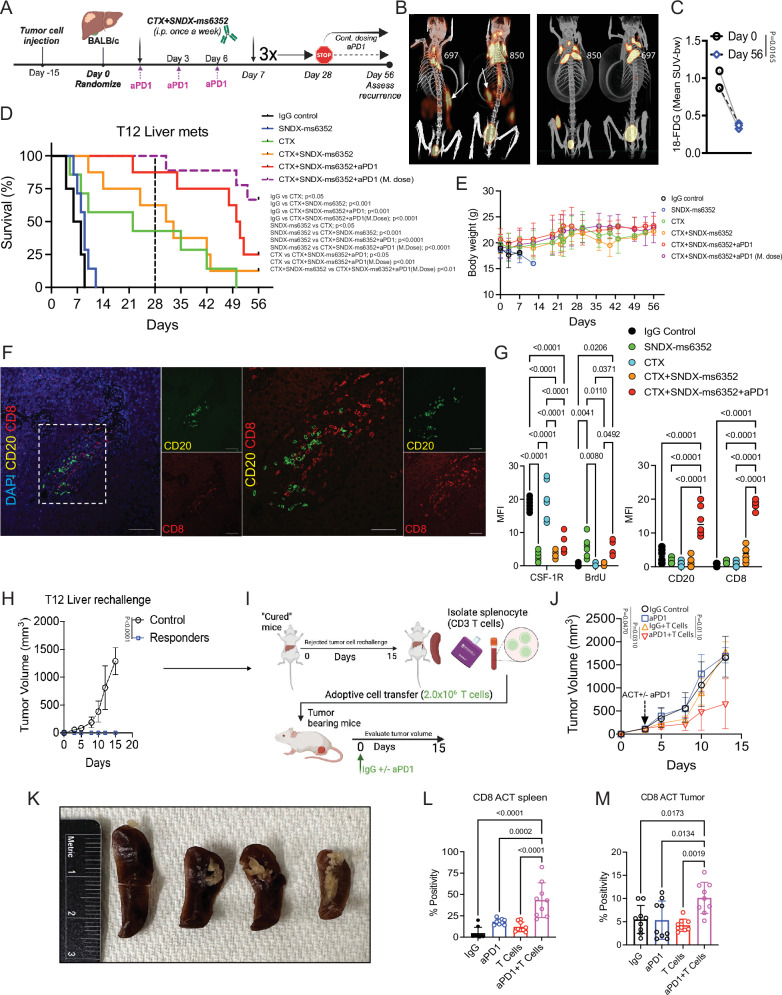 Figure 6
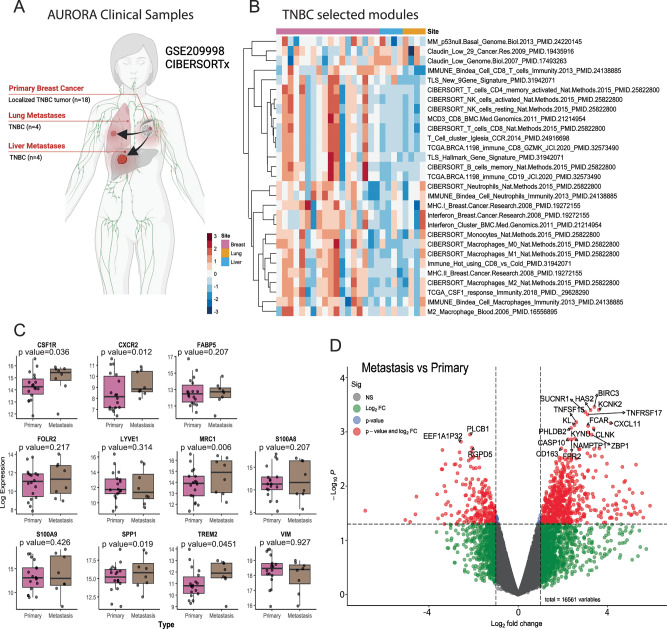 Figure 7
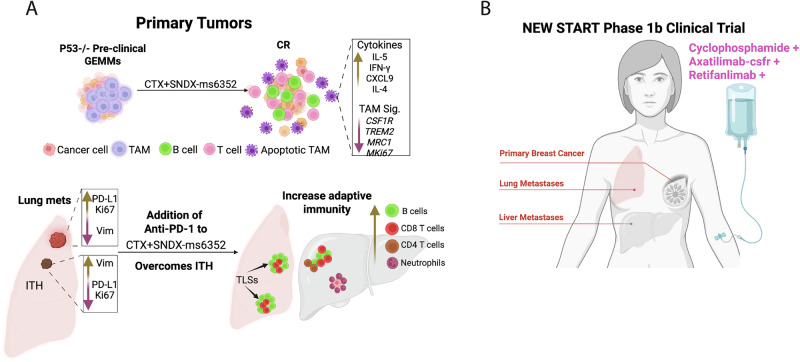 Figure 8
Peer Reviews
No public reviews on file for this paper yet. If you reviewed it on a platform where reviews are public (OpenReview, ICLR, NeurIPS, ICML), you can paste yours below so the community can read it here.
Videos
No videos yet. Explain this paper in a talk, walkthrough, or lecture? Add one.
Taxonomy
TopicsImmune cells in cancer · Cancer Immunotherapy and Biomarkers · Nanoplatforms for cancer theranostics