Microenvironmental stiffness directs microtubule perturbation in chondrocyte mitosis via ILK-refilinB/Smad3 axis
Mengmeng Duan, Chenchen Zhou, Guanyue Su, Chunhe Zhang, Jie Ren, Qingjia Chi, Xiaojing Liu, Li Yang, Haiqing Bai, Yang Claire Zeng, Seongmin Kim, Yunhao Zhai, Crystal Yuri Oh, Adam Yongxin Ye, Yuting Chen, Longlong Si, Xiaoheng Liu, Jing Xie

TL;DR
This study shows how the stiffness of the environment affects microtubule behavior in chondrocytes during cell division, through a specific signaling pathway.
Contribution
The study identifies refilin B and the ILK-p-Smad3 axis as key regulators of microtubule dynamics in chondrocytes in response to mechanical stiffness.
Findings
Mechanical stiffness influences microtubule dynamics during chondrocyte mitosis.
Refilin B regulates microtubule assembly via the p-Smad3 signaling pathway.
Integrin-linked kinase (ILK) mediates microtubule changes in response to stiffness.
Abstract
Cells actively sense and transduce microenvironmental mechanical inputs into chemical signals via cytoskeletal rearrangements. During these mechanosensation and mechanotransduction processes, the role of the actin cytoskeleton is well-understood, whereas the role of the tubulin cytoskeleton remains largely elusive. Here, we report the dynamic changes in microtubules in response to microenvironmental stiffness during chondrocyte mitosis. Mechanical stiffness was found to be coupled with microtubule generation, directing microtubule dynamics in mitotic chondrocytes. Refilin B was found to be a key regulator of microtubule assembly in chondrocytes in response to mechanical stiffness. It was found to play its role in microtubule formation via the p-Smad3 signaling pathway. Additionally, integrin-linked kinase (ILK), triggered by mechanical stiffness, was found to play an indispensable role…
Genes, proteins, chemicals, diseases, species, mutations and cell lines named across the full text — each resolved to its canonical identifier and authoritative record.
Click any figure to enlarge with its caption.
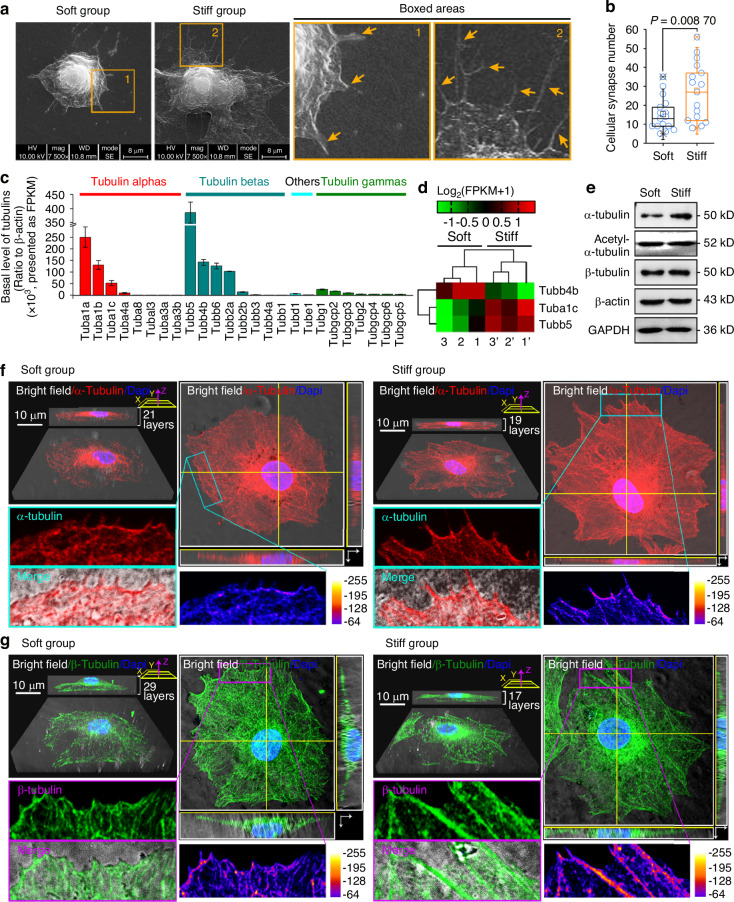 Figure 1
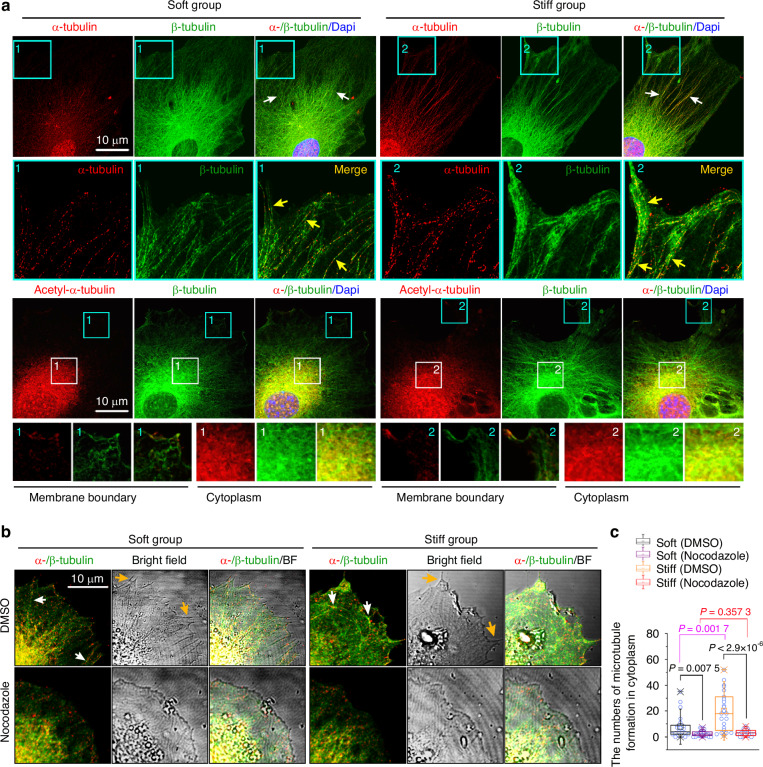 Figure 2
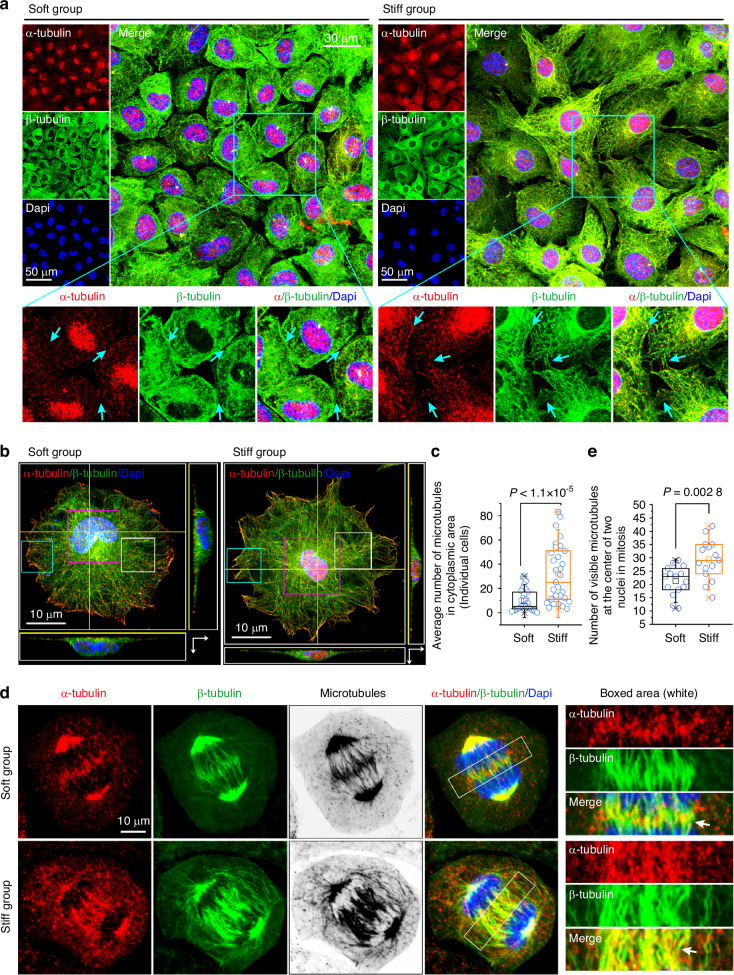 Figure 3
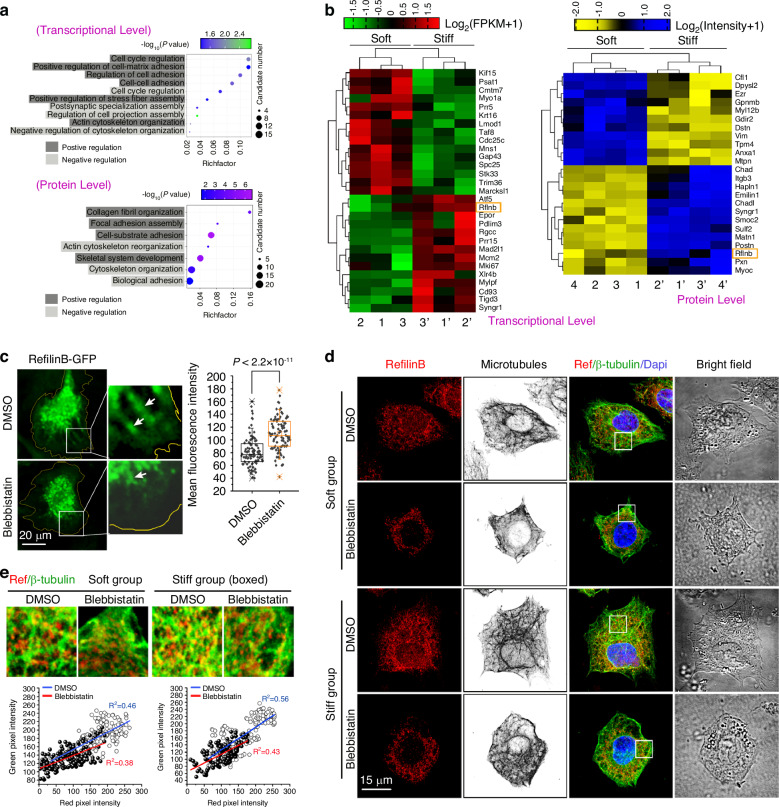 Figure 4
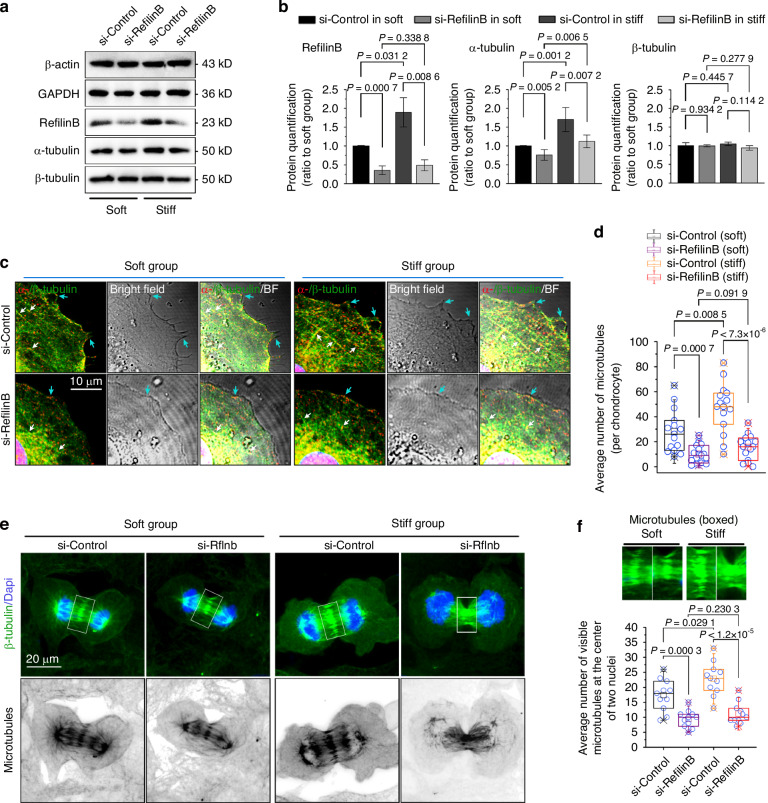 Figure 5
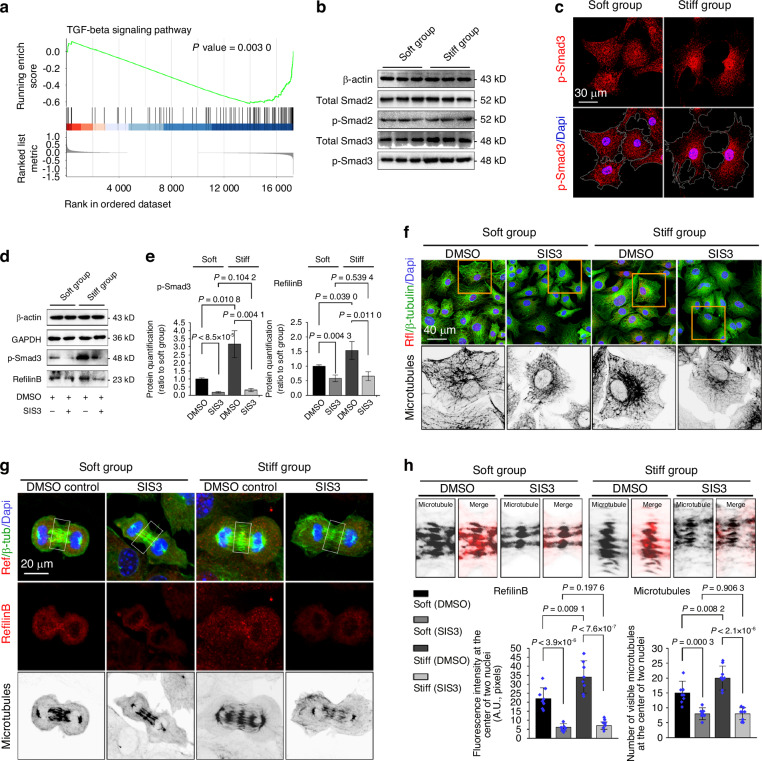 Figure 6
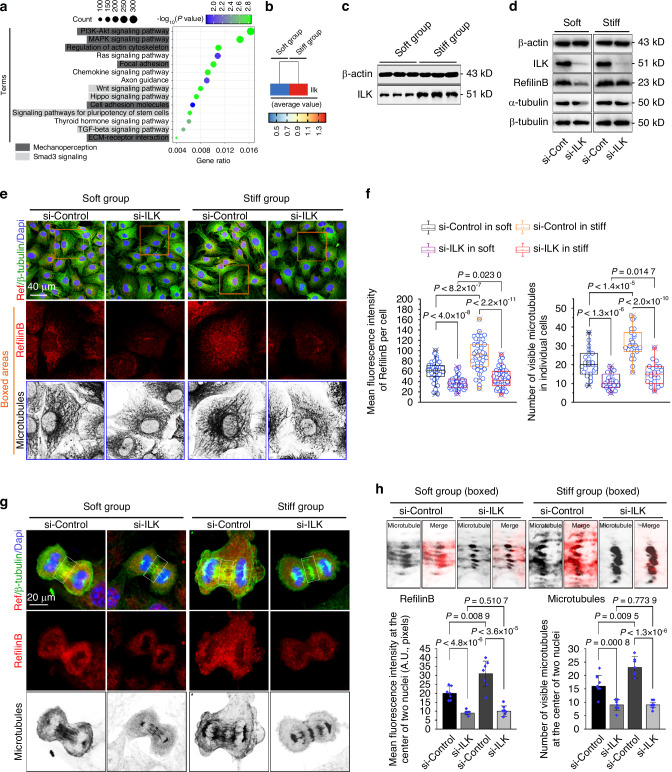 Figure 7
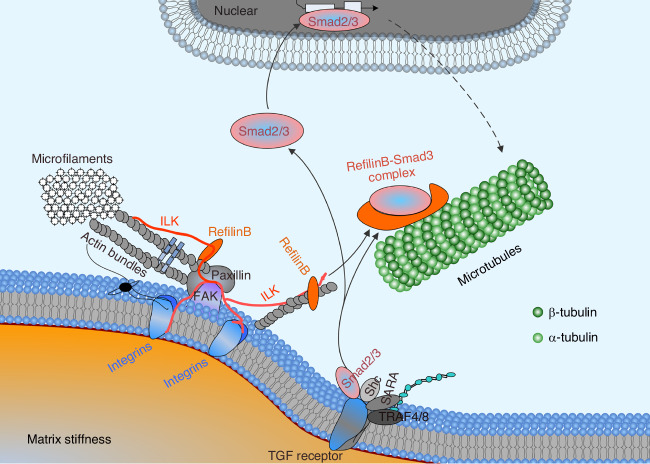 Figure 8
Peer Reviews
No public reviews on file for this paper yet. If you reviewed it on a platform where reviews are public (OpenReview, ICLR, NeurIPS, ICML), you can paste yours below so the community can read it here.
Videos
No videos yet. Explain this paper in a talk, walkthrough, or lecture? Add one.
Taxonomy
TopicsCellular Mechanics and Interactions · Cell Adhesion Molecules Research · Elasticity and Material Modeling