Monitored hygrothermal dataset of a high-altitude Dolomite refuge: wall and indoor climate at 2870 m a.s.l
Simone Panico, Alessandro Zandonai, Eleonora Leonardi, Marco Larcher, David Cennamo, Daniel Herrera-Avellanosa, Alexandra Troi

TL;DR
This paper presents a five-year hygrothermal dataset from a high-altitude mountain refuge in the Dolomites to study climate and building performance in extreme alpine conditions.
Contribution
The study provides a rare, long-term, high-frequency hygrothermal dataset from a high-altitude heritage building.
Findings
The dataset includes hourly hygrothermal measurements from outdoor and indoor environments over five years.
It enables validation of hygrothermal models and evaluation of insulation performance in historic masonry structures.
The data offer insights into moisture-related risks in high-elevation heritage buildings.
Abstract
A five-year hygrothermal dataset (23 September 2020 to 8 August 2025) was compiled from Rifugio Boé, a 1905 stone mountain refuge situated at 2870 m a.s.l. in the Dolomites. The dataset includes hourly recordings of outdoor climate parameters (temperature, relative humidity, global tilted irradiance, and driving rain), indoor conditions across six functionally distinct rooms, and temperature–humidity profiles at three depths within the retrofitted south-east wall. The monitoring system was engineered for robust, long-term operation under harsh alpine conditions. Data are provided in CSV format, accompanied by comprehensive sensor metadata. The dataset supports: (i) validation of hygrothermal simulation models under extreme alpine conditions; (ii) evaluation of the long-term performance and durability of internal insulation within historic masonry; and (iii) benchmarking of…
Genes, proteins, chemicals, diseases, species, mutations and cell lines named across the full text — each resolved to its canonical identifier and authoritative record.
Click any figure to enlarge with its caption.
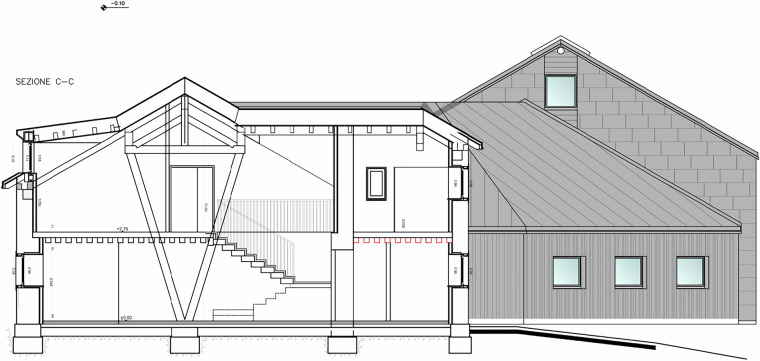 Figure 10
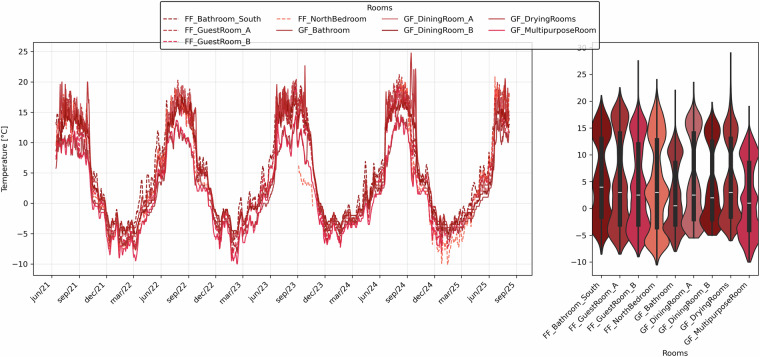 Figure 11
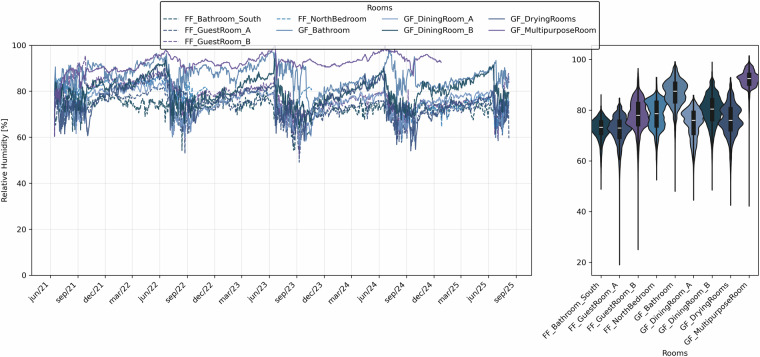 Figure 12
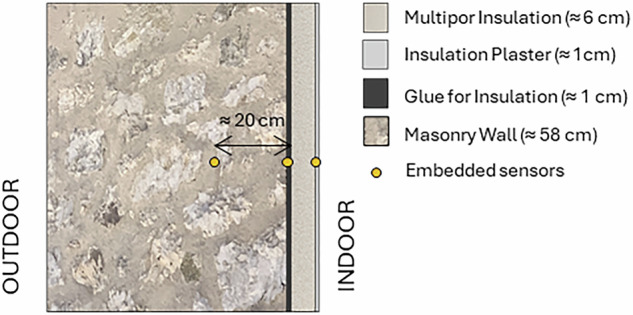 Figure 13
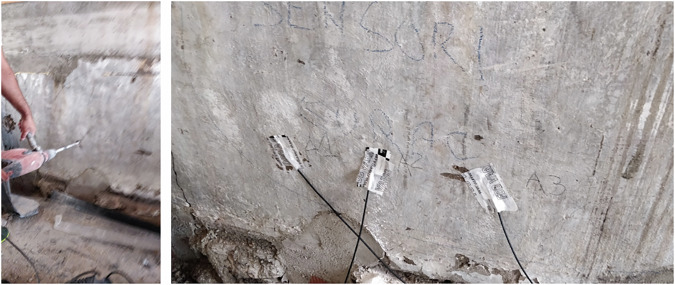 Figure 14
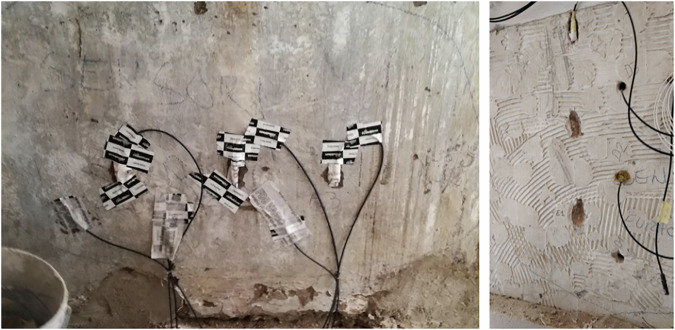 Figure 15
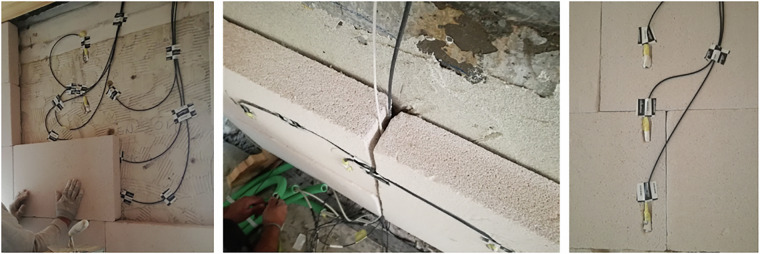 Figure 16
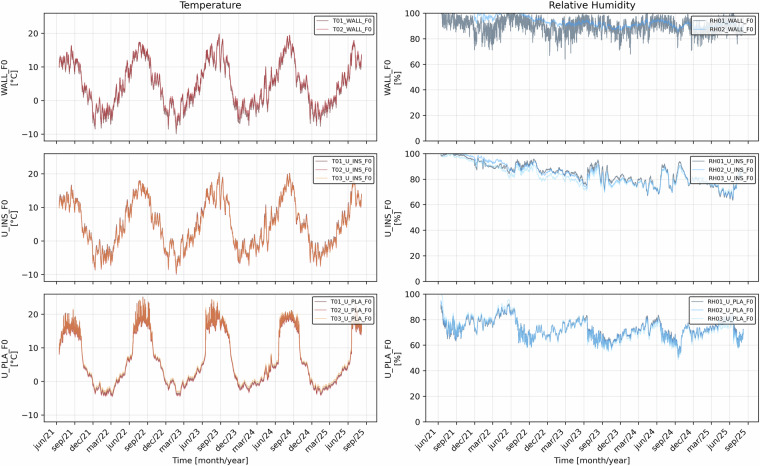 Figure 17
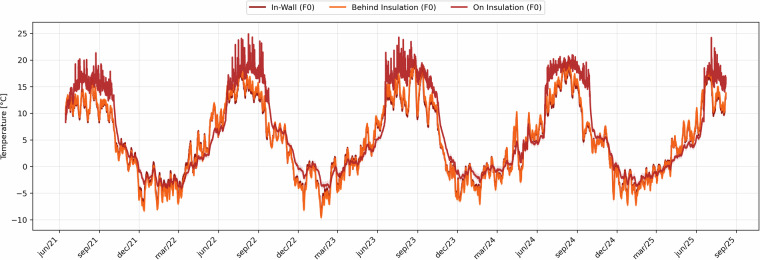 Figure 18
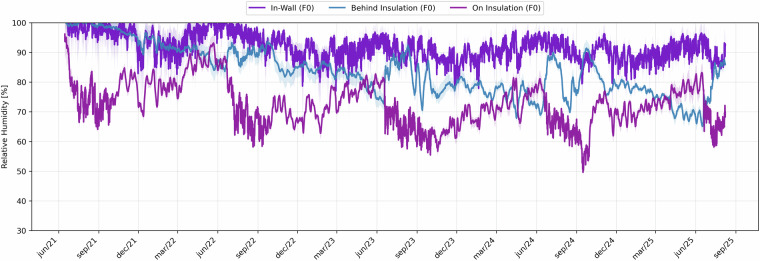 Figure 19
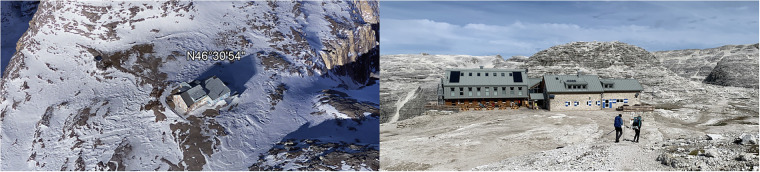 Figure 1
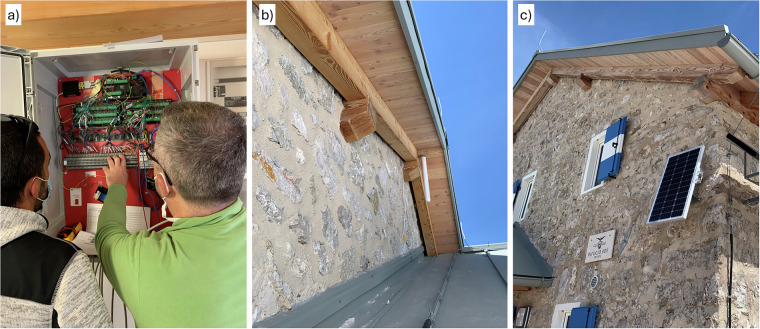 Figure 2
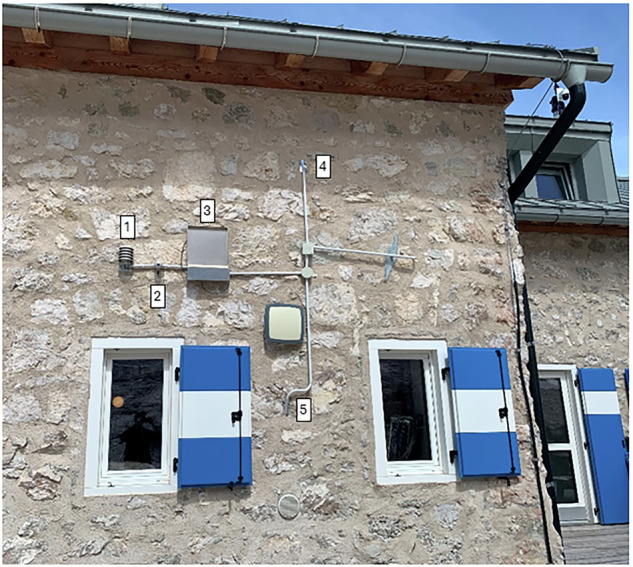 Figure 3
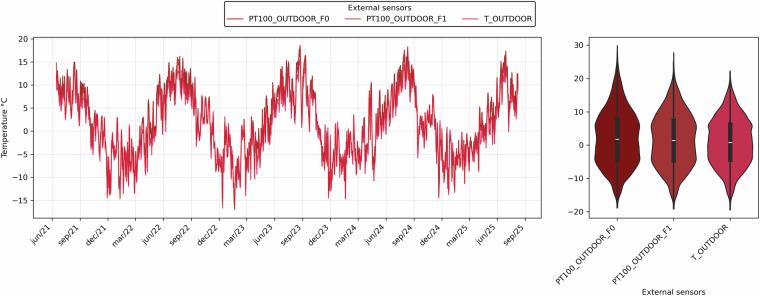 Figure 4
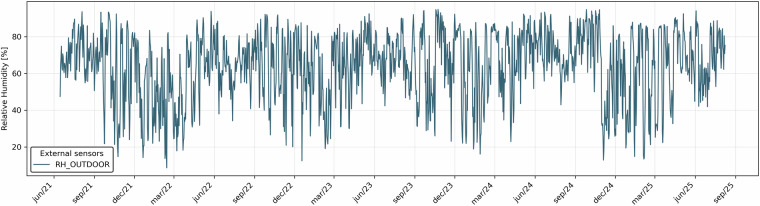 Figure 5
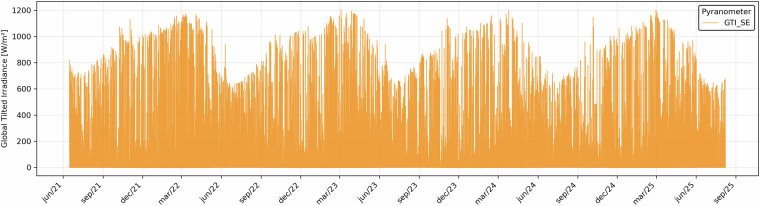 Figure 6
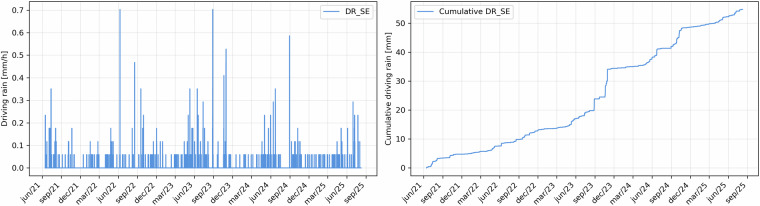 Figure 7
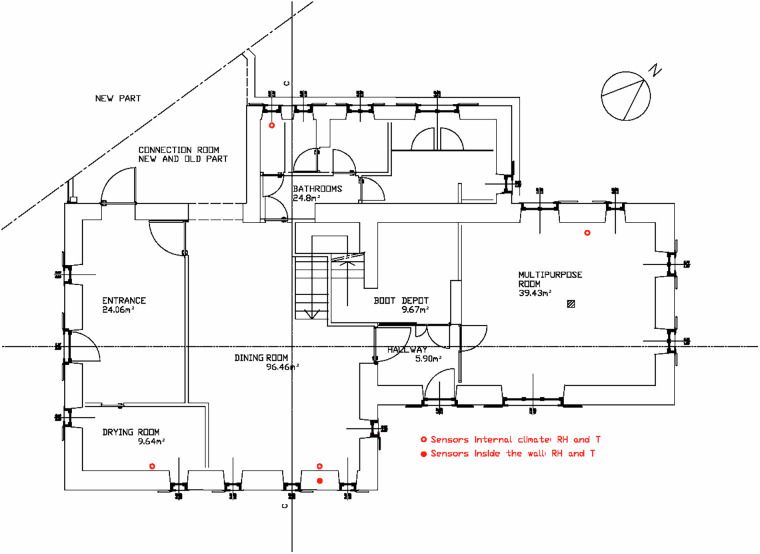 Figure 8
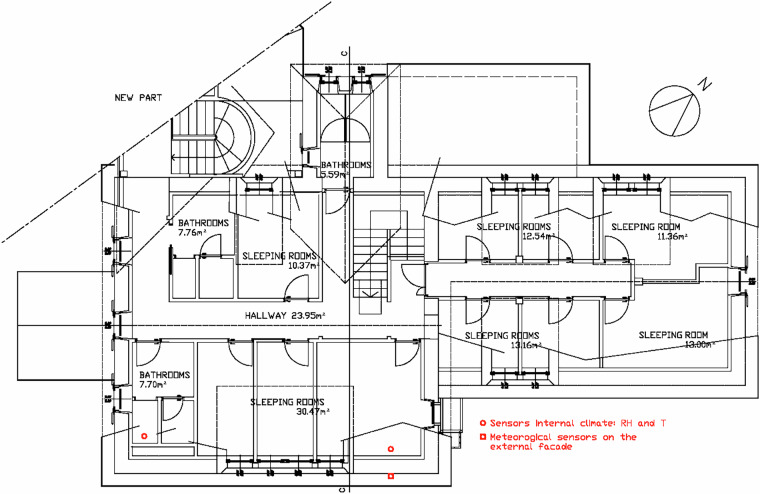 Figure 9
Peer Reviews
No public reviews on file for this paper yet. If you reviewed it on a platform where reviews are public (OpenReview, ICLR, NeurIPS, ICML), you can paste yours below so the community can read it here.
Videos
No videos yet. Explain this paper in a talk, walkthrough, or lecture? Add one.
Taxonomy
TopicsHygrothermal properties of building materials · Building materials and conservation · Conservation Techniques and Studies