Effect of horse sleep behavior on performance in a field-side spatial reversal learning test
Mira Joanna Hämäläinen, Iina Liisa Brotherus, Henna-Kaisa Margareta Wigren, Tuire Eriikka Kaimio, Heli Suomala, Anna-Mari Olbricht, Laura Talvikki Hänninen, Anna Kristina Mykkänen

TL;DR
This study found that horses with shorter REM-like sleep durations performed worse in a spatial reversal learning test, suggesting a link between sleep and learning ability.
Contribution
A field-side reversal learning test was developed for horses, revealing a novel association between REM-like sleep duration and learning perseverance.
Findings
Shorter REM-like sleep was associated with fewer reversals in the learning task.
Horses with less REM-like sleep had a 50% chance of progressing after five reversals, compared to six for longer REM sleepers.
The study provides a practical method for assessing reversal learning in horses under field conditions.
Abstract
Reduced rapid-eye-movement (REM) sleep is associated with impaired learning in many species. We developed a reversal learning test (RLT) suitable for field conditions to explore this association in 16 healthy horses. Nocturnal REM-like sleep behavior was recorded five times for 48 h over a six-week period. The horses performed a target training task followed by an RLT using two objects. When the horses reached a predefined frequency of touching the object, the spatial location was reversed. Mean test parameters were statistically analysed using GENLIN models, longitudinal continuous variables were analysed using linear repeated measures models, and dichotomous repeated measures were analysed using GEE models and Kaplan-Meier method. Altogether 15/16 horses completed RLT by reversing three or more times. Most errors occurred before the second and third reversals. Overall, REM sleep…
Genes, proteins, chemicals, diseases, species, mutations and cell lines named across the full text — each resolved to its canonical identifier and authoritative record.
Click any figure to enlarge with its caption.
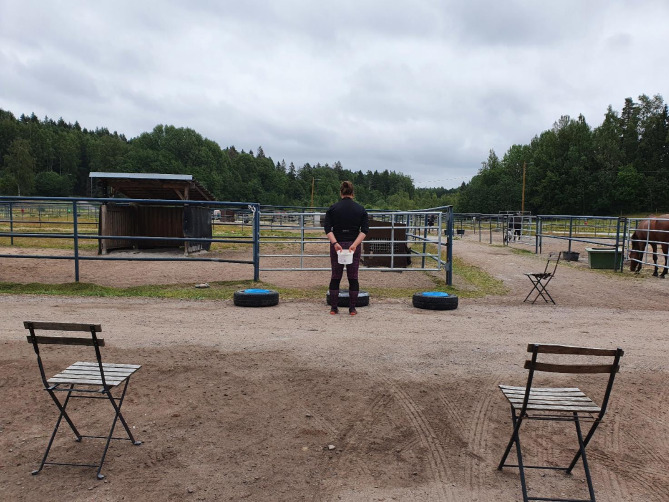 Figure 1
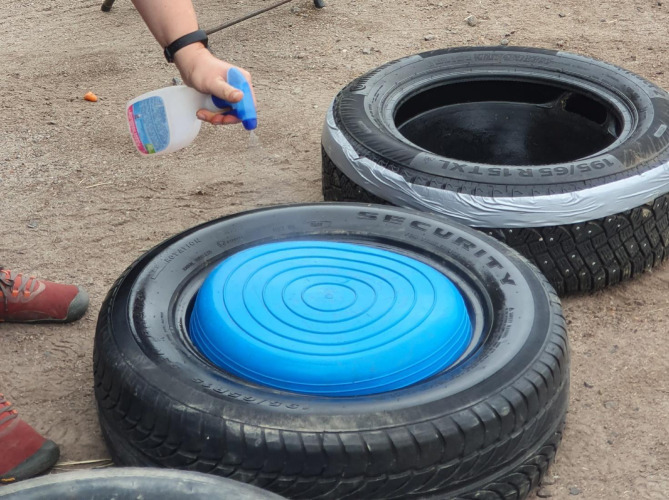 Figure 2
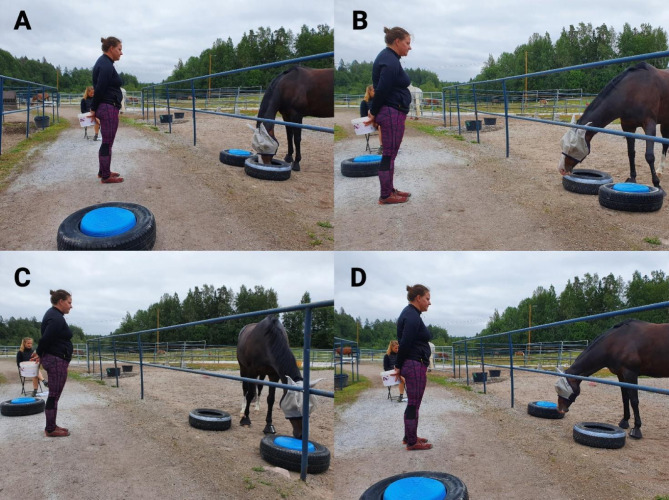 Figure 3
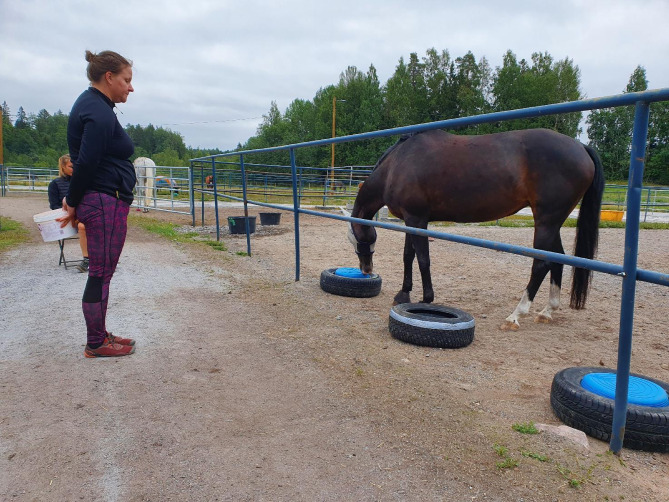 Figure 4
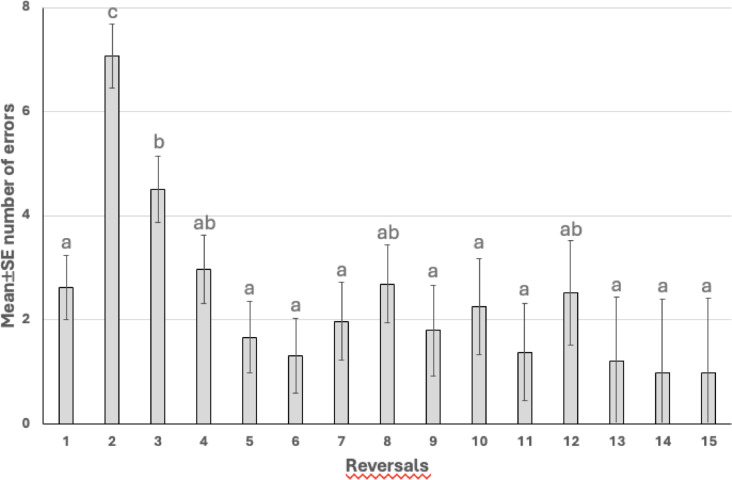 Figure 5
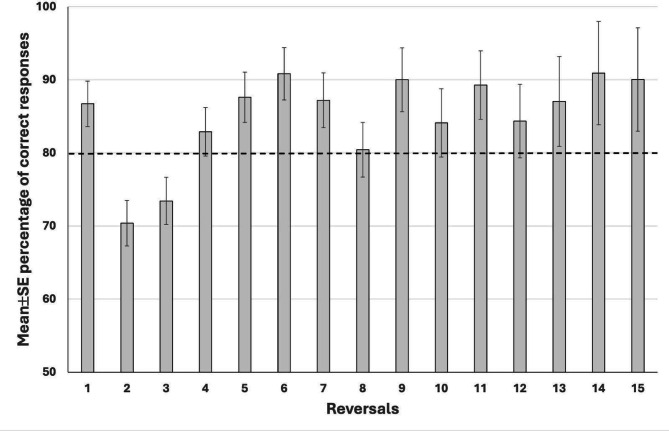 Figure 6
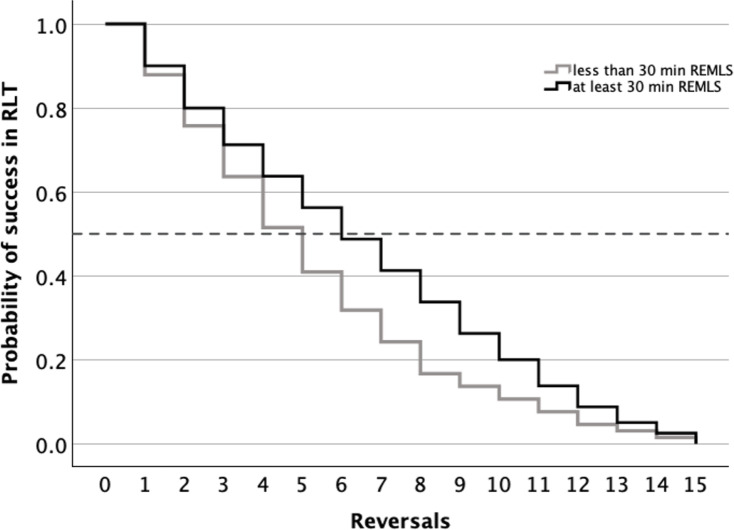 Figure 7
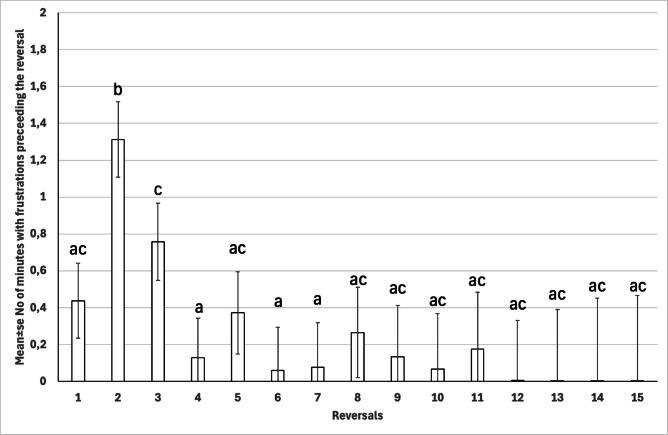 Figure 8
Peer Reviews
No public reviews on file for this paper yet. If you reviewed it on a platform where reviews are public (OpenReview, ICLR, NeurIPS, ICML), you can paste yours below so the community can read it here.
Videos
No videos yet. Explain this paper in a talk, walkthrough, or lecture? Add one.
Taxonomy
TopicsVeterinary Equine Medical Research · Sleep and Wakefulness Research · Sleep and related disorders