Identification of small GTPases as potential target proteins of the mycotoxin and renal carcinogen ochratoxin A
Johannes Borchers, Florinda Perugino, Andreas Schlosser, Stephanie Lamer, Leonie Lutz, Lorenzo Pedroni, Luca Dellafiora, Angela Mally

TL;DR
This study identifies small GTPase proteins as direct targets of the mycotoxin ochratoxin A, which may explain its toxic and carcinogenic effects.
Contribution
For the first time, small GTPases are identified as direct molecular targets of ochratoxin A using chemoproteomic and computational methods.
Findings
Small GTPases were identified as specific binding proteins of ochratoxin A and its analog ochratoxin B.
Molecular modeling confirmed stable interactions between ochratoxins and GTPases, suggesting a mechanistic link to toxicity.
GTPases are linked to DNA replication and mitosis, providing a plausible pathway for OTA-induced genetic instability.
Abstract
Ochratoxin A (OTA), a mycotoxin commonly found as a contaminant in a variety of foods, is known for its ability to cause kidney damage and tumors in rodents. Recent research indicates that replicative stress leading to aberrant mitoses and subsequent genetic instability may play a key role in OTA carcinogenicity. However, the specific molecular targets of OTA and early key events leading to replicative stress and mitotic disruption remain to be determined. In this study, a chemoproteomic workflow was employed to identify proteins that directly interact with OTA and its non-chlorinated analog ochratoxin B (OTB). To this end, OTA and OTB were immobilized on a stationary phase through covalent coupling to amine-functionalized agarose beads via their carboxy group. OTA-and OTB-functionalized beads were then incubated with kidney epithelial cell lysates to capture binding proteins for…
Genes, proteins, chemicals, diseases, species, mutations and cell lines named across the full text — each resolved to its canonical identifier and authoritative record.
Click any figure to enlarge with its caption.
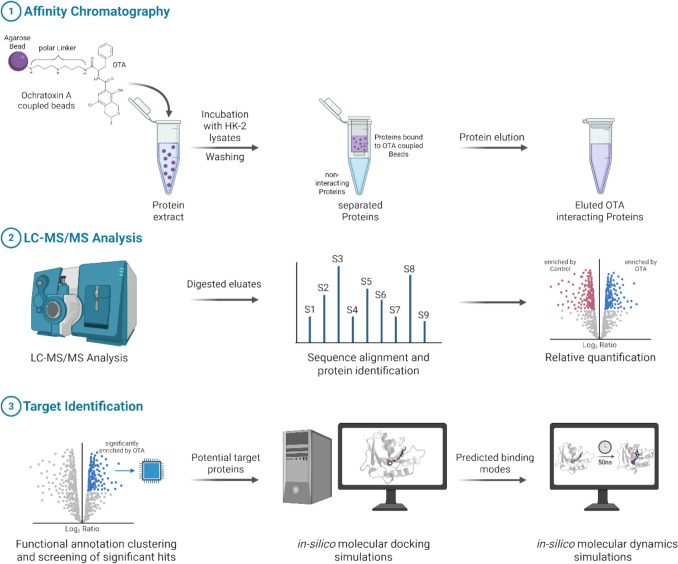 Figure 1
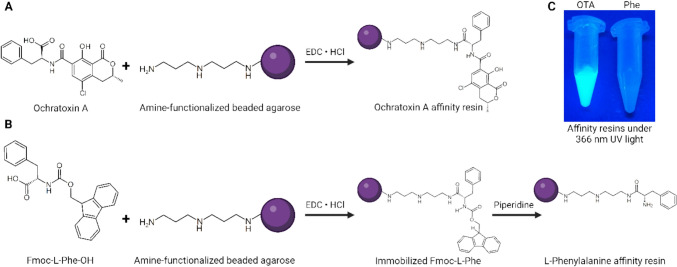 Figure 2
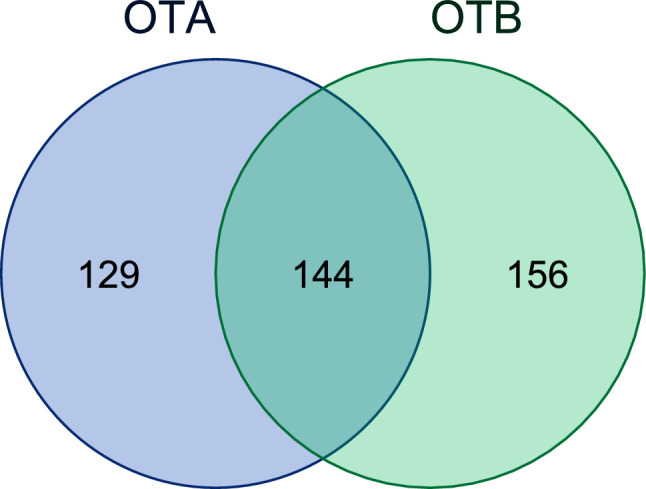 Figure 3
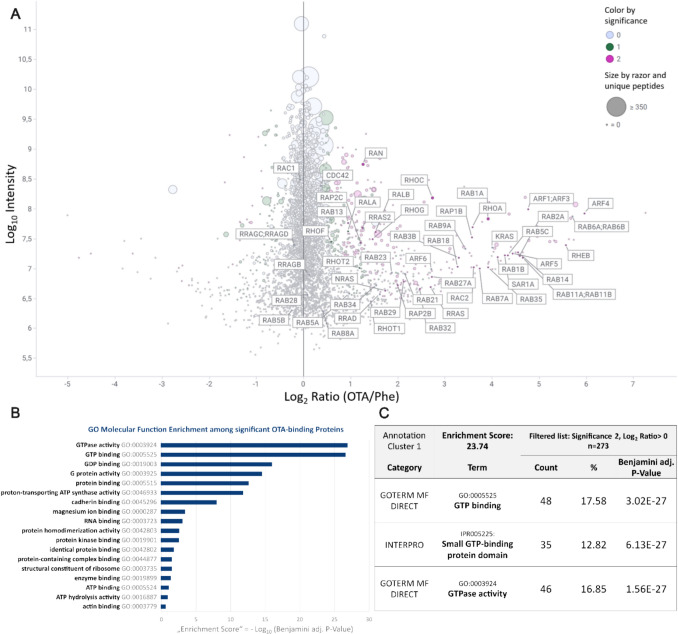 Figure 4
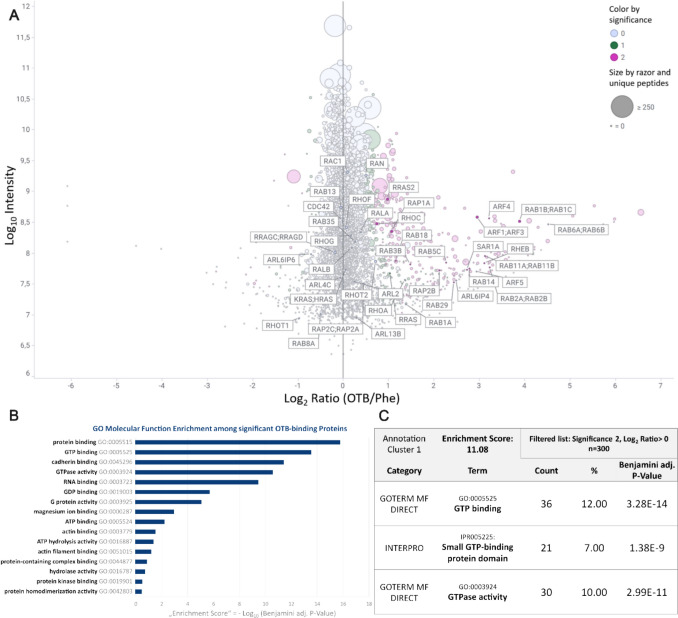 Figure 5
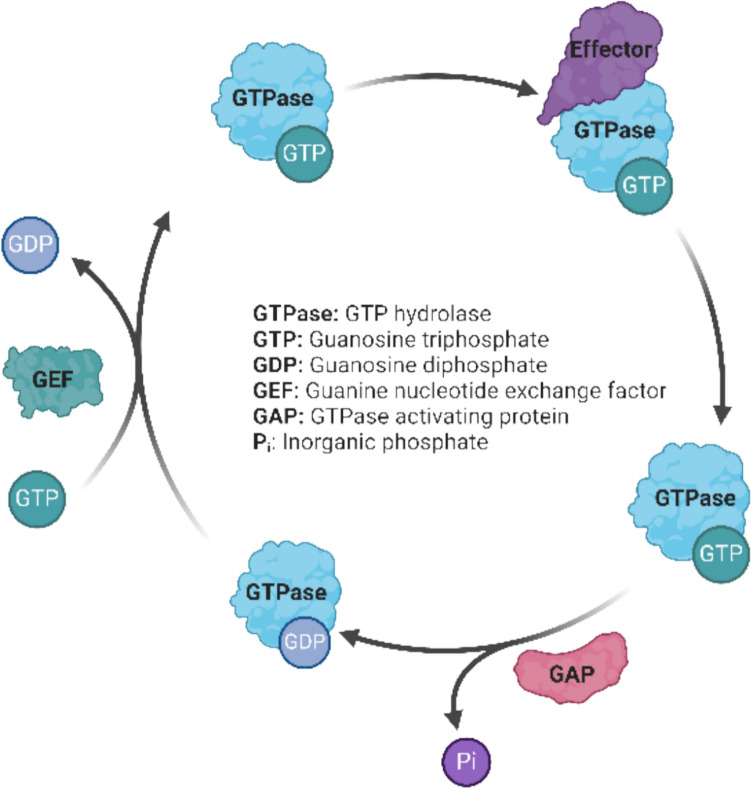 Figure 6
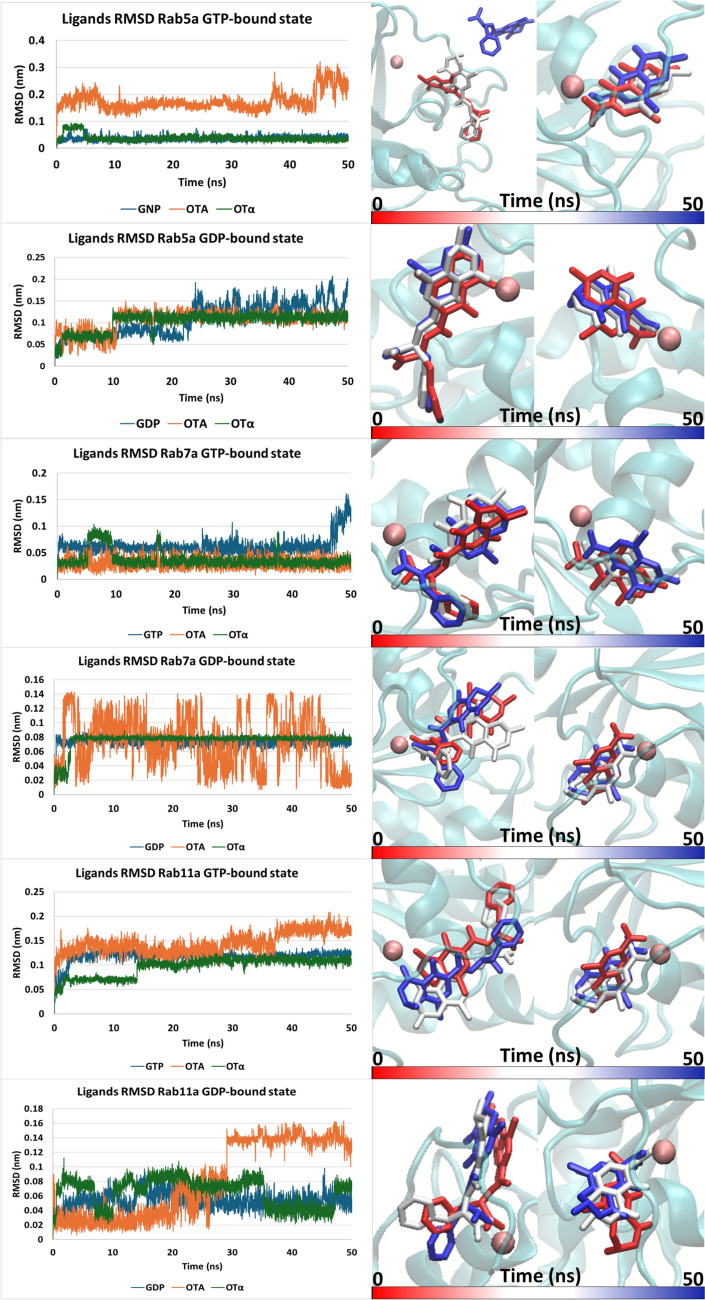 Figure 7
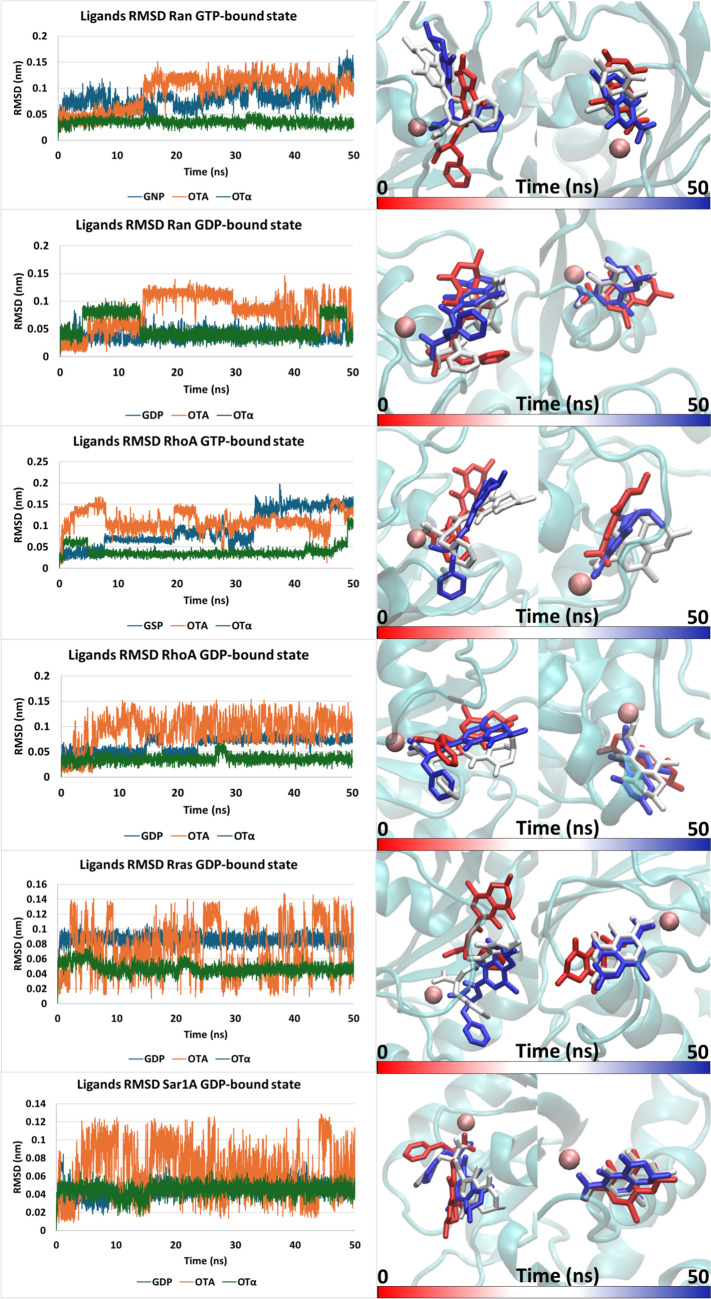 Figure 8
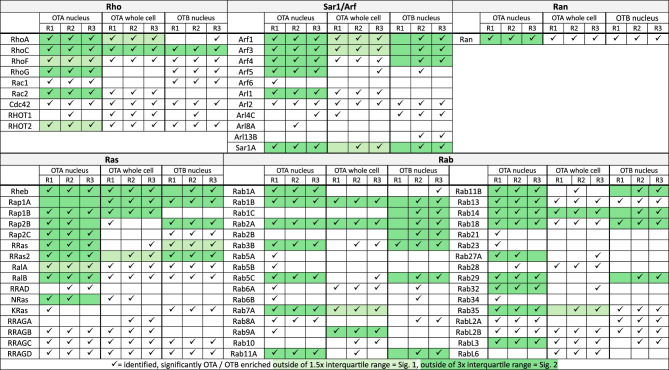 Figure 9
Peer Reviews
No public reviews on file for this paper yet. If you reviewed it on a platform where reviews are public (OpenReview, ICLR, NeurIPS, ICML), you can paste yours below so the community can read it here.
Videos
No videos yet. Explain this paper in a talk, walkthrough, or lecture? Add one.
Taxonomy
TopicsMycotoxins in Agriculture and Food · Insect Resistance and Genetics · Bacillus and Francisella bacterial research