A Rapid Fluorescence Quenching Assay for Total Levothyroxine Quantification in Pharmaceutical and Supratherapeutic Serum Samples
Enas T. Abdel-Salam, Zeinab M. Anwar, Ahmed Z. Ibrahim, Hend M. Musatfa

TL;DR
A new quick and affordable method uses fluorescence to measure levothyroxine in drugs and blood samples, offering a simpler alternative to existing techniques.
Contribution
A novel fluorescence quenching method for levothyroxine quantification with high accuracy and minimal interference.
Findings
The method has linear detection ranges of 8.00 × 10⁻⁶ – 6.40 × 10⁻⁵ mol/L and low detection limits.
Recovery rates in spiked human serum were 102–104%, indicating high accuracy.
Common drugs and ions showed minimal interference, making the method reliable for real-world samples.
Abstract
A rapid, cost-effective spectrofluorometric method was developed for levothyroxine (T4) detection using fluorescein isothiocyanate (FITC) as a fluorescent probe. The method exploits FITC fluorescence quenching by T4 in Tris/phosphate buffers (pH 7.4),with linear ranges of 8.00 × 10⁻⁶ – 6.40 × 10⁻⁵ mol/L and detection limits of 9.60 × 10⁻⁶ mol/L (Tris) and 8.80 × 10⁻⁶ mol/L (phosphate). Stern-Volmer analysis confirmed dynamic quenching dominated by electrostatic interactions. The method demonstrated 102–104% recovery in spiked human serum and minimal interference from common drugs (Ciprofloxacin, Alendronate) and ions (Fe³⁺, Al³⁺). Compared to HPLC and kinetic methods, this approach offers simplicity, speed, and accessibility for routine pharmaceutical/clinical analysis. The online version contains supplementary material available at 10.1007/s10895-025-04510-9.
Genes, proteins, chemicals, diseases, species, mutations and cell lines named across the full text — each resolved to its canonical identifier and authoritative record.
Click any figure to enlarge with its caption.
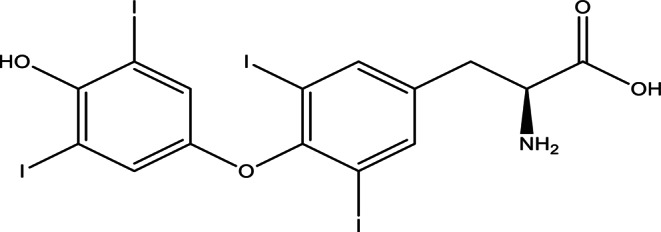 Figure 1
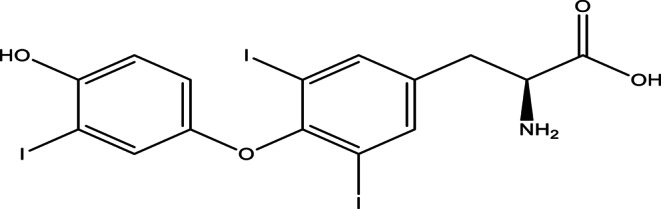 Figure 2
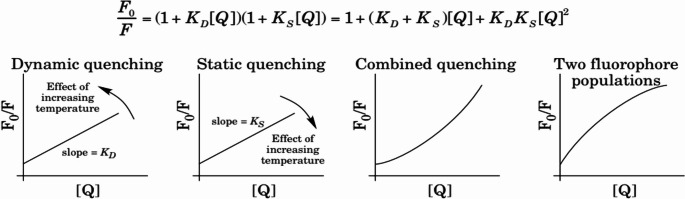 Figure 3
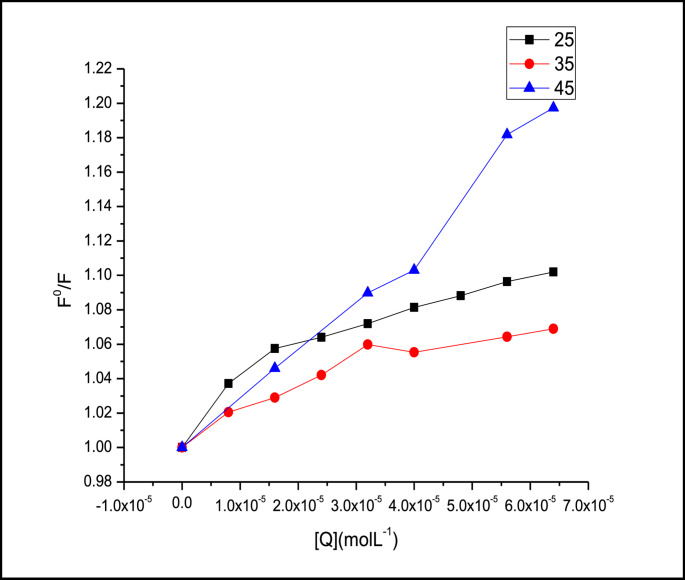 Figure 4
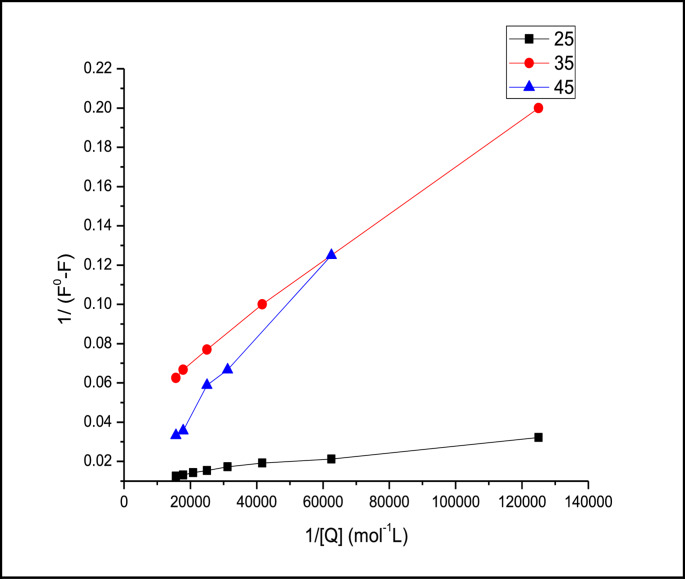 Figure 5
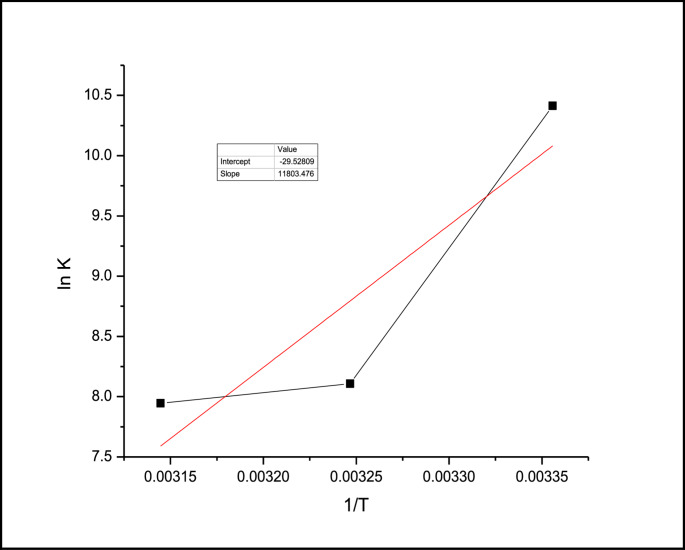 Figure 6
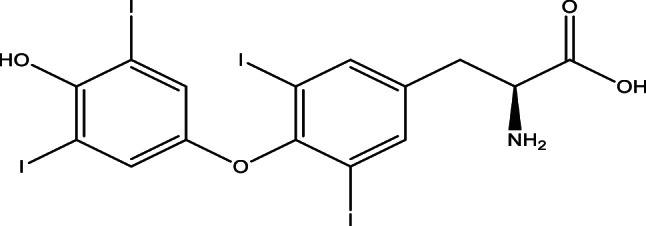 Figure 7
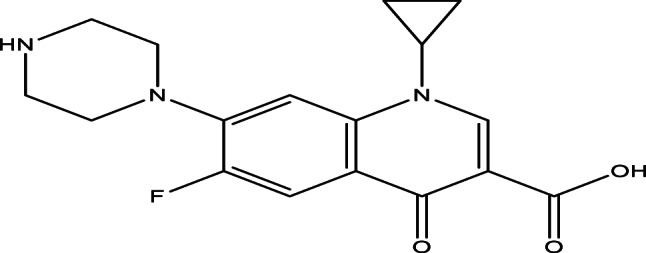 Figure 8
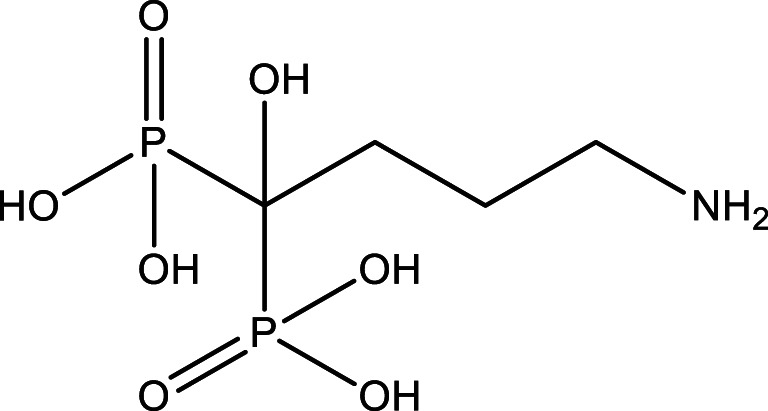 Figure 9
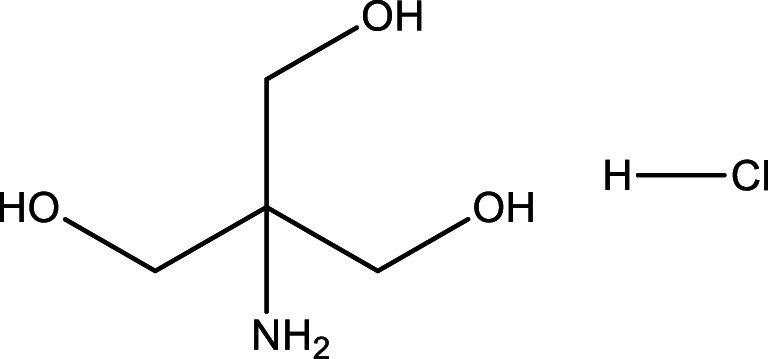 Figure 10
Peer Reviews
No public reviews on file for this paper yet. If you reviewed it on a platform where reviews are public (OpenReview, ICLR, NeurIPS, ICML), you can paste yours below so the community can read it here.
Videos
No videos yet. Explain this paper in a talk, walkthrough, or lecture? Add one.
Taxonomy
TopicsAnalytical Chemistry and Sensors · Electrochemical sensors and biosensors · Analytical Chemistry and Chromatography