Bipolar, not tetrapolar: mating system determination in Inonotus hispidus through genomic and phenotypic analysis
Yanqi Chen, Shoujian Li, Jiao Zhang, Yuqing Jiang, Mengran Zhao, Zhihao Hou, Chenyang Huang

TL;DR
This study reveals that Inonotus hispidus has a bipolar mating system and provides methods to identify homokaryotic strains, aiding in mushroom breeding and cultivation.
Contribution
First confirmation of a bipolar mating system in Inonotus hispidus using genomic and phenotypic analysis.
Findings
Single-spore isolates are multinucleate homokaryons, revising traditional concepts of mycelial types.
Growth rate differences between homokaryotic and heterokaryotic strains aid in homokaryon identification.
The mating system of I. hispidus is bipolar, contradicting earlier claims of a tetrapolar system.
Abstract
Inonotus hispidus is a traditional medicinal mushroom in China with significant potential for development of health products and future foods, owing to its diverse functional components and pharmacological activities. Recent advancements in cultivation techniques, coupled with growing market demand, have expanded the production scale of I. hispidus. Breeding superior strains is essential for industry progress, but the absence of clamp connections in I. hispidus complicates mating system studies, making accurate identification of homokaryotic strains a critical step. In this study, we first confirmed the multinucleate nature of both heterokaryotic and homokaryotic mycelia, revising the traditional concepts of monokaryotic and dikaryotic mycelia in this species. Additionally, the mating type loci of I. hispidus were identified through genome sequencing and homologous gene BLAST analysis.…
Genes, proteins, chemicals, diseases, species, mutations and cell lines named across the full text — each resolved to its canonical identifier and authoritative record.
Click any figure to enlarge with its caption.
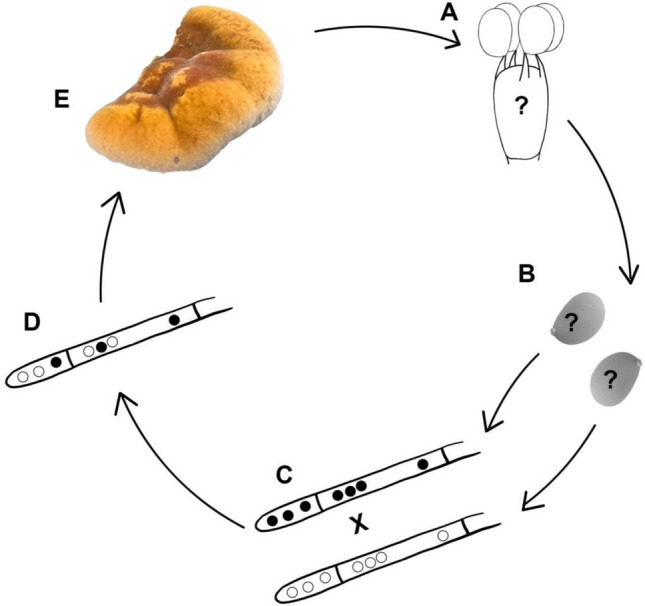 Figure 10
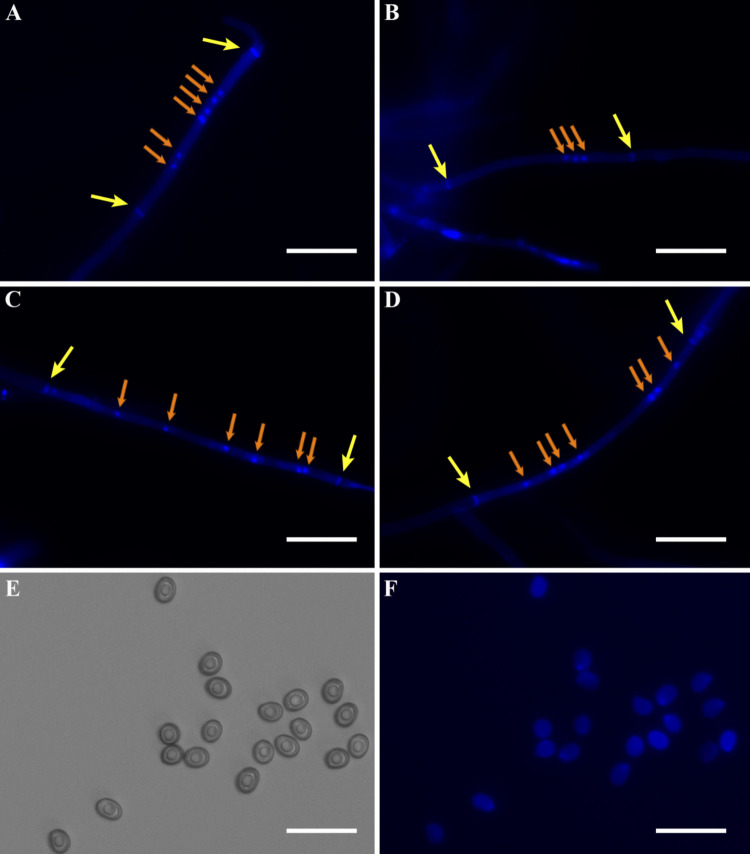 Figure 1
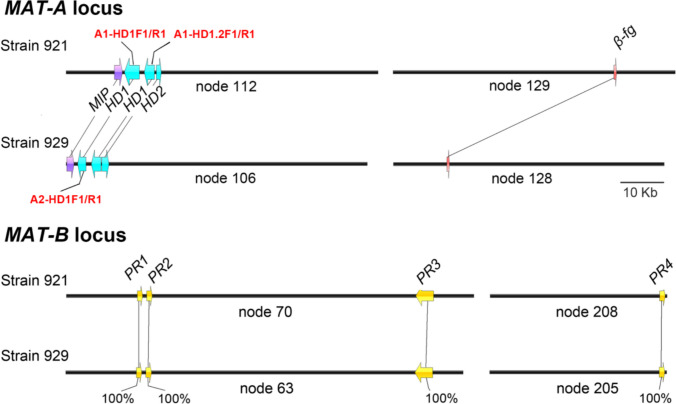 Figure 2
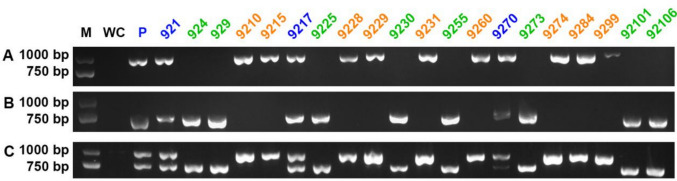 Figure 3
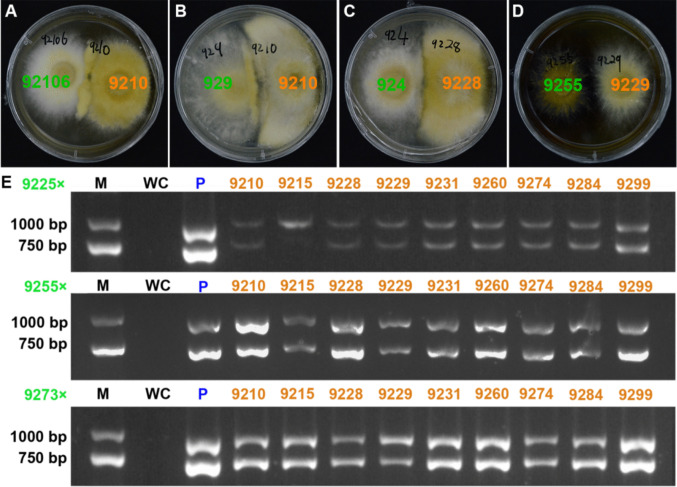 Figure 4
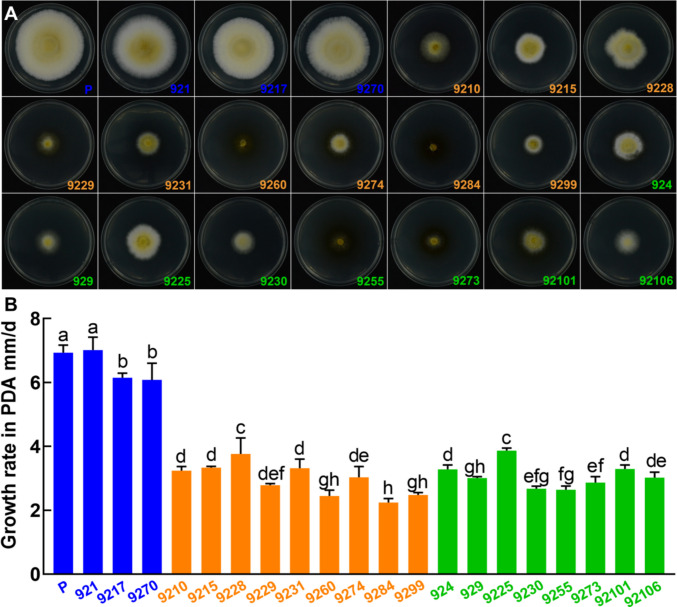 Figure 5
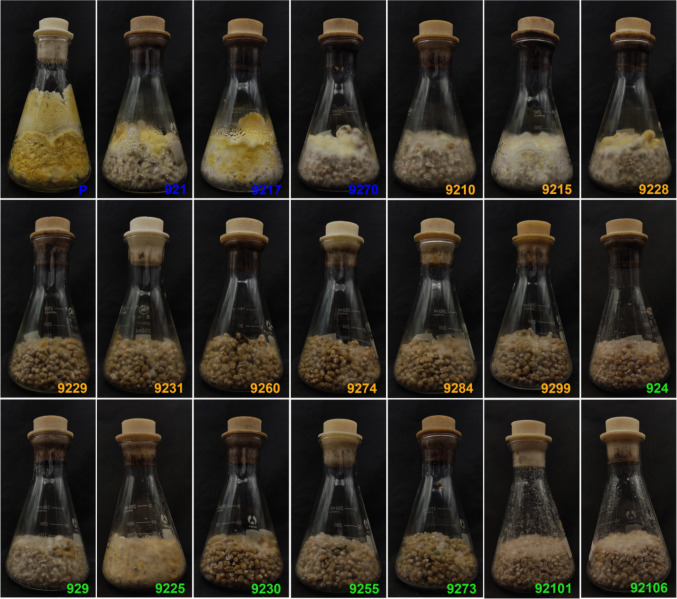 Figure 6
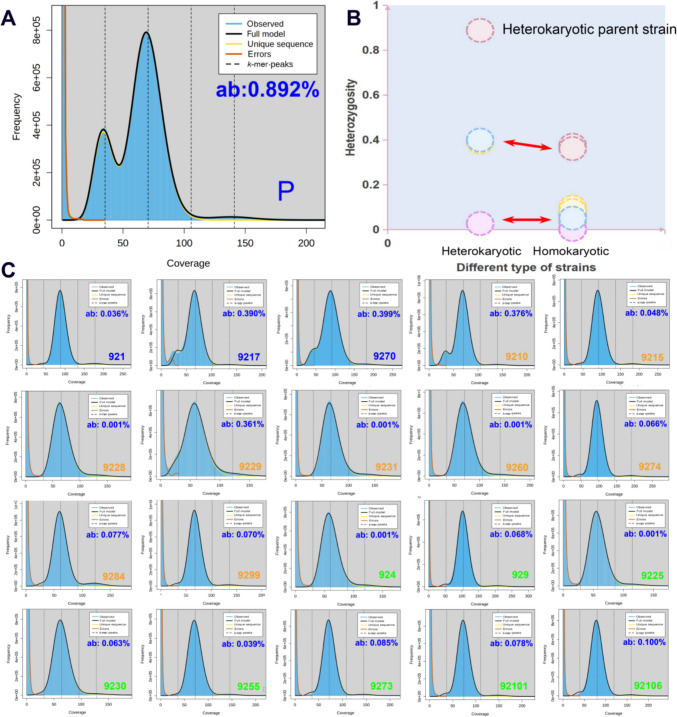 Figure 7
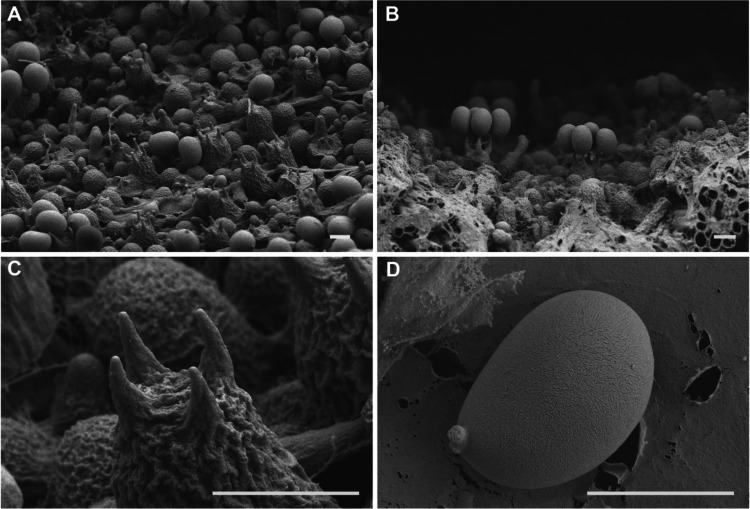 Figure 8
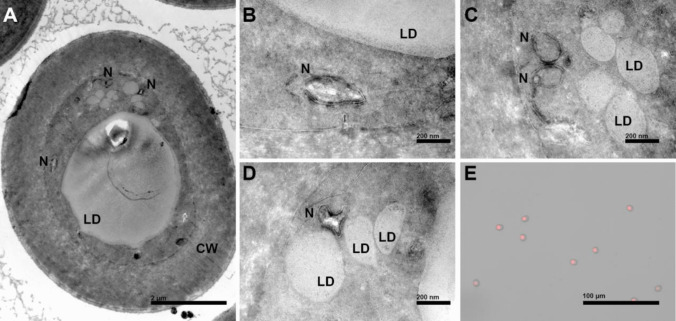 Figure 9
Peer Reviews
No public reviews on file for this paper yet. If you reviewed it on a platform where reviews are public (OpenReview, ICLR, NeurIPS, ICML), you can paste yours below so the community can read it here.
Videos
No videos yet. Explain this paper in a talk, walkthrough, or lecture? Add one.
Taxonomy
TopicsFungal Biology and Applications · Fungal and yeast genetics research · Polysaccharides and Plant Cell Walls