Treatment with rapamycin prevents induction and expression of locomotor sensitization to synthetic cathinone 3,4-methylenedioxypyrovalerone (MDPV) in mice
Jakub Wojcieszak, Katarzyna Kuczyńska, Jolanta B. Zawilska

TL;DR
Rapamycin prevents the development and expression of addiction-like behavior in mice exposed to MDPV, a synthetic stimulant.
Contribution
This study shows that rapamycin inhibits both induction and expression of locomotor sensitization to MDPV in mice.
Findings
Rapamycin administered during MDPV exposure prevents sensitization induction.
Rapamycin also blocks sensitization expression during MDPV withdrawal.
These results suggest mTOR signaling is crucial for sensitization to MDPV.
Abstract
3,4-Methylenedioxypyrovalerone (MDPV) is a potent psychostimulant substance endowed with addictive properties. As mammalian target of rapamycin (mTOR) mediates neuroadaptive changes responsible for development of addiction, the current study evaluated whether rapamycin, a potent and selective inhibitor of mTOR, prevents induction and expression of behavioral sensitization in mice treated with MDPV. Locomotor sensitization was used as an animal model of early phase of addiction. C57BL/6JRj mice were treated with rapamycin before administration of MDPV during the induction phase of sensitization, or during the final 5 days of the withdrawal. Sensitization was assessed based on the measurement of locomotor activity after treatment with MDPV. Rapamycin administered on days 1–7 inhibited induction of sensitization characterized by increased horizontal and vertical locomotor activity on day…
Genes, proteins, chemicals, diseases, species, mutations and cell lines named across the full text — each resolved to its canonical identifier and authoritative record.
Click any figure to enlarge with its caption.
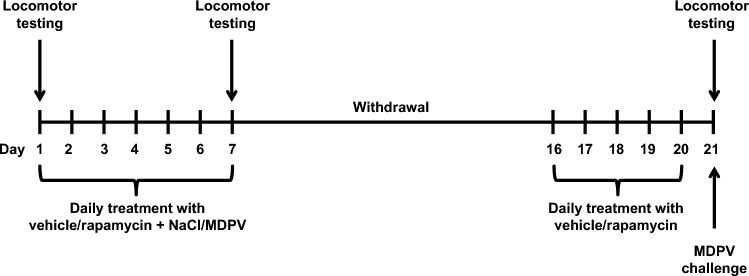 Figure 1
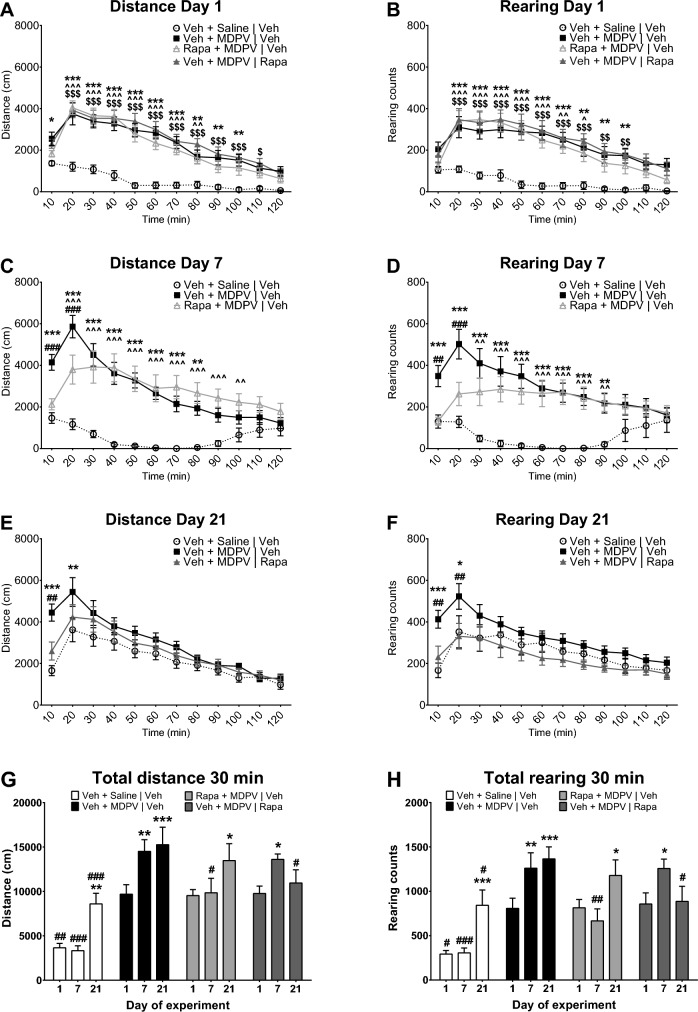 Figure 2
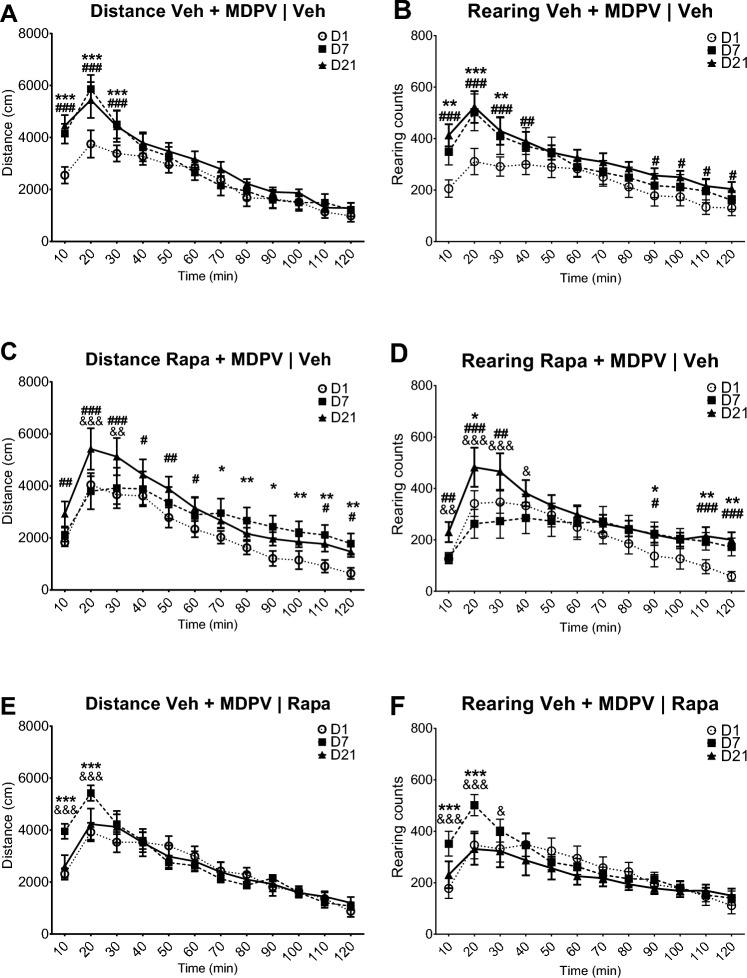 Figure 3
Peer Reviews
No public reviews on file for this paper yet. If you reviewed it on a platform where reviews are public (OpenReview, ICLR, NeurIPS, ICML), you can paste yours below so the community can read it here.
Videos
No videos yet. Explain this paper in a talk, walkthrough, or lecture? Add one.
Taxonomy
TopicsForensic Toxicology and Drug Analysis · Mast cells and histamine · Nicotinic Acetylcholine Receptors Study