Integration of ERT and Geotechnical Investigation for River Restoration: A Case Study of Dam Removal Site Characterization
Mohammadyar Rahimi, Clinton M. Wood, Kevin M. Befus, Jordan J. Holt, Graham Thompson, Mersad Fathizadeh

TL;DR
This paper shows how combining electrical resistivity tomography and geotechnical methods helps map subsurface conditions for river restoration after dam removal.
Contribution
The novel contribution is an integrated methodology using ERT and geotechnical surveys to characterize subsurface erosion risks in post-dam removal river systems.
Findings
Low-resistivity zones (<100 Ωm) indicate water-saturated fine-grained sediments prone to erosion.
Moderate-resistivity layers (100–600 Ωm) correspond to stable coarse-grained materials like gravel bars.
High-resistivity zones (>1000 Ωm) reveal competent bedrock and erosion patterns post-dam failure.
Abstract
This study presents a comprehensive subsurface characterization methodology integrating electrical resistivity tomography (ERT) geophysics with traditional geotechnical investigations for river restoration planning at a former dam site. The investigation was conducted on Little Sugar Creek (contributing watershed area of 222 km² and mean annual discharge of 7 m³/s) in Bentonville, Arkansas, following the 2021 failure of the 5-m tall Lake Bella Vista dam. Eleven ERT surveys, incorporating both terrestrial and underwater electrodes, were validated with thirteen borehole investigations to characterize subsurface conditions across the study area. Results showed that near-surface low-resistivity zones (<100 Ωm) corresponded to water-saturated fine-grained sediments are prone to erosion, while moderate-resistivity layers (100–600 Ωm) indicated more stable coarse-grained materials.…
Genes, proteins, chemicals, diseases, species, mutations and cell lines named across the full text — each resolved to its canonical identifier and authoritative record.
Click any figure to enlarge with its caption.
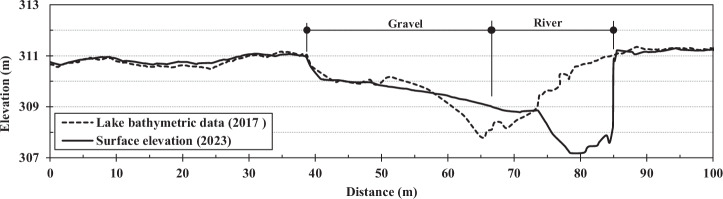 Figure 10
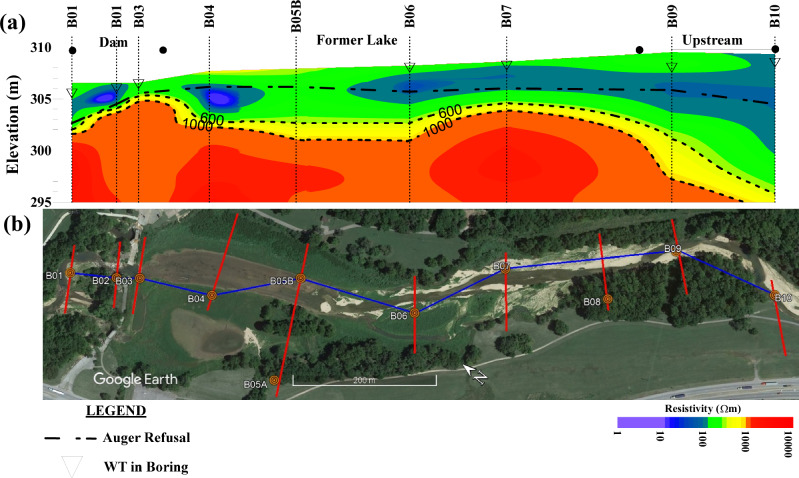 Figure 11
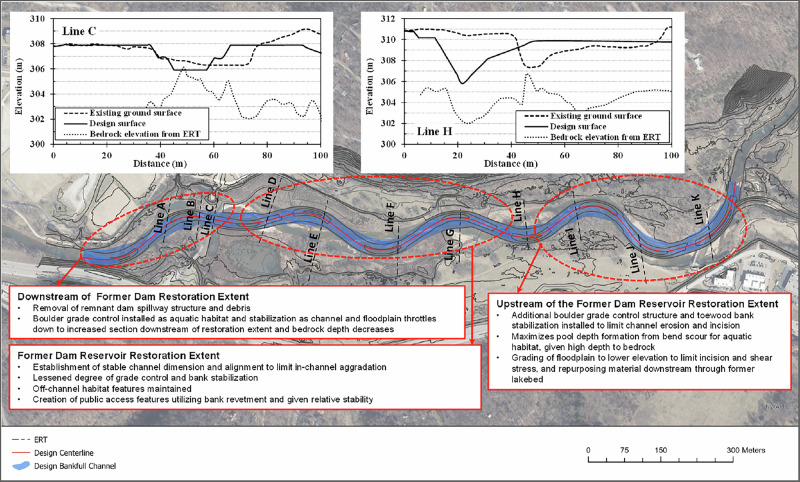 Figure 12
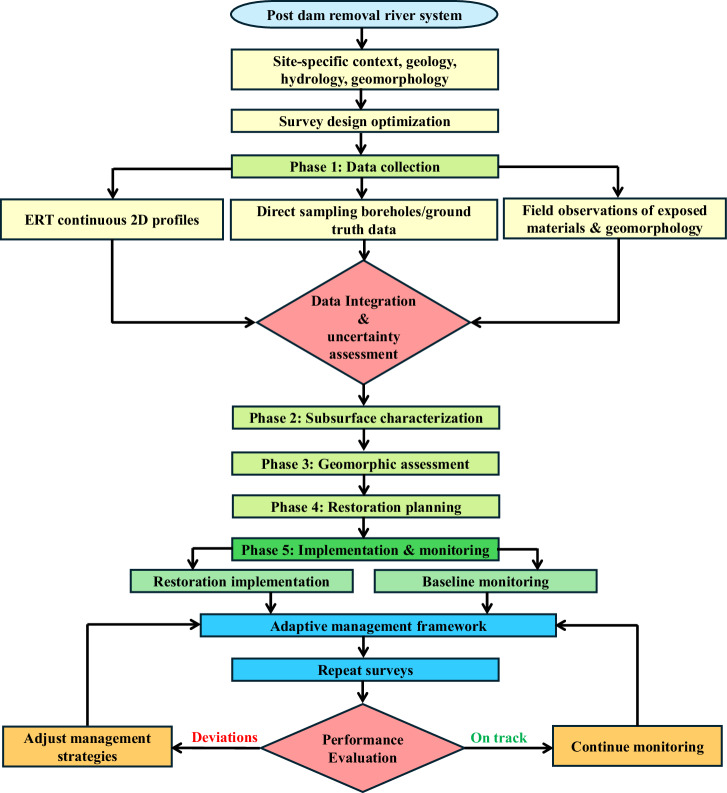 Figure 13
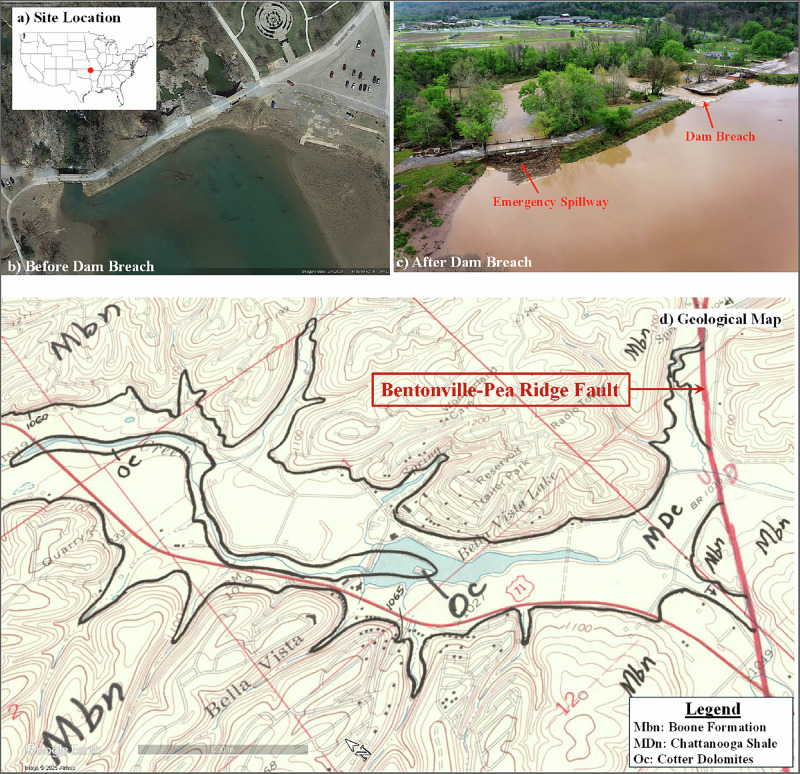 Figure 1
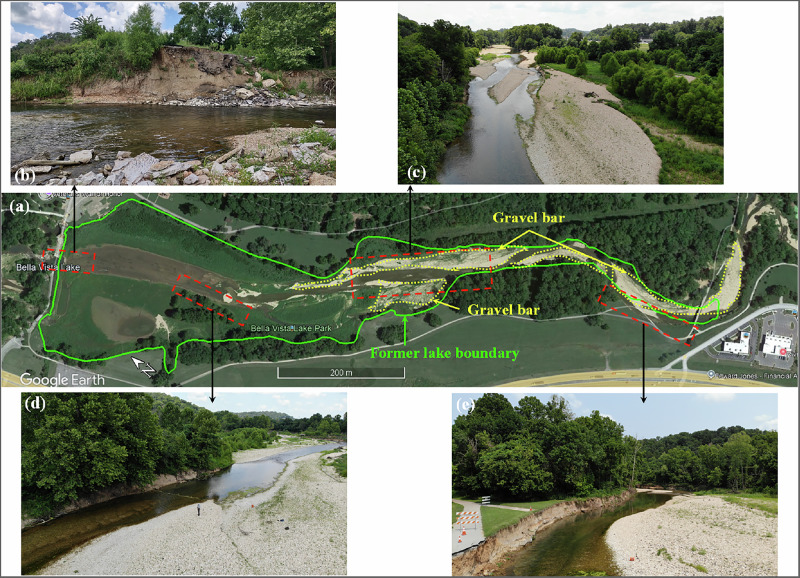 Figure 2
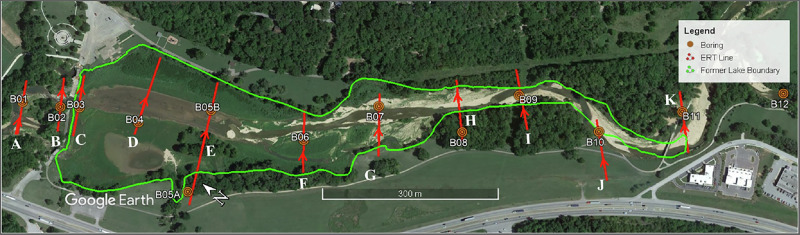 Figure 3
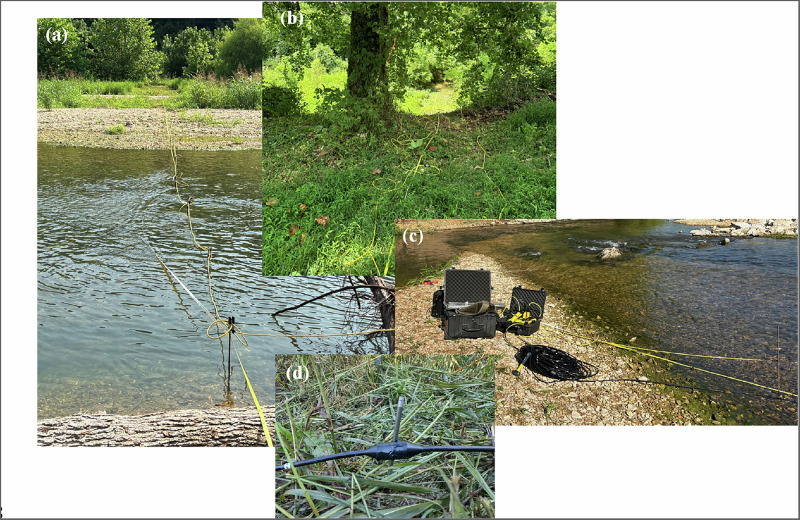 Figure 4
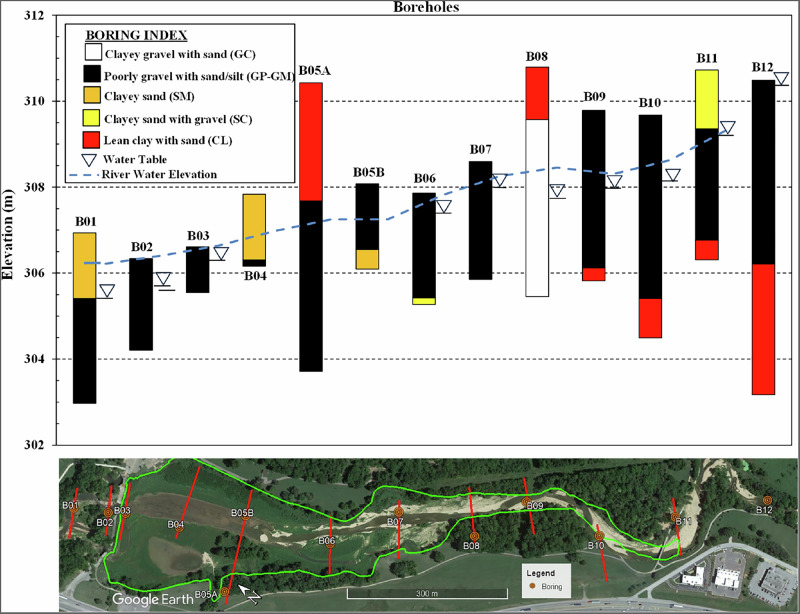 Figure 5
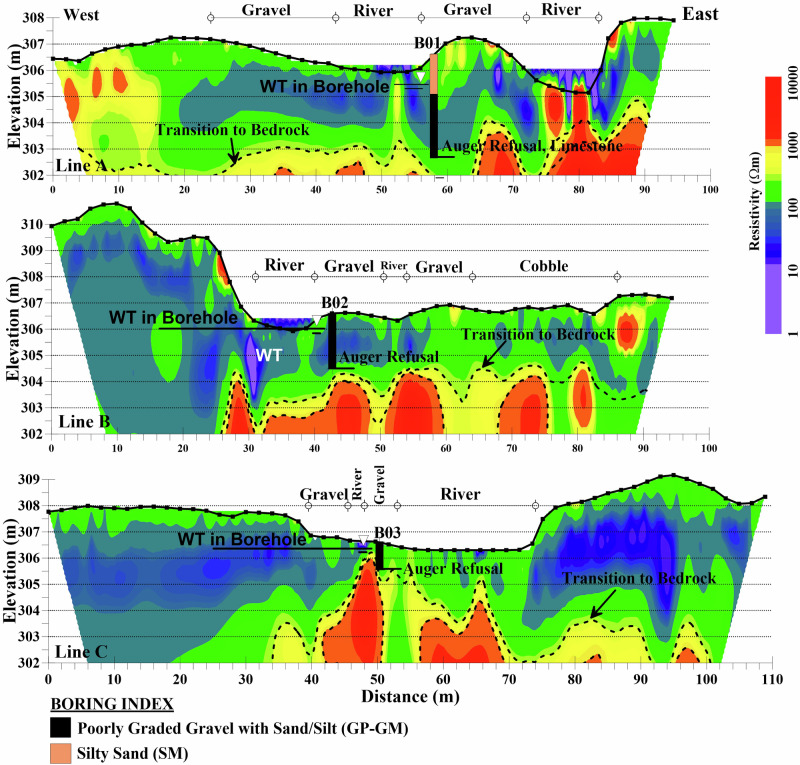 Figure 6
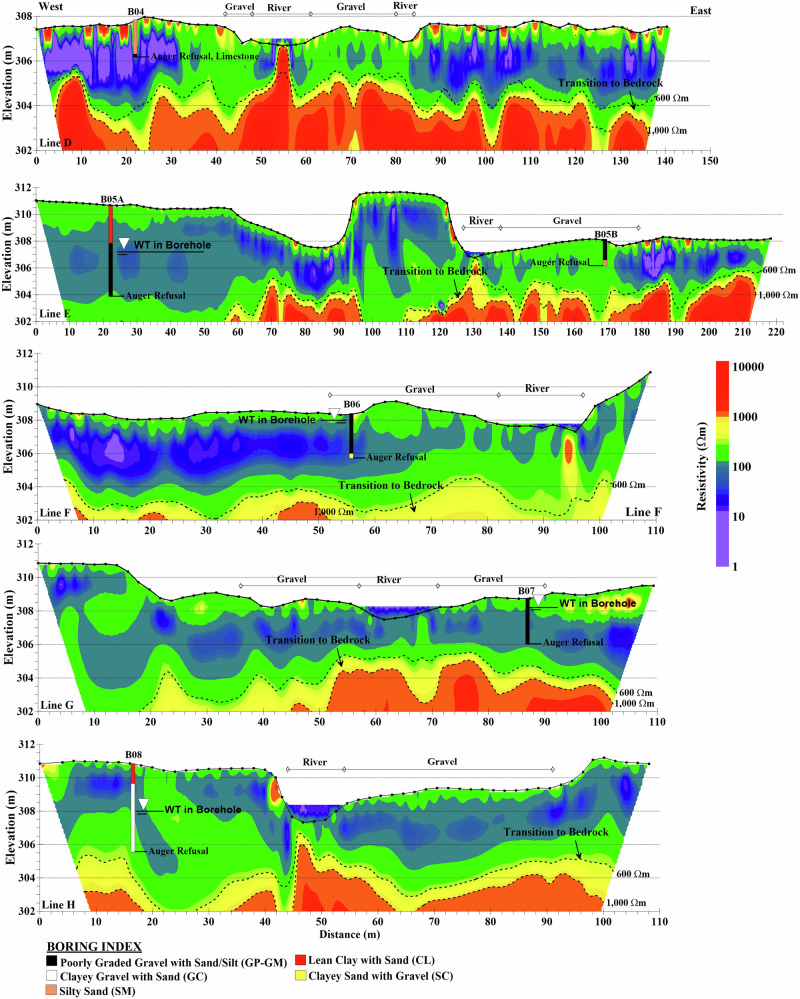 Figure 7
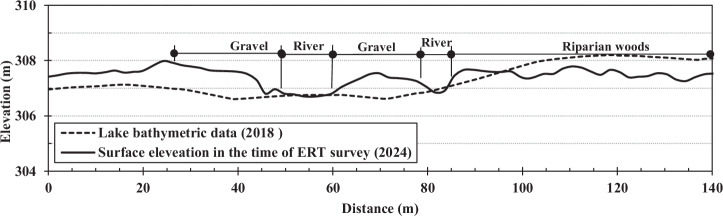 Figure 8
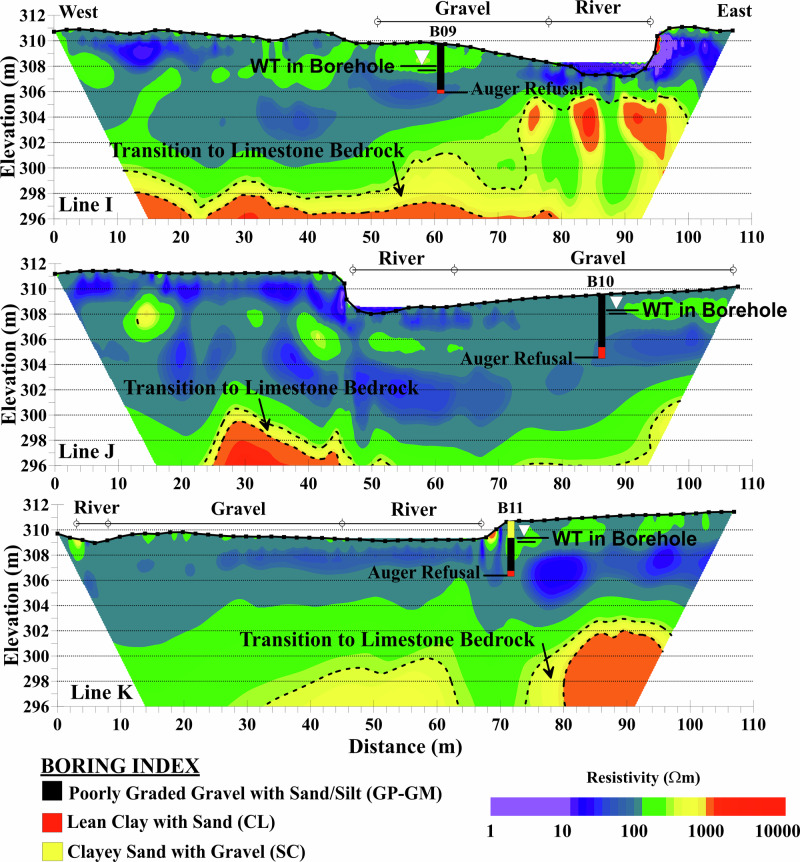 Figure 9
Peer Reviews
No public reviews on file for this paper yet. If you reviewed it on a platform where reviews are public (OpenReview, ICLR, NeurIPS, ICML), you can paste yours below so the community can read it here.
Videos
No videos yet. Explain this paper in a talk, walkthrough, or lecture? Add one.
Taxonomy
TopicsGeophysical and Geoelectrical Methods · Dam Engineering and Safety · Electrokinetic Soil Remediation Techniques