Environmental occurrence of optrA-mediated linezolid resistance in Enterococcus isolates and genomic insights into Enterococcus faecium ST54 co-harboring optrA, poxtA, and cfr(D) genes
Lucas David Rodrigues Dos Santos, João Pedro Rueda Furlan, Rafael da Silva Rosa, Micaela Santana Ramos, Letícia Franco Gervasoni, Eduardo Angelino Savazzi, Teresa Nogueira, Eliana Guedes Stehling

TL;DR
This study finds linezolid-resistant Enterococcus bacteria in Brazilian aquatic environments, highlighting the spread of antibiotic resistance genes in nature.
Contribution
The study reports the first environmental occurrence of Enterococcus faecium ST54 co-harboring optrA, poxtA, and cfr(D) genes in South America.
Findings
181 Enterococcus isolates were obtained, with 37% carrying the optrA gene.
One E. faecium isolate (EW1587) co-harbored optrA, poxtA, and cfr(D) genes and belonged to ST54.
The resistance genes were plasmid-borne and remained stable in vitro for 30 days.
Abstract
Linezolid-resistant Enterococcus species have emerged worldwide, with resistance mainly driven by plasmid-borne optrA, poxtA, and cfr genes. While the optrA gene has been increasingly identified in humans and animals, its presence in the environmental sector remains poorly studied, especially in South America. This study aimed to investigate and characterize linezolid resistance genes in isolates of Enterococcus faecium and Enterococcus faecalis obtained from aquatic ecosystems in 51 cities in the state of São Paulo, Brazil. Phenotypic, molecular, and genomic analyses were used for this proposal. Accordingly, 181 Enterococcus isolates were obtained, with 67 (37%) harboring the optrA gene. Most isolates exhibited multidrug resistance, and the minimum inhibitory concentration to linezolid ranged from 0.5 to > 64 mg/L. Several virulence genes and plasmid replicons were observed, with gelE…
Genes, proteins, chemicals, diseases, species, mutations and cell lines named across the full text — each resolved to its canonical identifier and authoritative record.
Click any figure to enlarge with its caption.
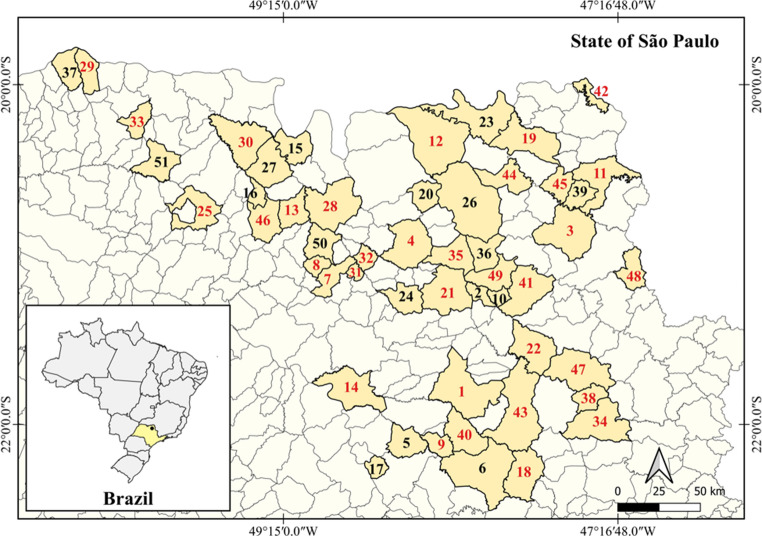 Figure 1
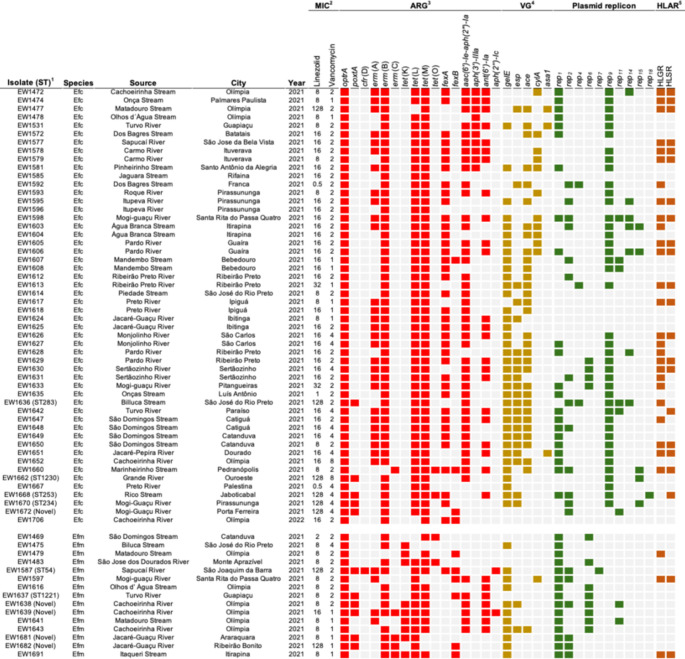 Figure 2
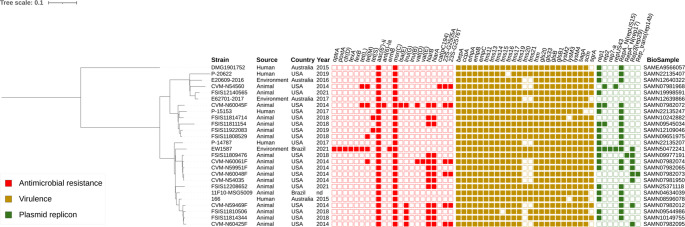 Figure 3
Peer Reviews
No public reviews on file for this paper yet. If you reviewed it on a platform where reviews are public (OpenReview, ICLR, NeurIPS, ICML), you can paste yours below so the community can read it here.
Videos
No videos yet. Explain this paper in a talk, walkthrough, or lecture? Add one.
Taxonomy
TopicsAntimicrobial Resistance in Staphylococcus · Bacterial biofilms and quorum sensing · Milk Quality and Mastitis in Dairy Cows