Highly enantioselective reduction of benzophenones by engineered Geotrichum candidum alcohol dehydrogenase
Zhongyao Tang, Guillermo Germán Otárola Tejada, Afifa Ayu Koesoema, Tomoko Matsuda

TL;DR
Engineered enzymes from Geotrichum candidum can efficiently and selectively reduce benzophenones to chiral alcohols, useful in drug production.
Contribution
Engineered GcAPRD mutants show high enantioselectivity and activity for challenging benzophenone reductions.
Findings
Trp288Ala and Phe56Ile/Trp288Ala mutants achieved ≥80% reduction yield for benzophenone and its analogs.
Trp288Ala produced (R)-alcohols with up to 97% ee for 3- and 4-substituted substrates.
Phe56Ile/Trp288Ala showed substituent-dependent enantioselectivity, producing (R)- and (S)-alcohols with up to 92% ee.
Abstract
Biocatalytic approaches have gained increasing attention as sustainable alternatives to metal-catalyzed asymmetric reductions of ketones to obtain enantiopure alcohols, important intermediates for pharmaceutical synthesis. For example, enzyme-catalyzed reduction of substituted benzophenone analogs to produce chiral diaryl methanols has attracted interest, as they are the key intermediates in the synthesis of antihistamines. However, benzophenone analogs are difficult to be reduced by enzymes due to steric hindrance. Moreover, the similarities between the two groups adjacent to the carbonyl group make achieving high enantioselectivity in reduction challenging. In this study, we examined the reduction of benzophenone and its analogs by Geotrichum candidum acetophenone reductase (GcAPRD). However, the wild type did not exhibit activity toward benzophenone due to the substrate’s bulkiness.…
Genes, proteins, chemicals, diseases, species, mutations and cell lines named across the full text — each resolved to its canonical identifier and authoritative record.
Click any figure to enlarge with its caption.
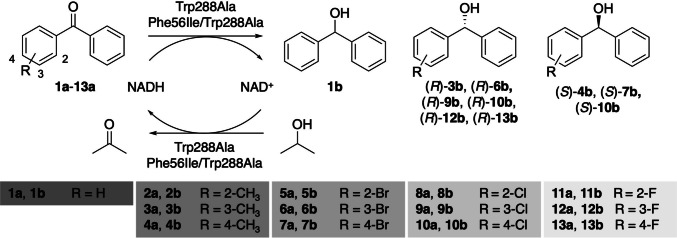 Figure 1
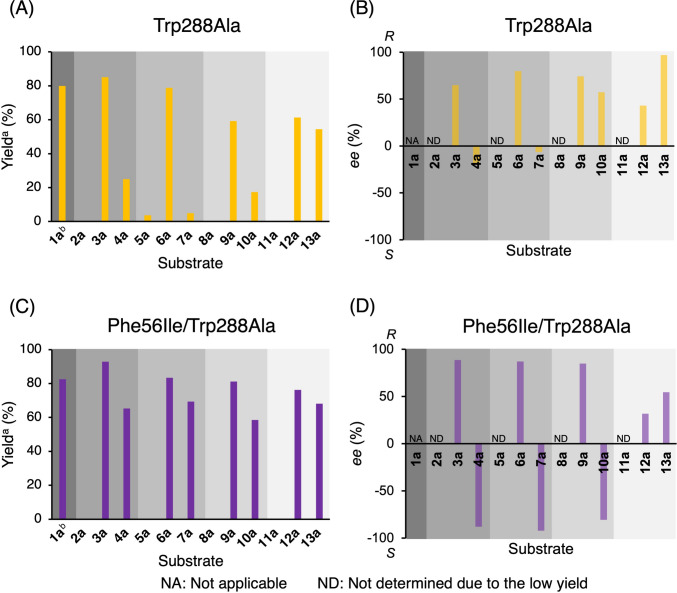 Figure 2
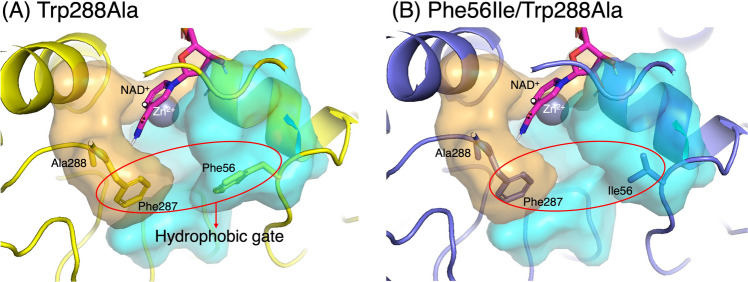 Figure 3
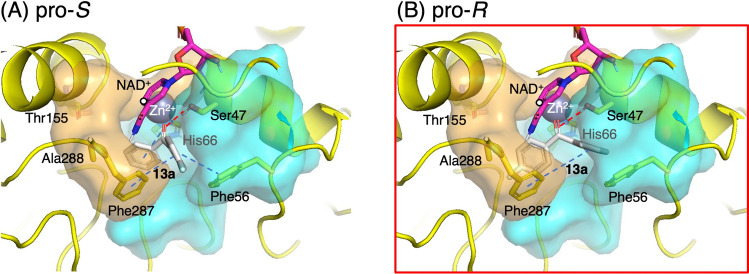 Figure 4
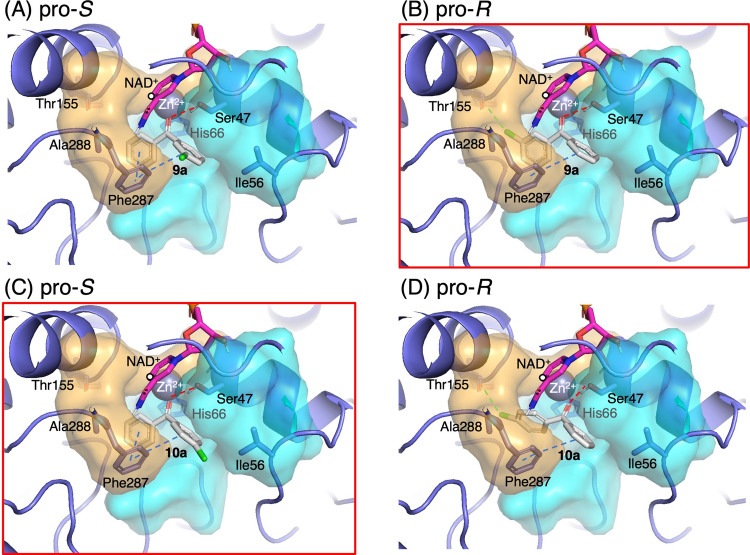 Figure 5
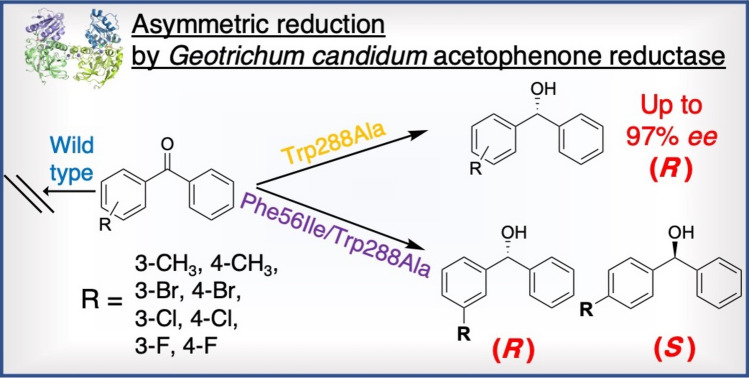 Figure 6
Peer Reviews
No public reviews on file for this paper yet. If you reviewed it on a platform where reviews are public (OpenReview, ICLR, NeurIPS, ICML), you can paste yours below so the community can read it here.
Videos
No videos yet. Explain this paper in a talk, walkthrough, or lecture? Add one.
Taxonomy
TopicsEnzyme Catalysis and Immobilization · Steroid Chemistry and Biochemistry · Pharmacogenetics and Drug Metabolism