A Novel AP4M1 Variant in an Iranian Child with Spastic Paraplegia 50: A Case Report and Molecular Docking Approach
Hamed Esmaeil Lashgarian, Masumeh Jalalvand, Maryam Zand, Amirmasoud Jalalvand, Leila Abkhooie, Fatemeh Kazemisafa, Hamidreza Khodadadi

TL;DR
A rare genetic disorder called SPG50 was identified in an Iranian child through a novel AP4M1 gene variant, using sequencing and molecular modeling.
Contribution
A novel homozygous frameshift variant in AP4M1 is reported, expanding the genetic understanding of SPG50.
Findings
A novel AP4M1 variant c.258delG:p.A87Pfs*44 was identified in a child with SPG50.
Molecular modeling showed the variant disrupts intramolecular interactions in the AP4M1 protein.
The study highlights the importance of this variant for genetic diagnosis in affected families.
Abstract
Spastic paraplegia 50 (SPG50) is a rare autosomal recessive disorder caused by mutations in the AP4M1 gene (OMIM 602296). It is characterized by spasticity, severe intellectual disability, and delayed or absent speech. The present study reported a case from consanguineous parents, where the affected child presented with intellectual disability, seizures, muscle weakness, and deep white matter hyperintensity. Whole exome sequencing (WES) of the proband identified a novel, homozygous frameshift variant, c.258delG:p.A87Pfs*44, in the AP4M1 gene, which was confirmed by Sanger sequencing. This variant is predicted to cause a large truncation of the protein, leading to a loss of function. Molecular modeling and docking analyses further revealed that the loss of a substantial protein segment disrupts proper intramolecular interactions. A review of the literature on Iranian families with SPG50…
Genes, proteins, chemicals, diseases, species, mutations and cell lines named across the full text — each resolved to its canonical identifier and authoritative record.
Click any figure to enlarge with its caption.
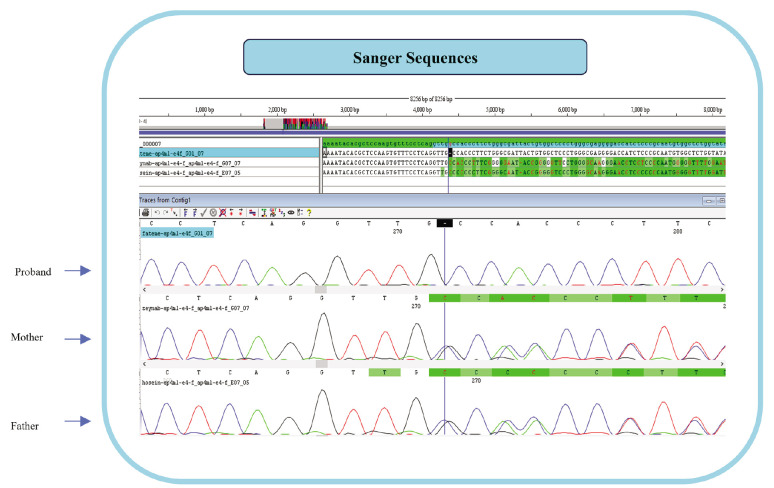 Figure 1
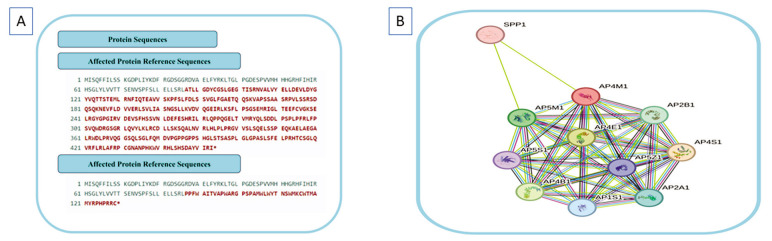 Figure 2
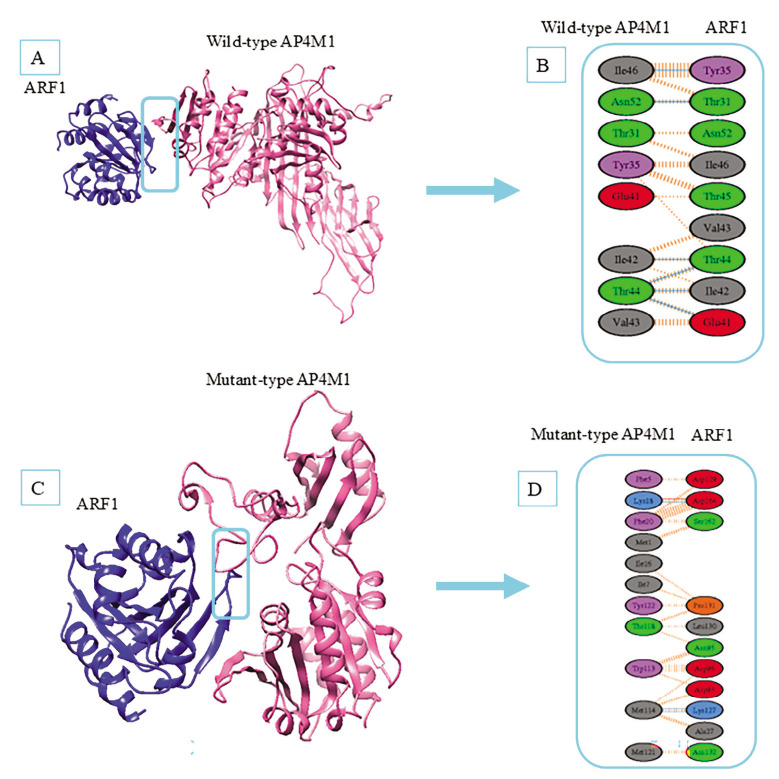 Figure 3
Peer Reviews
No public reviews on file for this paper yet. If you reviewed it on a platform where reviews are public (OpenReview, ICLR, NeurIPS, ICML), you can paste yours below so the community can read it here.
Videos
No videos yet. Explain this paper in a talk, walkthrough, or lecture? Add one.
Taxonomy
TopicsHereditary Neurological Disorders · Genomics and Rare Diseases · Peripheral Neuropathies and Disorders