The Association Between Media Use for Parenting Information (MUPI) and Parenting Knowledge, Attitudes and Practices Among Parents of Children Aged 6–19 Years
Pornnapasorn Nguansiri, Komsan Kiatrungrit, Sirichai Hongsanguansri, Nitchawan Jongrakthanakij, Wanlop Atsariyasing, Vilawan Chirdkiatgumchai, Chosita Pavasuthipaisit

TL;DR
This study explores how different types of digital media used by Thai parents for parenting information affect their parenting knowledge, attitudes, and practices.
Contribution
The study identifies distinct associations between specific media formats and parenting outcomes, emphasizing the need for quality digital resources.
Findings
Reading online materials is linked to higher parenting knowledge and positive practices.
Short-form video content is associated with lower parenting knowledge and inconsistent discipline.
Thai parents prefer content from health professionals and underutilize parenting apps and government websites.
Abstract
The rise of digital media has significantly altered how parents access information regarding child development and parenting. While such platforms provide accessible support, the influence of different media formats on parenting outcomes remains underexplored. This study aimed to (1) assess the frequency of media use for parenting information (MUPI) and (2) examine its associations with parenting knowledge, attitudes and practices among Thai parents of children aged 6–19 years. A cross‐sectional study was conducted with 445 parents recruited through social media and in‐person outreach at hospitals and schools. Participants completed four validated self‐report instruments: the MUPI questionnaire, the Child and Adolescent parenting Knowledge Evaluation (CAKE), the Parenting Sense of Competence Scale (PSOC) and the Alabama Parenting Questionnaire (APQ). Descriptive statistics, Kendall's…
Genes, proteins, chemicals, diseases, species, mutations and cell lines named across the full text — each resolved to its canonical identifier and authoritative record.
Click any figure to enlarge with its caption.
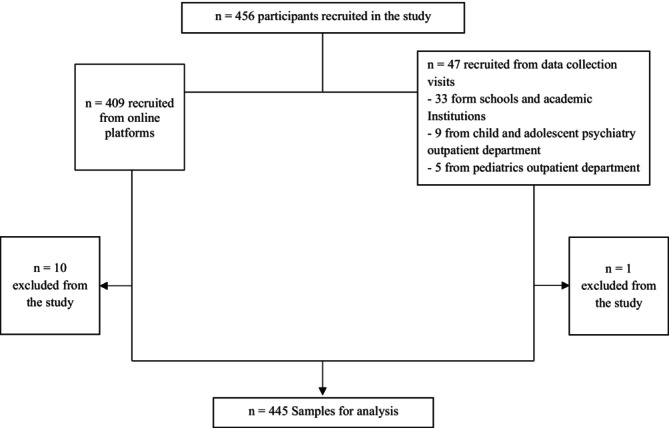 Figure 1
Peer Reviews
No public reviews on file for this paper yet. If you reviewed it on a platform where reviews are public (OpenReview, ICLR, NeurIPS, ICML), you can paste yours below so the community can read it here.
Videos
No videos yet. Explain this paper in a talk, walkthrough, or lecture? Add one.
Taxonomy
TopicsChild Development and Digital Technology · Health Literacy and Information Accessibility · Child and Adolescent Psychosocial and Emotional Development