Anatomical Variations of the Temporalis Muscle: A Magnetic Resonance Imaging–Based Study
Adrian Okoń, Ingrid C. Landfald, Michał Podgórski, Roman Frach, George Triantafyllou, Łukasz Olewnik

TL;DR
This study uses MRI scans to examine variations in the temporalis muscle, revealing differences in muscle layers and hypoplasia that could impact diagnosis and treatment of jaw-related disorders.
Contribution
The study identifies new anatomical classifications of the temporalis muscle based on MRI data, highlighting sex-related differences in hypoplasia.
Findings
Significant anatomical variability in the temporalis muscle was observed across participants.
Hypoplasia in the posterior portion of the superficial layer was more common in males.
Three distinct anatomical classifications of the muscle were identified based on layer presence and hypoplasia.
Abstract
The temporalis muscle is a key masticatory muscle involved in jaw movement, specifically in the elevation and retraction of the mandible. This muscle has a complex anatomical structure, which includes both superficial and deep layers that are vital for its function. Variability in the muscle’s morphology can influence its efficiency in chewing and may play a role in several clinical conditions, such as temporomandibular joint disorders (TMDs) and bruxism. Understanding the anatomical variations in the temporalis muscle is essential for improving diagnostic accuracy and treatment approaches. This study included 34 female participants (age: median 48.5 [36–64] years) and 24 male participants (age: median 47.5 [37–68] years). MRI scans were used to assess the anatomy of the temporalis muscle, focusing on the presence of both superficial and deep muscle layers. The presence of a…
Genes, proteins, chemicals, diseases, species, mutations and cell lines named across the full text — each resolved to its canonical identifier and authoritative record.
Click any figure to enlarge with its caption.
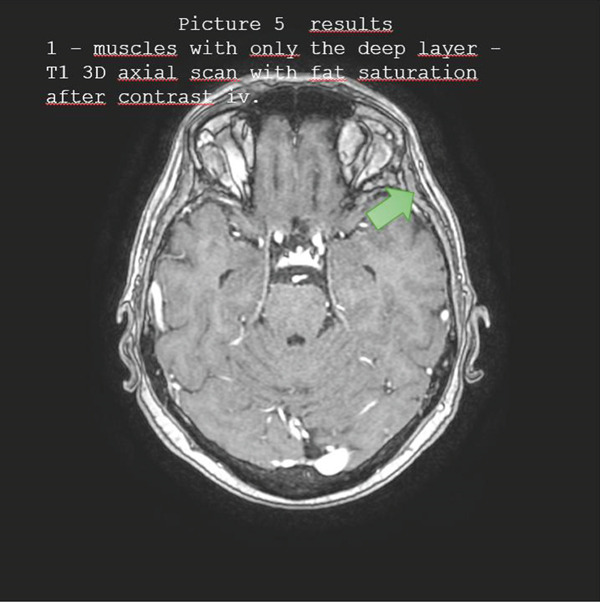 Figure 1
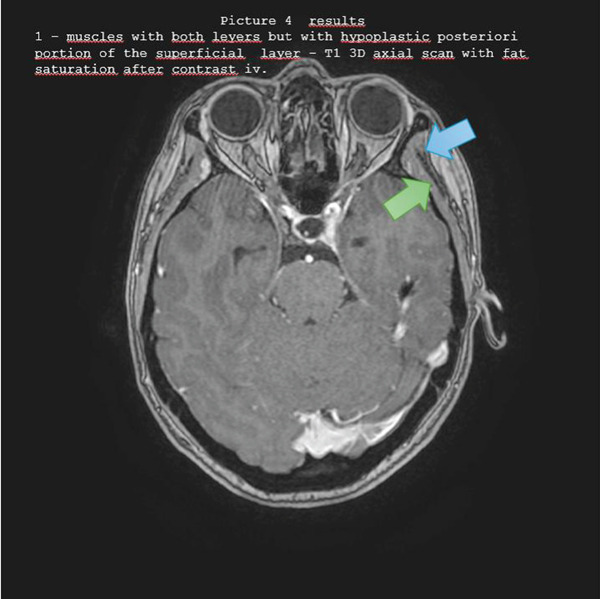 Figure 2
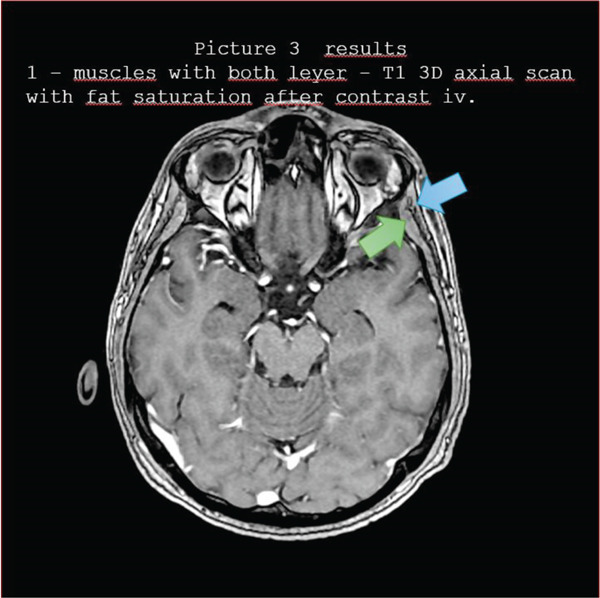 Figure 3
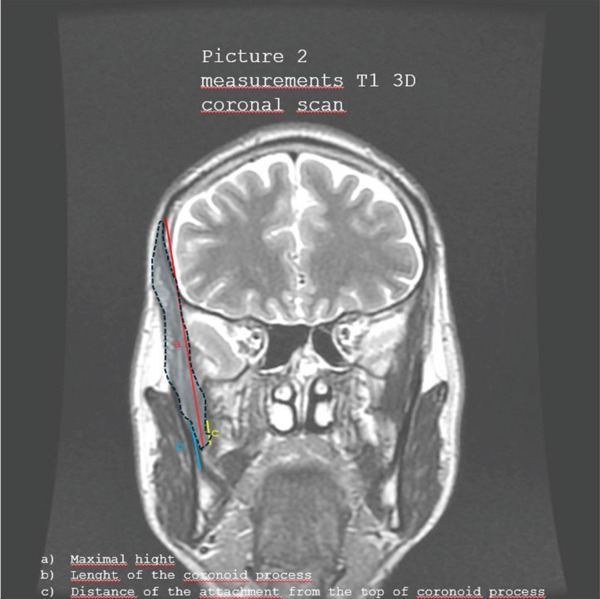 Figure 4
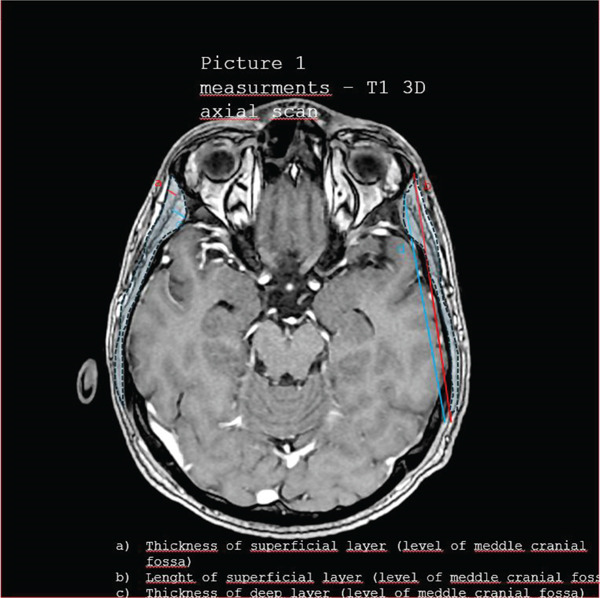 Figure 5
Peer Reviews
No public reviews on file for this paper yet. If you reviewed it on a platform where reviews are public (OpenReview, ICLR, NeurIPS, ICML), you can paste yours below so the community can read it here.
Videos
No videos yet. Explain this paper in a talk, walkthrough, or lecture? Add one.
Taxonomy
TopicsTemporomandibular Joint Disorders · Oral and Craniofacial Lesions · Orthodontics and Dentofacial Orthopedics