N6-methyladenosine (m6A) modification of TXNIP in 3′UTR instigates abdominal aorta aneurysm in mice
Fransky Hantelys, Wenfeng Yin, Ming Hui Zou

TL;DR
This study shows how a specific RNA modification in the TXNIP gene contributes to the development of abdominal aortic aneurysms in mice.
Contribution
The paper reveals a novel m6A-dependent regulatory mechanism controlling TXNIP expression in vascular smooth muscle cells during aneurysm progression.
Findings
TXNIP upregulation in vascular smooth muscle cells drives abdominal aortic aneurysm formation.
m6A modification in the TXNIP 3′UTR promotes cap-independent translation via YTHDF1 binding.
YTHDF2 downregulation stabilizes TXNIP mRNA in aneurysm conditions.
Abstract
The thioredoxin-interacting protein (TXNIP) pathway is a central regulator of oxidative stress and contributes to vascular pathology. Here, we define how stress-responsive mRNA methylation controls TXNIP expression and drives abdominal aortic aneurysm (AAA). In angiotensin II (AngII)-infused ApoE−/− mice, TXNIP was markedly elevated in vascular smooth muscle cells (VSMCs), as confirmed by histological, protein, and transcript analyses. VSMC-specific TXNIP deletion (ApoE−/−TXNIPSM−/−) significantly reduced AAA incidence, aortic remodeling, and elastic fiber degradation, establishing its essential role in disease progression. Mechanistic studies revealed that elevated m6A methylation, catalyzed by METTL3, promoted TXNIP translation via YTHDF1 binding to m6A sites within the 3′ untranslated region (UTR), whereas YTHDF2 downregulation in AAA stabilized TXNIP transcripts. TXNIP translation…
Genes, proteins, chemicals, diseases, species, mutations and cell lines named across the full text — each resolved to its canonical identifier and authoritative record.
Click any figure to enlarge with its caption.
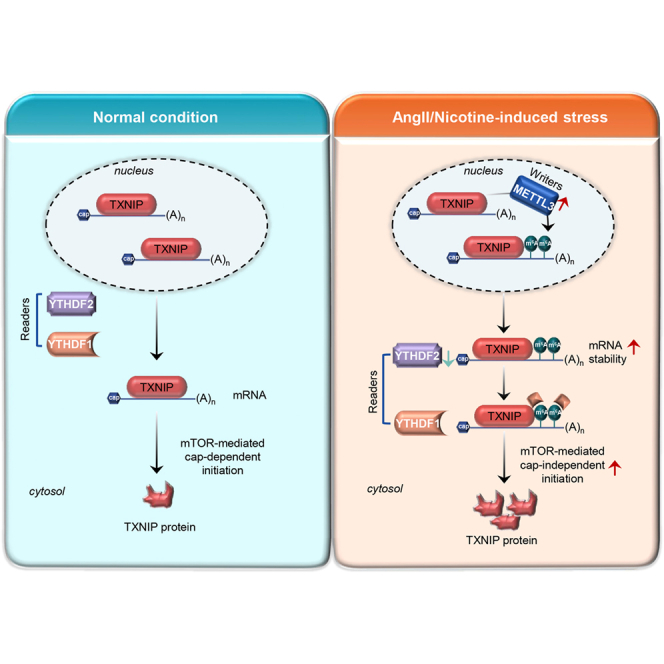 Figure 1
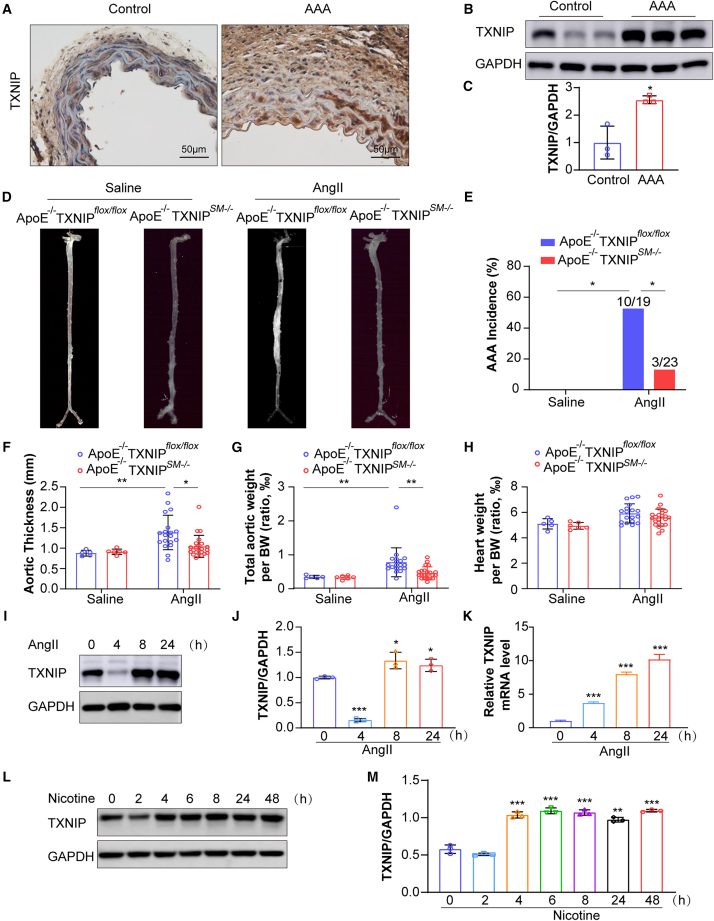 Figure 2
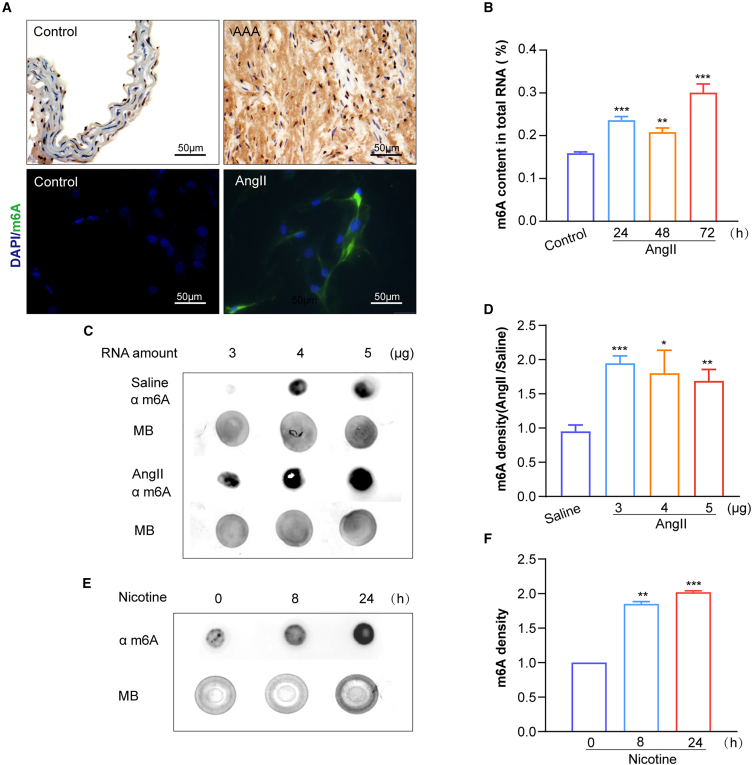 Figure 3
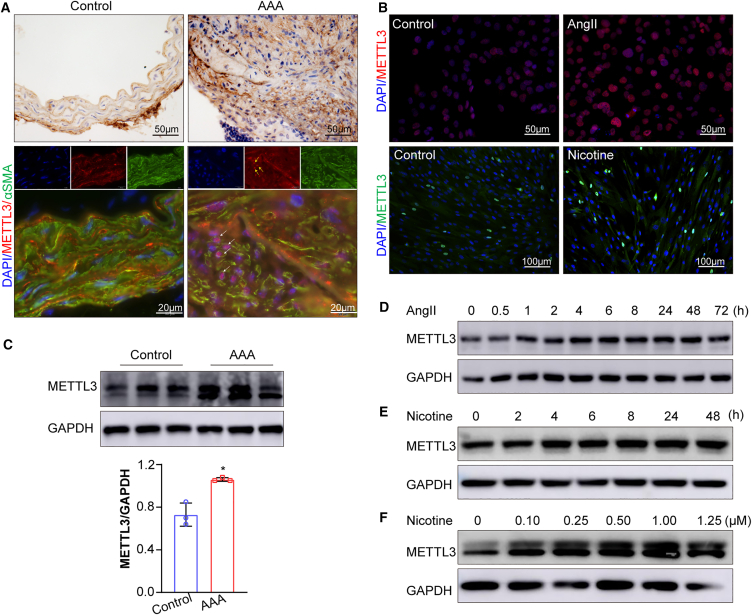 Figure 4
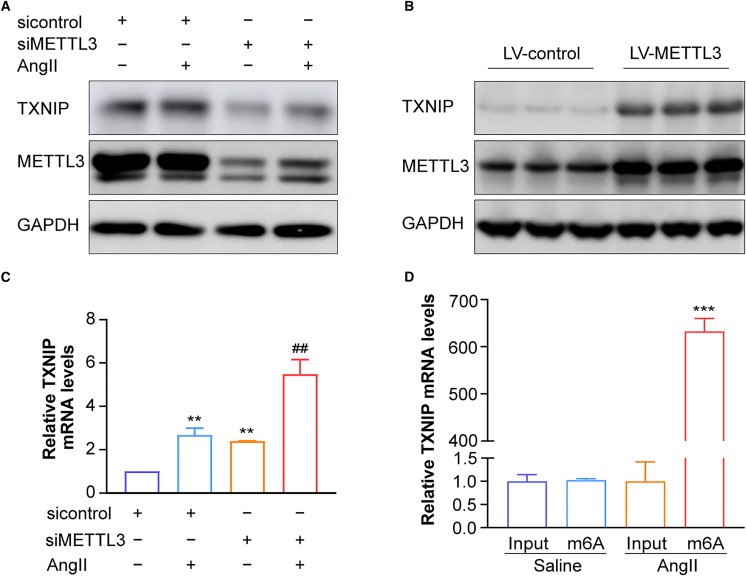 Figure 5
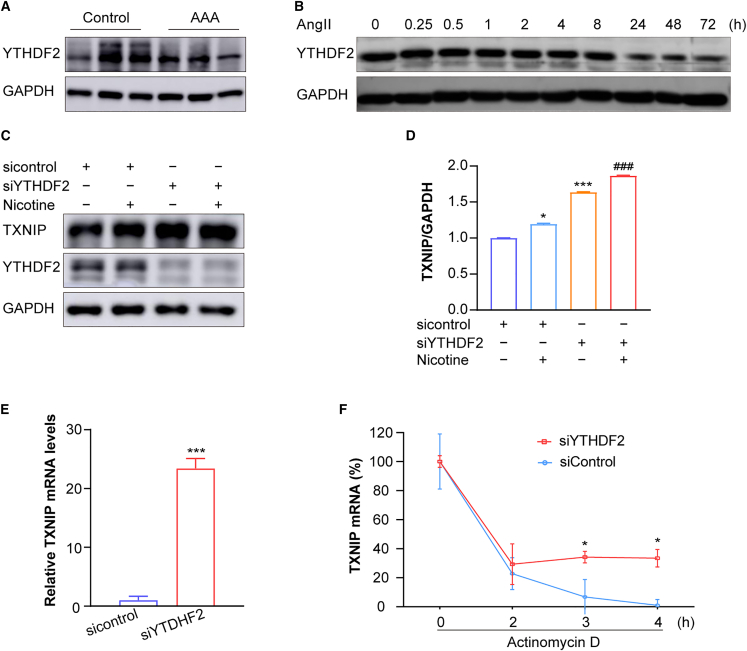 Figure 6
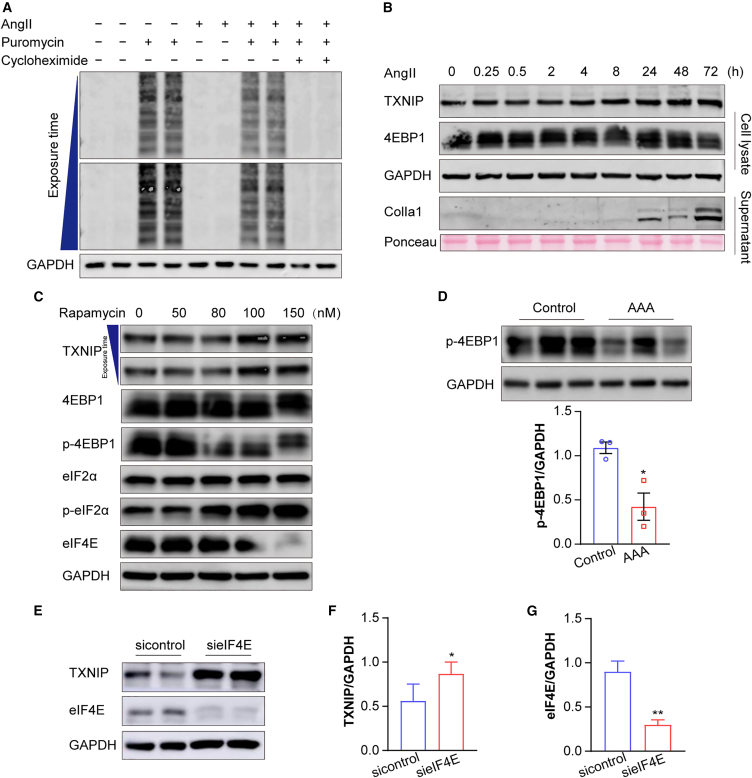 Figure 7
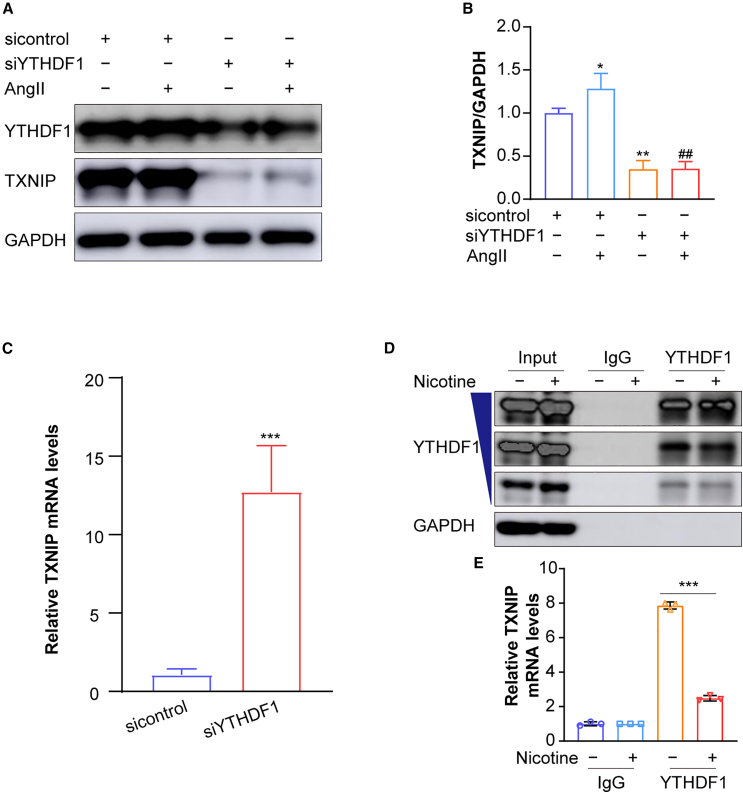 Figure 8
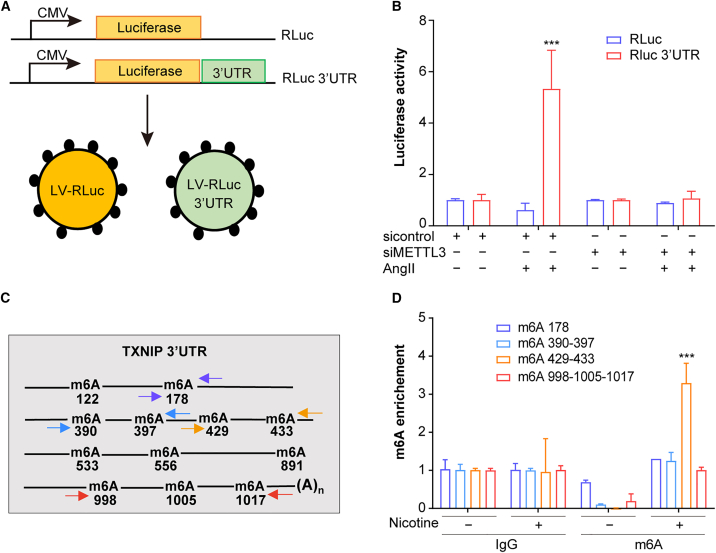 Figure 9
Peer Reviews
No public reviews on file for this paper yet. If you reviewed it on a platform where reviews are public (OpenReview, ICLR, NeurIPS, ICML), you can paste yours below so the community can read it here.
Videos
No videos yet. Explain this paper in a talk, walkthrough, or lecture? Add one.
Taxonomy
TopicsAortic aneurysm repair treatments · RNA modifications and cancer · Ubiquitin and proteasome pathways