Deep Learning–Derived Right Ventricular Ejection Fraction Predicts Mortality in Patients Undergoing Transcatheter Tricuspid Valve Intervention
Vera Fortmeier, Márton Tokodi, Attila Kovács, Michelle Fett, Amelie Hesse, Jule Tervooren, Muhammed Gerçek, Hazem Omran, Kai Peter Friedrichs, Gerhard Harmsen, Shinsuke Yuasa, Tanja K. Rudolph, Béla Merkely, Michael Joner, Karl-Ludwig Laugwitz, Volker Rudolph, Mark Lachmann

TL;DR
A deep learning model predicting right ventricular ejection fraction after heart valve treatment identifies patients at higher risk of death.
Contribution
A deep learning model for right ventricular ejection fraction estimation improves mortality prediction after tricuspid valve intervention.
Findings
Postprocedural RVEF below 38% identifies patients with significantly worse 1-year survival.
Deep learning provides unbiased RV function assessment after TTVI.
High-risk patients showed a significant decline in RVEF after the procedure.
Abstract
Transcatheter tricuspid valve intervention (TTVI) has emerged as a valuable therapeutic option for patients with severe tricuspid regurgitation. However, the impact of TTVI on right ventricular (RV) function remains incompletely understood, partly due to the limitations of conventional echocardiographic parameters. The purpose of this study was to evaluate RV functional trajectories in patients undergoing TTVI using a deep learning model that estimates RV ejection fraction (RVEF) from two-dimensional apical four-chamber view echocardiographic videos. This single-center analysis included 373 patients undergoing TTVI for severe tricuspid regurgitation between 2018 and 2023. A previously published and thoroughly validated deep learning model was used to predict RVEF at baseline and 1 to 3 days after the procedure. The primary endpoint was 1-year all-cause mortality. Although the median…
Genes, proteins, chemicals, diseases, species, mutations and cell lines named across the full text — each resolved to its canonical identifier and authoritative record.
Click any figure to enlarge with its caption.
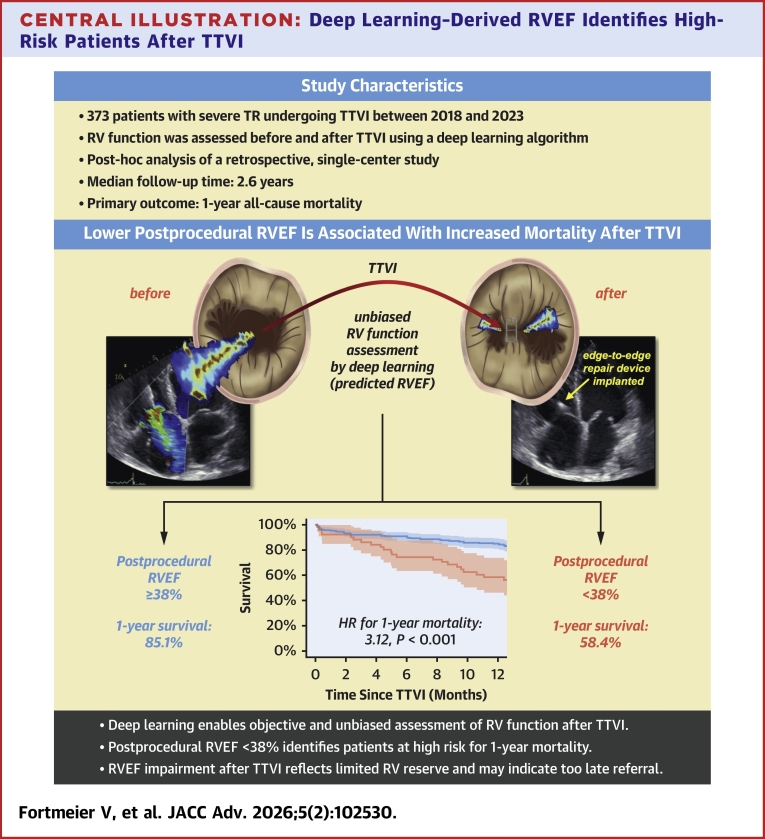 Figure 1
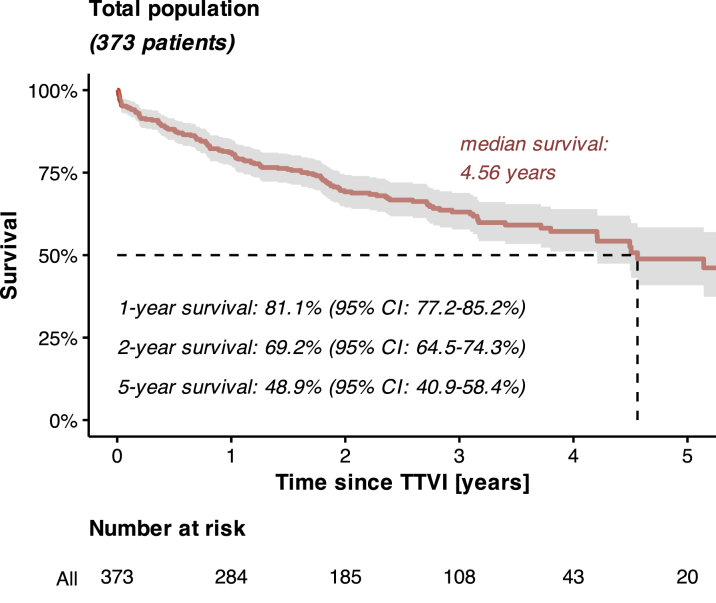 Figure 2
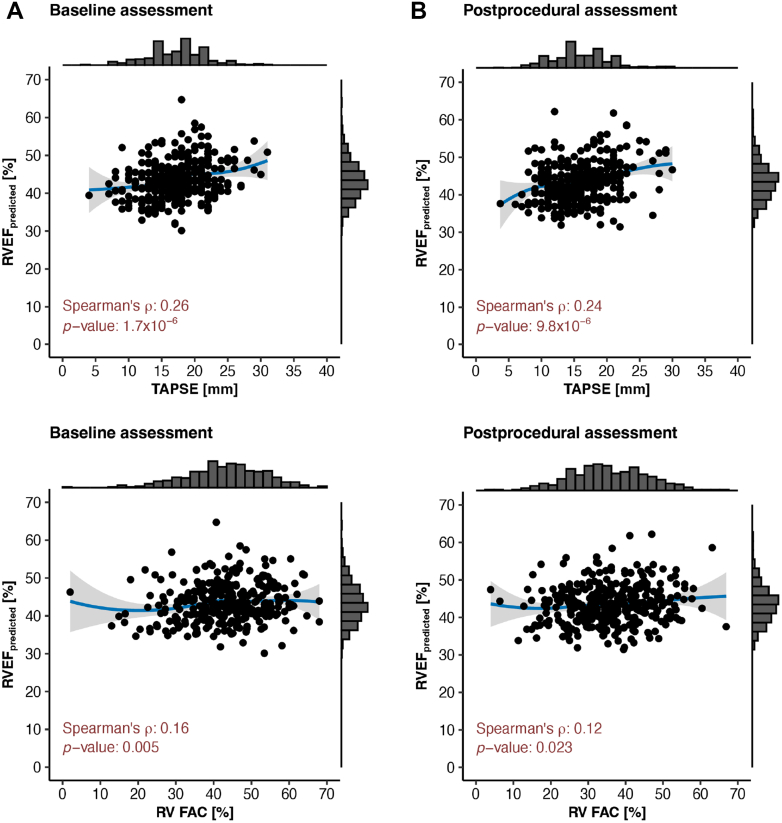 Figure 3
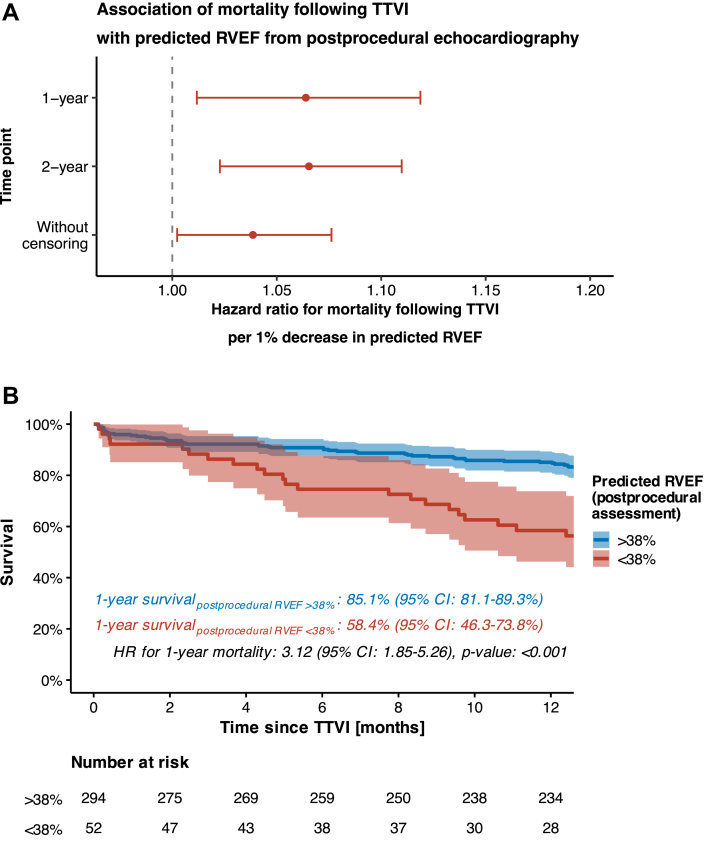 Figure 4
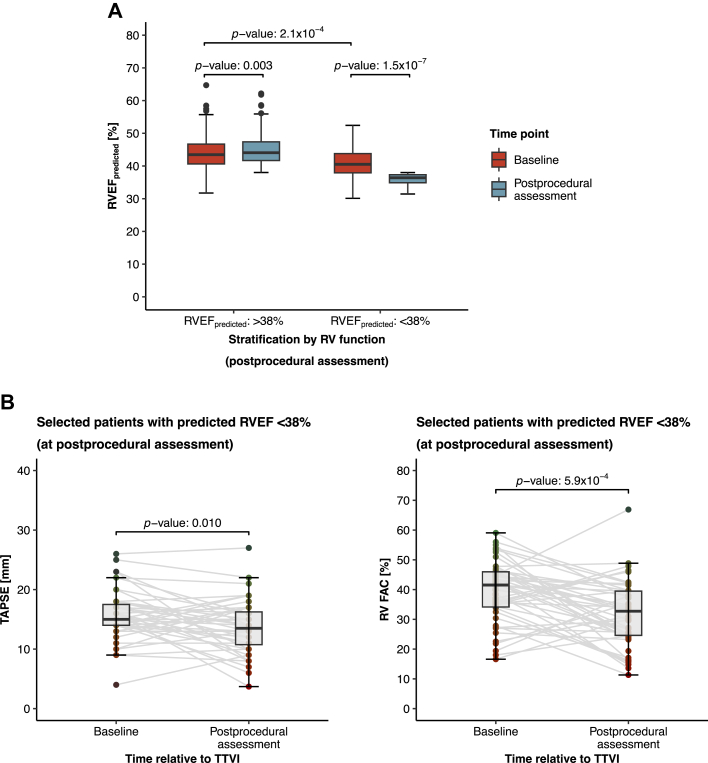 Figure 5
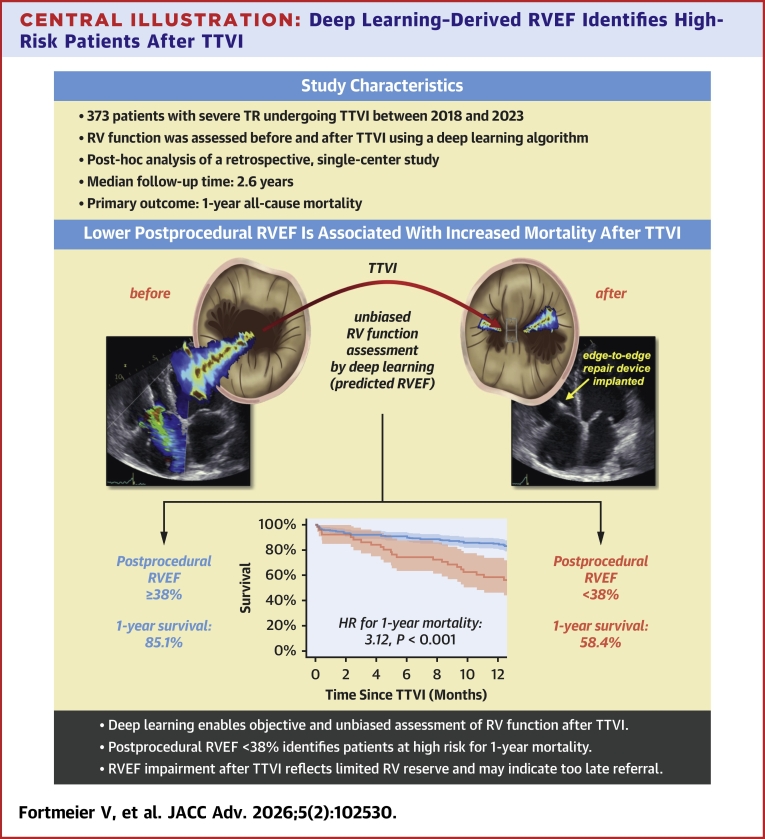 Figure 6
Peer Reviews
No public reviews on file for this paper yet. If you reviewed it on a platform where reviews are public (OpenReview, ICLR, NeurIPS, ICML), you can paste yours below so the community can read it here.
Videos
No videos yet. Explain this paper in a talk, walkthrough, or lecture? Add one.
Taxonomy
TopicsCardiac Valve Diseases and Treatments · Cardiovascular Function and Risk Factors · Pulmonary Hypertension Research and Treatments