Metaheuristic-based gallstone classification using rotational forest explained with SHAP
Keshika Shrestha, Proshenjit Sarker, Jun-Jiat Tiang, Abdullah-Al Nahid

TL;DR
This paper introduces a machine learning model optimized with a metaheuristic algorithm to predict gallstones, achieving good accuracy and identifying key risk factors.
Contribution
A novel gallstone prediction approach using a Rotational Forest classifier optimized with the Bald Eagle Search algorithm.
Findings
RoF alone achieved 78% accuracy and 0.867 AUC using all features.
RoF with BES achieved 75.78% accuracy and 0.860 AUC using only 17 features.
CRP, Vitamin D, Obesity, HGB, and BM were identified as dominant features via SHAP and LIME analysis.
Abstract
Cholelithiasis, commonly known as Gallstone disease, occurs when hardened deposits form in the gallbladder or bile ducts. It affects millions of people worldwide and is especially common in women. While many people may not experience any symptoms, symptomatic cases can present with acute cholecystitis and other complications such as pancreatitis and even gallbladder cancer. However, this disease presents a clinical challenge due to its variable symptoms and risk of serious complications. Therefore, early prediction of gallstones is essential for timely intervention. Thus, our study presents a novel approach for predicting gallstones. In this study, we have presented a Rotational Forest (RoF) classifier optimized using the Bald Eagle Search (BES) algorithm for gallstone prediction based on a tabular dataset. Our research has been conducted across two frameworks: using RoF alone and…
Genes, proteins, chemicals, diseases, species, mutations and cell lines named across the full text — each resolved to its canonical identifier and authoritative record.
Click any figure to enlarge with its caption.
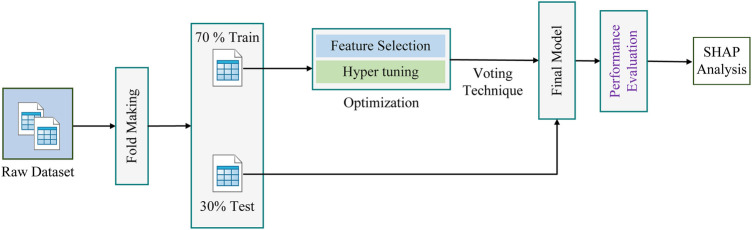 Figure 1
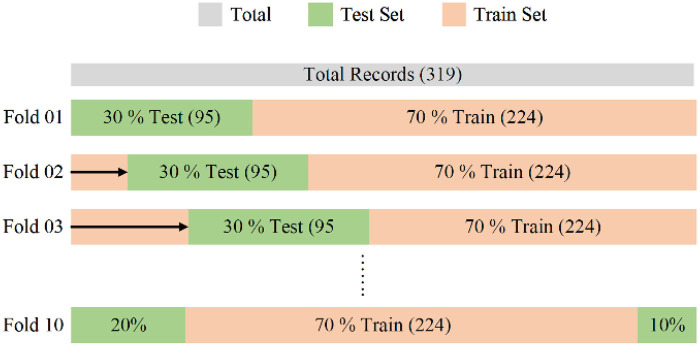 Figure 2
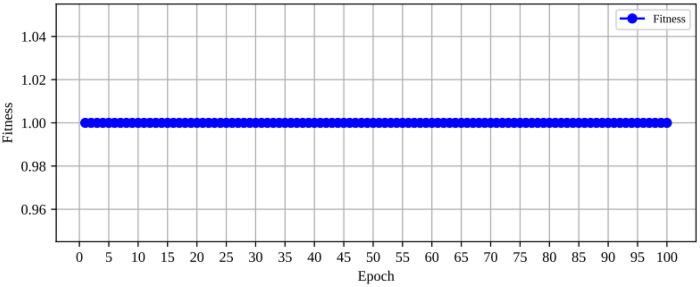 Figure 3
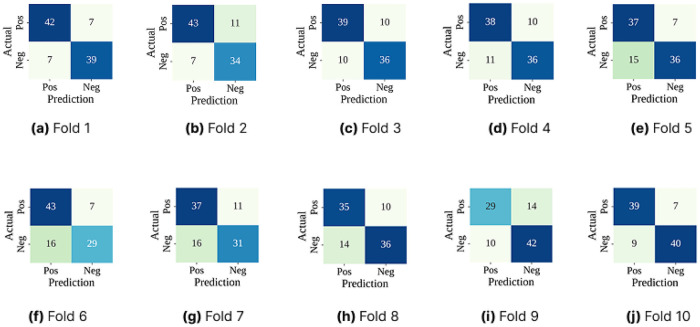 Figure 4
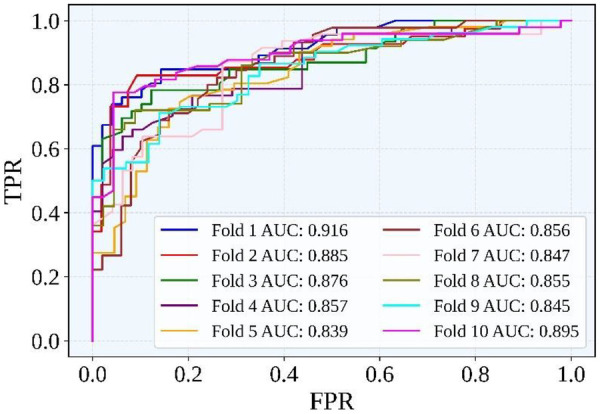 Figure 5
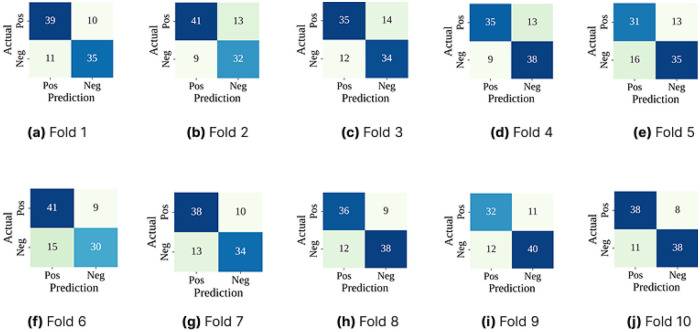 Figure 6
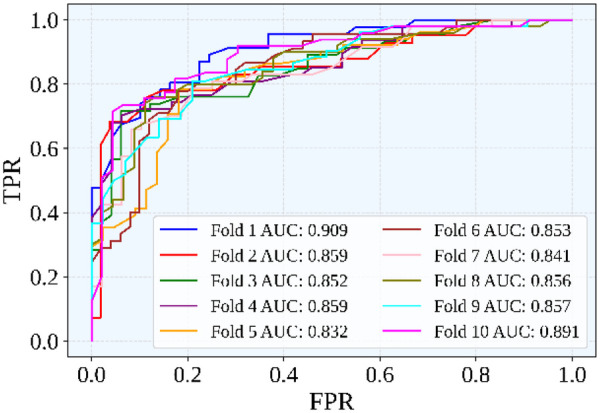 Figure 7
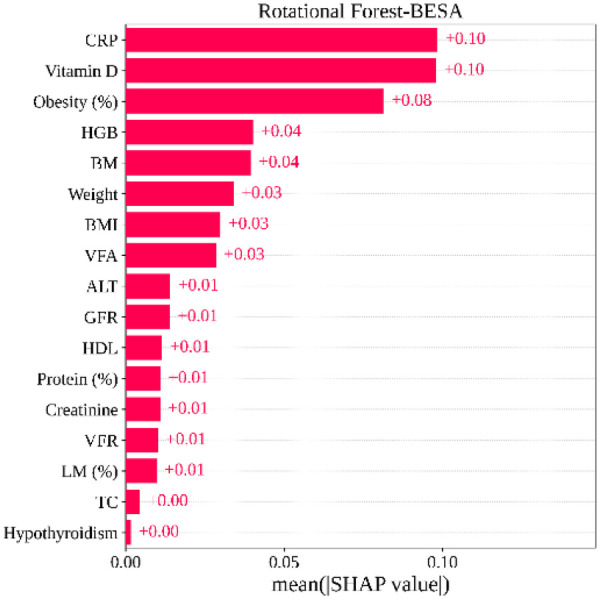 Figure 8
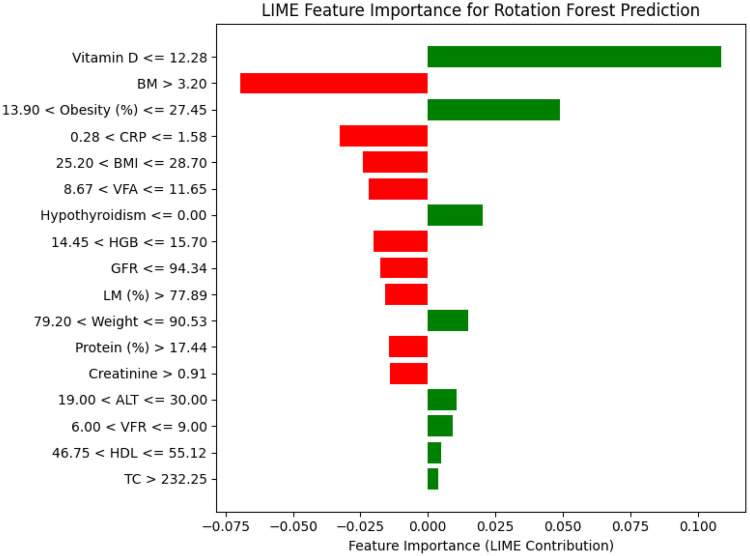 Figure 9
Peer Reviews
No public reviews on file for this paper yet. If you reviewed it on a platform where reviews are public (OpenReview, ICLR, NeurIPS, ICML), you can paste yours below so the community can read it here.
Videos
No videos yet. Explain this paper in a talk, walkthrough, or lecture? Add one.
Taxonomy
TopicsArtificial Intelligence in Healthcare · Gallbladder and Bile Duct Disorders · Cholangiocarcinoma and Gallbladder Cancer Studies