In vitro model of human subcutaneous adipocyte spheroids for studying mitochondrial dysfunction and mitochondria activating compounds
Anita Wagner, Juulia H. Lautaoja-Kivipelto, Kalle Pehkonen, Antti Hassinen, Minna Kuusela, Lisa Röttger, Elena Herbers, Anna Ioannidou, Sophia Mädler, Ina Rothenaigner, Soumya Srinivasan, Sini Laasonen, M. Tanvir Rahman, Pinja Elomaa, Saija Kortetjärvi, Anneli Olsson

TL;DR
Researchers developed a human fat cell model to study mitochondrial dysfunction and test drugs that could improve mitochondrial function in obesity.
Contribution
A novel in vitro model of human subcutaneous adipocyte spheroids for studying mitochondrial metabolism and drug effects.
Findings
Lipid overload in adipocyte spheroids causes mitochondrial bioenergetic defects.
Rosiglitazone treatment improves mitochondrial function and adiponectin secretion in lipid-treated spheroids.
Matrigel embedding enhances mitochondrial network and respiration in adipocyte spheroids.
Abstract
Mitochondrial abnormalities drive subcutaneous white adipose tissue dysfunction in obesity, yet in vitro models to study adipocyte mitochondria remain limited. Here, we establish a human subcutaneous adipocyte spheroid model to characterize mitochondrial metabolism under obesity-relevant conditions and drug exposure. Human preadipocyte spheroids were differentiated in ultra-low attachment plates for 3 weeks using thiazolidinedione-free medium. Matrigel embedding was incorporated into the protocol as it promoted mitochondrial network and respiration compared to scaffold-free conditions. Differentiated spheroids showed increased lipid accumulation, adipogenic gene expression, mitochondrial respiration, adiponectin secretion, and hormonal responsiveness. Lipid mixture administration during differentiation induced metabolic disturbances, including mitochondrial respiration failure,…
Genes, proteins, chemicals, diseases, species, mutations and cell lines named across the full text — each resolved to its canonical identifier and authoritative record.
Click any figure to enlarge with its caption.
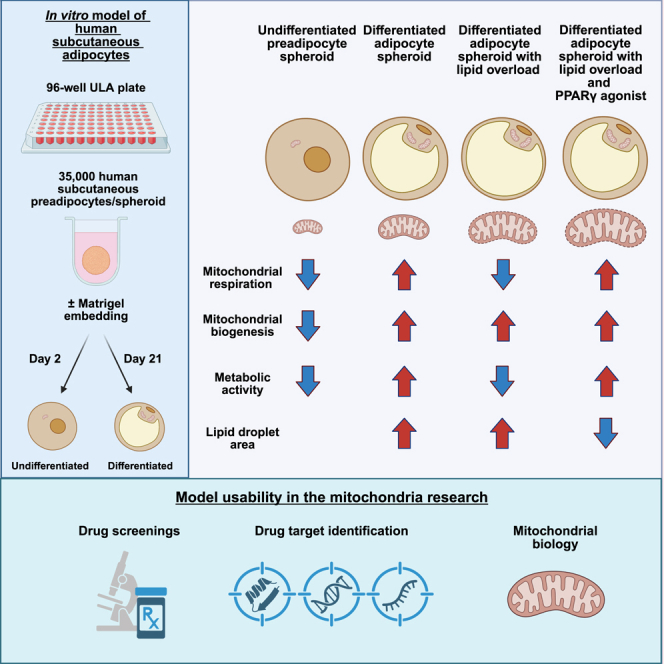 Figure 1
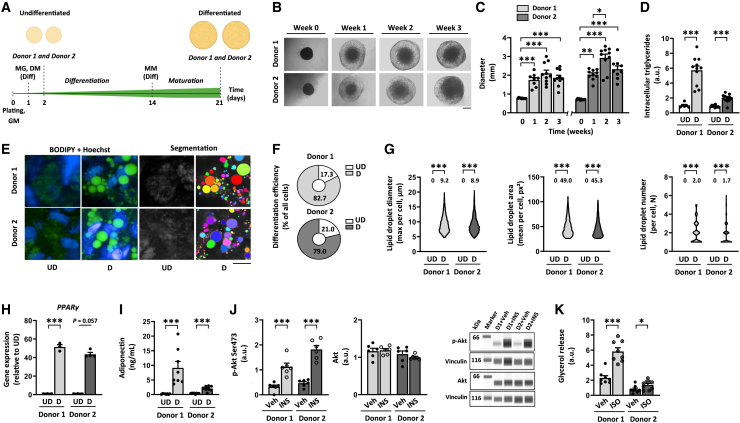 Figure 2
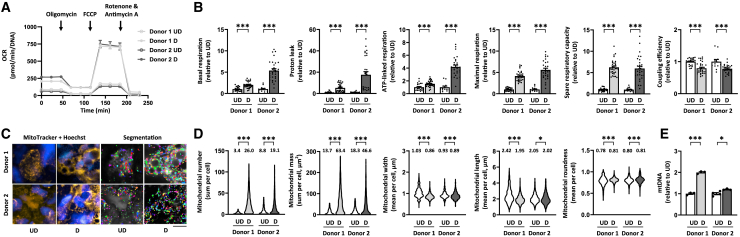 Figure 3
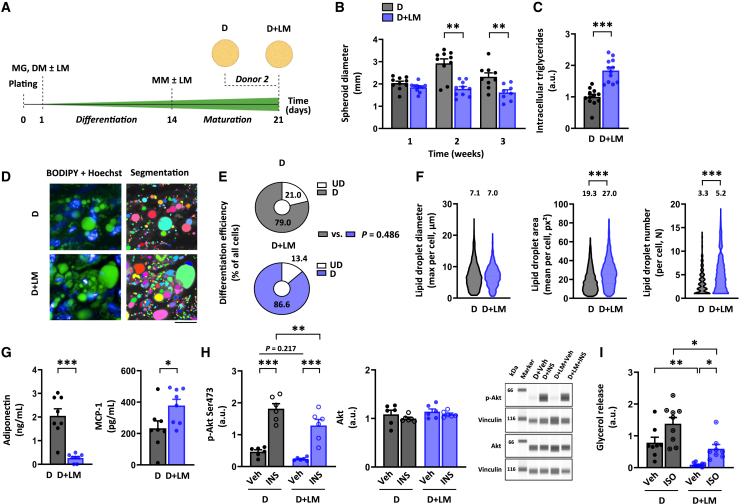 Figure 4
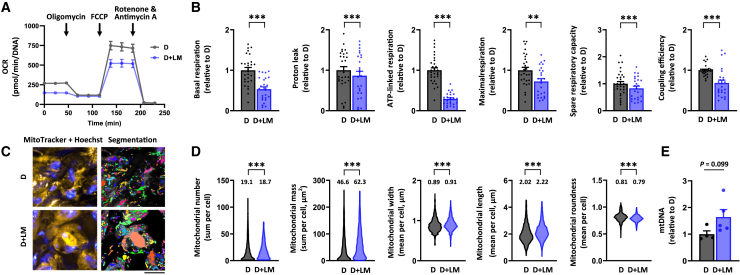 Figure 5
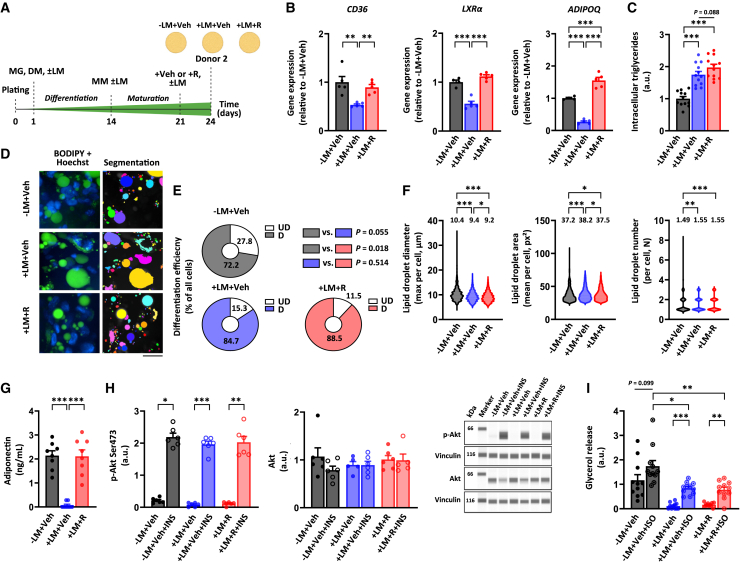 Figure 6
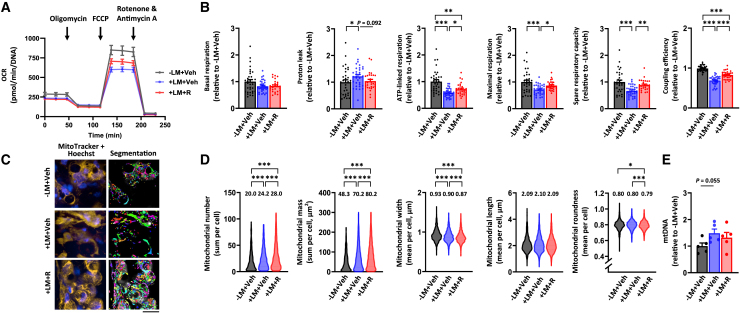 Figure 7
Peer Reviews
No public reviews on file for this paper yet. If you reviewed it on a platform where reviews are public (OpenReview, ICLR, NeurIPS, ICML), you can paste yours below so the community can read it here.
Videos
No videos yet. Explain this paper in a talk, walkthrough, or lecture? Add one.
Taxonomy
TopicsAdipose Tissue and Metabolism · Adipokines, Inflammation, and Metabolic Diseases · Mitochondrial Function and Pathology