Finite element analysis of clear aligner with overhanging attachments and extended gingival coverage for interdental space closure
Guojin Zeng, Xiaoqing Ma, Dan Lin

TL;DR
This study uses finite element analysis to show that overhanging attachments and extended gingival coverage in clear aligners improve canine movement during space closure.
Contribution
The novel design of overhanging attachments and gingival extension in clear aligners is shown to enhance root-controlled tooth movement.
Findings
OH attachments increased tooth displacement and PDL stress compared to vertical attachments.
Combining OH attachments with buccolingual gingival extension improved translational canine movement.
This design reduced stress concentration and aligner deformation while enhancing orthodontic force efficiency.
Abstract
Overhanging (OH) attachments were modified clear aligner (CA) attachments with an extended portion toward the root to apply force closer to the center of resistance and enable greater control over root movement, resembling power arms. This study investigated the biomechanical effects of OH attachment and partially gingival extension of CA trimline on canine movement during the closure of extraction space via finite element analysis (FEA). CBCT data of an adult with Angle Class I molar relationship and mild anterior crowding was applied for comparing the biomechanical effects of three attachment types (no attachment, vertical, OH) and four trimline designs (partially buccal/lingual gingival coverage). Periodontal ligament (PDL) hydrostatic stress, tooth displacement, rotational center position, and CA stress distribution were assessed via FEA. OH attachment induced increased tooth…
Genes, proteins, chemicals, diseases, species, mutations and cell lines named across the full text — each resolved to its canonical identifier and authoritative record.
Click any figure to enlarge with its caption.
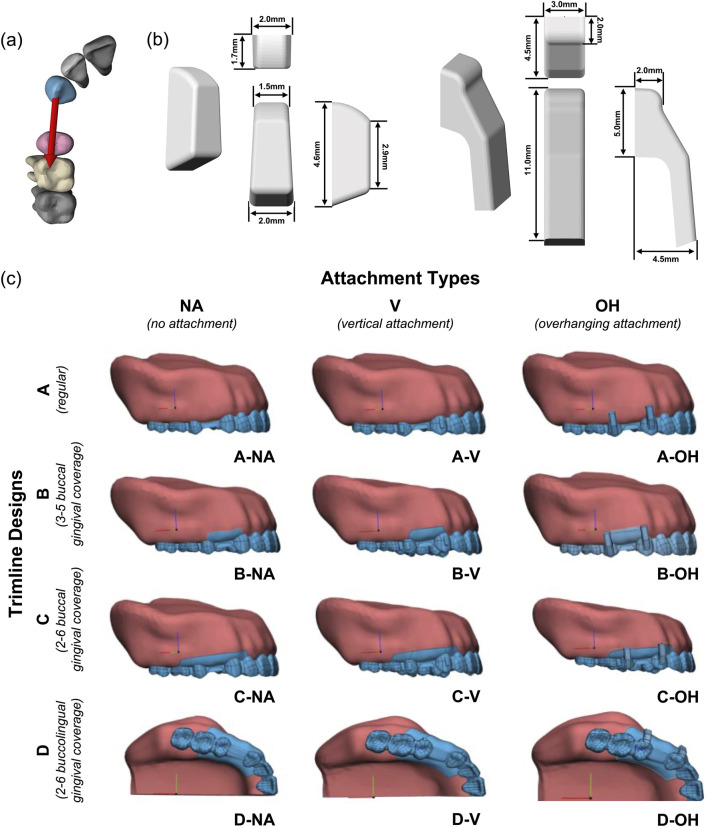 Figure 1
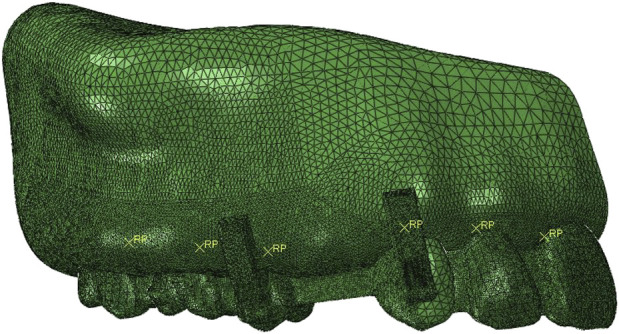 Figure 2
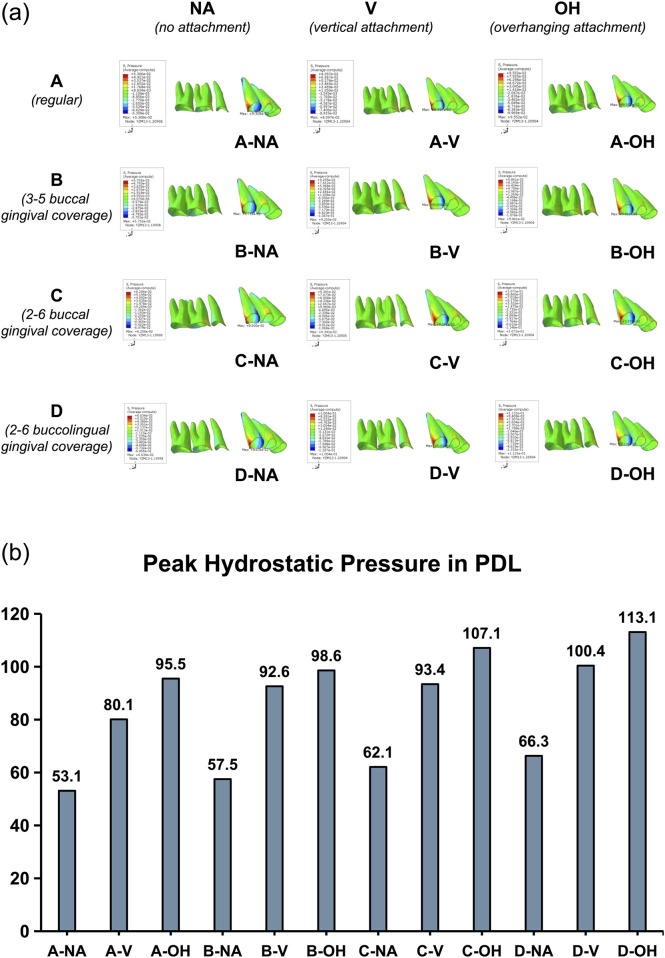 Figure 3
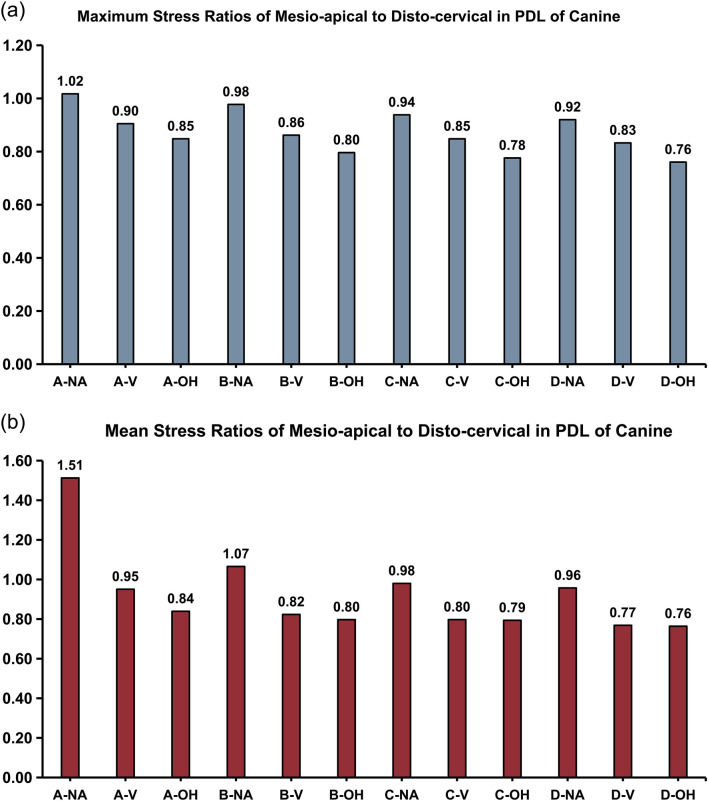 Figure 4
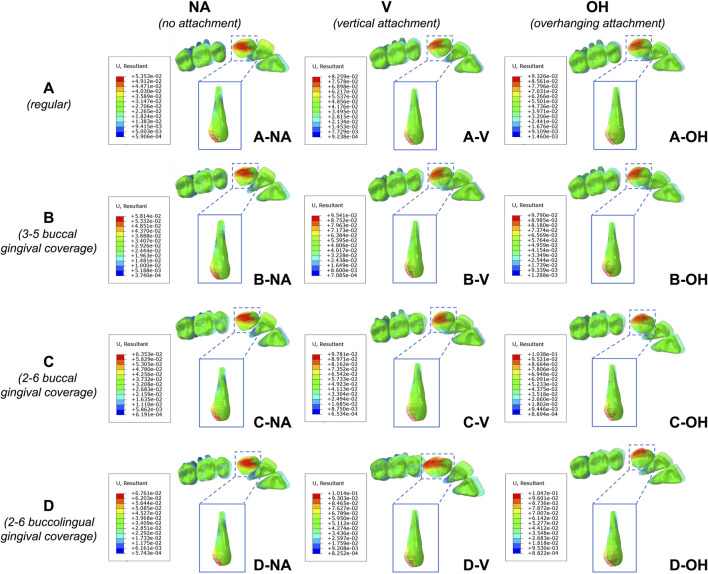 Figure 5
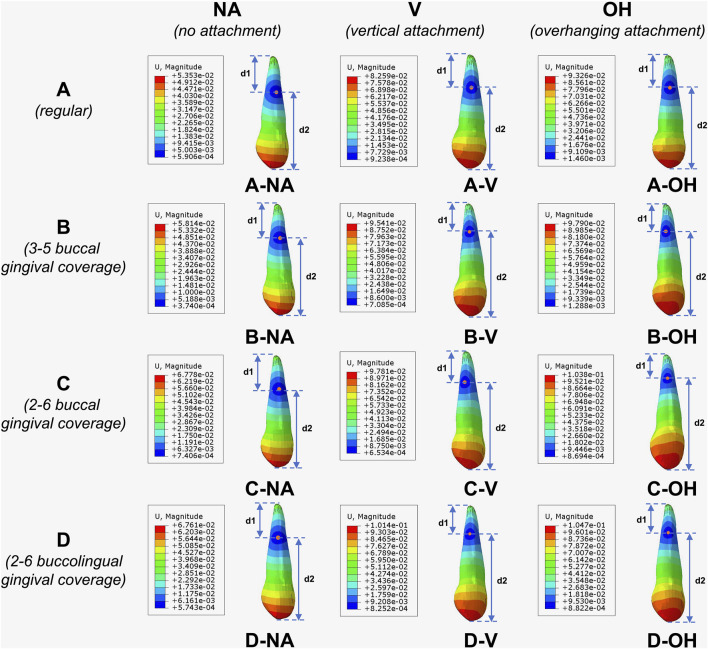 Figure 6
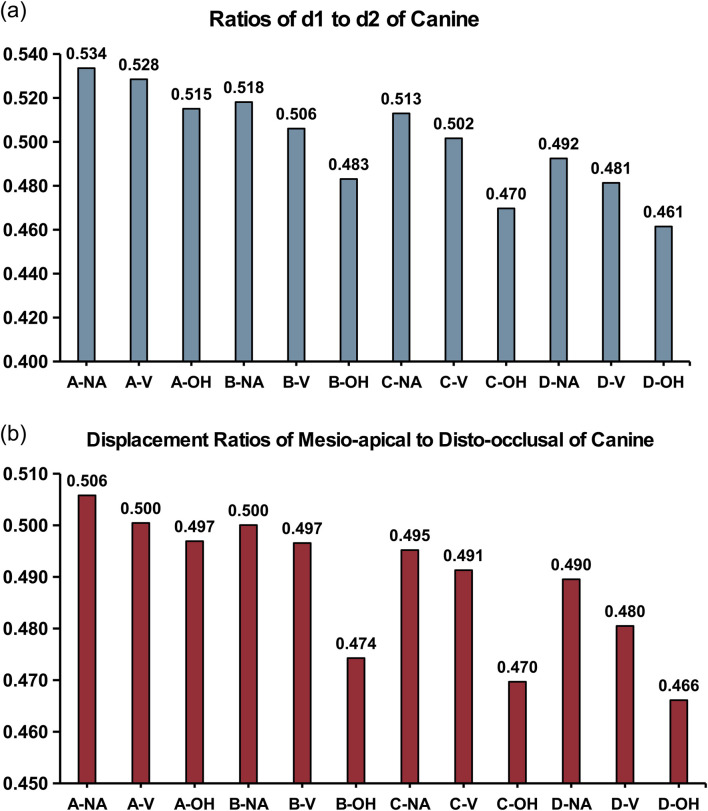 Figure 7
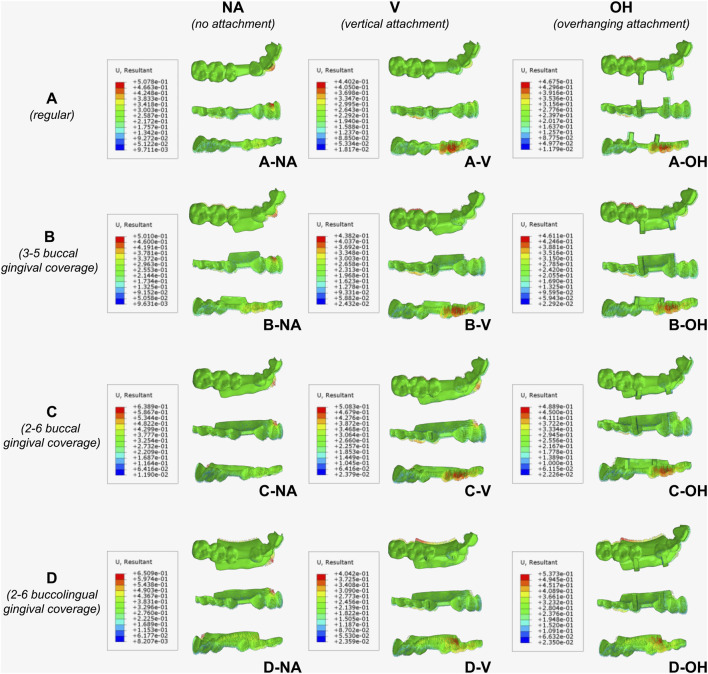 Figure 8
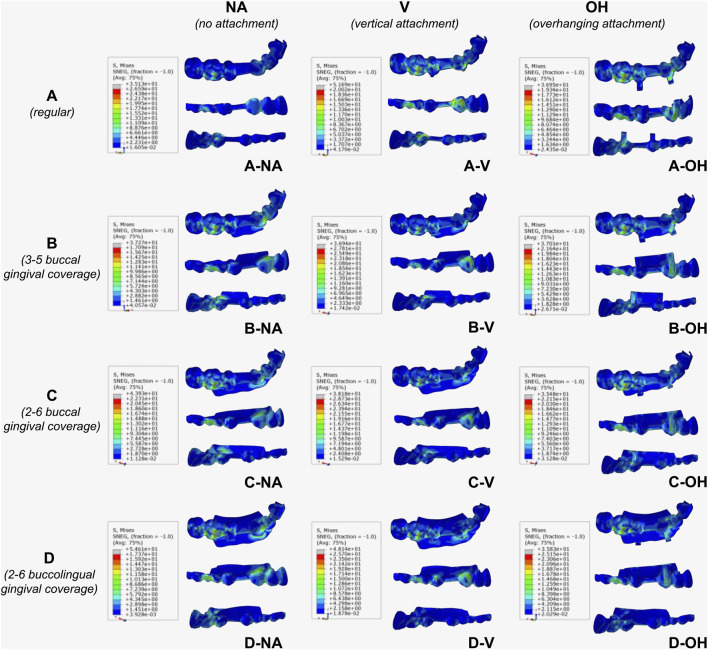 Figure 9
Peer Reviews
No public reviews on file for this paper yet. If you reviewed it on a platform where reviews are public (OpenReview, ICLR, NeurIPS, ICML), you can paste yours below so the community can read it here.
Videos
No videos yet. Explain this paper in a talk, walkthrough, or lecture? Add one.
Taxonomy
TopicsOrthodontics and Dentofacial Orthopedics · Temporomandibular Joint Disorders · dental development and anomalies