Production and carbon footprint of microbial oil from waste lemon peel extract
Vittorio Giorgio Senatore, Essi Paronen, Sofía Martínez-López, Miguel Ayuso, Sofia Ceccarossi, Eveliina Hylkilä, Katri Behm, Mirko Zago, Immacolata Serra, Paola Branduardi, Rarosue J Amaraibi, Vittorio Giorgio Senatore, Wilailuk Niyommaneerat, Vittorio Giorgio Senatore

TL;DR
This paper shows how to convert waste lemon peel into microbial oil using yeast, with a green extraction method and a carbon footprint analysis.
Contribution
A novel fermentation process using waste lemon extract and a green solvent-based lipid extraction method for microbial oil production.
Findings
Autoclaving waste lemon extract increases glucose and fructose concentrations to 28.77 g/L and 25.68 g/L.
Cutaneotrichosporon oleaginosum produced 0.47 g oil/g cell dry weight in a 2 L bioreactor.
Green solvents extracted 35% of microbial oil from cell dry weight with a carbon footprint of 71–434 kgCO2eq/kg.
Abstract
The agricultural sector is one of the leading producers of agro-industrial solid organic waste. This waste, mainly disposed of by incineration or landfilled, could be used for the production of high-value chemicals. In this study, a fermentation process for the production of microbial oil from waste lemon extract (LE), an aqueous side-stream deriving from waste lemon peel and pulp processing, was developed and assessed for its impact. Microbial oil can have many diverse applications, from plasticizers in plastic and rubber compounds to moisturizers in cosmetic formulations. Characterization of LE revealed that its autoclaving process is effective for increasing the concentration of readily available glucose and fructose, reaching 28.77 ± 0.08 g L -1 and 25.68 ± 0.27 g L -1. Nitrogen content was measured too, revealing a C/N ratio of 85, optimal for triggering lipid accumulation in the…
Genes, proteins, chemicals, diseases, species, mutations and cell lines named across the full text — each resolved to its canonical identifier and authoritative record.
Click any figure to enlarge with its caption.
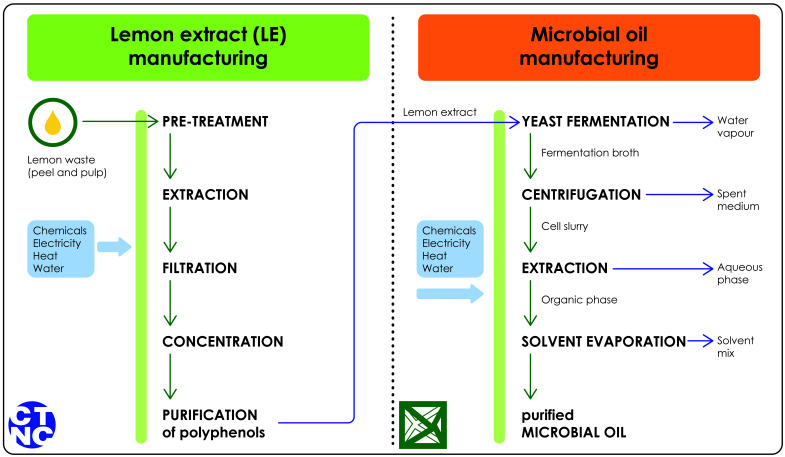 Figure 1
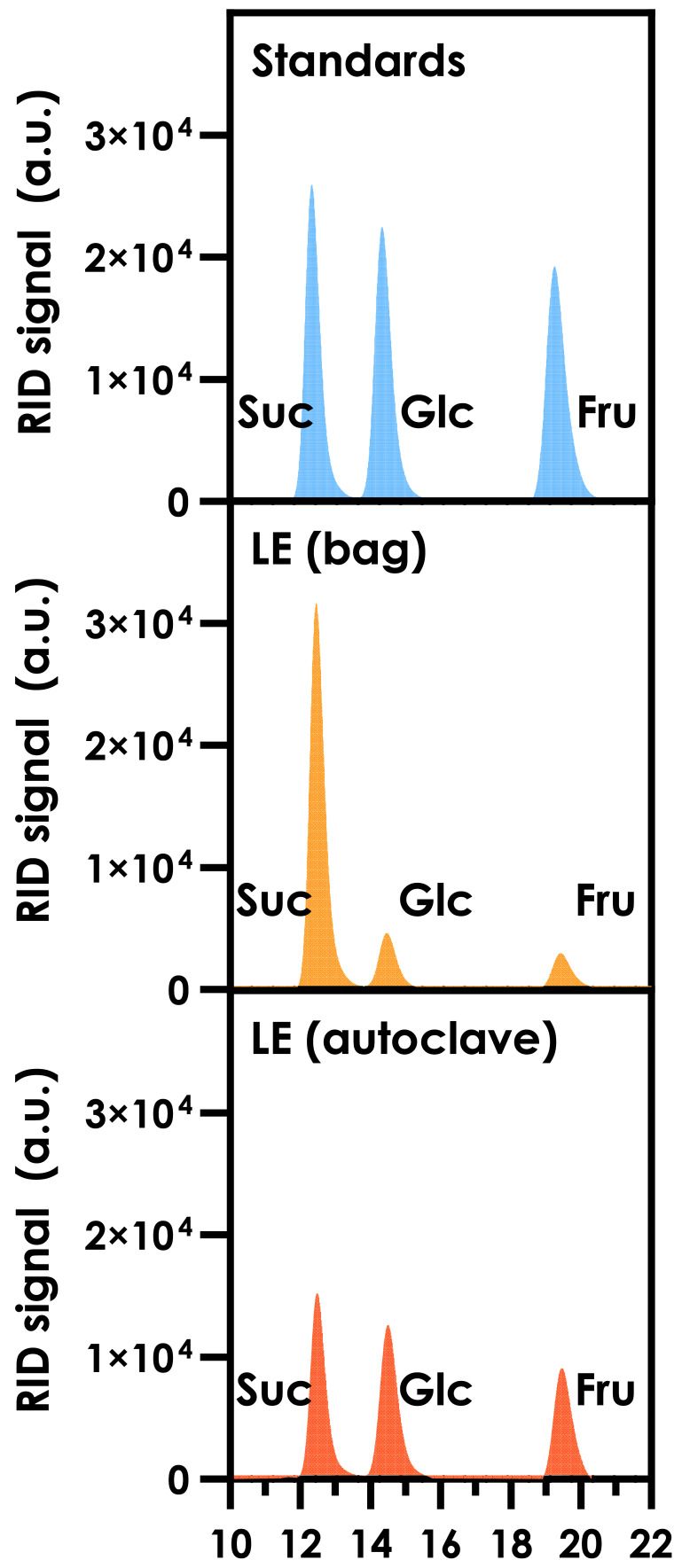 Figure 2
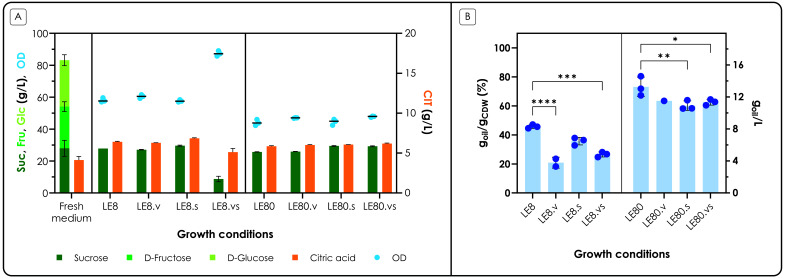 Figure 3
 Figure 4
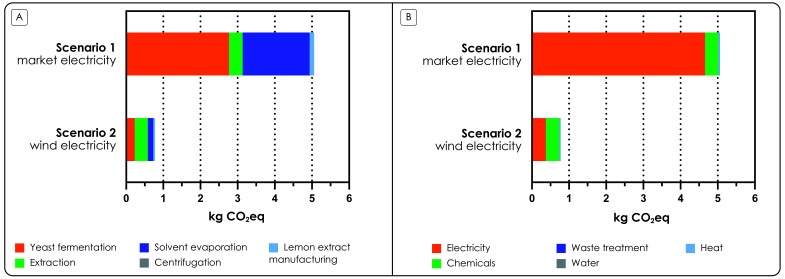 Figure 5
Peer Reviews
No public reviews on file for this paper yet. If you reviewed it on a platform where reviews are public (OpenReview, ICLR, NeurIPS, ICML), you can paste yours below so the community can read it here.
Videos
No videos yet. Explain this paper in a talk, walkthrough, or lecture? Add one.
Taxonomy
TopicsMicrobial Metabolic Engineering and Bioproduction · Enzyme Catalysis and Immobilization · Biofuel production and bioconversion