Radial Extracorporeal Shock Wave Therapy for Lower‐Limb Spasticity in an Individual With Subacute Stroke: A Case Report
Daisuke Kato, Satoshi Hirano, Naoki Mori, Shota Itoh, Toshiki Ito, Taiki Yokote, Hirofumi Maeda, Yohei Otaka

TL;DR
A case report shows that shock wave therapy can reduce leg spasticity after a stroke, but more frequent treatments may be needed for lasting effects.
Contribution
This case report explores the use of radial extracorporeal shock wave therapy for lower-limb spasticity in a subacute stroke patient.
Findings
Shock wave therapy immediately reduced spasticity and improved range of motion.
Twice-weekly sessions were insufficient for lasting spasticity control.
More frequent treatments may be necessary for optimal results.
Abstract
Radial extracorporeal shock wave therapy showed immediate spasticity reduction and sustained range of motion improvement in a patient with subacute stroke. However, twice‐weekly sessions were insufficient for lasting spasticity control, suggesting that more frequent treatments may be required. Further research is needed to optimize treatment protocols.
Genes, proteins, chemicals, diseases, species, mutations and cell lines named across the full text — each resolved to its canonical identifier and authoritative record.
Click any figure to enlarge with its caption.
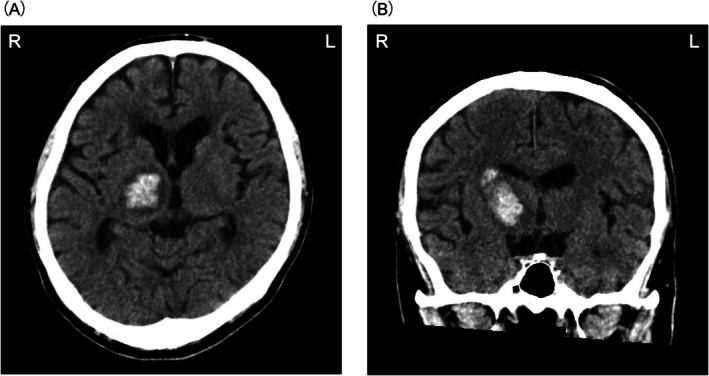 Figure 1
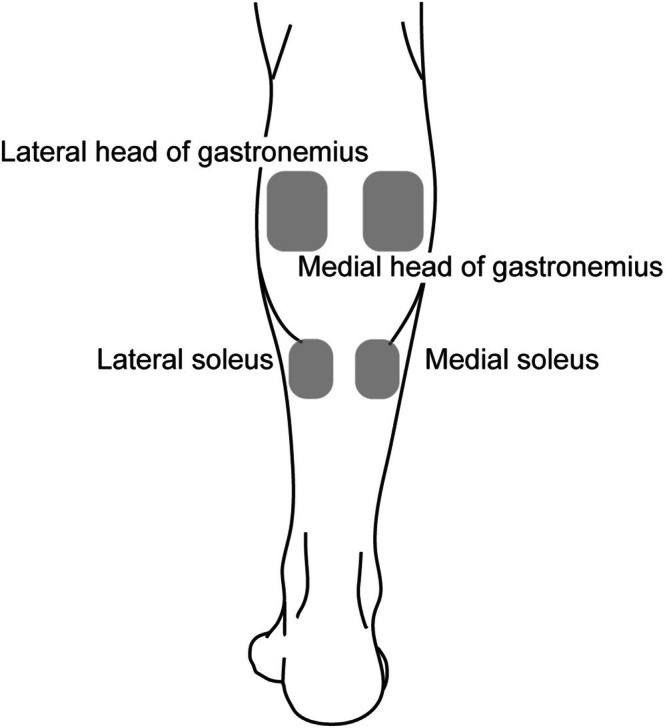 Figure 2
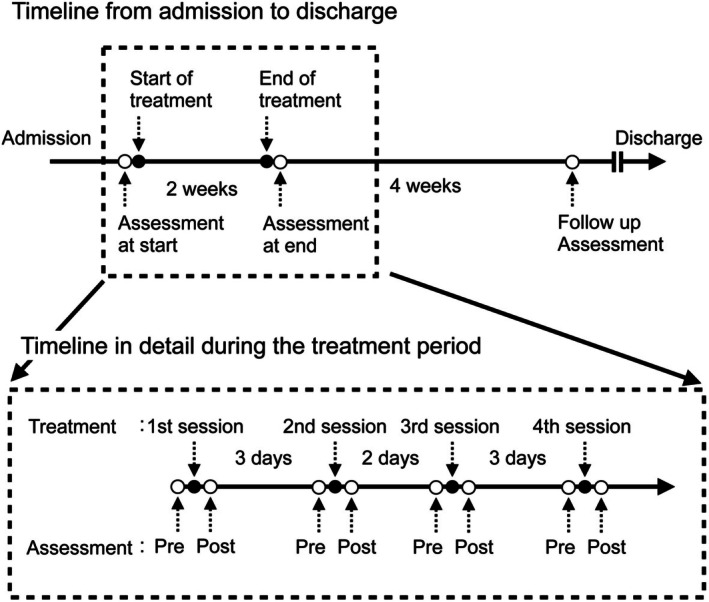 Figure 3
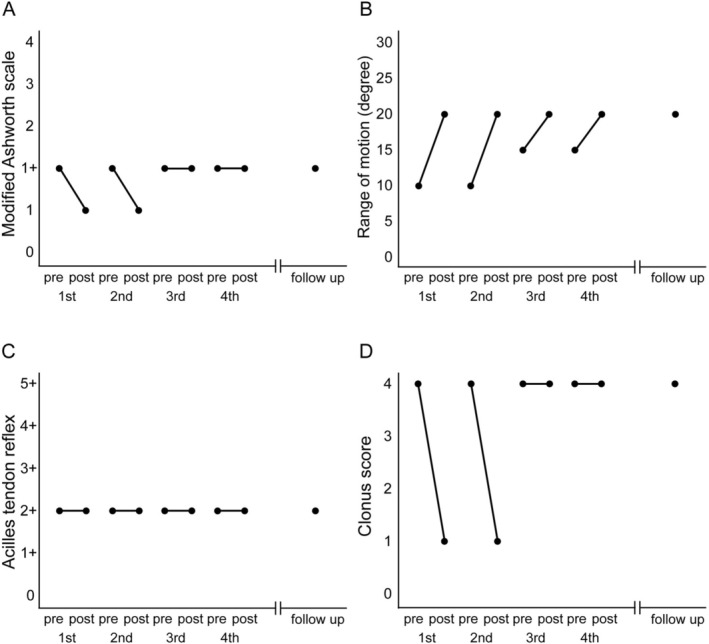 Figure 4
Peer Reviews
No public reviews on file for this paper yet. If you reviewed it on a platform where reviews are public (OpenReview, ICLR, NeurIPS, ICML), you can paste yours below so the community can read it here.
Videos
No videos yet. Explain this paper in a talk, walkthrough, or lecture? Add one.
Taxonomy
TopicsBotulinum Toxin and Related Neurological Disorders · Stroke Rehabilitation and Recovery · Tendon Structure and Treatment