Corticomotor Excitability Changes Induced by Progressive Balance Exercises in Chronic Ankle Instability: a Randomized Clinical Trial
Mahdis Purzolfi, Cyrus Taghizadeh Delkhoush, Majid Mirmohammadkhani

TL;DR
A 6-week balance exercise program increased brain-to-muscle signaling in people with chronic ankle instability, suggesting improved neural control.
Contribution
This study demonstrates that progressive balance exercises can enhance corticomotor excitability in individuals with chronic ankle instability.
Findings
Corticomotor thresholds and cortical silent period of the peroneus longus muscle decreased significantly after 6 weeks of progressive balance exercises.
Normalized motor evoked potential of the peroneus longus muscle increased significantly following the exercise intervention.
There was a significant interaction effect between groups for corticomotor excitability measures, indicating a stronger response in the intervention group.
Abstract
Progressive balance exercises may change corticomotor excitability during the learning process of postural stability control. The primary purpose of the present study was to assess corticomotor excitability corresponding to the peroneus longus muscle under transcranial magnetic stimulation following 6 weeks of progressive balance exercises in individuals with chronic ankle instability. Eligible volunteers diagnosed with chronic ankle instability were randomly assigned to either the intervention group or the control group. The intervention group practiced progressive balance exercises every other day for 6 weeks, while the control group continued their daily activities. The corticomotor excitability outcome measures included the active and resting corticomotor thresholds, the motor evoked potential, and the cortical silent period of the peroneus longus muscle, which were measured using…
Genes, proteins, chemicals, diseases, species, mutations and cell lines named across the full text — each resolved to its canonical identifier and authoritative record.
Click any figure to enlarge with its caption.
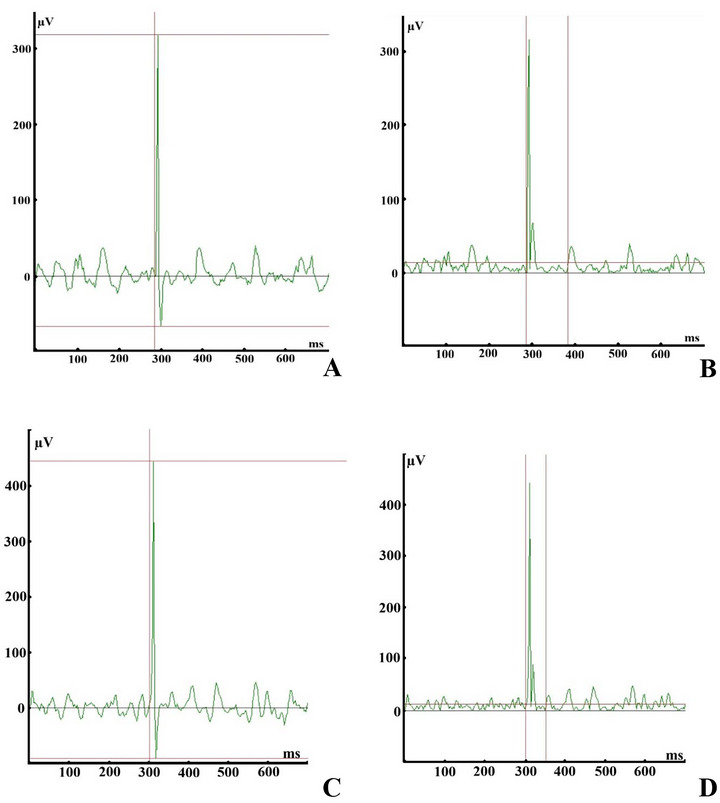 Figure 1
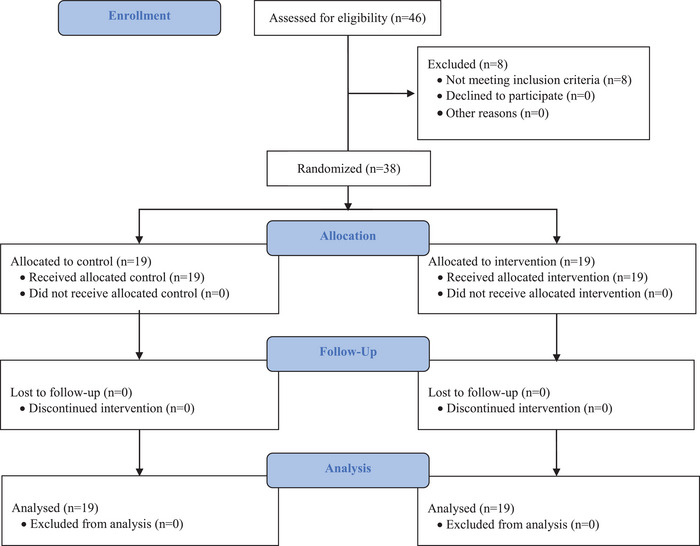 Figure 2
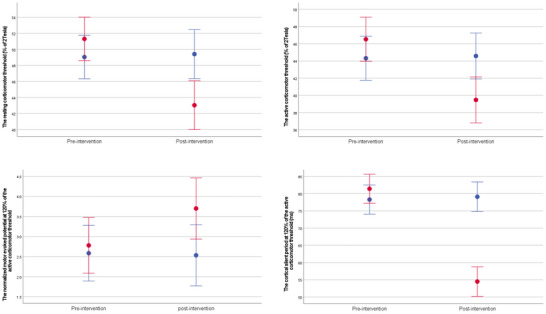 Figure 3
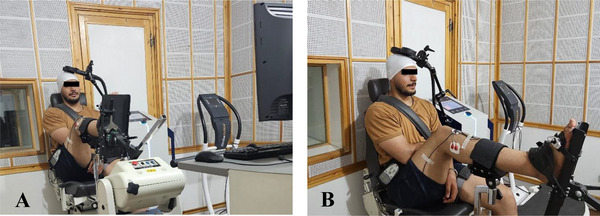 Figure 4
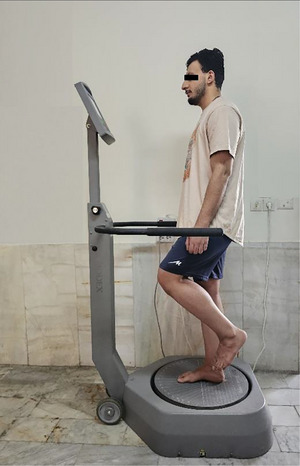 Figure 5
 Figure 6
Peer Reviews
No public reviews on file for this paper yet. If you reviewed it on a platform where reviews are public (OpenReview, ICLR, NeurIPS, ICML), you can paste yours below so the community can read it here.
Videos
No videos yet. Explain this paper in a talk, walkthrough, or lecture? Add one.
Taxonomy
TopicsFoot and Ankle Surgery · Transcranial Magnetic Stimulation Studies · Balance, Gait, and Falls Prevention