Adipocyte fatty acid‐binding protein as a cerebrospinal fluid–accessible biomarker and druggable target in subarachnoid haemorrhage: Linking fatty acid dysregulation to microglial neuroinflammation
Xingwu Liu, Shenquan Guo, Xin Feng, Hao Tian, Lei Jin, Boyang Wei, Wenchao Liu, Xin Zhang, Ran Li, Zhiyuan Zhu, Jingjing Kong, Xifeng Li, Lingling Shu, Chuanzhi Duan

TL;DR
This study identifies A-FABP as a potential biomarker and therapeutic target in subarachnoid hemorrhage by linking fatty acid dysregulation to microglial inflammation.
Contribution
The paper demonstrates that A-FABP inhibition reduces brain injury and reprograms microglial metabolism in SAH models.
Findings
Elevated CSF A-FABP levels predict SAH severity and poor prognosis.
A-FABP inhibition reduces neuroinflammation and neuronal apoptosis in mice.
A-FABP mediates fatty acid-driven inflammation via the JAK2/STAT3 pathway.
Abstract
Subarachnoid haemorrhage (SAH), a devastating subtype of stroke, is predominantly caused by the rupture of intracranial aneurysms. Emerging evidence indicates that the risk of intracranial aneurysm rupture correlates with elevated serum levels of fatty acids and pro‐inflammatory cytokines. Moreover, increased serum concentrations of adipocyte fatty acid‐binding protein (A‐FABP), an inflammation‐related adipokine, have been associated with poorer prognosis in SAH. However, the precise roles of A‐FABP in SAH pathogenesis and its biomarker potential in cerebrospinal fluid (CSF) remain unclear. CSF from 40 SAH patients and 30 controls was analysed by targeted fatty acid metabolomics. Experimental SAH mice were induced by endovascular perforation in both genetic deletion and pharmacological inhibition of A‐FABP. Brain injury was quantified by neurobehavioural test, inflammatory cytokine…
Genes, proteins, chemicals, diseases, species, mutations and cell lines named across the full text — each resolved to its canonical identifier and authoritative record.
Click any figure to enlarge with its caption.
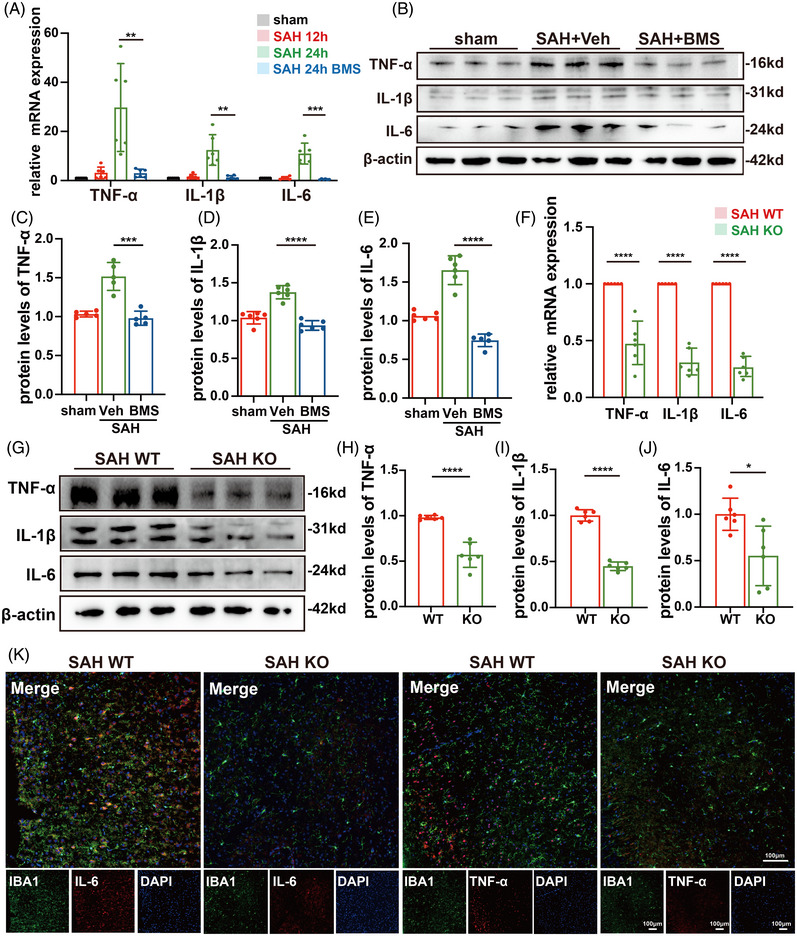 Figure 1
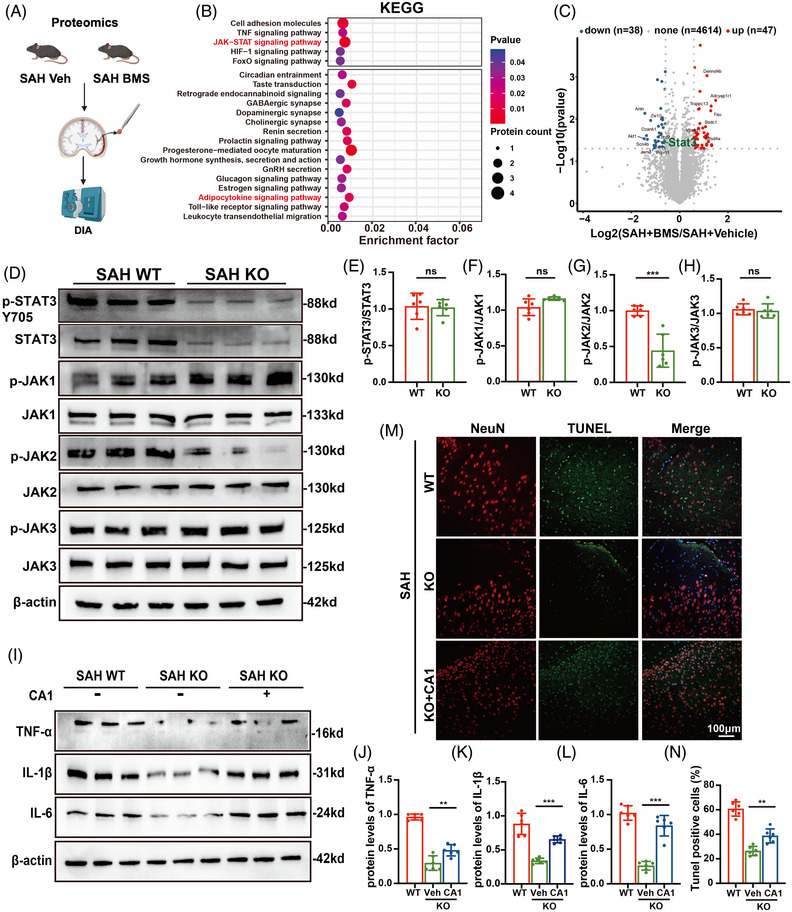 Figure 2
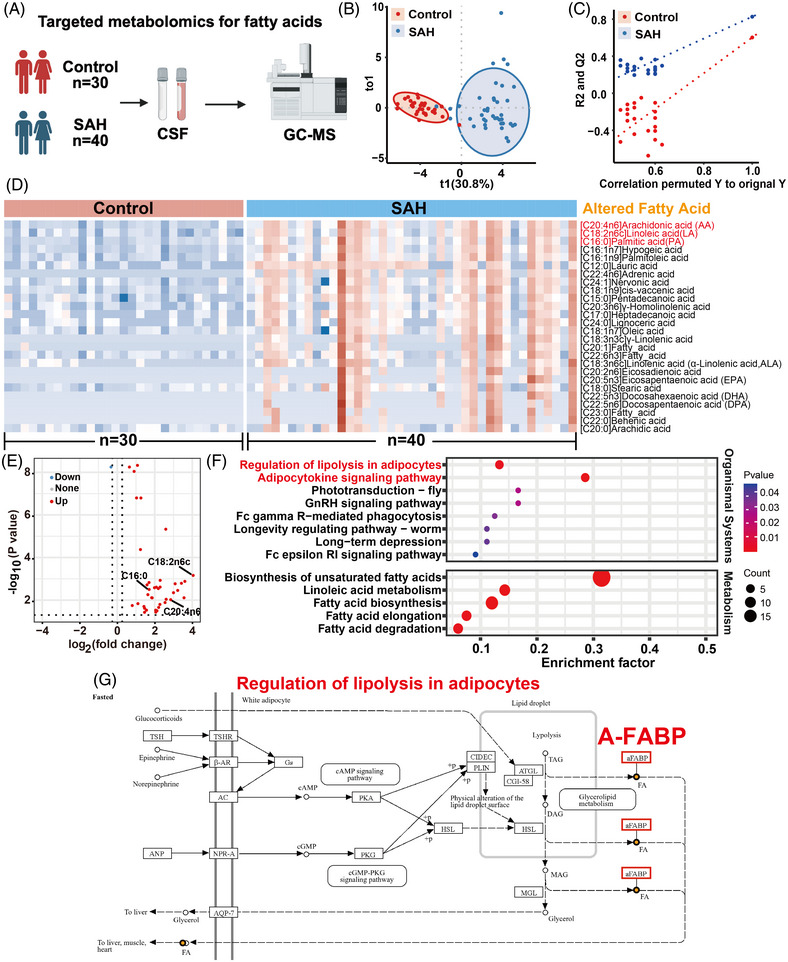 Figure 3
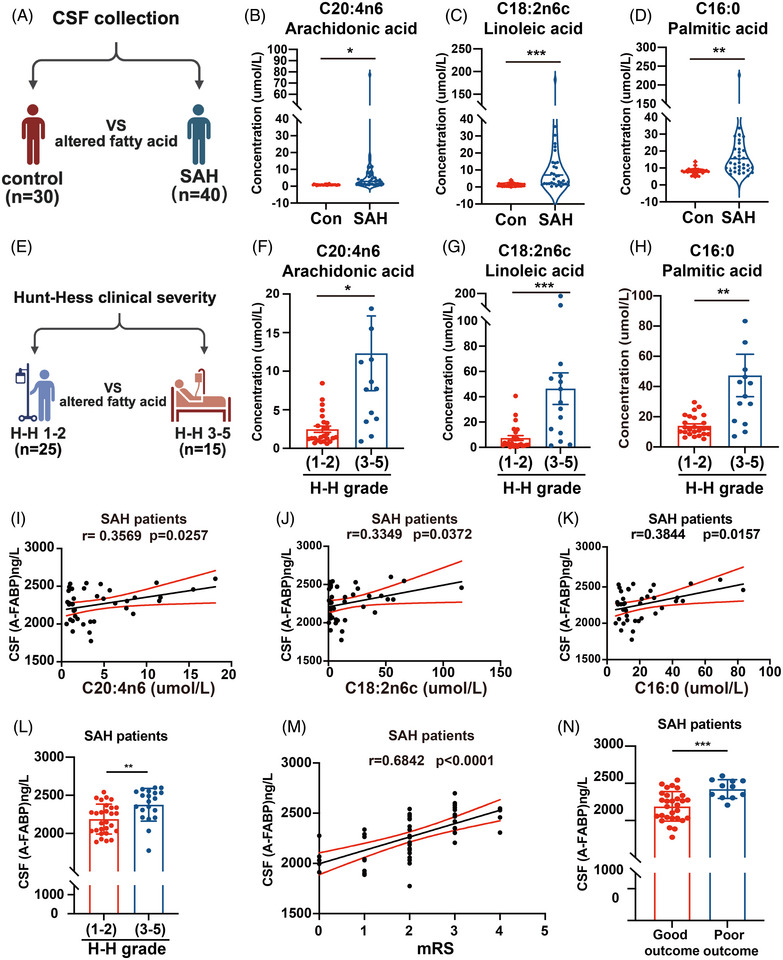 Figure 4
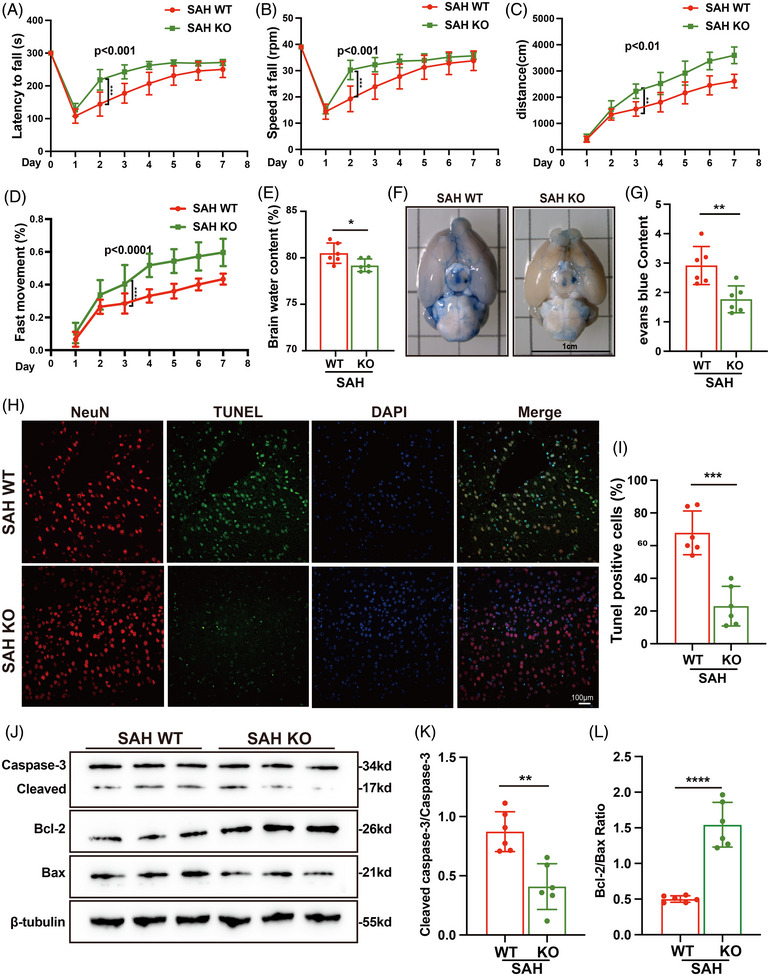 Figure 5
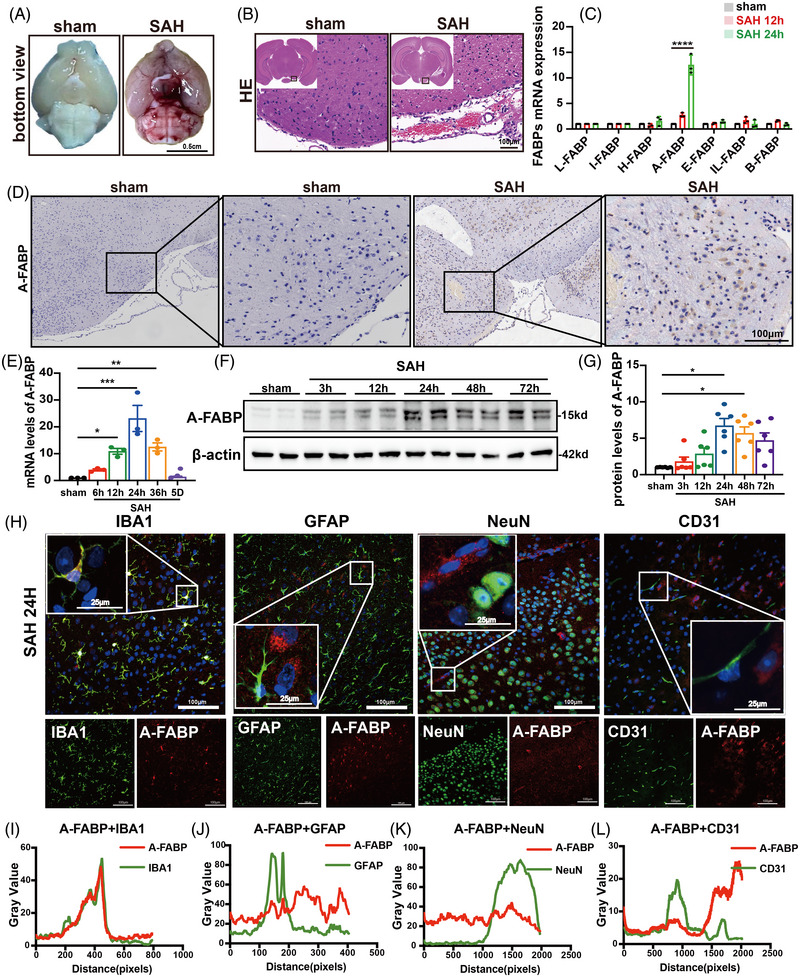 Figure 6
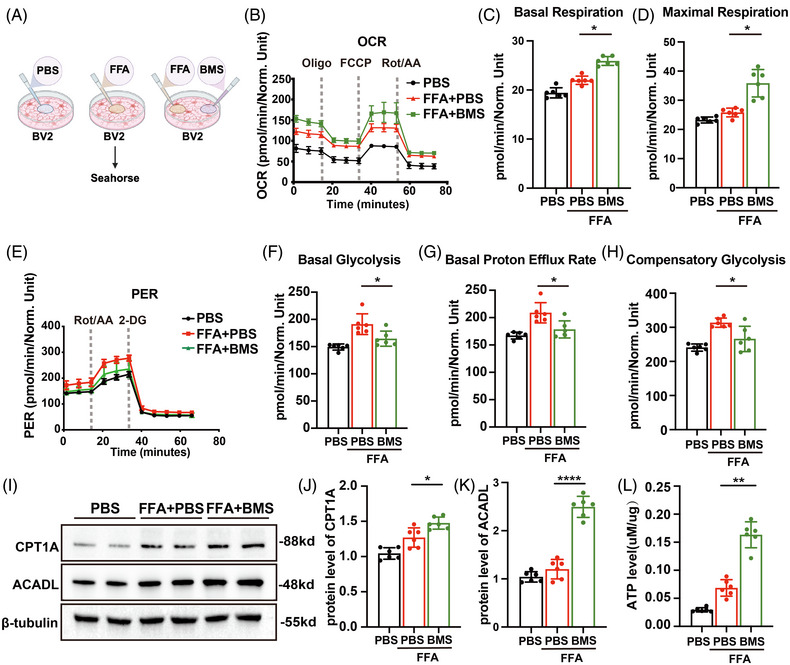 Figure 7
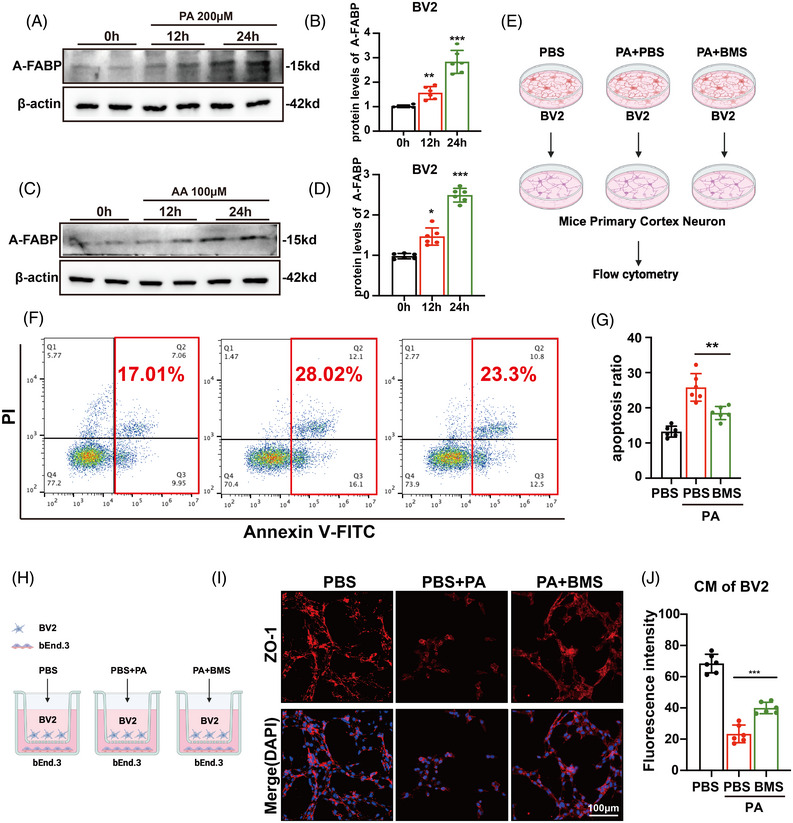 Figure 8
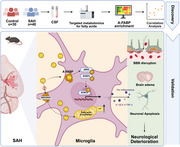 Figure 9
Peer Reviews
No public reviews on file for this paper yet. If you reviewed it on a platform where reviews are public (OpenReview, ICLR, NeurIPS, ICML), you can paste yours below so the community can read it here.
Videos
No videos yet. Explain this paper in a talk, walkthrough, or lecture? Add one.
Taxonomy
TopicsIntracerebral and Subarachnoid Hemorrhage Research · Intracranial Aneurysms: Treatment and Complications · Neuroinflammation and Neurodegeneration Mechanisms