Indirect identification of genomic G-quadruplexes via a small protein probe that specifically recognizes C-rich single-stranded DNA
Juan-nan Chen, Mei-lin Xie, Jiang-yu Yan, Ting-ting Cai, Yong-wen Ding, Tian-xiang He, Jiankang Wang, Jing Huang, Ke-wei Zheng

TL;DR
This paper introduces a new protein probe that detects genomic G-quadruplexes by recognizing complementary C-rich DNA, offering a novel way to map G4 structures in the genome.
Contribution
The study introduces CK13, a novel protein probe that detects G4s indirectly by targeting C-rich single-stranded DNA released during G4 formation.
Findings
CK13 identified tens of thousands of C-rich ssDNA sites in the human genome, most of which overlap with known G4 sites.
CK13 detects G4s even when they are occupied by G4-binding proteins, offering broader detection capabilities than traditional probes.
Abstract
Detecting intracellular genomic G-quadruplexes (G4s) is crucial for understanding their biological functions. Although various G4 recognition probes have been developed, there remains a need for new G4 detection technologies to create detailed and reliable genomic G4 maps. In this study, we developed a small protein (CK13) that specifically recognizes the complementary C-rich single-stranded DNA (ssDNA) released during the formation of G4. Based on CK13 and CUT&Tag technology, we identified tens of thousands of C-rich ssDNA sites within human genomic DNA. These sites contain the vast majority of G4 sites detected by G4 probes, indicating that CK13 can well confirm the results of traditional G4 probes. Since CK13’s binding to C-rich ssDNA is minimally influenced by G4-binding proteins, it produces strong signals at the sites where intracellular G4-binding proteins are present. This…
Genes, proteins, chemicals, diseases, species, mutations and cell lines named across the full text — each resolved to its canonical identifier and authoritative record.
Click any figure to enlarge with its caption.
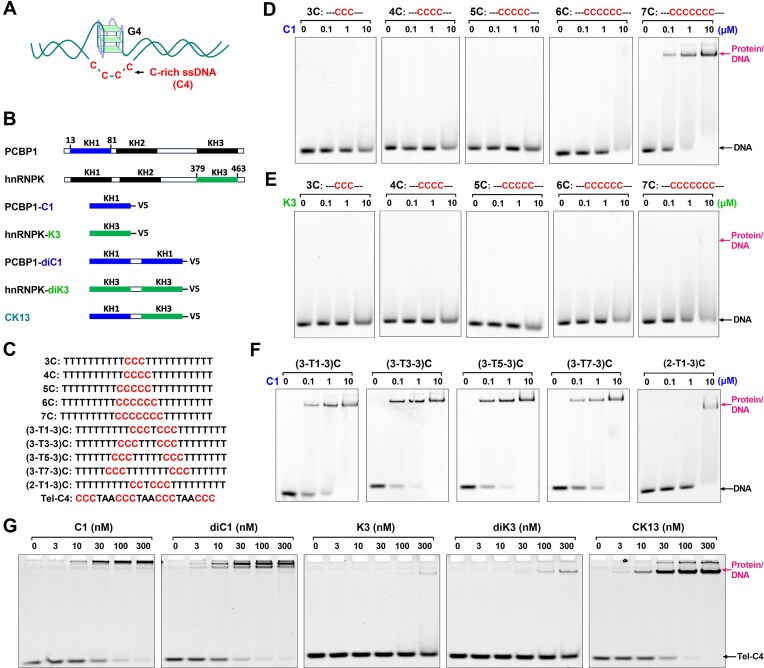 Figure 1
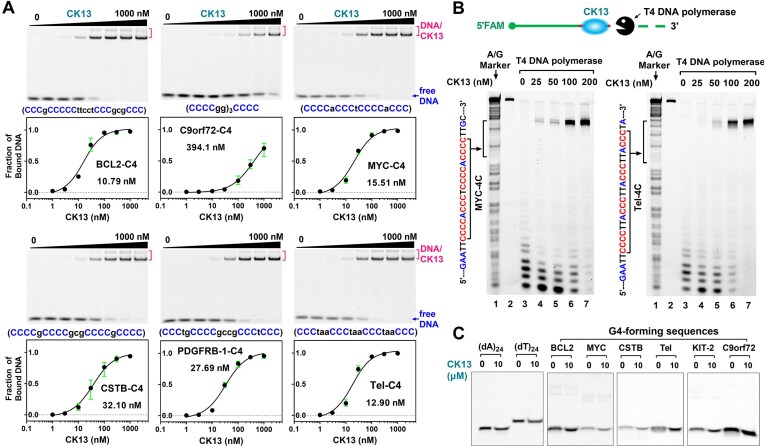 Figure 2
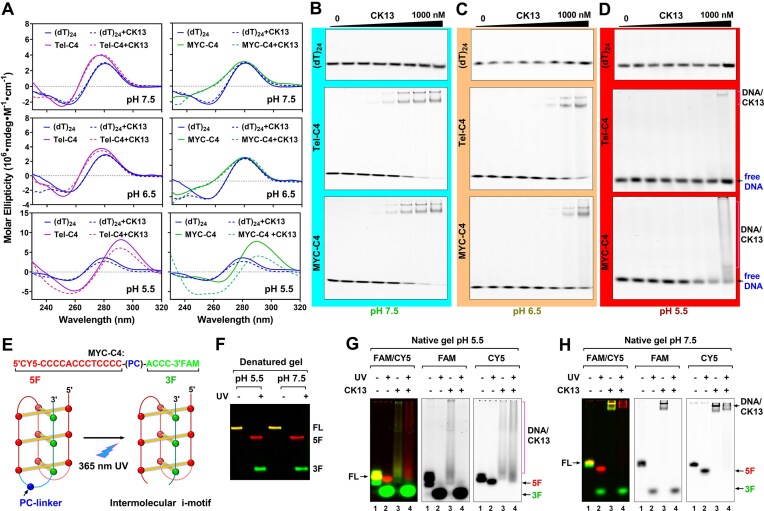 Figure 3
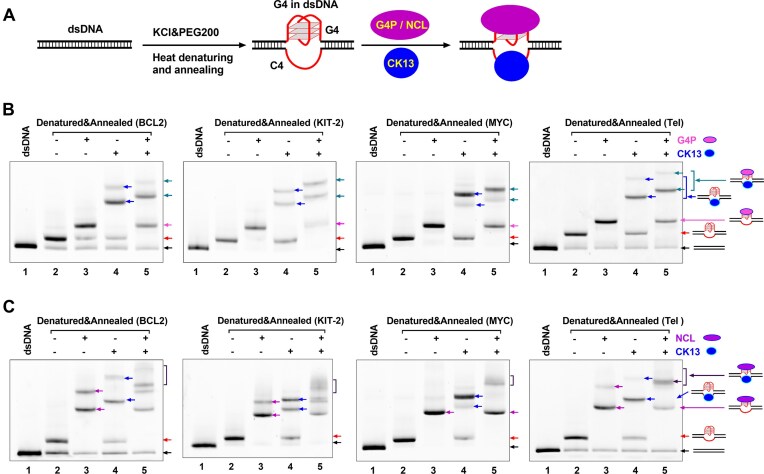 Figure 4
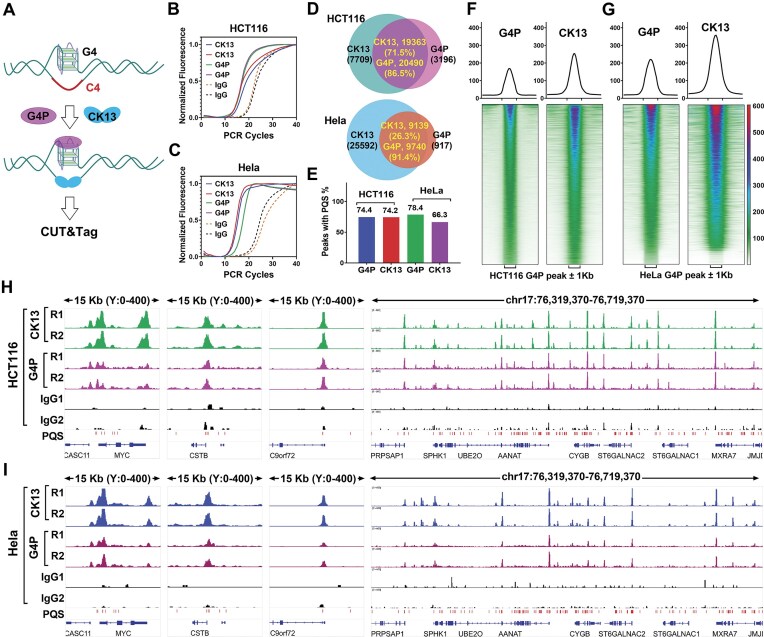 Figure 5
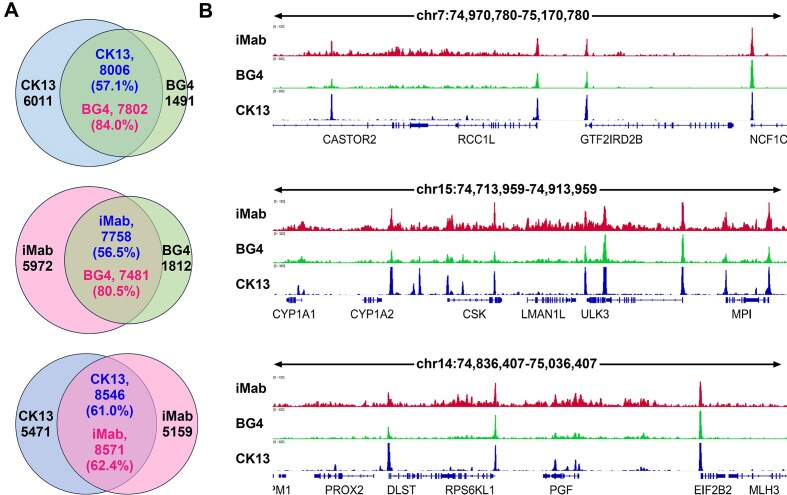 Figure 6
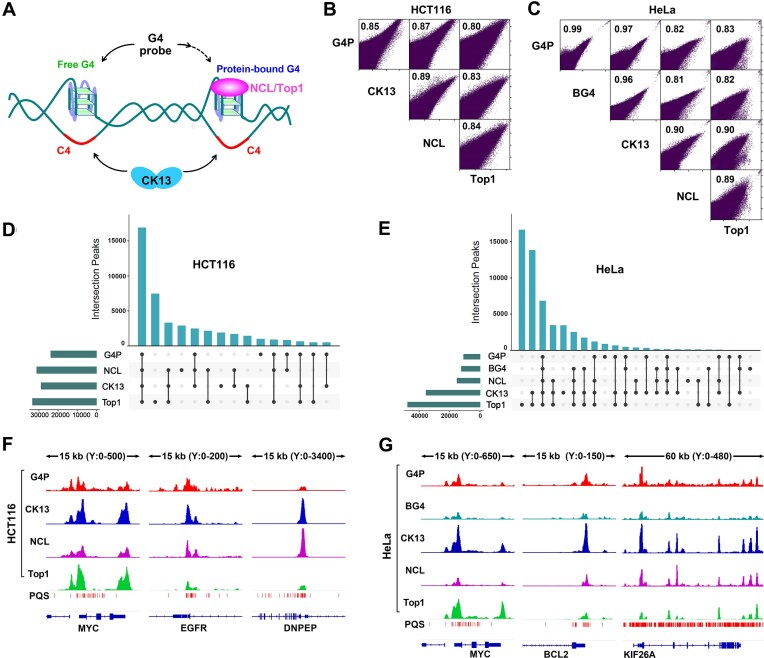 Figure 7
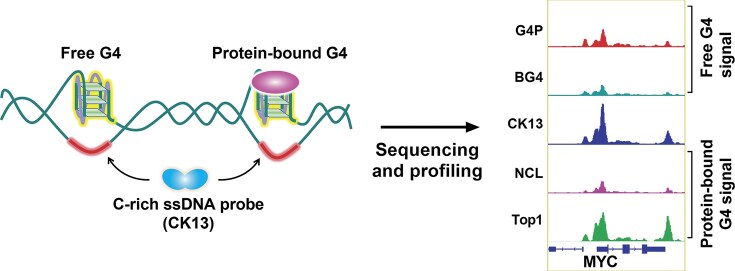 Figure 8
Peer Reviews
No public reviews on file for this paper yet. If you reviewed it on a platform where reviews are public (OpenReview, ICLR, NeurIPS, ICML), you can paste yours below so the community can read it here.
Videos
No videos yet. Explain this paper in a talk, walkthrough, or lecture? Add one.
Taxonomy
TopicsDNA and Nucleic Acid Chemistry · Advanced biosensing and bioanalysis techniques · RNA Interference and Gene Delivery