Pentanucleotide guanine-rich WGGGW repeats, including CANVAS AGGGA repeats, form a variety of noncanonical structures
Jiawei Wang, Dehui Qiu, Jun Zhou, Jean-Louis Mergny, Patrizia Alberti

TL;DR
This paper explores how specific DNA repeats, like AGGGA, form complex structures that may contribute to a genetic disease called CANVAS.
Contribution
The study reveals that WGGGW pentanucleotide repeats can form diverse structures, including G-quadruplexes and non-G4 forms, depending on sequence and ionic conditions.
Findings
DNA WGGGW motifs can adopt multiple structures depending on sequence and ionic conditions.
AGGGA repeats form G-quadruplexes under physiological K⁺ conditions.
Structural diversity of these repeats may explain their genomic instability and pathogenicity.
Abstract
Short tandem repeats (STRs) are an important component of the human genome as they contribute to genetic diversity and can influence gene expression and disease susceptibility. STRs are important in the context of CANVAS (Cerebellar Ataxia, Neuropathy, Vestibular Areflexia Syndrome) genetic disease as expansions of AGGGA repeats within the RFC1 gene are associated with the development of this neurodegenerative disorder. Interestingly, the RFC1 expanded motifs are pentanucleotides that differ from the nonpathogenic AGAAA pentanucleotide motif present in reference genomes. The molecular mechanisms underlying the pathogenicity of the mutated pentanucleotide expansion in CANVAS are still unknown. Several groups have shown that DNA and RNA containing AGGGA repeats fold into G-quadruplexes (G4s) under physiological K⁺ conditions. In this study, we reveal a more complex than expected behavior,…
Genes, proteins, chemicals, diseases, species, mutations and cell lines named across the full text — each resolved to its canonical identifier and authoritative record.
Click any figure to enlarge with its caption.
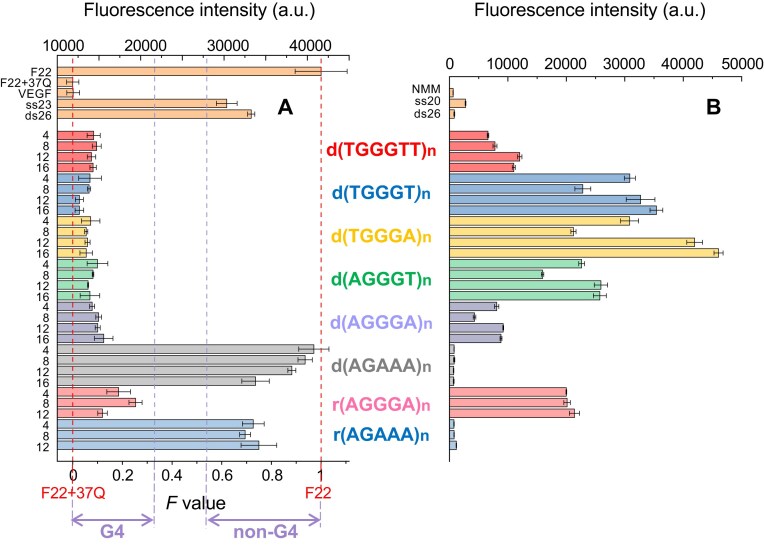 Figure 1
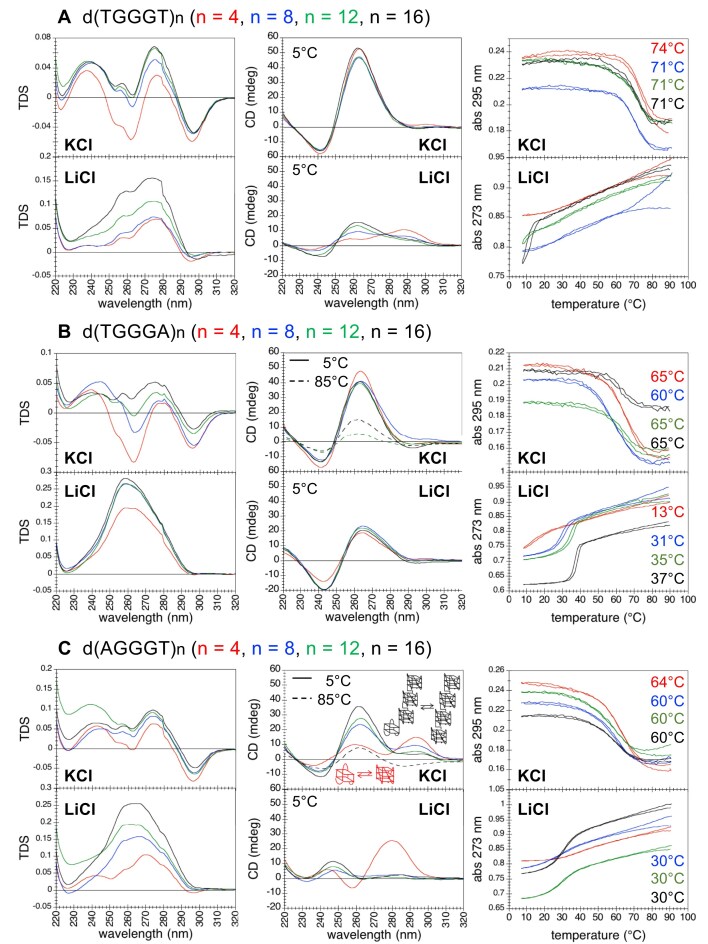 Figure 2
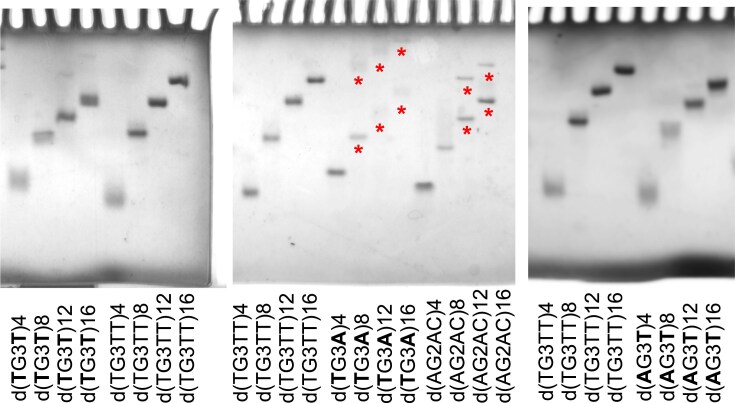 Figure 3
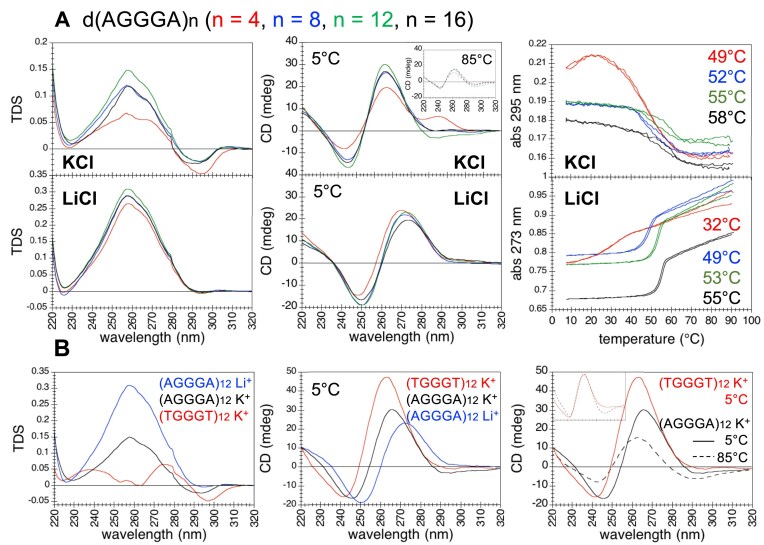 Figure 4
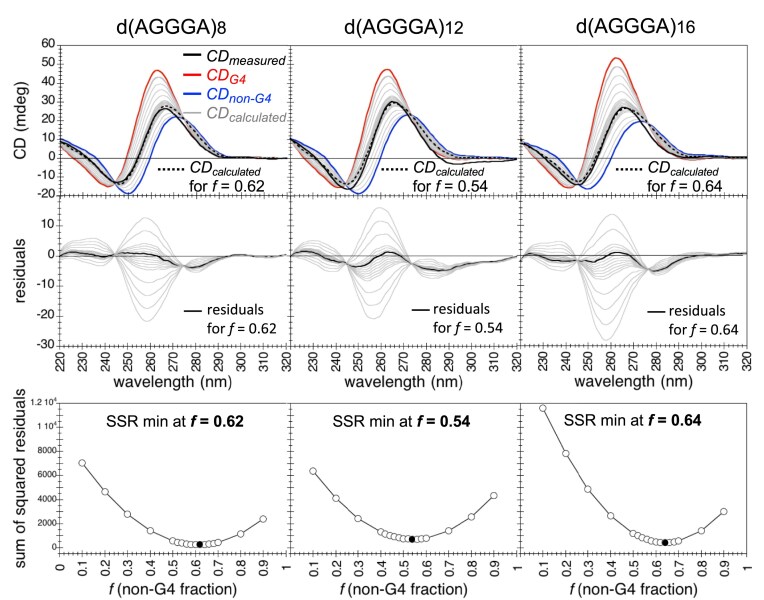 Figure 5
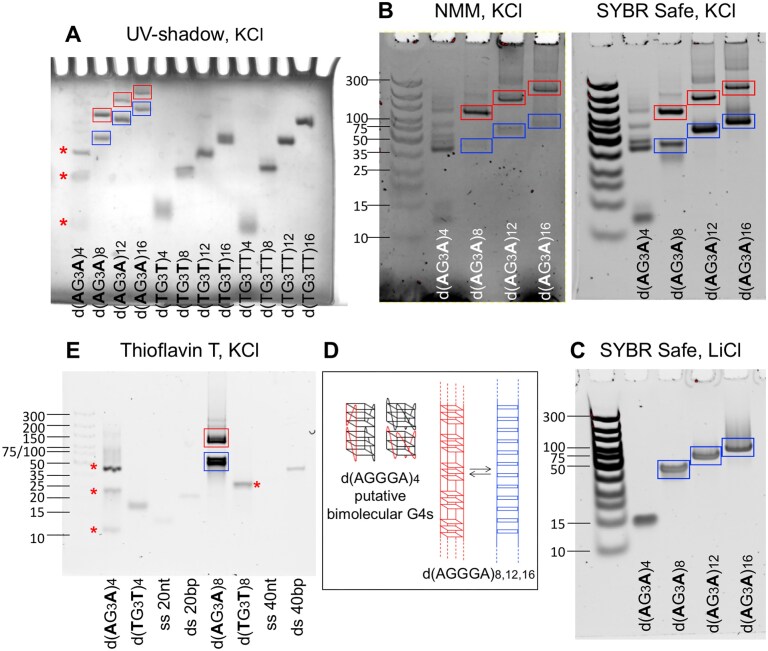 Figure 6
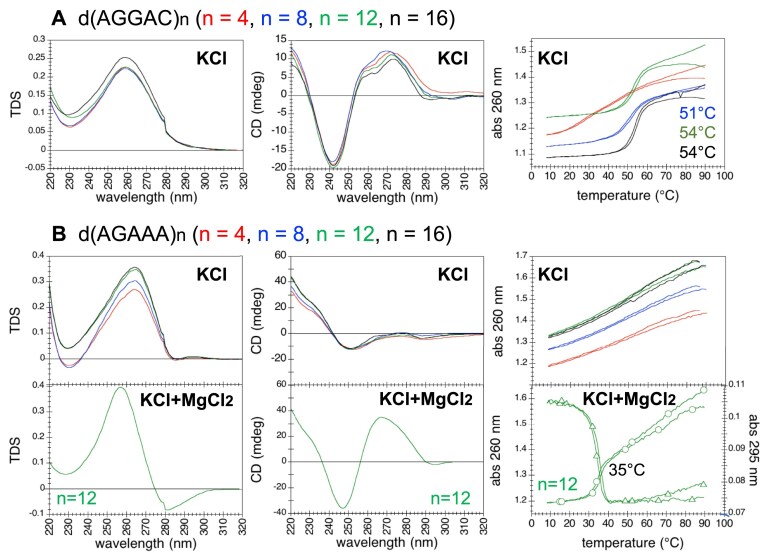 Figure 7
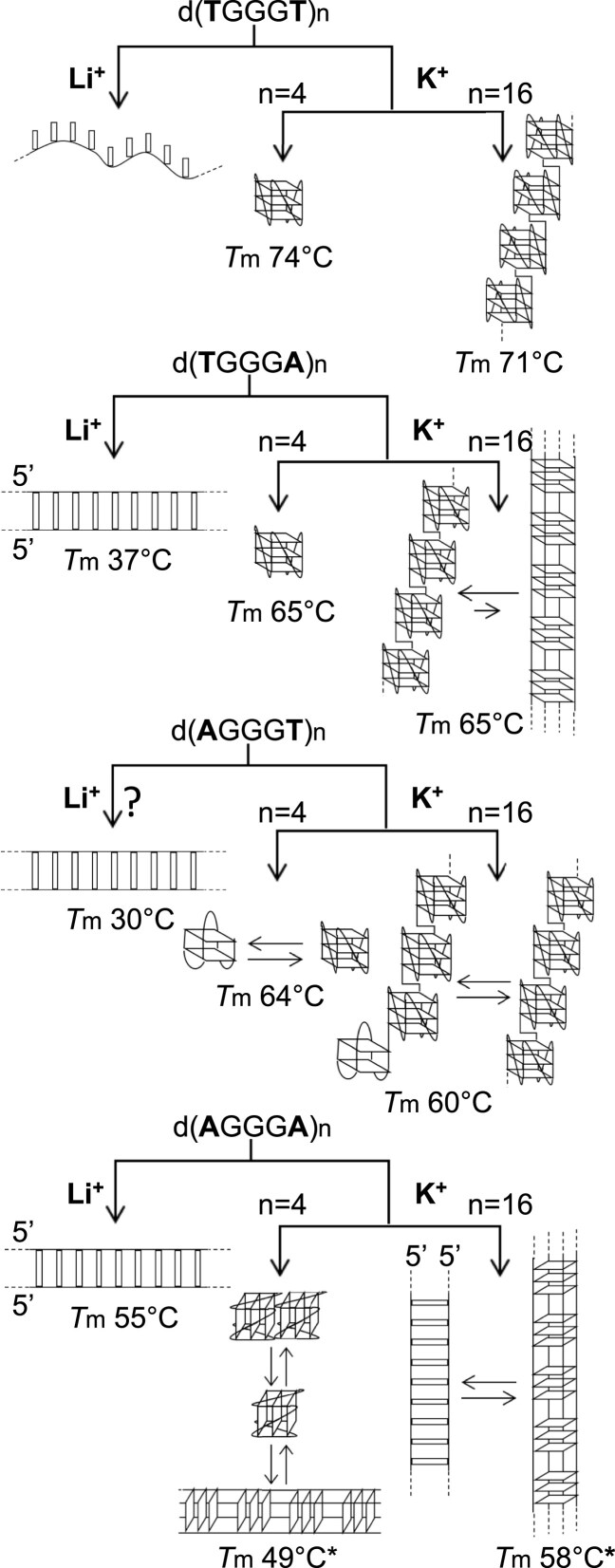 Figure 8
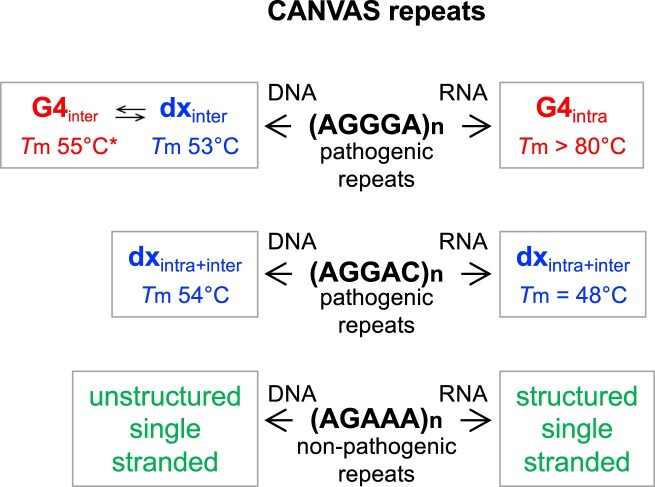 Figure 9
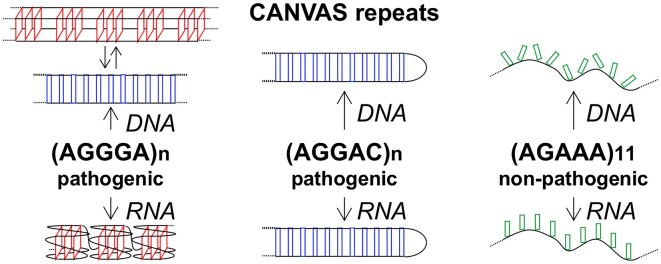 Figure 10
Peer Reviews
No public reviews on file for this paper yet. If you reviewed it on a platform where reviews are public (OpenReview, ICLR, NeurIPS, ICML), you can paste yours below so the community can read it here.
Videos
No videos yet. Explain this paper in a talk, walkthrough, or lecture? Add one.
Taxonomy
TopicsGenetic Neurodegenerative Diseases · Mitochondrial Function and Pathology · Nuclear Structure and Function