Structure and function of persulfide dioxygenase from Pseudomonas aeruginosa: Implications on H2S homeostasis and interplay with nitric oxide
Francesca Giordano, Francesca Troilo, Martina Roberta Nastasi, Lorenzo Caruso, Marta Mellini, Carlo Travaglini-Allocatelli, Giorgio Giardina, João B. Vicente, Giordano Rampioni, Adele Di Matteo, Elena Forte, Alessandro Giuffrè

TL;DR
This study explores an enzyme in Pseudomonas aeruginosa that breaks down hydrogen sulfide and interacts with nitric oxide, revealing new insights into how these signaling molecules work together.
Contribution
The paper identifies a novel crosstalk mechanism between hydrogen sulfide and nitric oxide signaling via PaPDO in a multidrug-resistant pathogen.
Findings
Deletion of the pdo gene in Pseudomonas aeruginosa increases hydrogen sulfide concentration fourfold.
PaPDO binds to nitric oxide, which reversibly inhibits its catalytic activity.
PaPDO has a distinct dimerization area and larger active site compared to its human homolog.
Abstract
Hydrogen sulfide is an important signaling molecule, beneficial at physiological concentrations but harmful at higher levels, due to which a tight control of its bioavailability is essential. Here, we investigated persulfide dioxygenase, an enzyme involved in H2S catabolism, from the pathogen Pseudomonas aeruginosa (PaPDO). Deletion of the gene pdo led to a 4-fold increase in H2S concentration, confirming its physiological role. The recombinant enzyme was structurally characterized at 2.06 Å resolution and assigned to the metallo-β-lactamase superfamily. Compared with its human homolog, PaPDO displayed a different dimerization area and a larger active site, suggesting different substrate preferences. Functionally, PaPDO catalyzed glutathione persulfide dioxygenation with a high turnover rate, and its activity was enhanced by reduced glutathione. Interestingly, the results show that…
Genes, proteins, chemicals, diseases, species, mutations and cell lines named across the full text — each resolved to its canonical identifier and authoritative record.
Click any figure to enlarge with its caption.
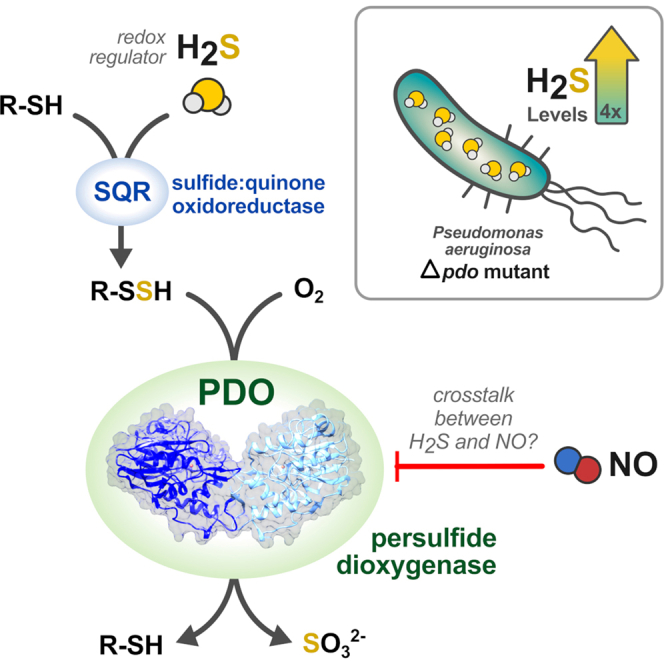 Figure 1
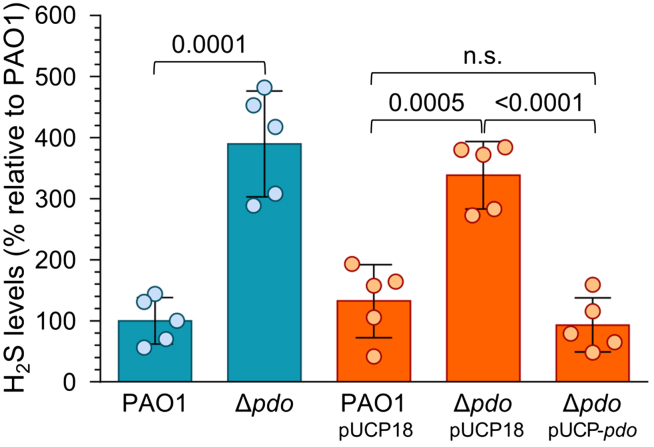 Figure 2
 Figure 3
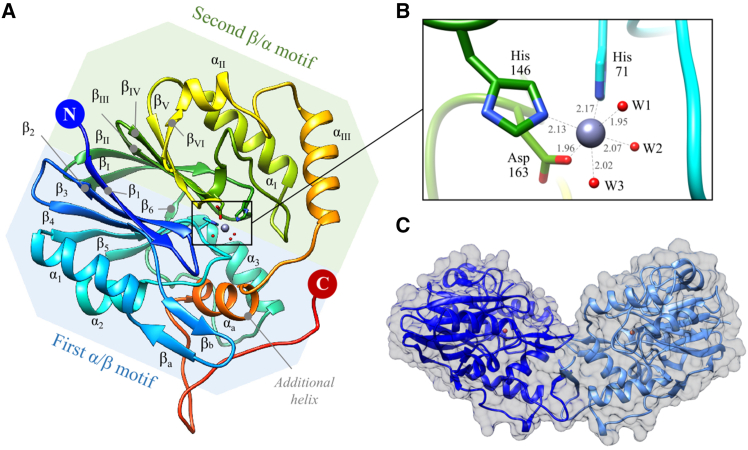 Figure 4
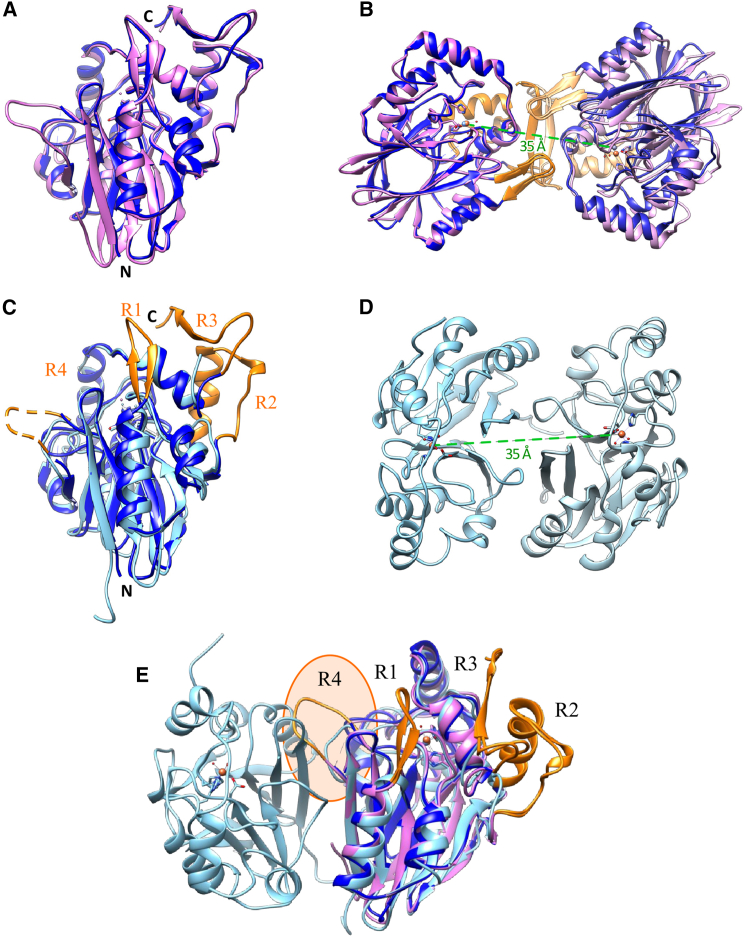 Figure 5
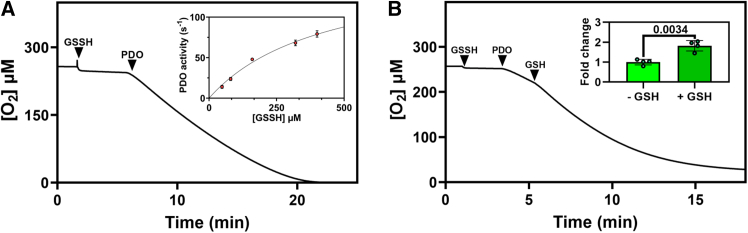 Figure 6
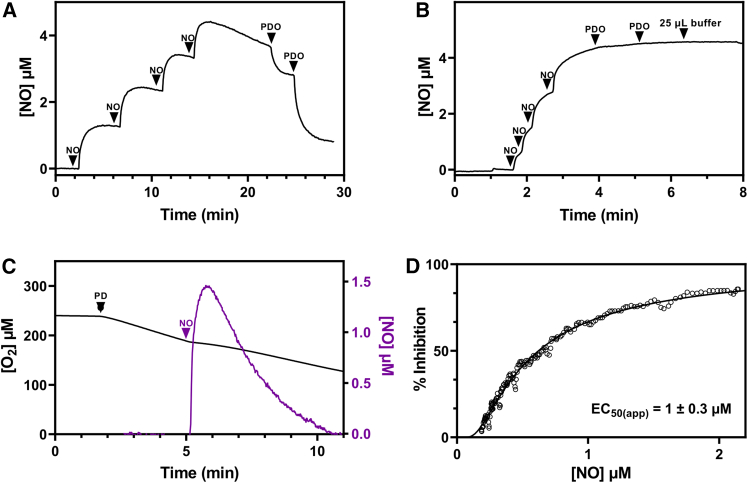 Figure 7
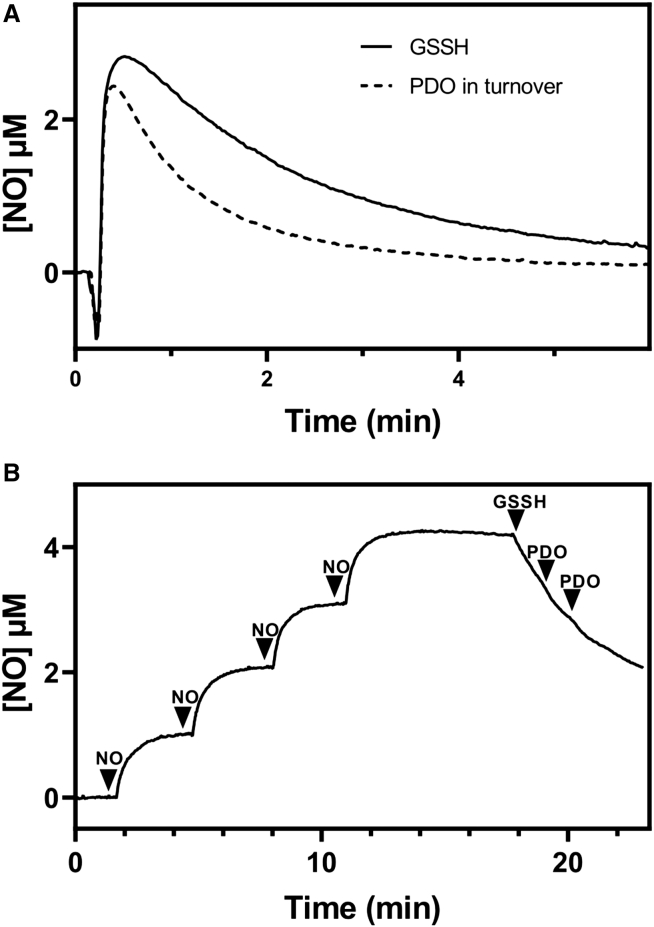 Figure 8
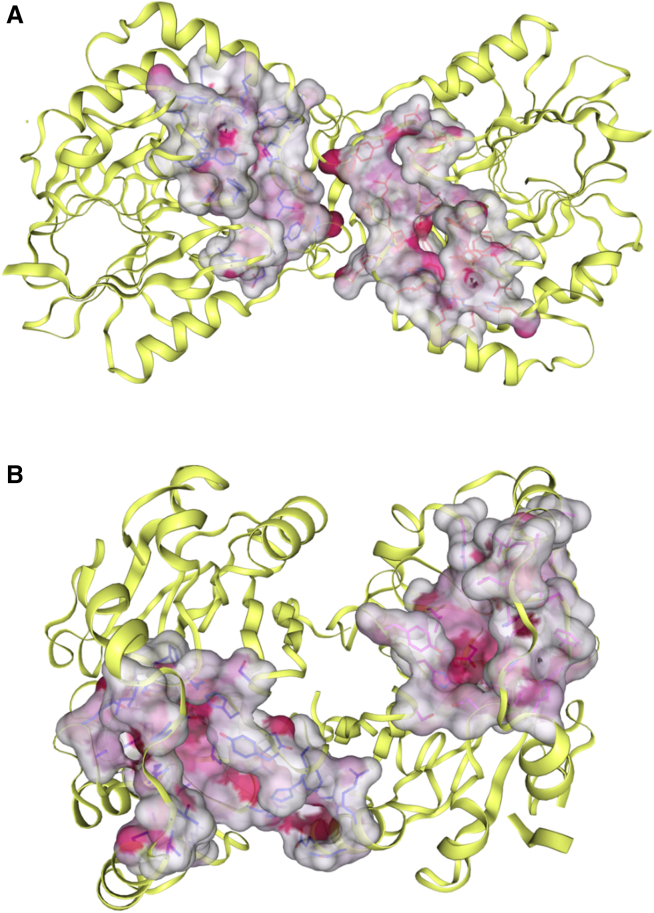 Figure 9
Peer Reviews
No public reviews on file for this paper yet. If you reviewed it on a platform where reviews are public (OpenReview, ICLR, NeurIPS, ICML), you can paste yours below so the community can read it here.
Videos
No videos yet. Explain this paper in a talk, walkthrough, or lecture? Add one.
Taxonomy
TopicsSulfur Compounds in Biology · Redox biology and oxidative stress · Endoplasmic Reticulum Stress and Disease