Development and Validation of the Brief Inventory of Treatment Expectations in Chronic Pain (BITEC)
Wolnei Caumo, Bárbara Regina França, Jaira Ehlers, Stela Maris de Jezus Castro, Rogério Boff Borges, Vania Naomi Hirakata, Graziele Borges Bueno, Iraci LS da Torres, Felipe Fregni

TL;DR
The BITEC is a new tool to measure treatment expectations in chronic pain patients, helping personalize care and improve clinical decisions.
Contribution
The BITEC is a novel, reliable, and theory-based instrument for assessing treatment expectations in chronic pain.
Findings
The nine-item BITEC effectively discriminates between high and low expectations with high sensitivity and specificity.
BITEC demonstrated construct validity by distinguishing expectation categories based on symptom severity and catastrophizing.
Expectation levels varied across pain phenotypes, with the highest in nociceptive pain and lowest in multiple pain conditions.
Abstract
Expectations shape therapeutic outcomes, yet their systematic assessment remains limited in clinical and research settings. To address this gap, we developed and validated the Brief Instrument for the Assessment of Treatment Expectations in Chronic Pain (BITEC) using Item Response Theory. The study comprised four phases. (I) Twenty‐one items were generated from expectation constructs and refined to 11 through a Delphi review (≥ 80% agreement). (II) Comprehensibility was tested in 30 women with fibromyalgia, and the scale was applied to 484 chronic pain patients; items (0–10) were recoded into four categories, and IRT reduced them to nine. (III) The final version was administered to 1127 adults with chronic pain (79.3% fibromyalgia; 20.7% nociceptive/neuropathic), and latent‐class modelling defined low–high expectation cutoffs. (IV) Construct validity was assessed via discriminant…
Genes, proteins, chemicals, diseases, species, mutations and cell lines named across the full text — each resolved to its canonical identifier and authoritative record.
Click any figure to enlarge with its caption.
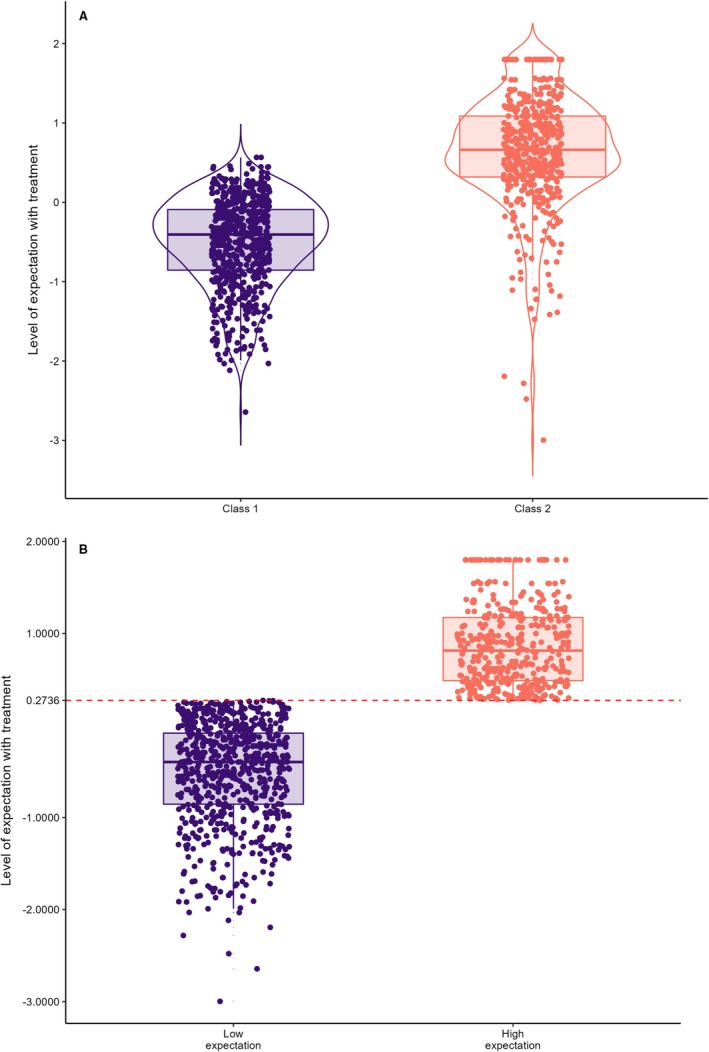 Figure 1
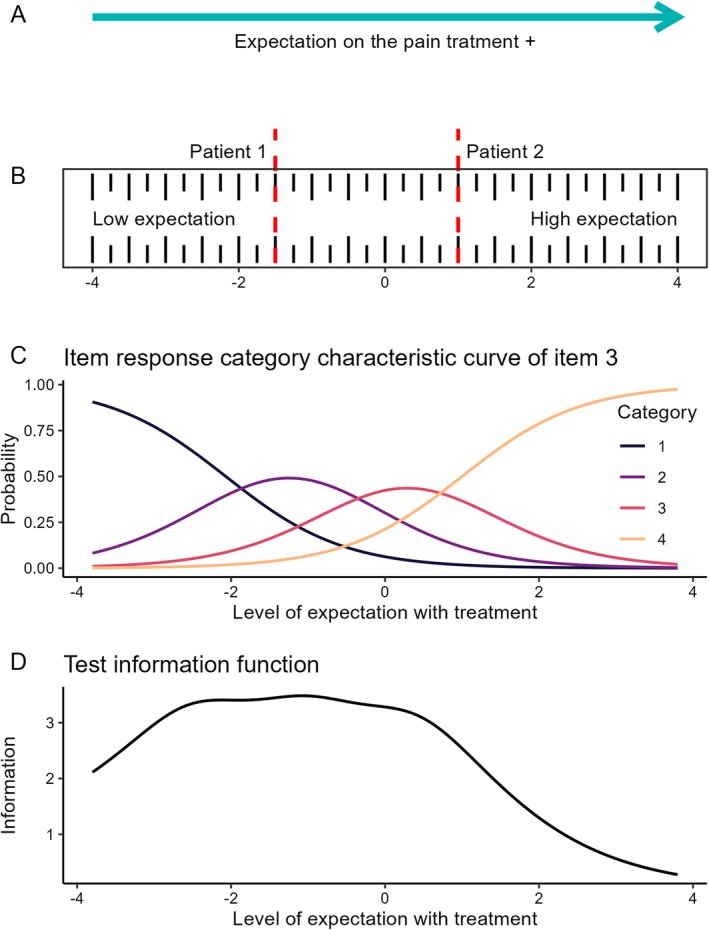 Figure 2
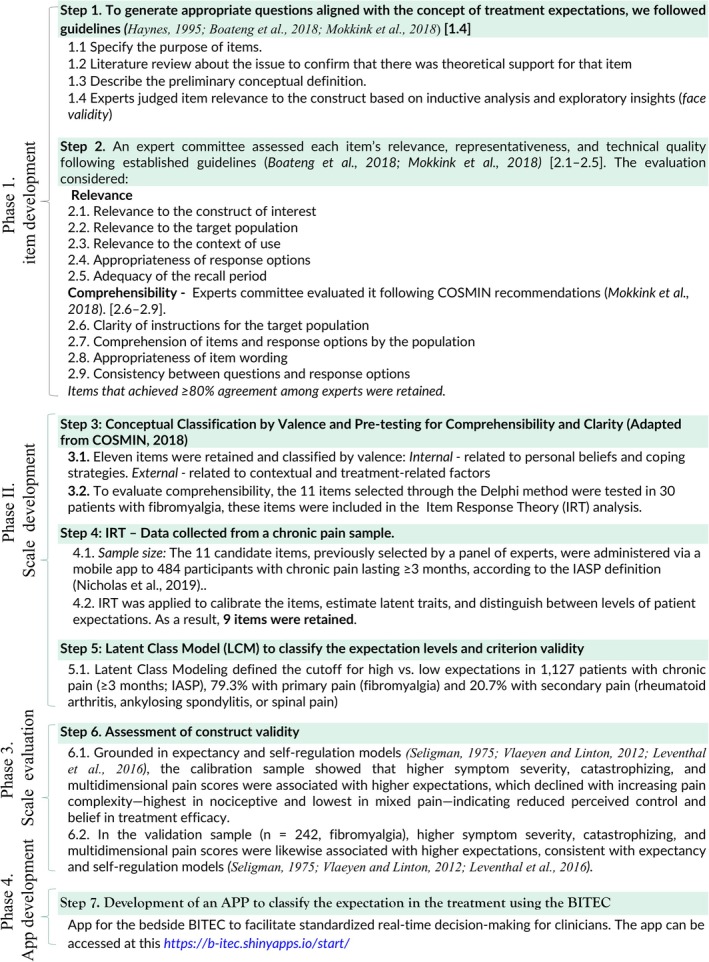 Figure 3
Peer Reviews
No public reviews on file for this paper yet. If you reviewed it on a platform where reviews are public (OpenReview, ICLR, NeurIPS, ICML), you can paste yours below so the community can read it here.
Videos
No videos yet. Explain this paper in a talk, walkthrough, or lecture? Add one.
Taxonomy
TopicsFibromyalgia and Chronic Fatigue Syndrome Research · Musculoskeletal pain and rehabilitation · Pain Mechanisms and Treatments