Changes in Metabolites and Microbial Communities in Follicular Fluid Associated With Ovarian Function in Patients With Polycystic Ovary Syndrome
Manfei Si, Sen Yan, Shu Ding, Rui Liu, Xianglei Xiong, Jie Qiao, Xinyu Qi

TL;DR
This study finds that changes in follicular fluid metabolites and microbes are linked to ovarian function in PCOS patients, suggesting a new pathway for understanding and treating the condition.
Contribution
The study reveals a functional connection between follicular fluid metabolites, microbial communities, and ovarian function in PCOS.
Findings
D-glucose and Alicyclobacillus were the most significant variables in metabolite and microbial models, respectively.
Alicyclobacillus acidoterrestris and Terrimonas species can utilize glucose, affecting follicular fluid glucose levels.
AMH and AFC were significantly associated with differentially abundant metabolites and bacteria, indicating a link to ovarian function.
Abstract
Polycystic ovary syndrome (PCOS) is a well‐documented endocrine disorder associated with metabolic abnormalities. Research has indicated potential links between PCOS and the gut microbiome, and the presence of microbial communities in follicular fluid (FF) has been demonstrated; however, their functional interplay with metabolites has not been elucidated. This case–control study involved 40 patients with PCOS and 40 controls matched for age. A comprehensive analysis of FF metabolites and microbial communities by means of metabolomics analysis and 16S rDNA sequencing was performed. Twelve metabolites and 15 microbial communities were significantly different between the PCOS and control groups. AMH and AFC were significantly associated with the majority of the differentially abundant metabolites and bacteria, suggesting a potential association between FF components and ovarian function.…
Genes, proteins, chemicals, diseases, species, mutations and cell lines named across the full text — each resolved to its canonical identifier and authoritative record.
Click any figure to enlarge with its caption.
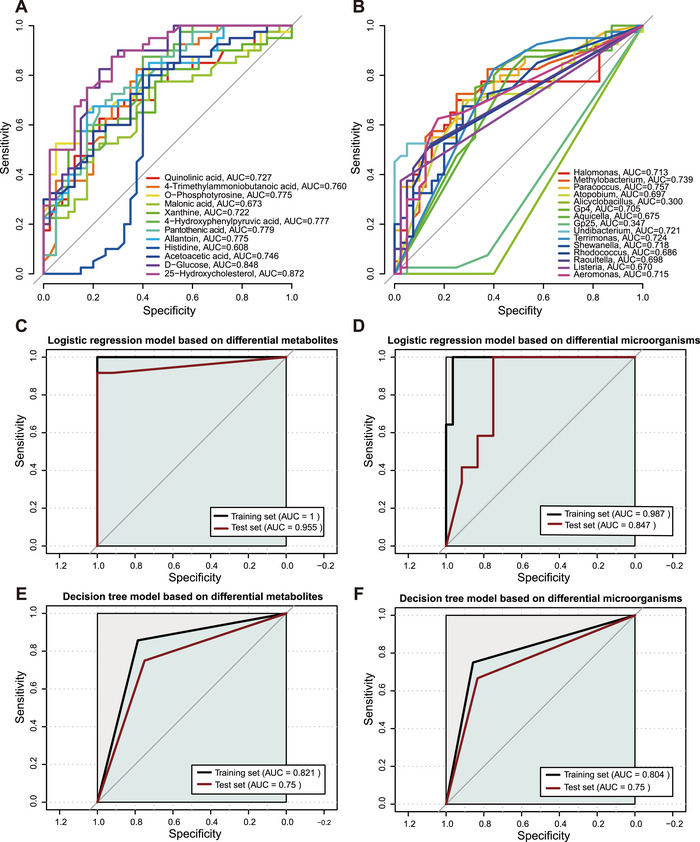 Figure 1
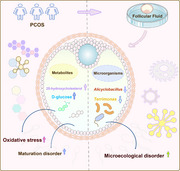 Figure 2
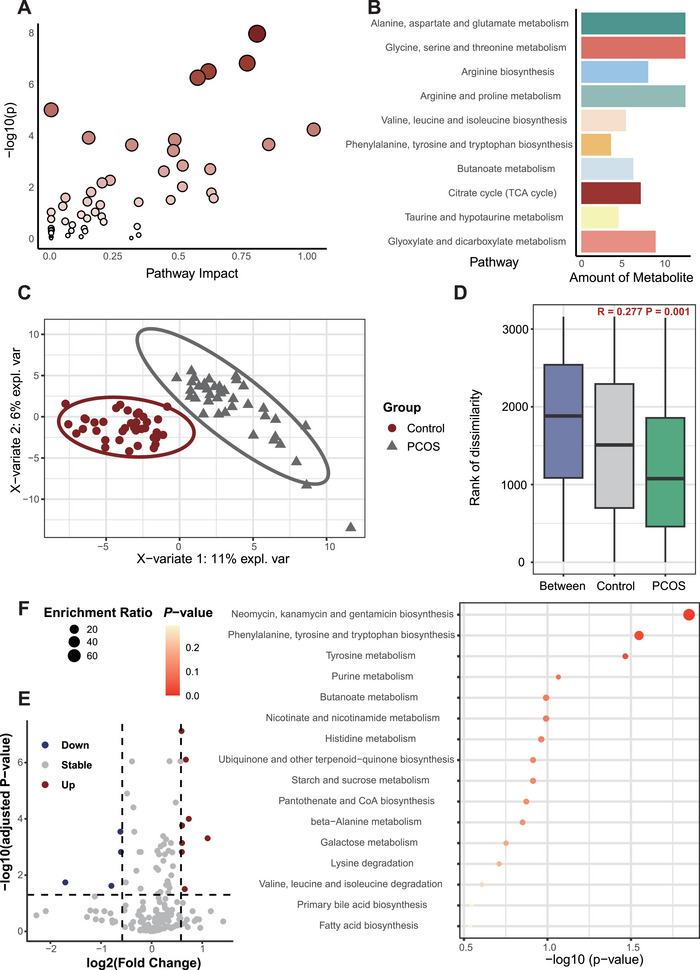 Figure 3
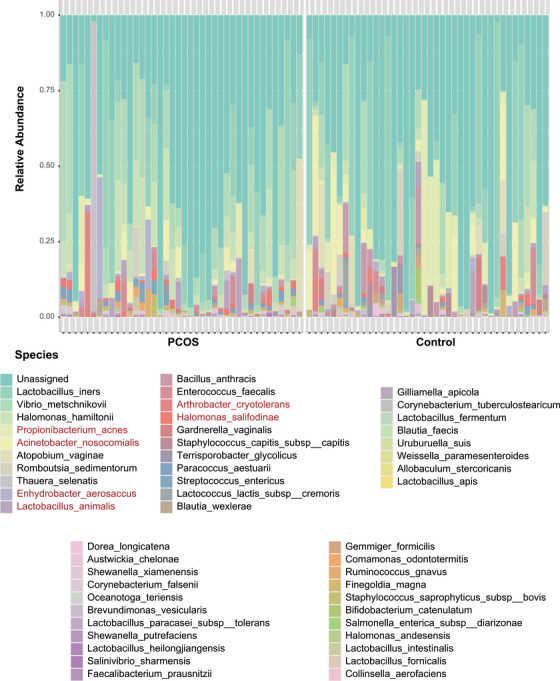 Figure 4
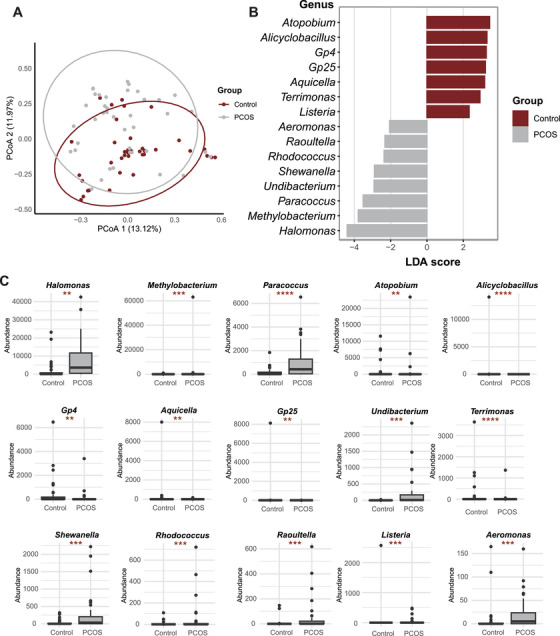 Figure 5
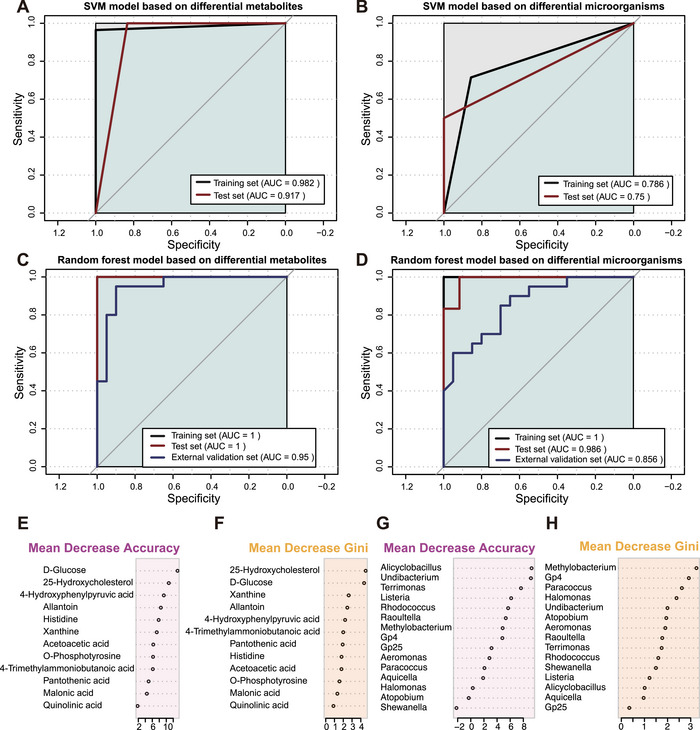 Figure 6
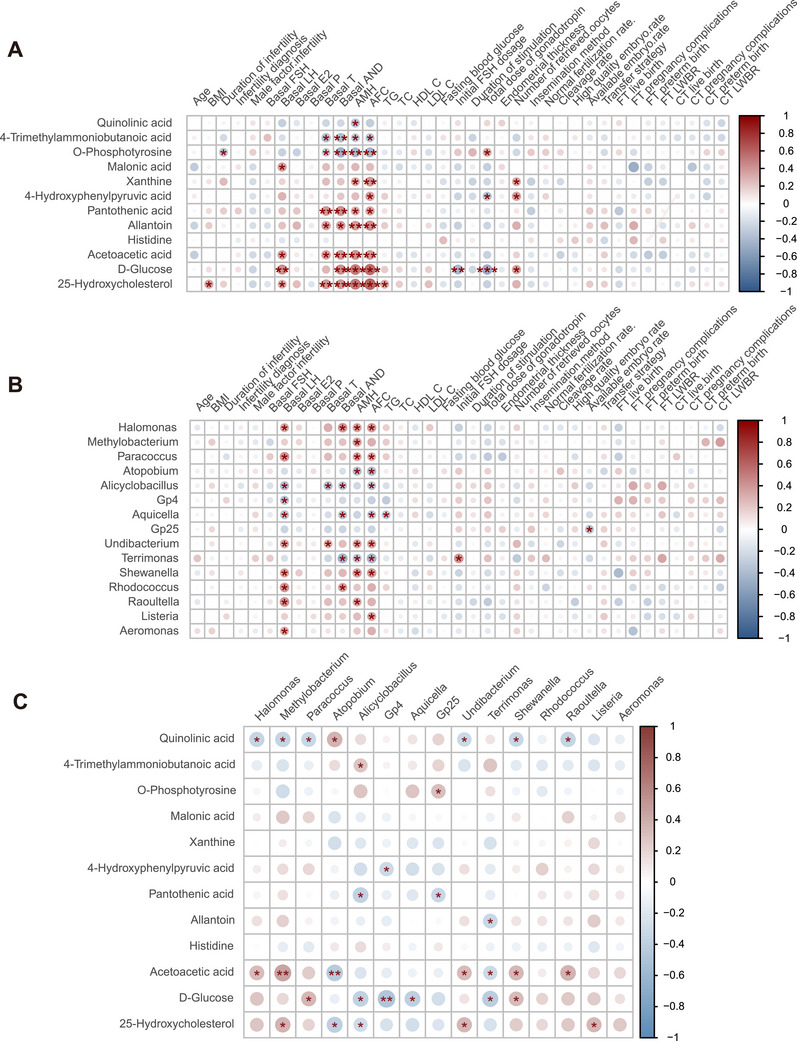 Figure 7
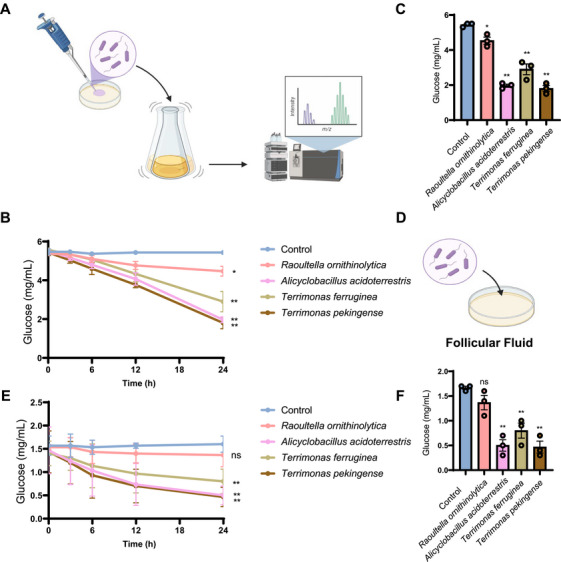 Figure 8
Peer Reviews
No public reviews on file for this paper yet. If you reviewed it on a platform where reviews are public (OpenReview, ICLR, NeurIPS, ICML), you can paste yours below so the community can read it here.
Videos
No videos yet. Explain this paper in a talk, walkthrough, or lecture? Add one.
Taxonomy
TopicsOvarian function and disorders · Gut microbiota and health · Reproductive Biology and Fertility