Peptide OH‐CATH30 Mitigates Cachexia‐Induced Muscle Atrophy via Modulation of TLR4‐Associated Inflammation
Qiquan Wang, Jian Li, Mengqi Yang, Caifen Guo, Ming Zhang, Chunping Huang, Xiang Wang, Dongqin Zhang, Lin Zeng, Hao Ke, Yunling Wen, Shengan Li, Wenhui Lee, Limin Zhao, Xinqiang Lan, Yang Xiang

TL;DR
A peptide called OH-CATH30 reduces muscle loss in cachexia by targeting TLR4-related inflammation, showing promise across different disease models.
Contribution
OH-CATH30, a TLR4-inhibiting peptide, is shown to alleviate muscle atrophy in multiple cachexia models through anti-inflammatory effects.
Findings
OH-CATH30 increased myotube diameter and MyHC protein levels in in vitro models of muscle atrophy.
In mouse models of cachexia, OH-CATH30 improved muscle weight, body weight, and grip strength.
Transcriptomic and biochemical analyses confirmed OH-CATH30 reduces inflammation and protein degradation genes in cachexia.
Abstract
Cachexia, characterized by severe weight loss and muscle atrophy, frequently occurs in chronic conditions such as sepsis, cancer and chemotherapy, with limited effective treatments. Despite similar clinical manifestations, the underlying mechanisms across different disease contexts remain unclear. Identifying common pathways could lead to novel therapies. This study examines the role of Toll‐like receptor 4 (TLR4), which is upregulated in various cachexia models, and assesses the therapeutic potential of the TLR4‐inhibiting peptide OH‐CATH30 in mitigating muscle atrophy. In vivo models using 8‐week‐old mice treated with lipopolysaccharide (LPS), 4T1 tumour cells and cisplatin were used to investigate common pathways in cachexia. In vitro models were established by treating C2C12 myotubes with TNF‐α, 4T1 culture supernatants and cisplatin. OH‐CATH30's effects on muscle atrophy were…
Genes, proteins, chemicals, diseases, species, mutations and cell lines named across the full text — each resolved to its canonical identifier and authoritative record.
Click any figure to enlarge with its caption.
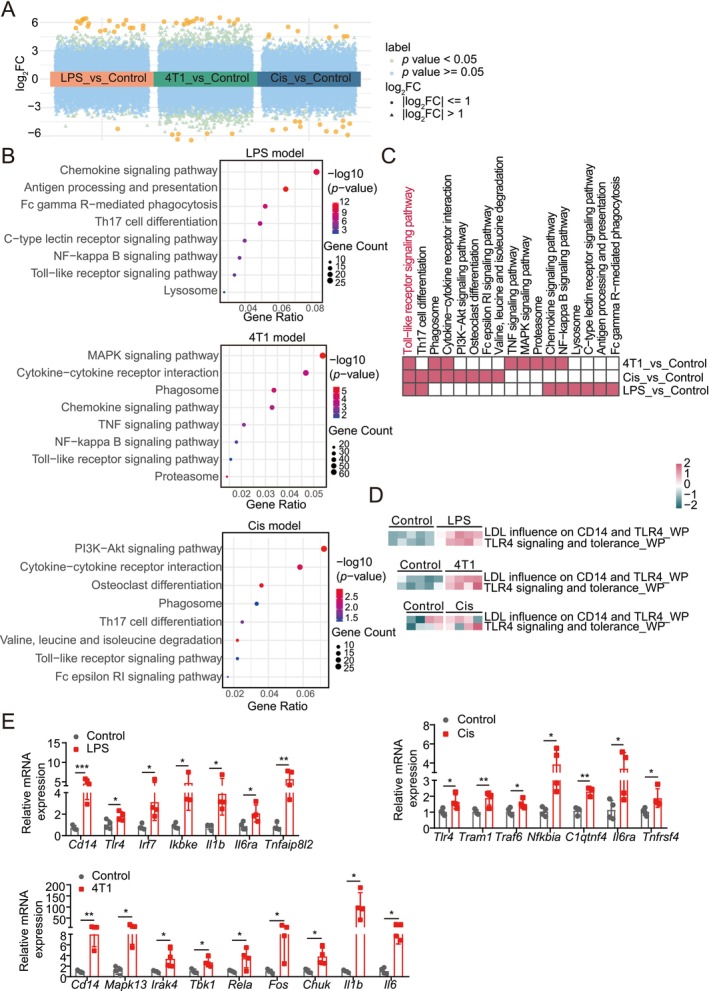 Figure 1
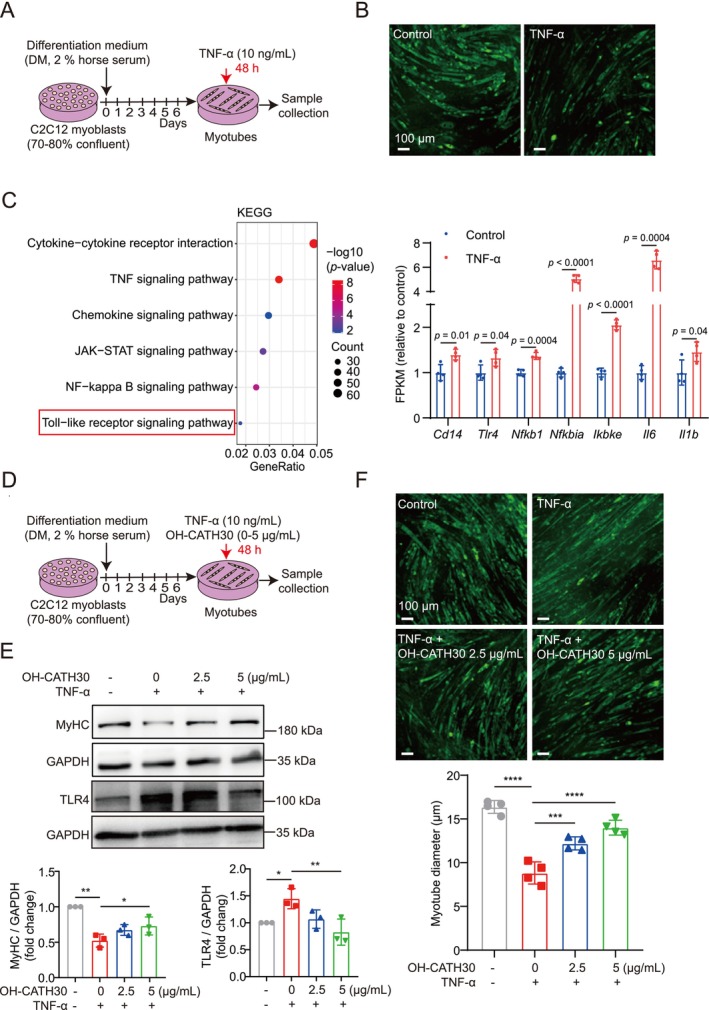 Figure 2
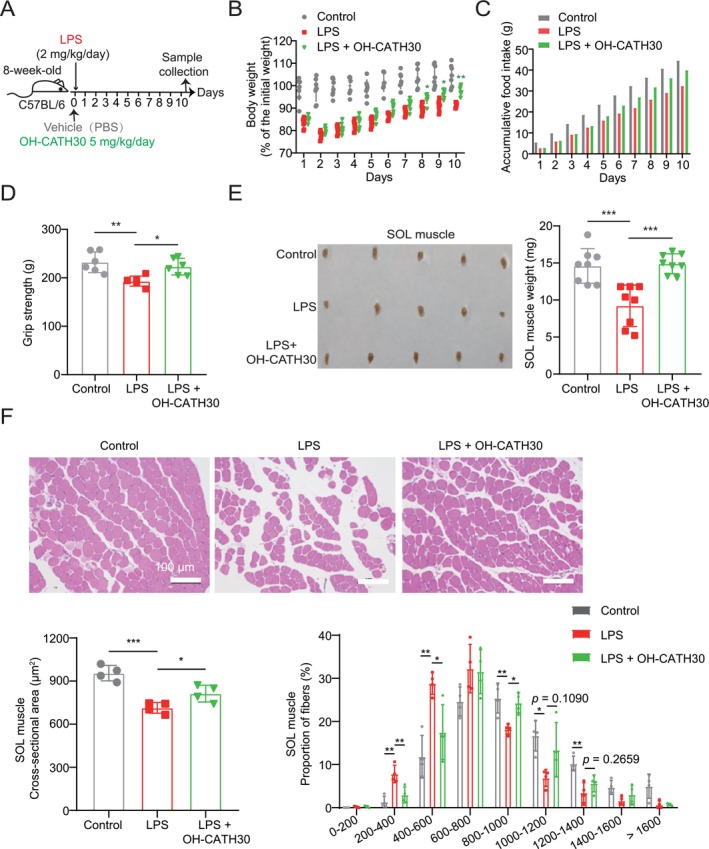 Figure 3
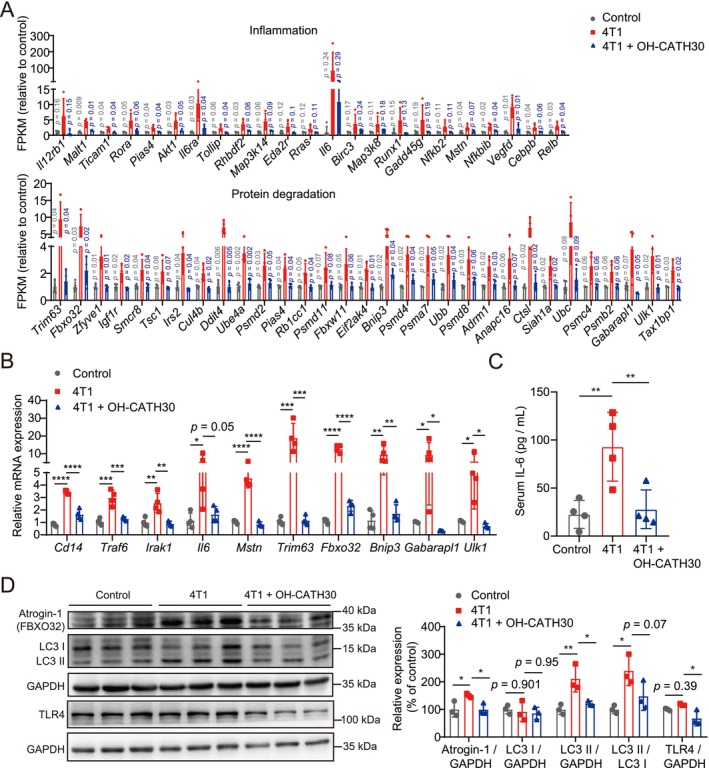 Figure 4
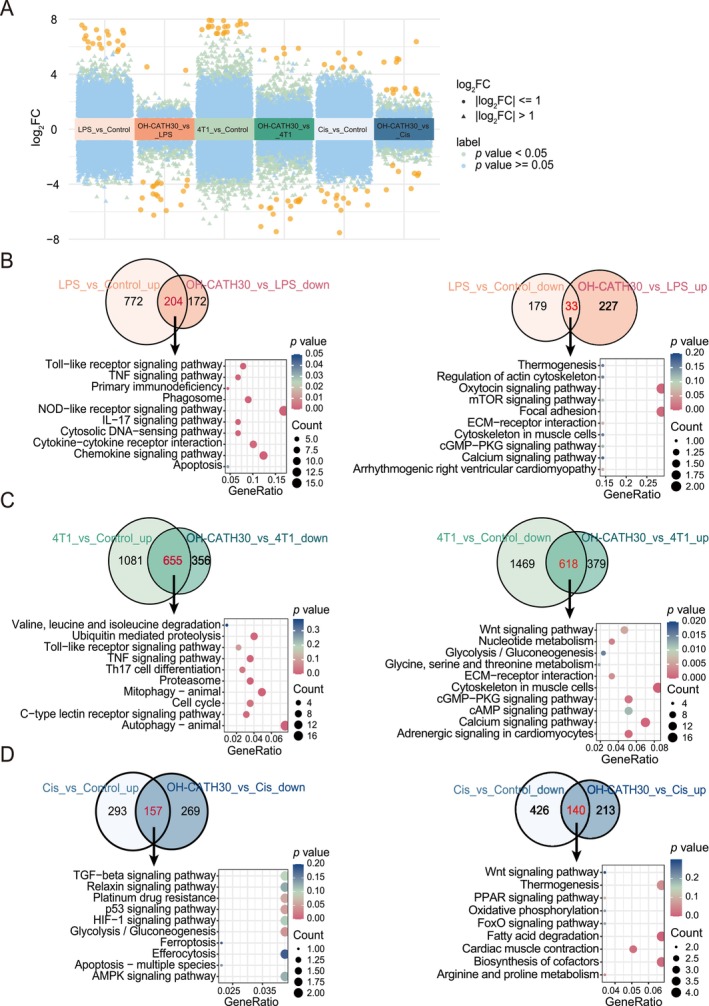 Figure 5
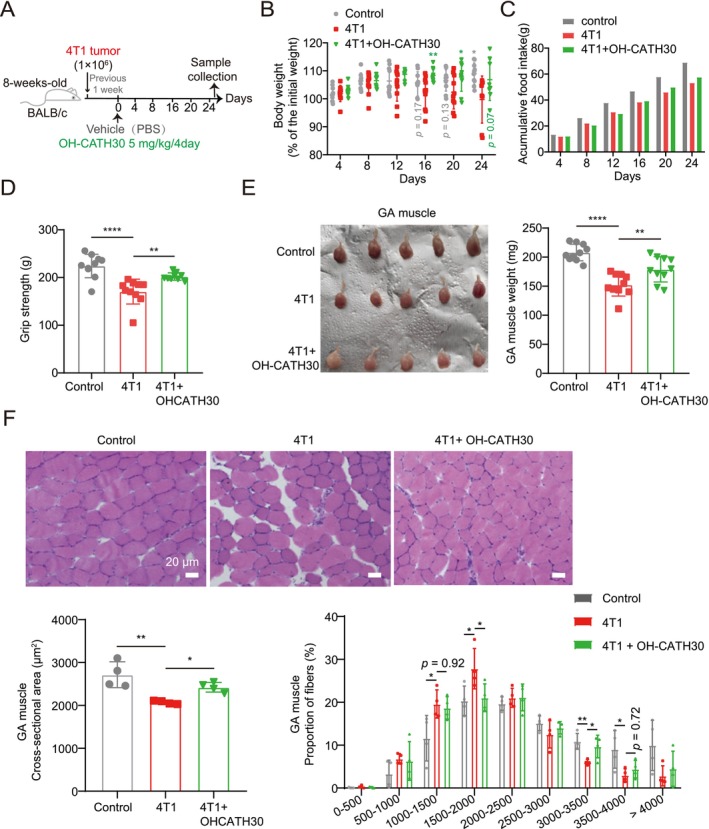 Figure 6
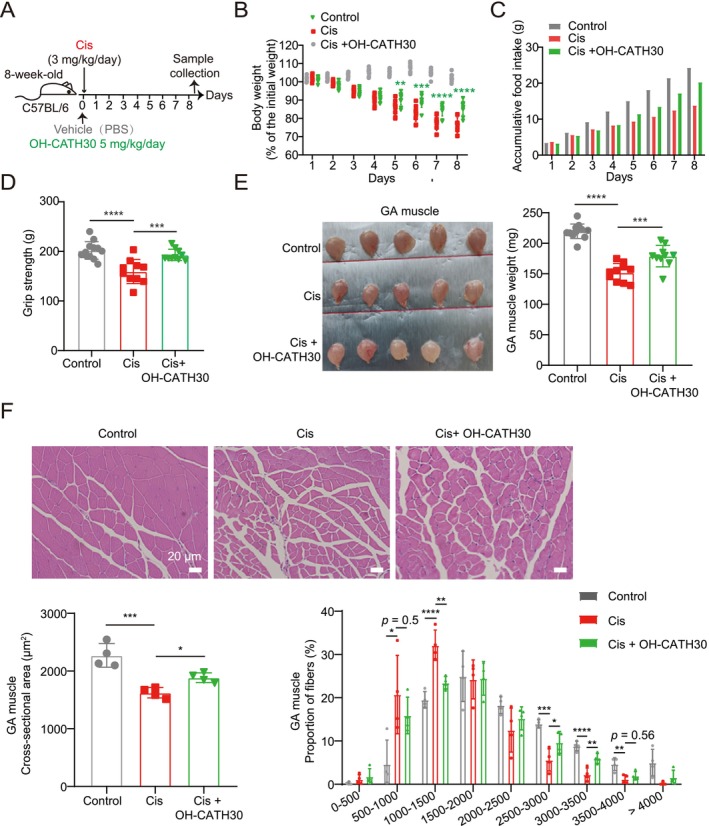 Figure 7
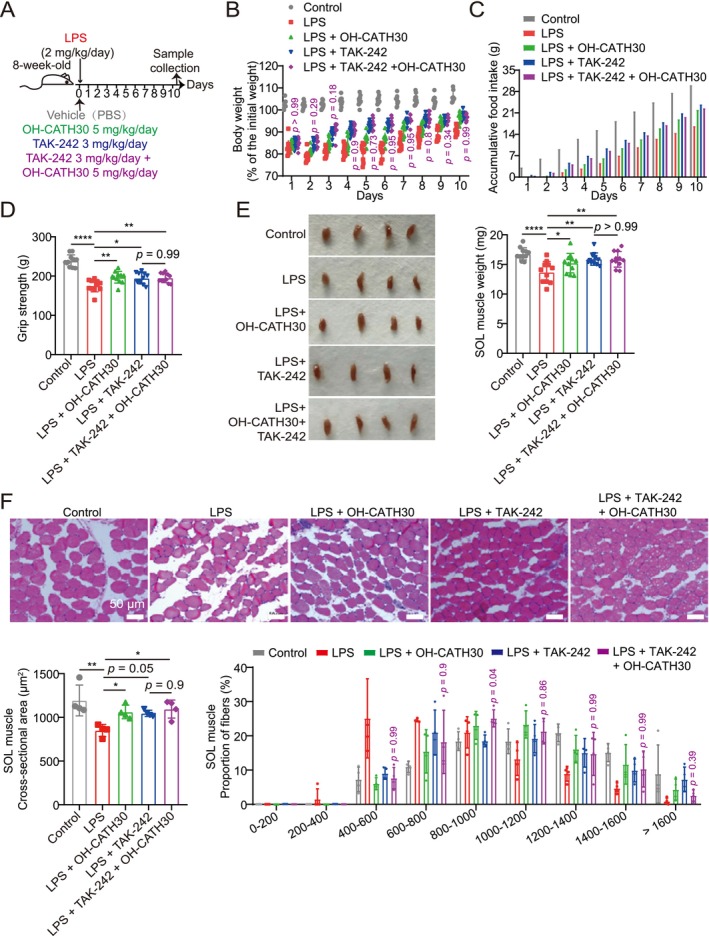 Figure 8
Peer Reviews
No public reviews on file for this paper yet. If you reviewed it on a platform where reviews are public (OpenReview, ICLR, NeurIPS, ICML), you can paste yours below so the community can read it here.
Videos
No videos yet. Explain this paper in a talk, walkthrough, or lecture? Add one.
Taxonomy
TopicsMuscle Physiology and Disorders · Nutrition and Health in Aging · Exercise and Physiological Responses