Selenoprotein P deletion ameliorates metabolic stress-associated anxiety-like behavior in male mice
Guzel Gafiyatullina, Anna Shabalova, Hisanori Goto, Hein Ko Oo, Kengo Saito, Ryota Tanida, Qifang Li, Kyoko Kamoshita, Cynthia M Galicia-Medina, Yujiro Nakano, Yumie Takeshita, Kiyo-Aki Ishii, Hiroaki Takayama, Chiharu Tsuji, Haruhiro Higashida, Yohei Shinmyo, Hiroshi Kawasaki

TL;DR
Deleting selenoprotein P in mice brains reduced anxiety-like behavior linked to metabolic stress, suggesting a new connection between metabolism and anxiety.
Contribution
The study identifies selenoprotein P as a potential link between metabolic stress and anxiety in mice.
Findings
Selenop is produced by glial and endothelial cells in the brain.
Deleting Selenop in mice brains reduced anxiety-like behavior under high-fat diet conditions.
Higher serum selenoprotein P levels were found in people with anxiety symptoms.
Abstract
Diabetes-associated metabolic stress and anxiety reciprocally influence one another's onset and course. We previously linked excessive selenoprotein P (SeP, encoded by SELENOP in humans) to pathological conditions frequently observed in individuals with diabetes. The present study aimed to clarify the role of SeP in the metabolic stress-induced anxiety. We visualized Selenop expression in the mouse brain section via RNAscope in situ hybridization and used RT-qPCR to evaluate gene expression in brain regions. We created brain-specific Selenop knockout (bSelenop-/-) mice by mating Selenop-flox and Nestin-Cre mice and conducted behavior tests for anxiety-like behavior and spatial memory under both a standard (STD) and high-fat, high-sucrose diet (HFHSD) conditions. In a cross-sectional general population cohort study, we examined differences in serum selenoprotein P concentrations…
Genes, proteins, chemicals, diseases, species, mutations and cell lines named across the full text — each resolved to its canonical identifier and authoritative record.
Click any figure to enlarge with its caption.
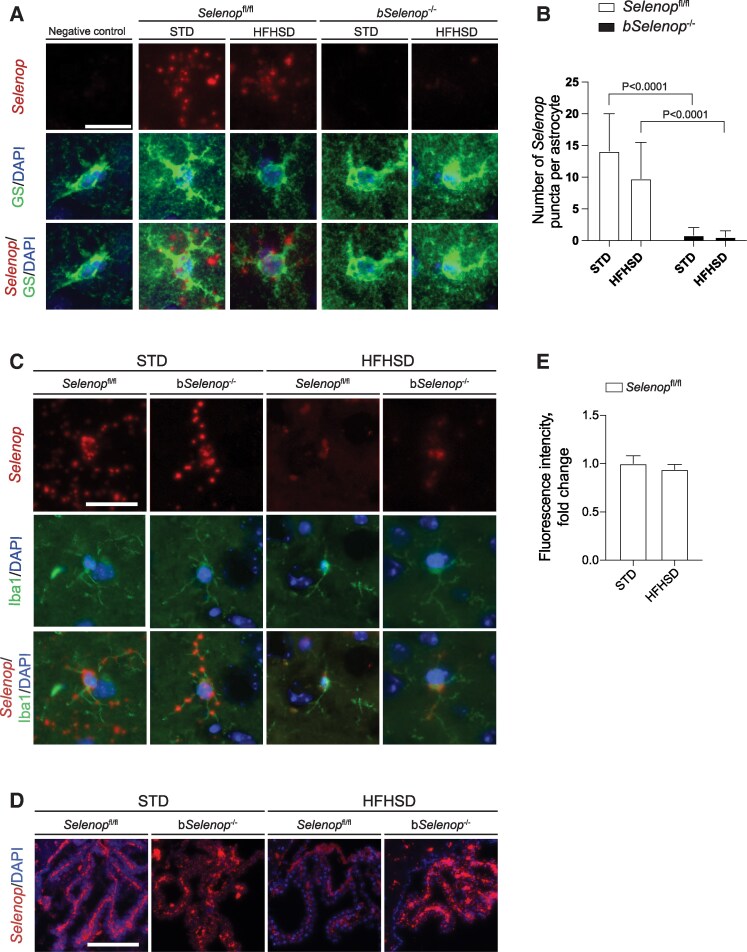 Figure 1
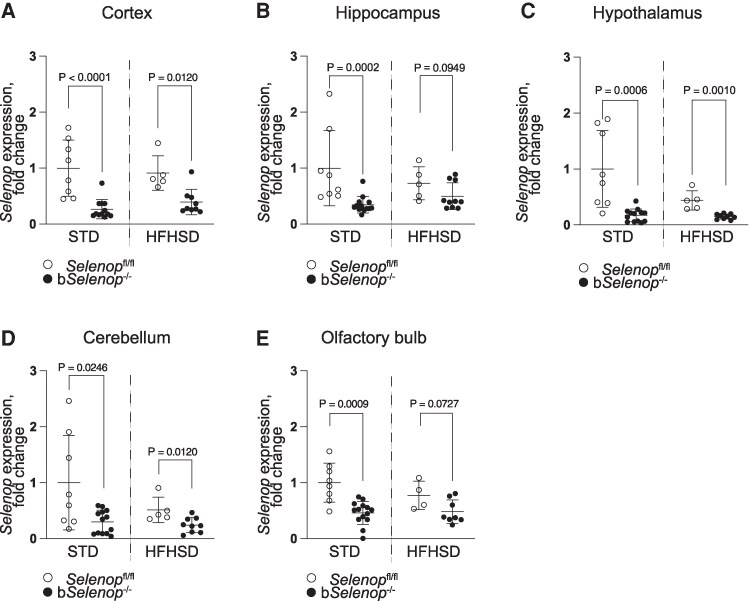 Figure 2
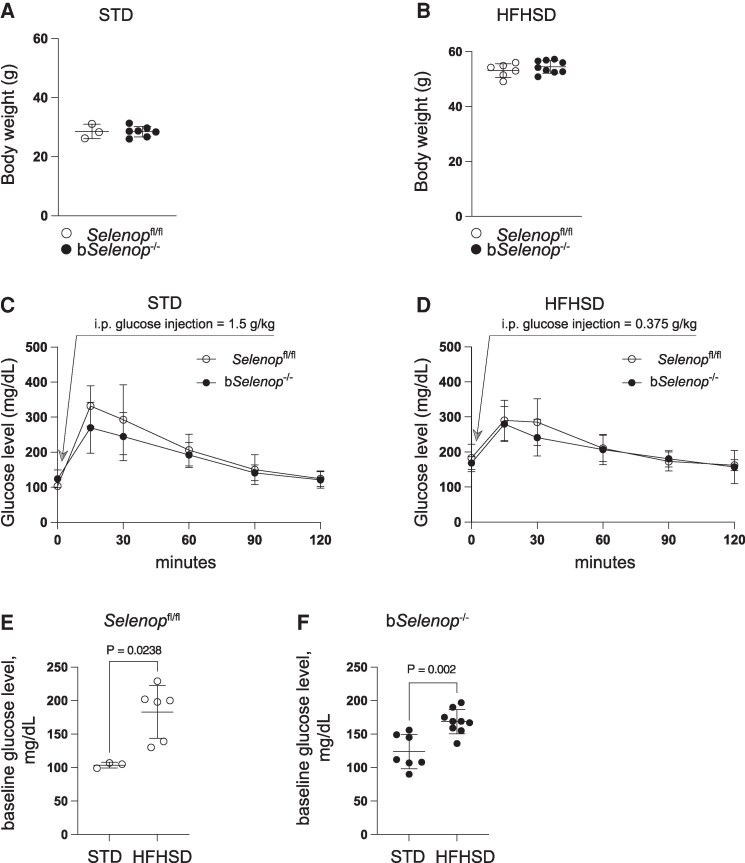 Figure 3
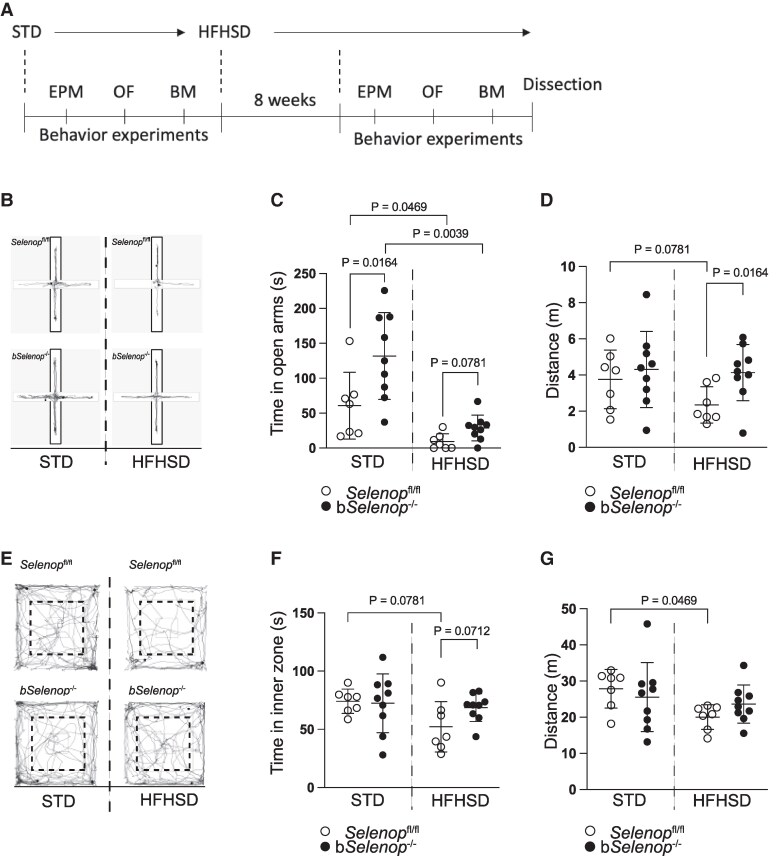 Figure 4
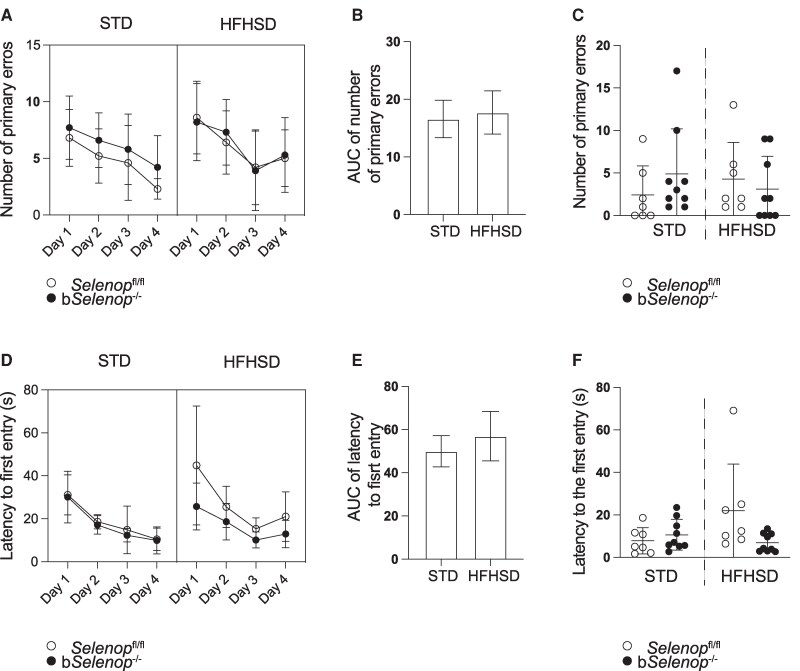 Figure 5
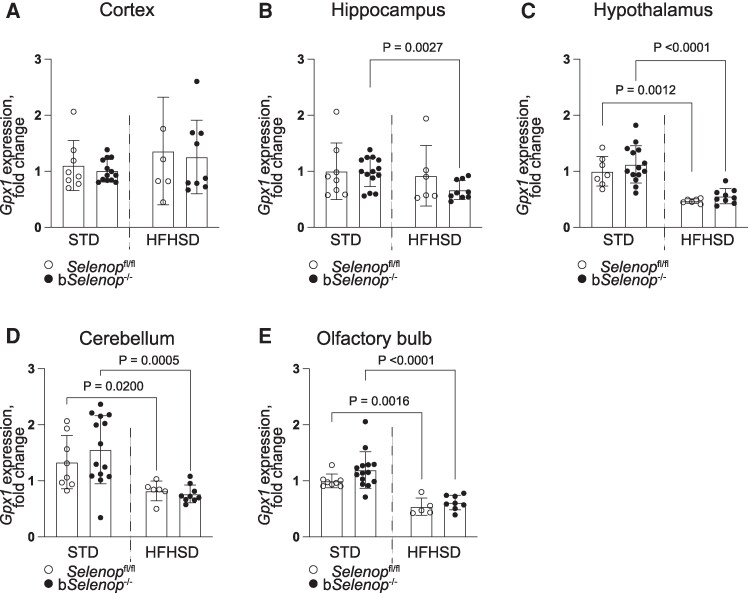 Figure 6
Peer Reviews
No public reviews on file for this paper yet. If you reviewed it on a platform where reviews are public (OpenReview, ICLR, NeurIPS, ICML), you can paste yours below so the community can read it here.
Videos
No videos yet. Explain this paper in a talk, walkthrough, or lecture? Add one.
Taxonomy
TopicsSelenium in Biological Systems · Organoselenium and organotellurium chemistry · Paraoxonase enzyme and polymorphisms