Defining the marker and developmental trajectory of myeloid-derived suppressor cells in aging by single-cell transcriptomics
Yaru Su, Ruimin Wu, Haochen Ai, Zhaoming Zhong, Lin Zou, Zihan Wang, Kewu Tu, Lingzheng Tang, Jiawen Gao, Yusheng Huang, Congrui Liao, Guanhai Zeng, Hongyang Zhang, Jian Jin, Siyuan Zhu

TL;DR
This study uses single-cell RNA sequencing to identify unique markers and developmental patterns of MDSCs in aging, improving their distinction from normal myeloid cells.
Contribution
The study introduces a specific MDSC gene signature and identifies CD300c as a novel marker for aging MDSCs.
Findings
CD300c is a specific marker for improved detection and enrichment of MDSCs in aging.
MDSCs from aged individuals share a similar developmental trajectory with myeloid cells in both mice and humans.
The MDSC-specific gene signature is applicable to human myeloid cells.
Abstract
Myeloid-derived suppressor cells (MDSCs) are recognized as a key mediator of immunosuppression in aging, which induce immunosenescence and increase elderly people’s susceptibility to infections, cancers, autoimmune diseases, and degenerative diseases. However, the commonly used MDSC markers overlap with those defining healthy and normal neutrophils or monocytes, which makes it challenging to distinguish MDSCs from their myeloid counterparts, and hampers deeper understanding of the pathophysiological functions of MDSCs. In this study, we compared MDSCs from aged mice to young controls using single-cell RNA sequencing. We established MDSC-specific gene signature, which revealed the general characteristics of MDSCs during aging, and thus facilitating distinguishing them from normal myeloid cells. Experimental study revealed that CD300c may serve as a specific marker for improved detection…
Genes, proteins, chemicals, diseases, species, mutations and cell lines named across the full text — each resolved to its canonical identifier and authoritative record.
Click any figure to enlarge with its caption.
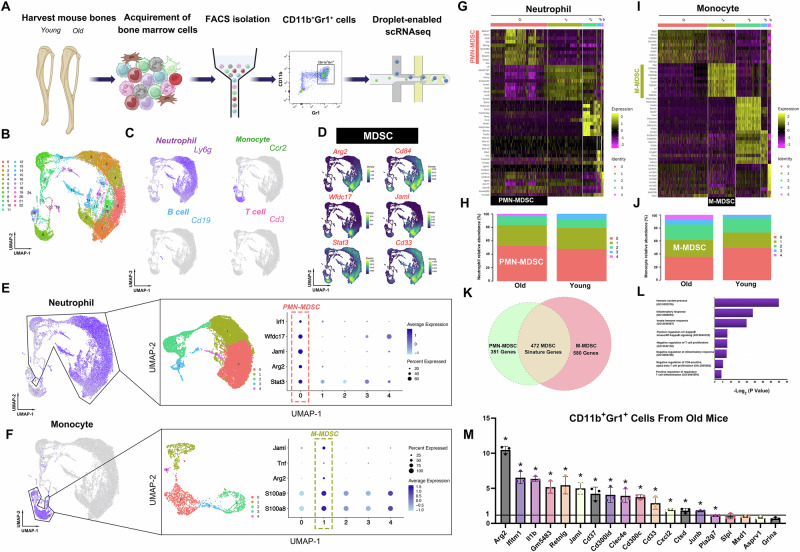 Figure 1
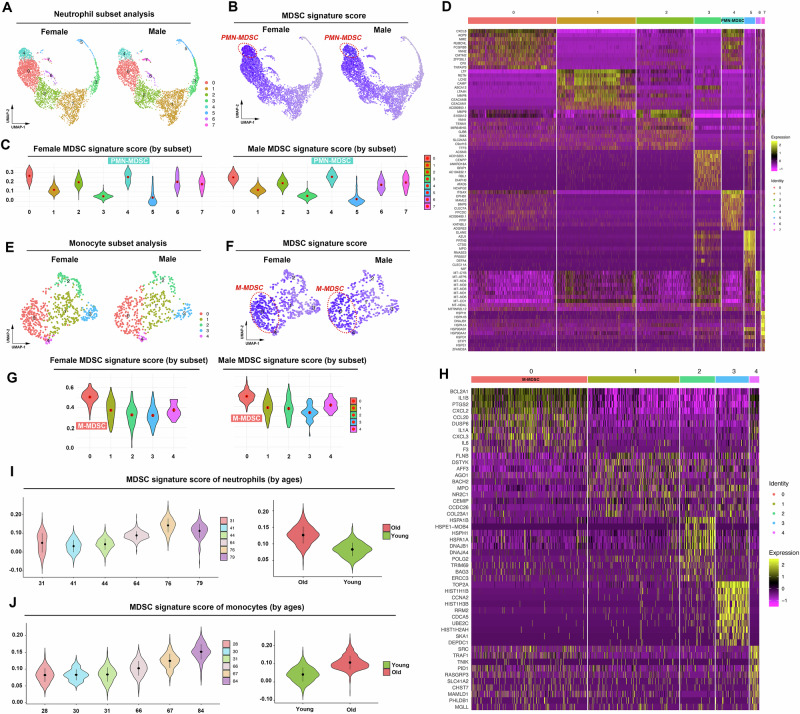 Figure 2
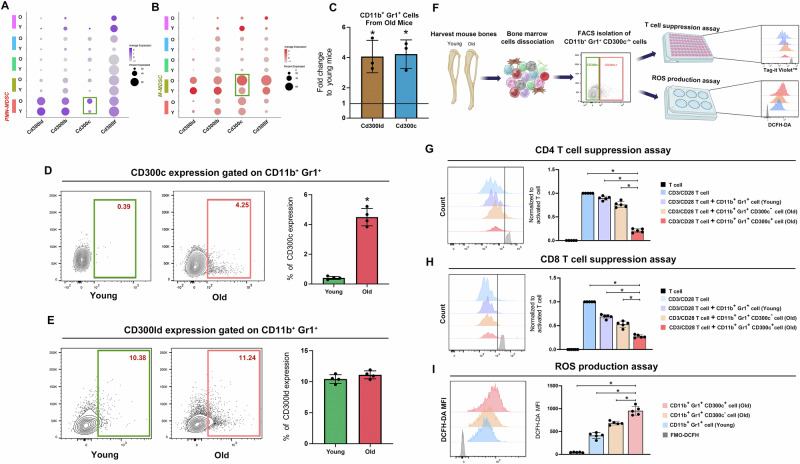 Figure 3
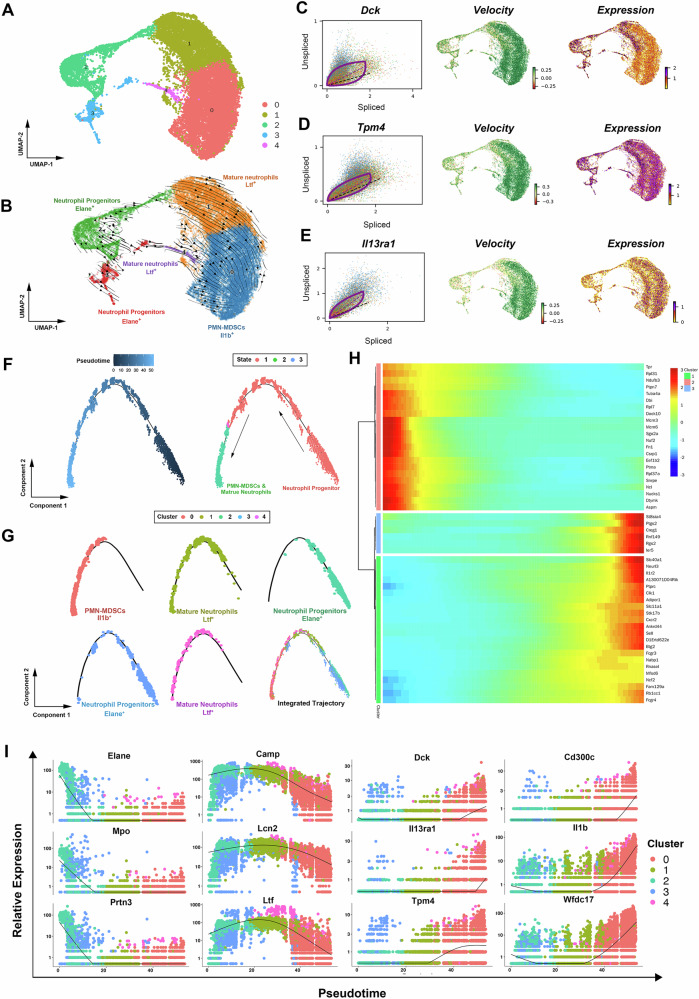 Figure 4
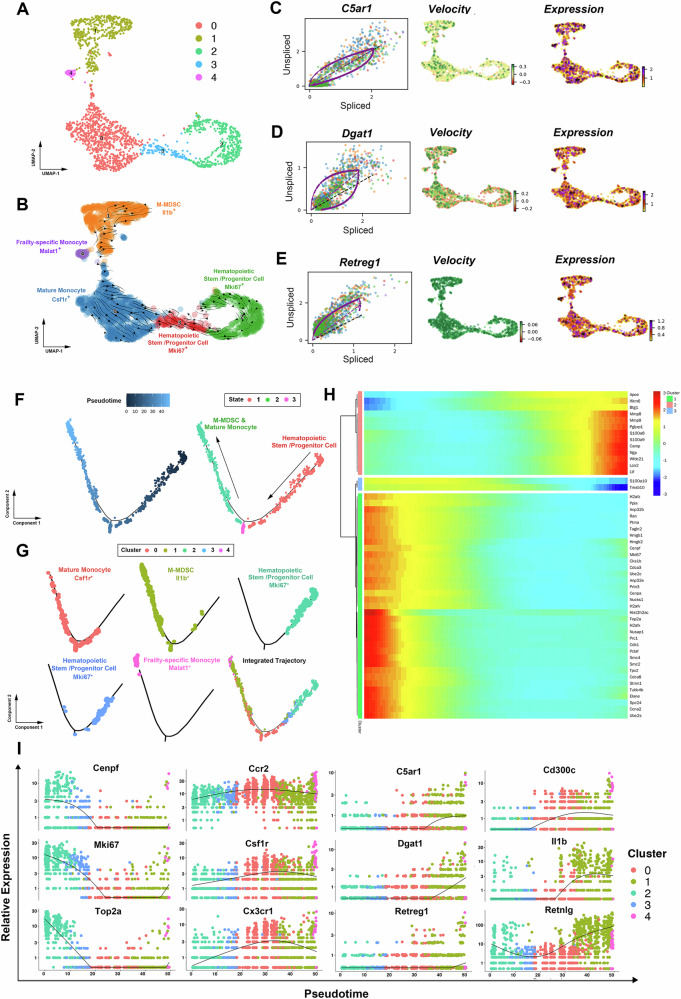 Figure 5
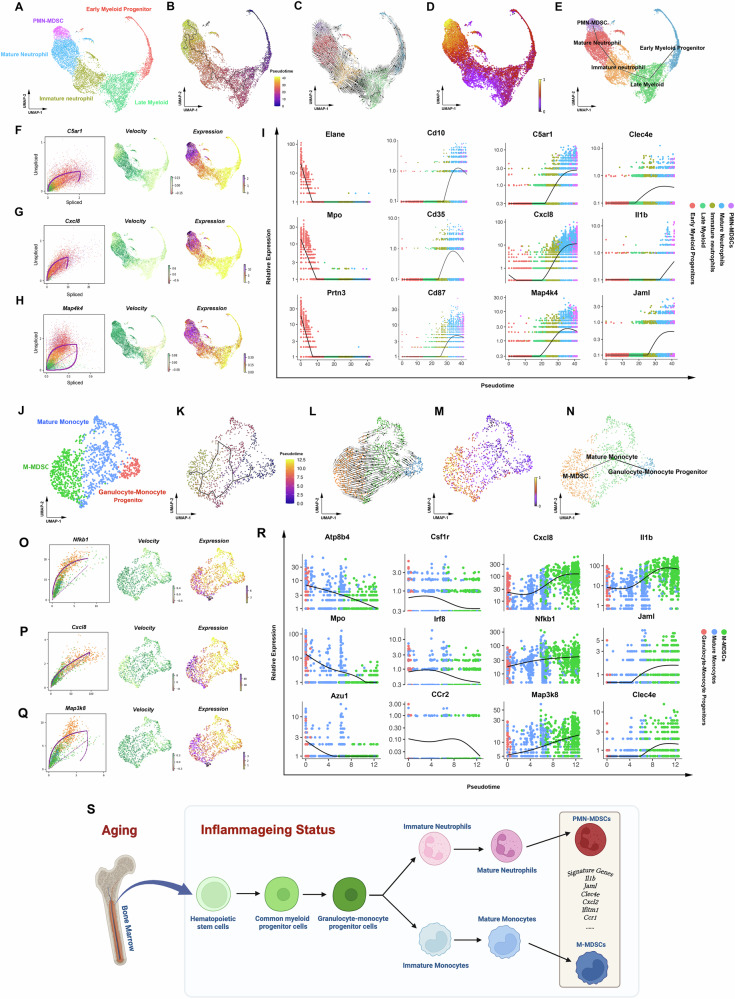 Figure 6
Peer Reviews
No public reviews on file for this paper yet. If you reviewed it on a platform where reviews are public (OpenReview, ICLR, NeurIPS, ICML), you can paste yours below so the community can read it here.
Videos
No videos yet. Explain this paper in a talk, walkthrough, or lecture? Add one.
Taxonomy
TopicsImmune cells in cancer · Immune responses and vaccinations · Neutrophil, Myeloperoxidase and Oxidative Mechanisms