Predictive modelling and optimization of WEDM of nickel aluminium bronze alloy using optimised support vector regression and evolutionary algorithm
Subhankar Saha, Sri Srinivasa Raju Modampuri, Hrishikesh Dutta, Rammohan Mallipeddi, Dhanaraj Savary Nasan, Mridusmita Roy Choudhury

TL;DR
This study develops a predictive model and optimization strategy for machining a nickel aluminum bronze alloy using advanced machine learning and evolutionary algorithms.
Contribution
The novel contribution is an optimized Support Vector Regression and IBEA-AOG framework for accurate prediction and multi-objective optimization in WEDM.
Findings
The OSVR model achieved high accuracy with MSE 0.0027 and R² 0.9970 for cutting speed and MSE 0.0012 and R² 0.9924 for surface roughness.
The IBEA-AOG algorithm outperformed twelve state-of-the-art algorithms in generating Pareto-optimal solutions for multi-objective optimization.
High discharge energy caused poor surface integrity with globules and microcracks, while low energy improved surface smoothness.
Abstract
The primary objective of this study was to develop an accurate predictive framework and an efficient multi-objective optimisation strategy for wire electric discharge machining (WEDM) of NAB alloy, focusing on Cutting Speed (CS) and Surface Roughness (SR). An optimized Support Vector Regression (OSVR) model was constructed to capture the complex and stochastic input–output relationships inherent to the spark erosion process. The model exhibited excellent predictive accuracy, with MSE = 0.0027 and R2 = 0.9970 for CS and MSE = 0.0012 and R2 = 0.9924 for SR, validated through scatter and stem plots. To optimise the conflicting objectives of maximising CS and minimising SR, an adaptive offspring generation-driven indicator-based evolutionary algorithm (IBEA-AOG) was applied. The algorithm generated 100 Pareto-optimal solutions and outperformed twelve state-of-the-art algorithms, as…
Genes, proteins, chemicals, diseases, species, mutations and cell lines named across the full text — each resolved to its canonical identifier and authoritative record.
Click any figure to enlarge with its caption.
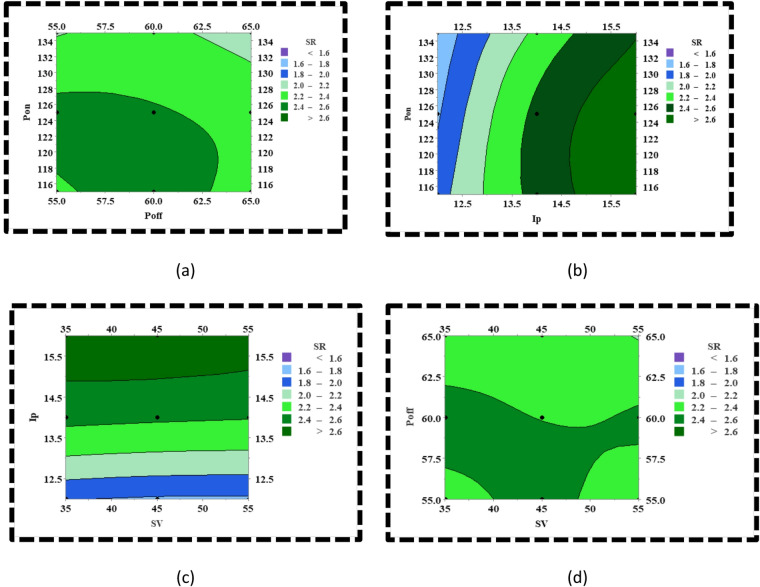 Figure 10
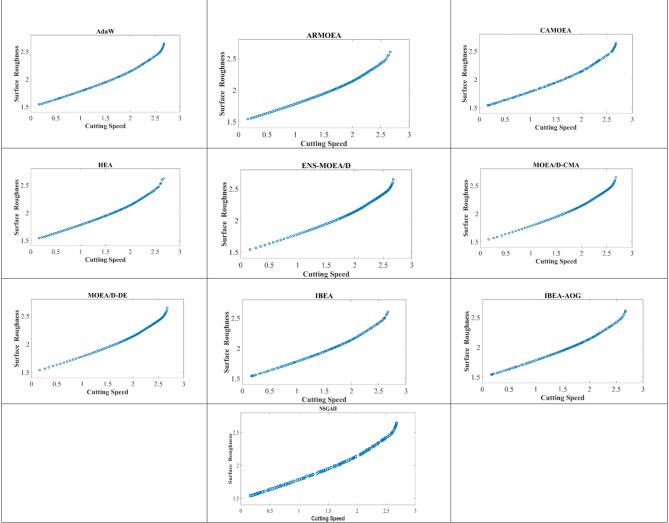 Figure 11
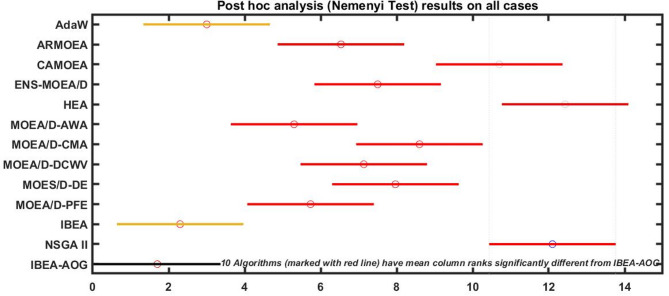 Figure 12
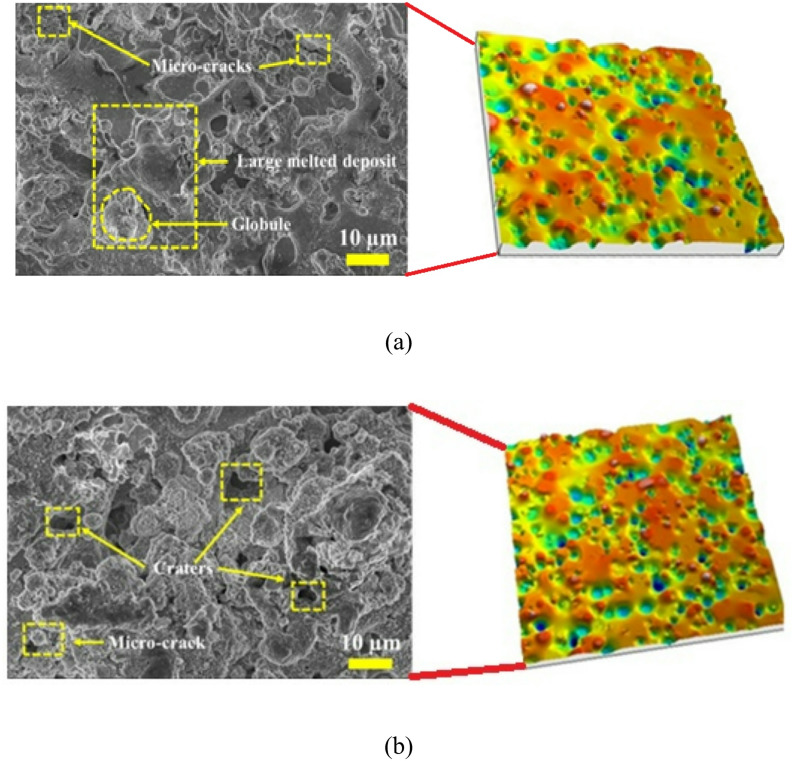 Figure 13
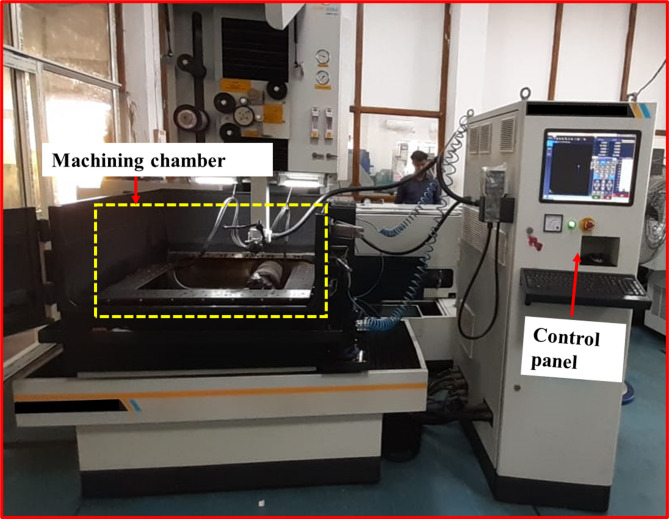 Figure 1
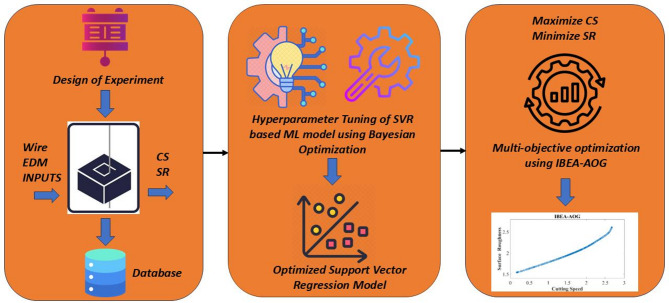 Figure 2
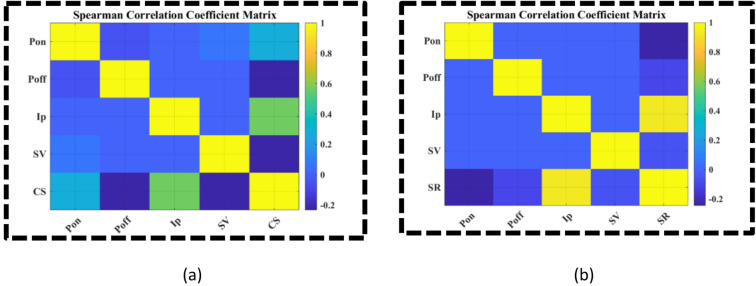 Figure 6
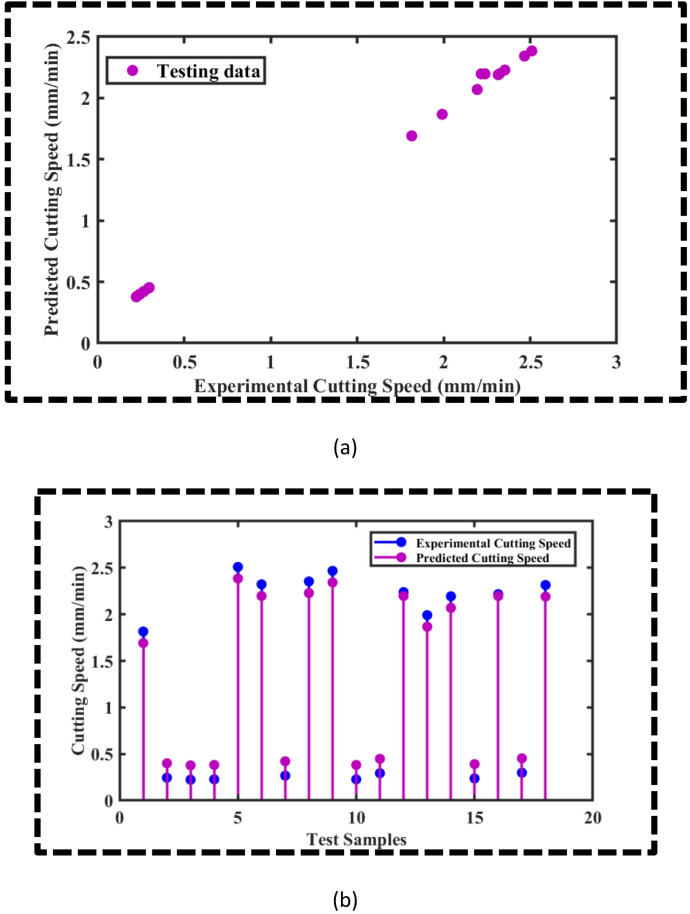 Figure 7
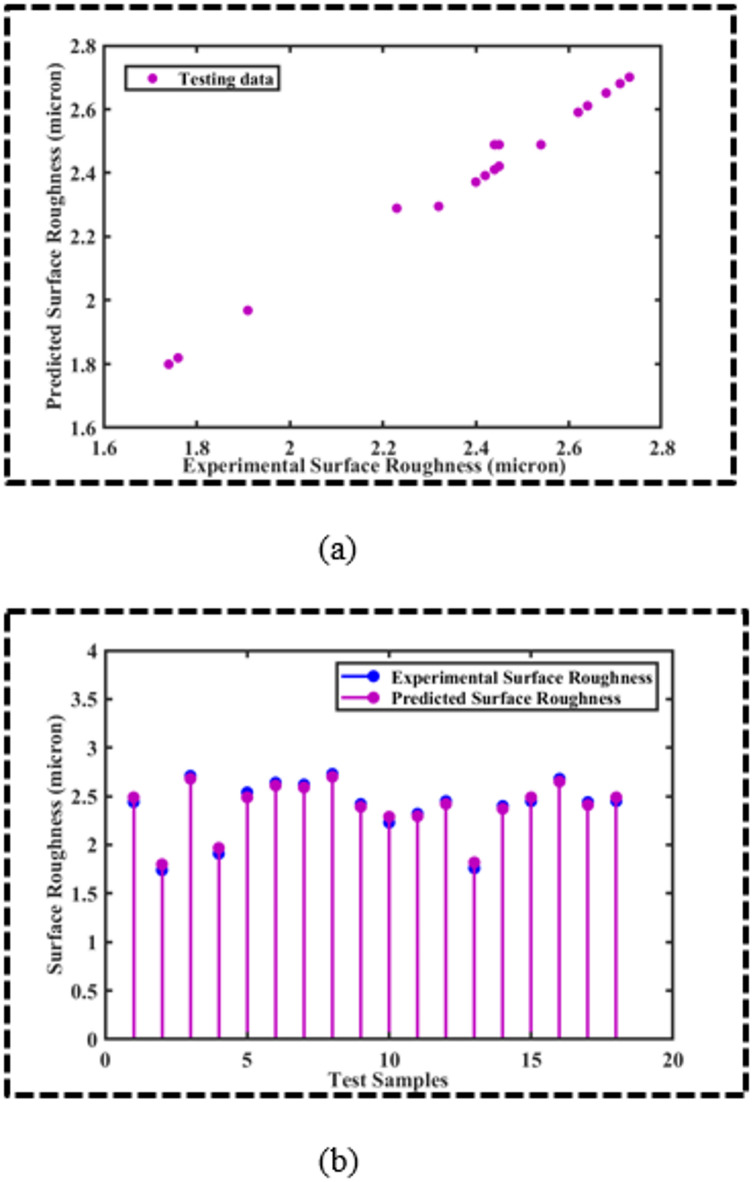 Figure 8
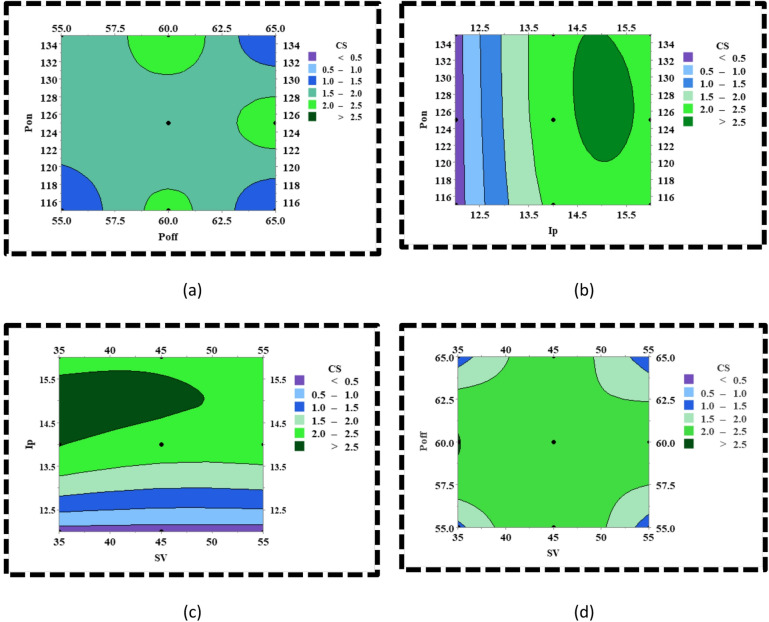 Figure 9
Peer Reviews
No public reviews on file for this paper yet. If you reviewed it on a platform where reviews are public (OpenReview, ICLR, NeurIPS, ICML), you can paste yours below so the community can read it here.
Videos
No videos yet. Explain this paper in a talk, walkthrough, or lecture? Add one.
Taxonomy
TopicsAdvanced Machining and Optimization Techniques · Surface Treatment and Coatings · Advanced machining processes and optimization