Employing epigenetic protein degradation techniques to block CCL5-mediated photodynamic therapy via a programmed delivery platform
Tingting Yang, Yuzhu Hu, Anjie Guo, Xifeng Zhang, Wanyu Wang, Linbin Yi, Rui Zhang, Xinyu Gou, Zhiyong Qian, Bilan Wang, Yongzhong Cheng, Xiang Gao

TL;DR
A new delivery system combines photodynamic therapy with epigenetic protein degraders to enhance cancer treatment by reducing resistance and boosting immune response.
Contribution
First demonstration that PDT resistance can be reduced via epigenetic degradation of BRD4 using a tumor-responsive delivery platform.
Findings
The delivery platform enhanced tumor accumulation and therapeutic effects through pH-triggered charge reversal and GSH-responsive release.
Combination therapy inhibited PDL1, CD47, and M2 macrophage polarization, improving anti-breast cancer and anti-melanoma effects.
Epigenetic degradation of BRD4 reduced PDT resistance caused by CCL5 upregulation.
Abstract
Despite the significant potential of photodynamic therapy (PDT) in cancer treatment, further refinement is needed to address challenges such as poor tumor-specific accumulation of photosensitizers and the development of therapeutic resistance, which may be regulated by epigenetics. Here, a novel tumor microenvironment-responsive delivery platform was developed to co-deliver epigenetic protein degraders and photosensitizers, aiming to block the relevant regulatory mechanisms and enhance the effectiveness of combination therapy. Benefiting from the targeting ability, pH-triggered charge reversal, and intracellular glutathione (GSH)-responsive release, the delivery platform exhibited enhanced tumor accumulation and therapeutic effects. The mechanism of action revealed that the precise accumulation and release of drugs via the tumor-orchestrated delivery system not only regulated cell…
Genes, proteins, chemicals, diseases, species, mutations and cell lines named across the full text — each resolved to its canonical identifier and authoritative record.
Click any figure to enlarge with its caption.
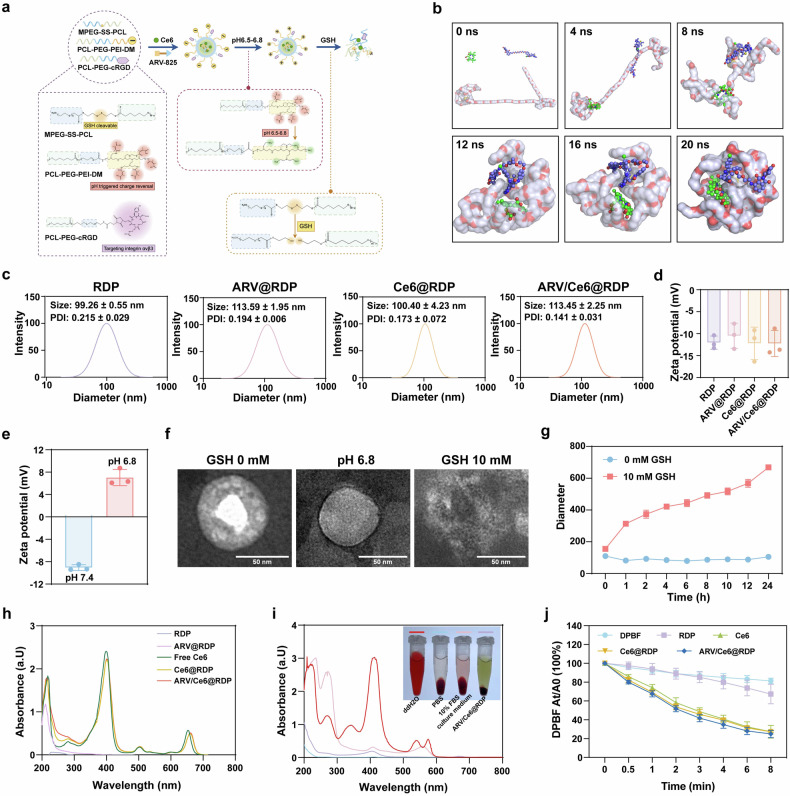 Figure 1
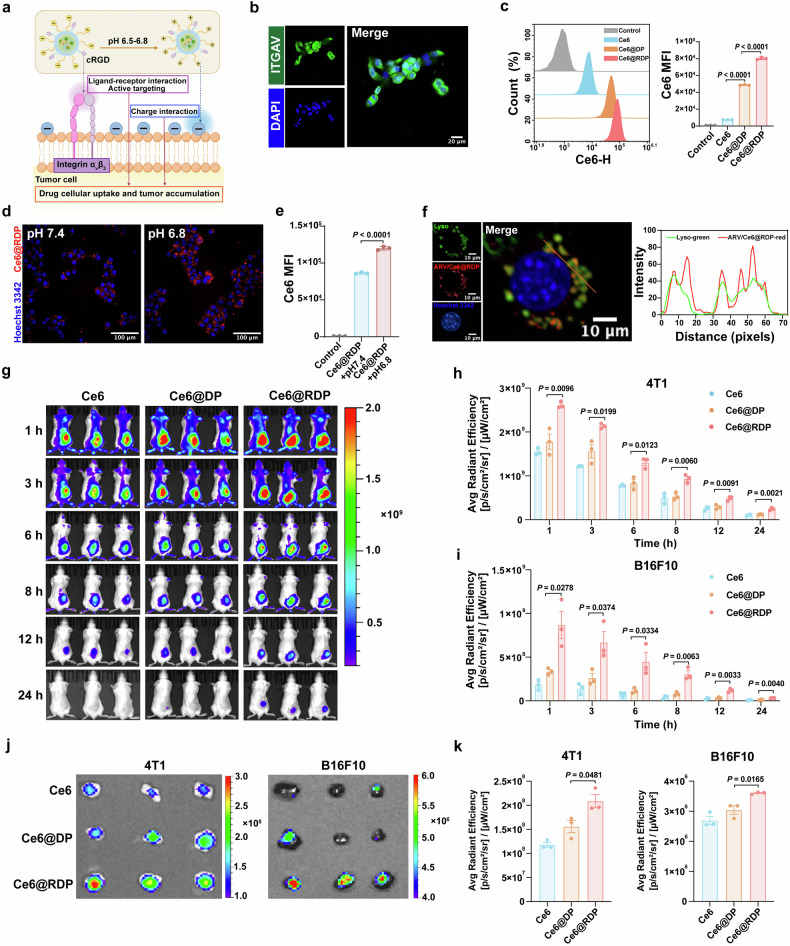 Figure 2
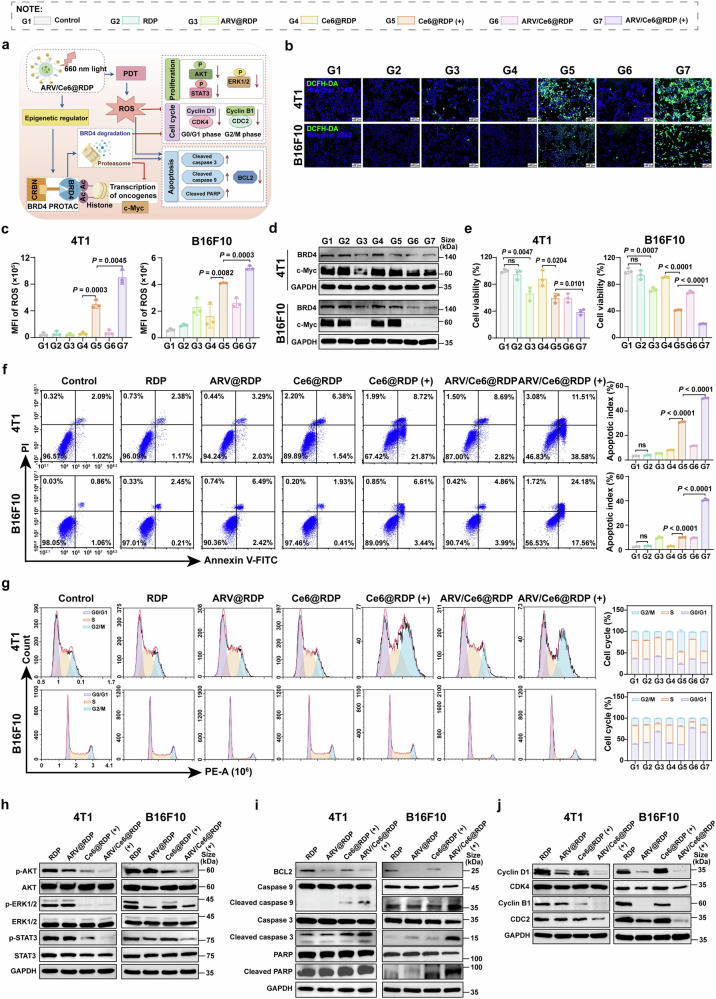 Figure 3
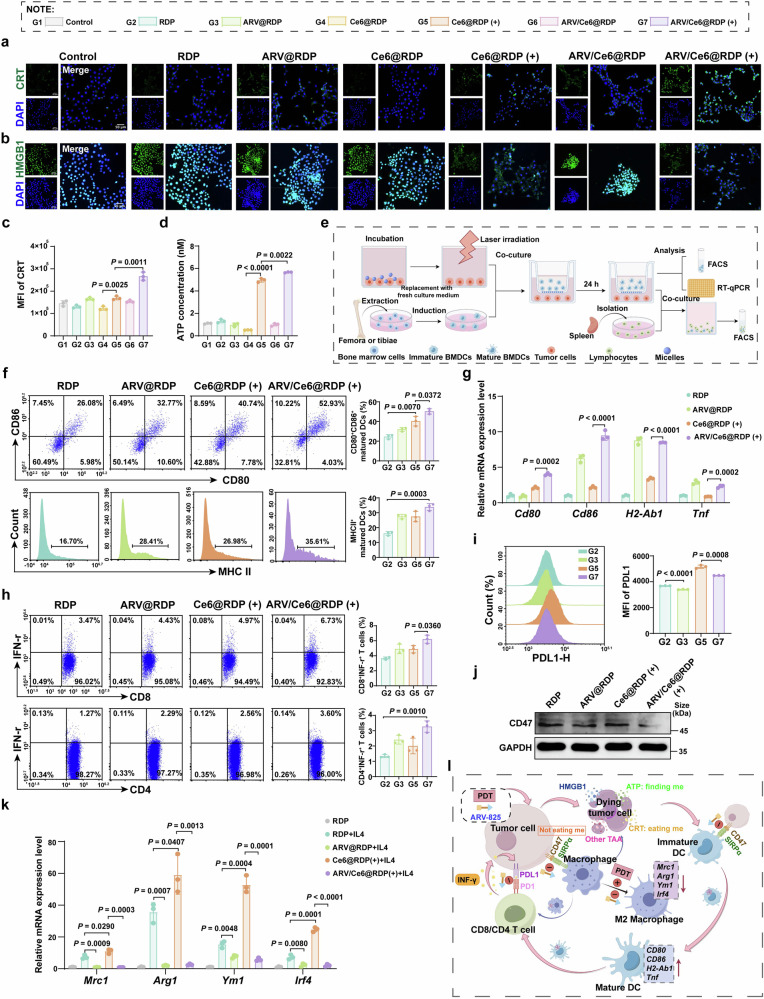 Figure 4
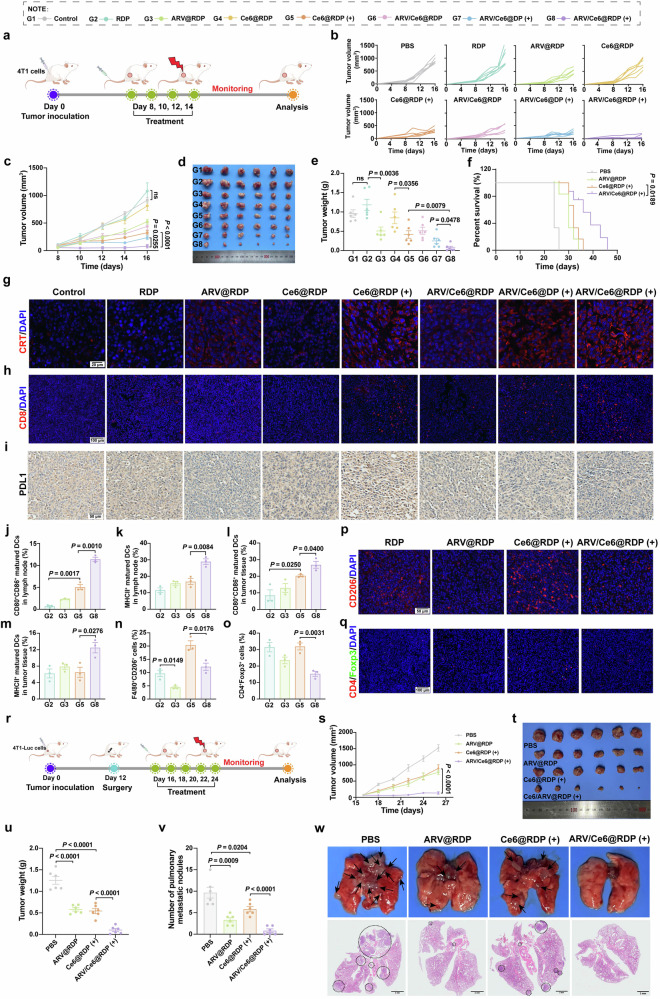 Figure 5
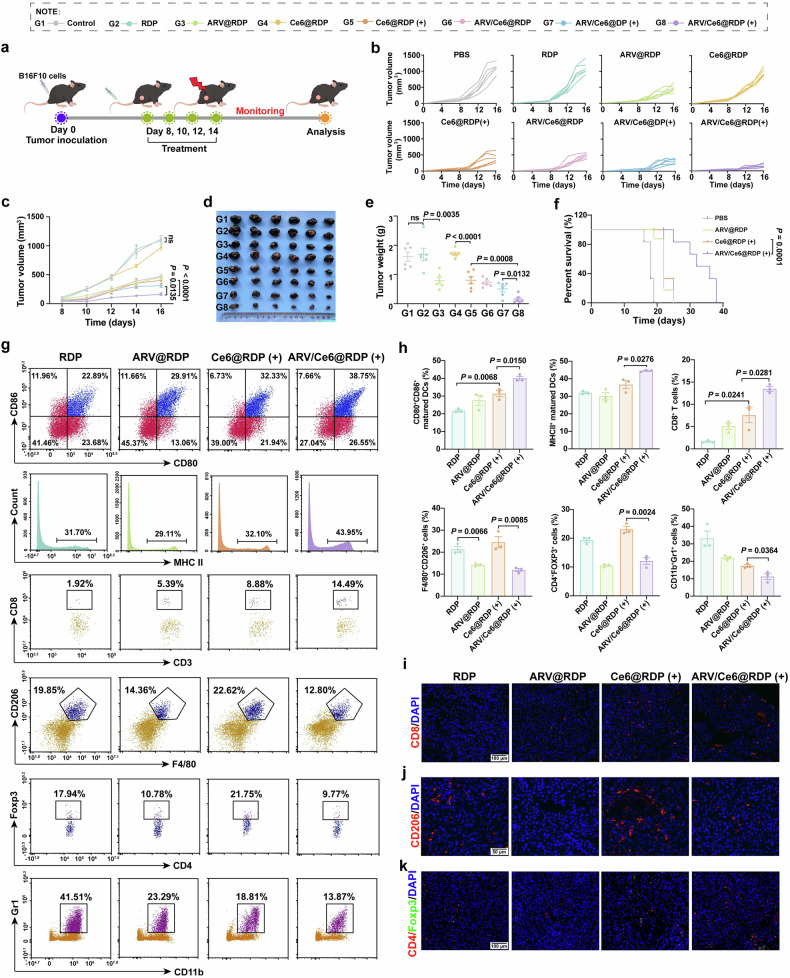 Figure 6
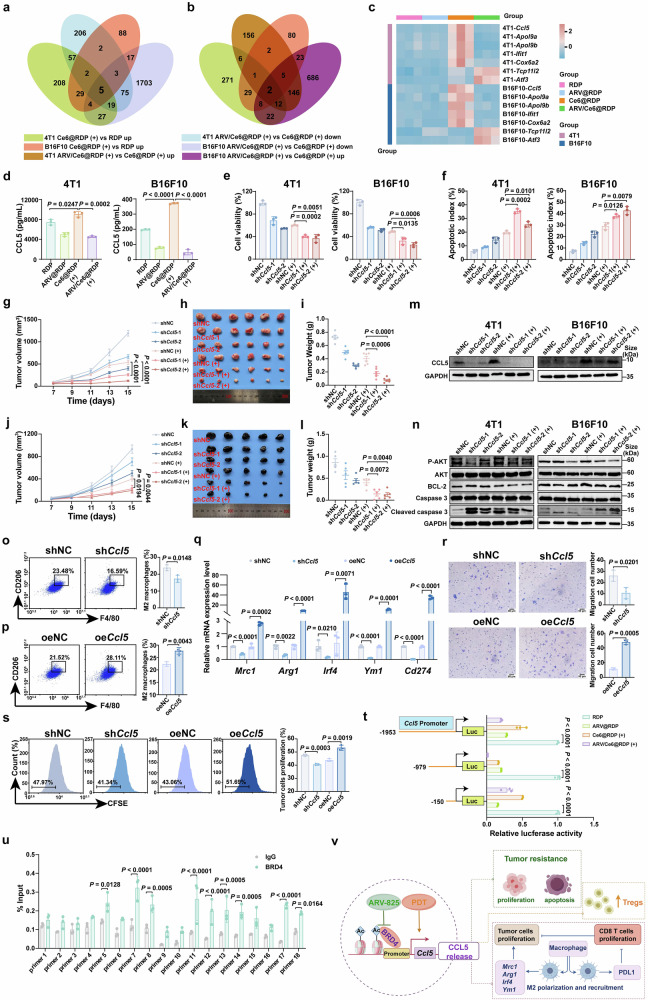 Figure 7
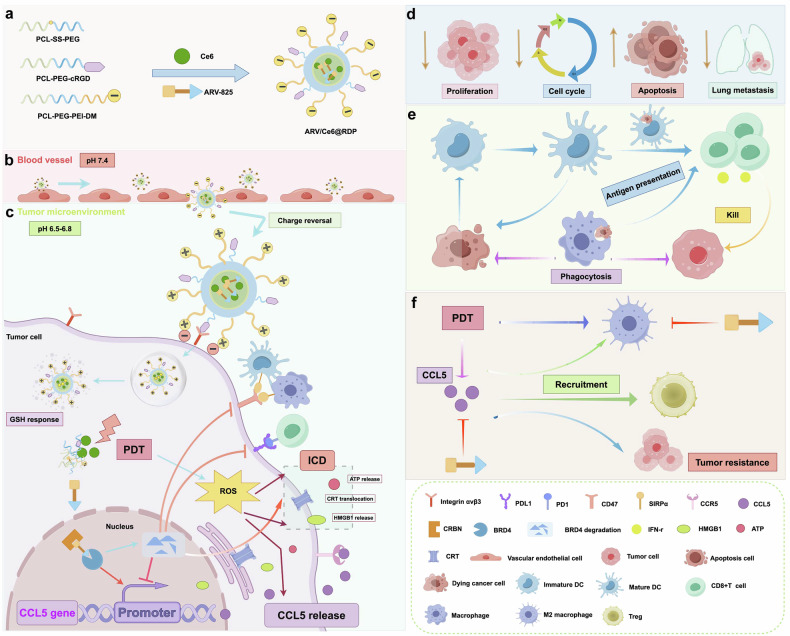 Figure 8
Peer Reviews
No public reviews on file for this paper yet. If you reviewed it on a platform where reviews are public (OpenReview, ICLR, NeurIPS, ICML), you can paste yours below so the community can read it here.
Videos
No videos yet. Explain this paper in a talk, walkthrough, or lecture? Add one.
Taxonomy
TopicsNanoplatforms for cancer theranostics · Click Chemistry and Applications · Protein Degradation and Inhibitors