Die shift prediction of fan out panel level packages considering both warpage and flow induced mechanisms with temperature dependent properties
Yu-Chi Sung, Chih-Ping Hu, Chun-Chieh Hung, Sheng-Jye Hwang, Ming-Hsien Shih, Wen-Hsiang Liao, Yong-Jie Zeng, Cheng-Tse Tsai

TL;DR
This paper studies how temperature affects die shift in semiconductor packaging, showing that material softening and fluid flow significantly impact reliability.
Contribution
A new multiphysics framework is developed to predict die shift by integrating thermal softening and flow effects with temperature-dependent properties.
Findings
The Young’s modulus of heat release tape decreases by 2-3 times at high temperatures, increasing fluid-induced die shift.
Warpage effects dominate die shift in peripheral die locations, while fluid-flow effects intensify with higher local die density.
Incorporating temperature-dependent behavior improves simulation accuracy by up to 48% compared to experiments.
Abstract
Fan-out panel-level packaging is a leading technology in advanced semiconductor manufacturing, yet the phenomenon of die shift during the compression molding process remains a significant challenge to yield and reliability. This study presents a comprehensive investigation into the mechanisms of die shift, categorizing them into warpage-induced and fluid-flow-induced effects. By integrating material characterization, advanced finite element modeling, and nanoindentation analysis, we evaluate the thermal softening behavior of heat release tape and its contribution to die shift. It is found that the Young’s modulus of heat release tape (HRT) decreases by a factor of 2 to 3 at elevated temperatures, substantially increasing fluid-induced die shift. Simulations incorporating this high-temperature behavior improve agreement with experimental measurements by up to 48%. Moreover, results show…
Genes, proteins, chemicals, diseases, species, mutations and cell lines named across the full text — each resolved to its canonical identifier and authoritative record.
Click any figure to enlarge with its caption.
 Figure 10
 Figure 11
 Figure 12
 Figure 13
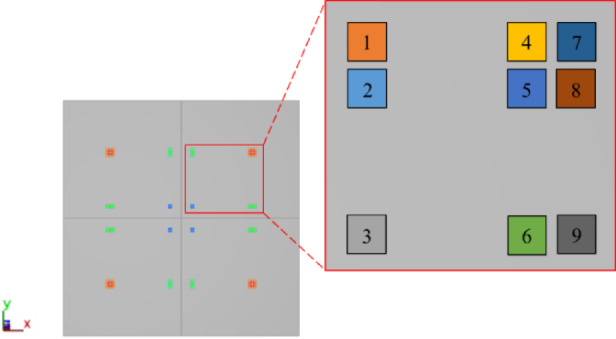 Figure 14
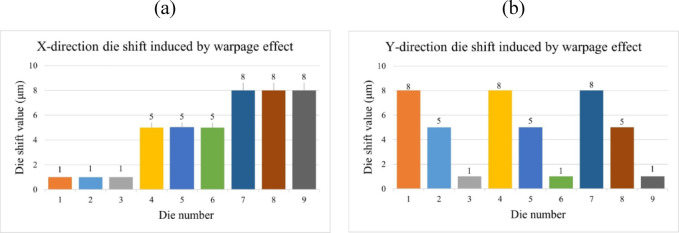 Figure 15
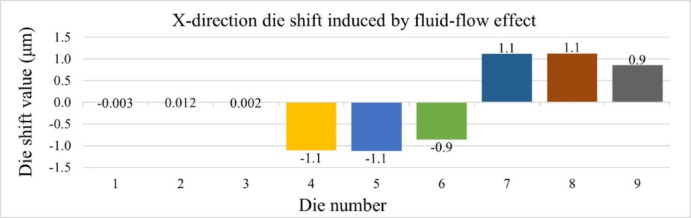 Figure 16
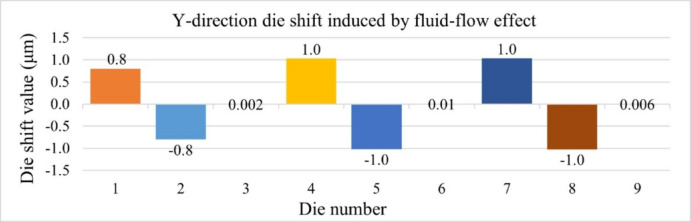 Figure 17
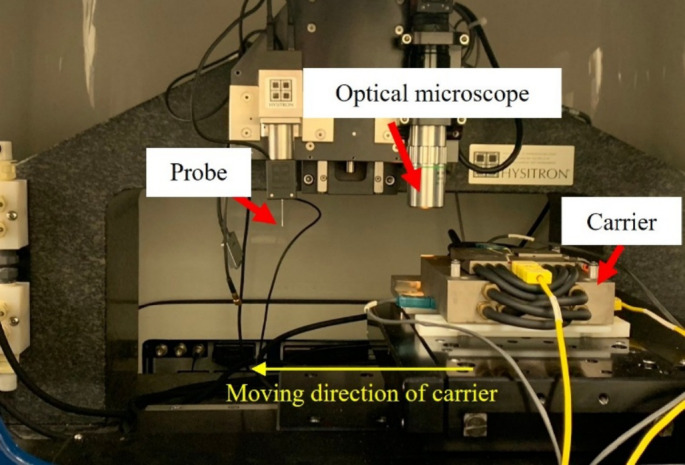 Figure 18
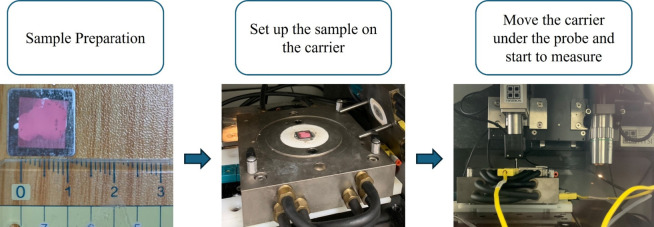 Figure 19
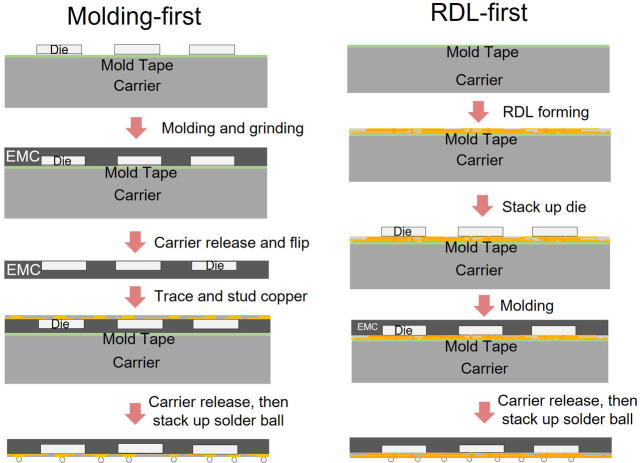 Figure 1
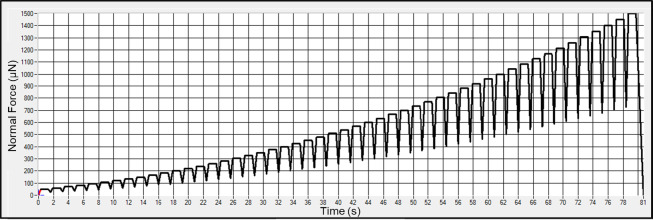 Figure 20
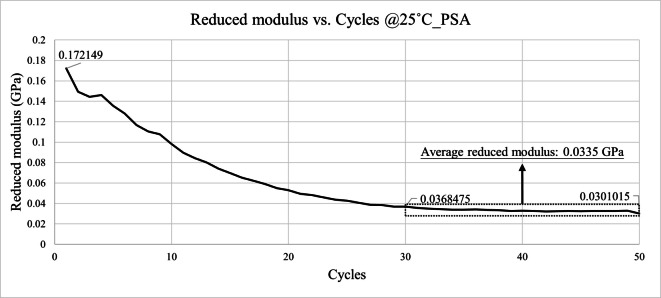 Figure 21
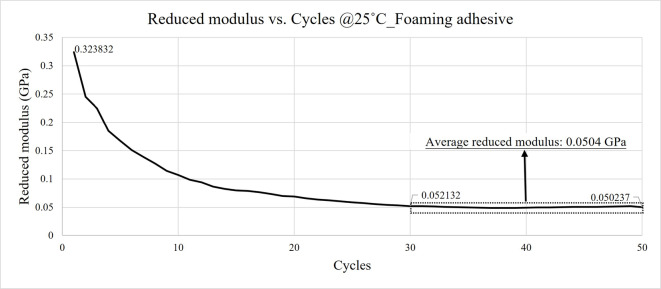 Figure 22
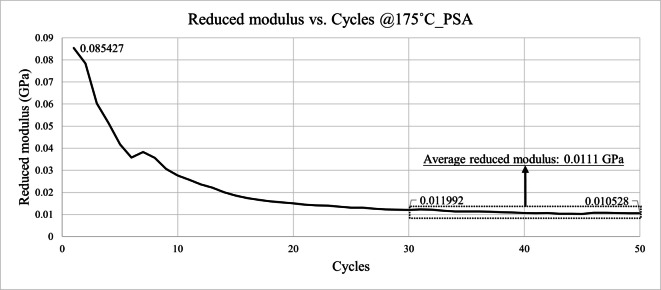 Figure 23
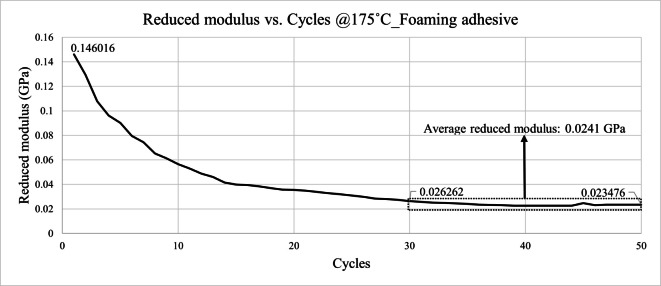 Figure 24
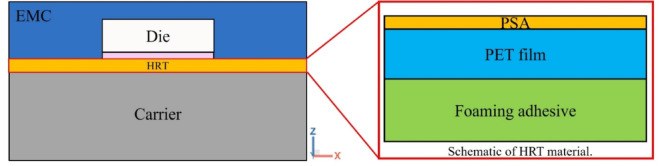 Figure 25
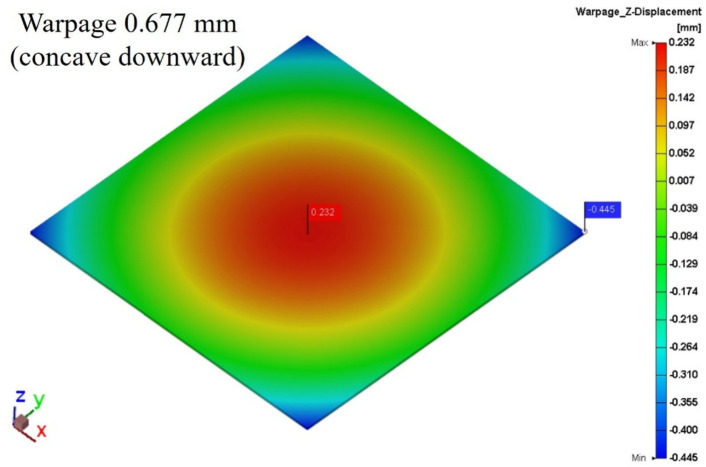 Figure 26
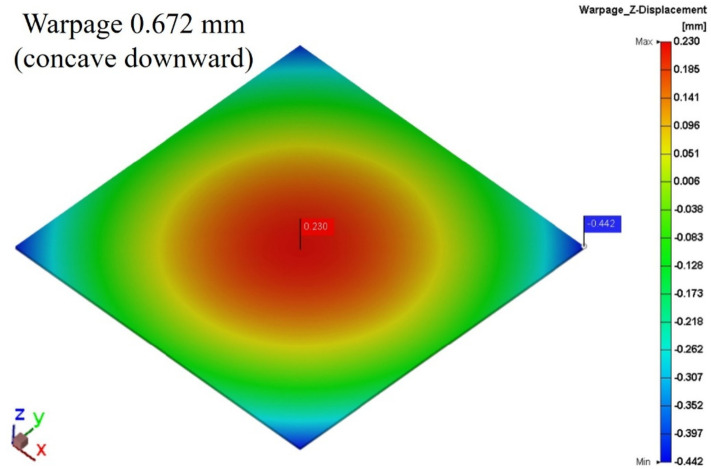 Figure 27
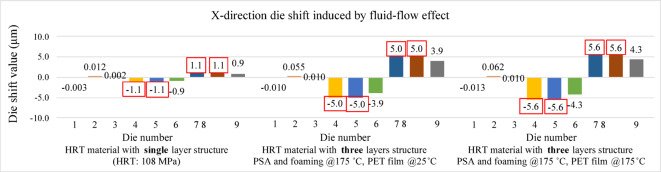 Figure 28
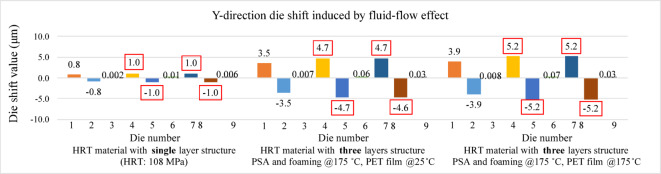 Figure 29
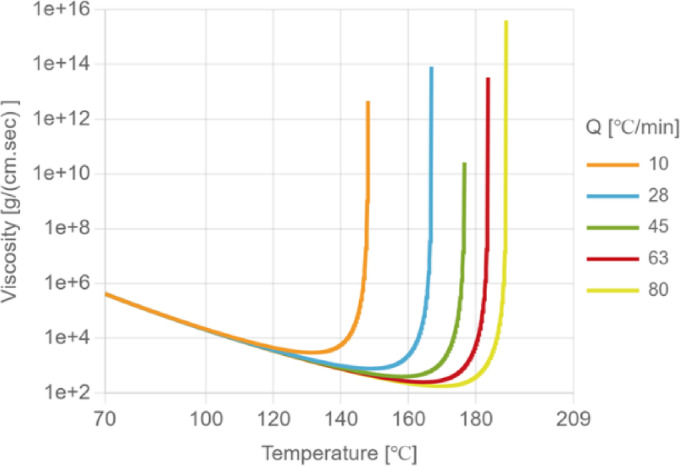 Figure 2
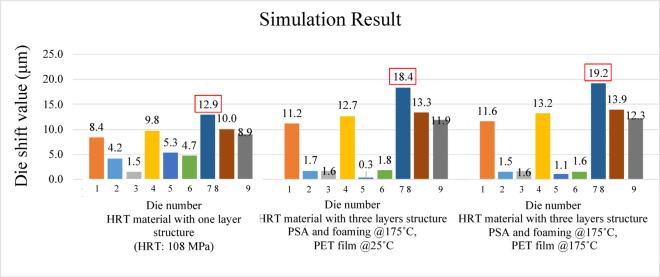 Figure 30
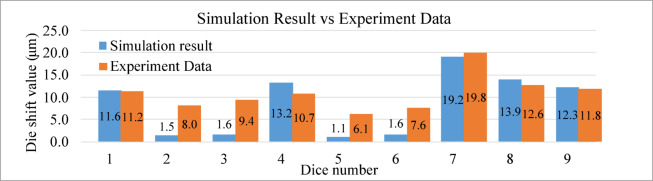 Figure 31
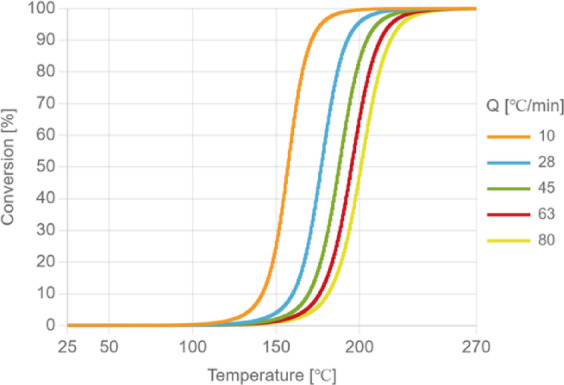 Figure 3
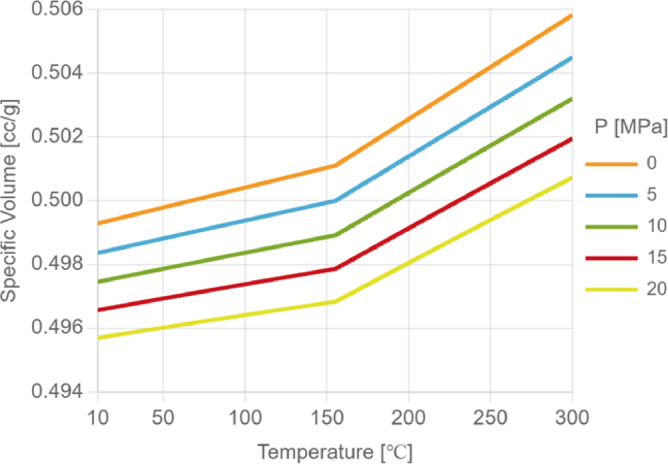 Figure 4
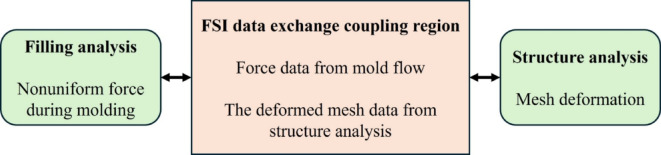 Figure 5
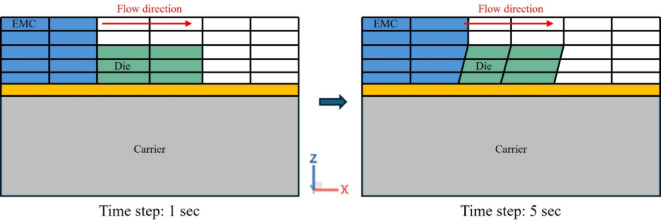 Figure 6
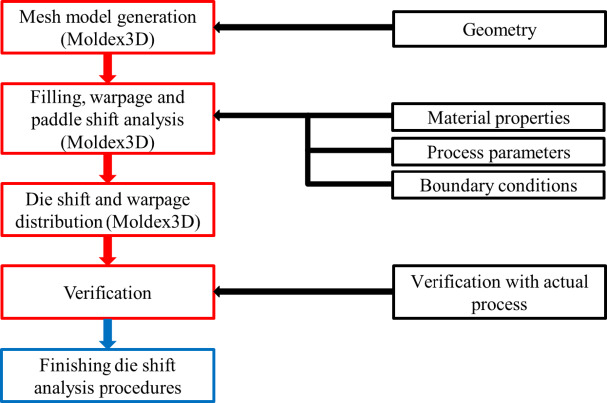 Figure 7
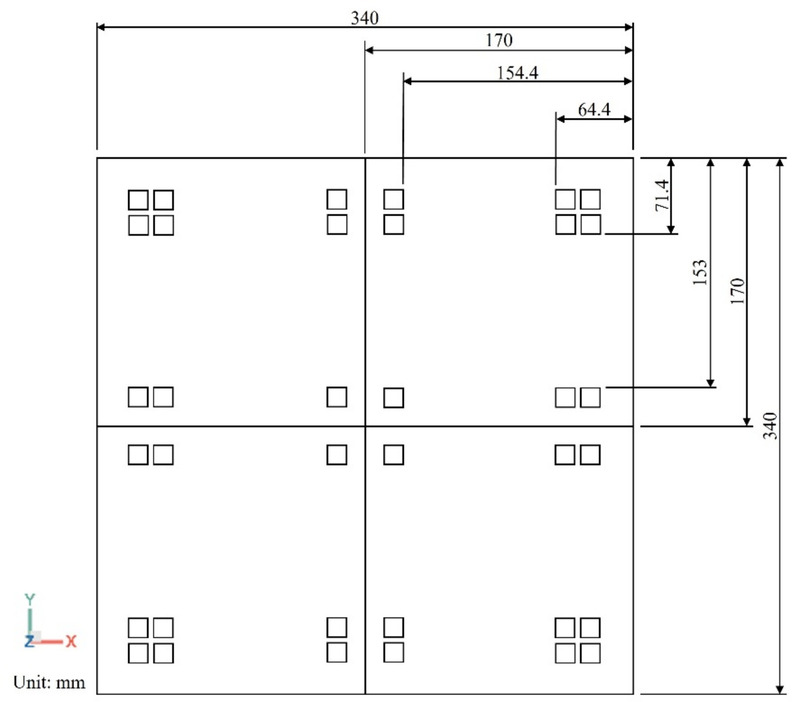 Figure 8
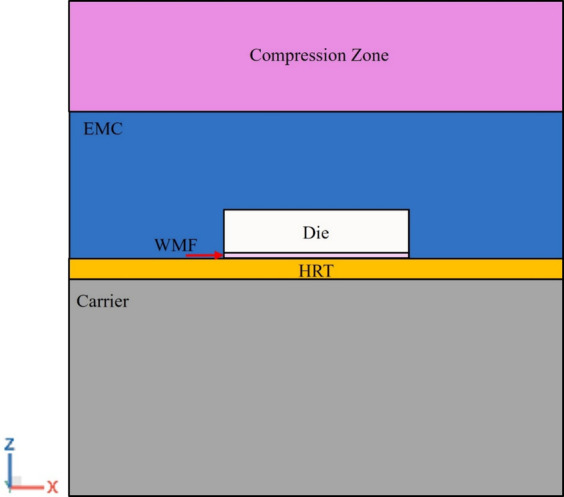 Figure 9
Peer Reviews
No public reviews on file for this paper yet. If you reviewed it on a platform where reviews are public (OpenReview, ICLR, NeurIPS, ICML), you can paste yours below so the community can read it here.
Videos
No videos yet. Explain this paper in a talk, walkthrough, or lecture? Add one.
Taxonomy
TopicsElectronic Packaging and Soldering Technologies · 3D IC and TSV technologies · Material Properties and Processing