Venetoclax resistance in preclinical KMT2A-rearranged acute lymphoblastic leukemia models is characterized by high inter- and intra-model heterogeneity
Anna Richter, Lea Kinsky, Sandra Lange, Nares Trakooljul, Frieder Hadlich, Anett Sekora, Gudrun Knuebel, Saskia Krohn, Christian Schmidt, Michelle Busch, Tim Schreiber, Simone Kumstel, Klaus Wimmers, Hugo Murua Escobar, Christian Junghanss

TL;DR
This study explores how leukemia cells become resistant to venetoclax, a cancer drug, and finds that resistance is highly variable and involves multiple factors.
Contribution
The study reveals novel resistance mechanisms and high heterogeneity in KMT2A-rearranged ALL models treated with venetoclax.
Findings
Resistance to venetoclax in ALL models is marked by high inter- and intra-model heterogeneity.
Novel and known variants in TP53 and BAX, but not BCL2, are associated with resistance.
Single-cell RNA sequencing suggests the tumor microenvironment contributes to resistance.
Abstract
The BCL-2 inhibitor venetoclax (VEN) has emerged as an important therapeutic backbone for hematological malignancies, but secondary resistance is a major challenge. In acute lymphoblastic leukemia (ALL), early clinical trials promise high efficacy as well. However, relapse is observed frequently, and so far, only a few resistance-inducing mechanisms have been discussed. We employed KMT2A-rearranged ALL cell lines and xenograft models to elucidate mechanisms of VEN resistance. Targeted DNA and mRNA sequencing, single-cell mRNAseq, as well as protein expression analyses were conducted. All models initially responded well but finally displayed secondary resistance. Novel as well as previously known pathogenic variants in tumor suppressor TP53 as well as pro-apoptotic molecule BAX, but not BCL2, were observed. Gene and protein expression studies demonstrated multifarious changes in…
Genes, proteins, chemicals, diseases, species, mutations and cell lines named across the full text — each resolved to its canonical identifier and authoritative record.
Click any figure to enlarge with its caption.
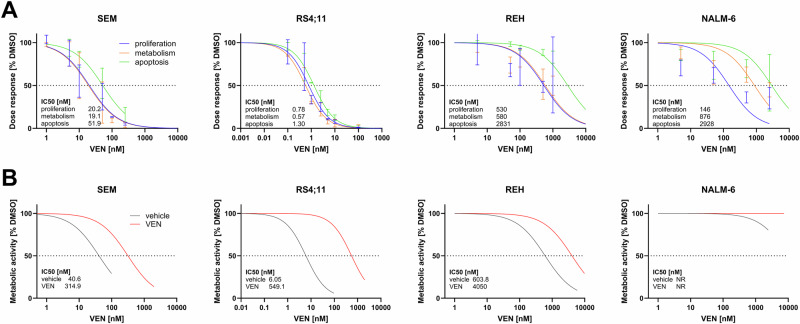 Figure 1
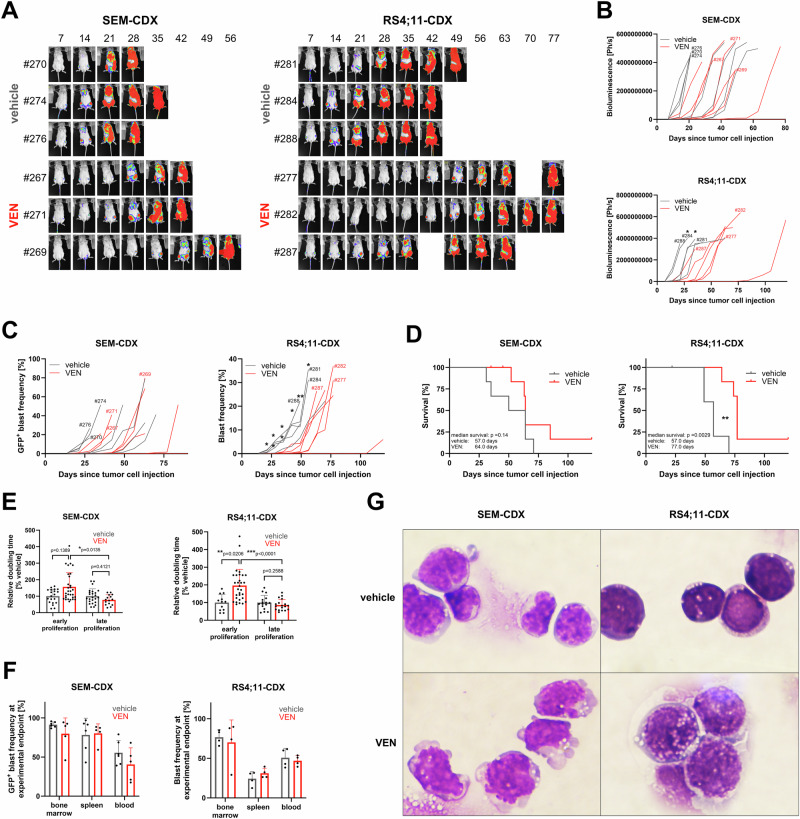 Figure 2
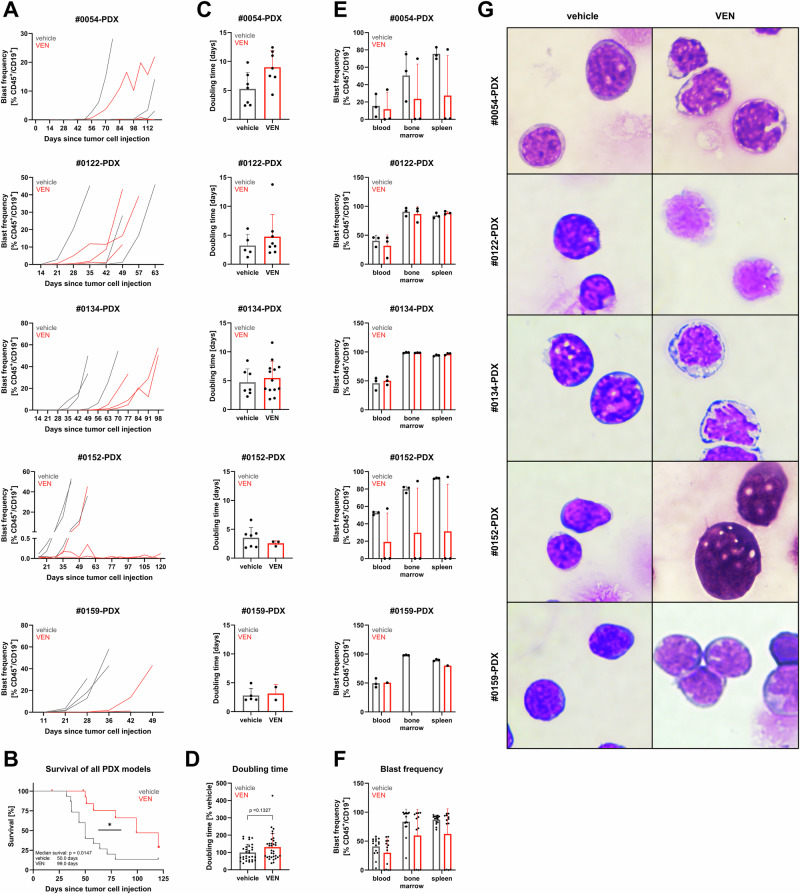 Figure 3
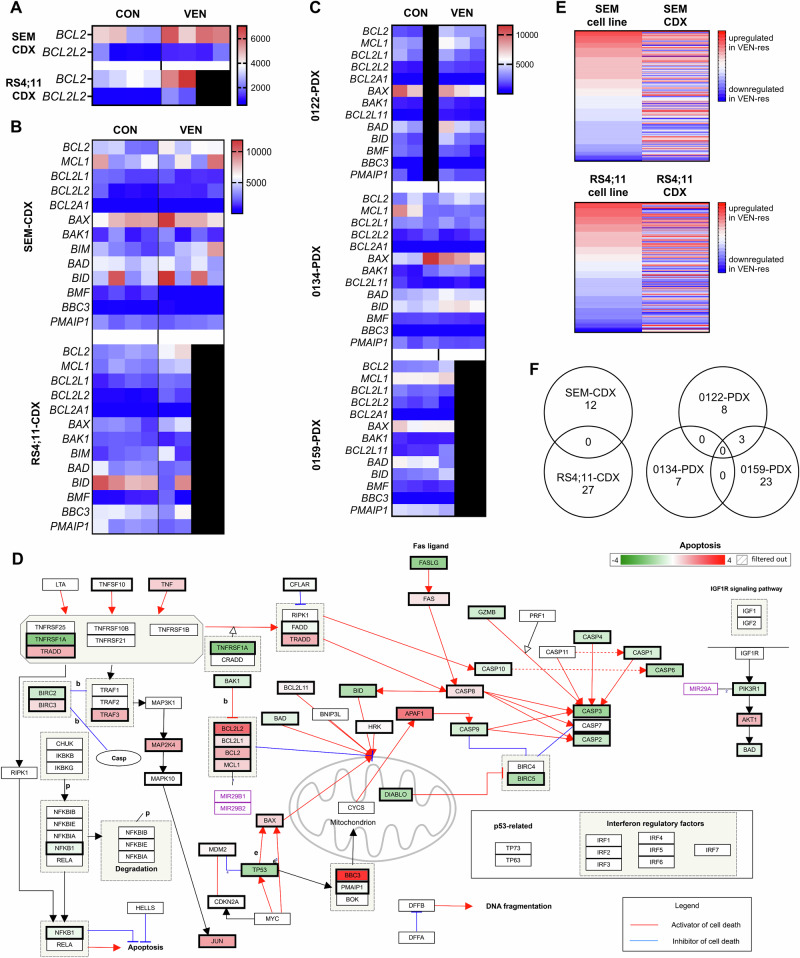 Figure 4
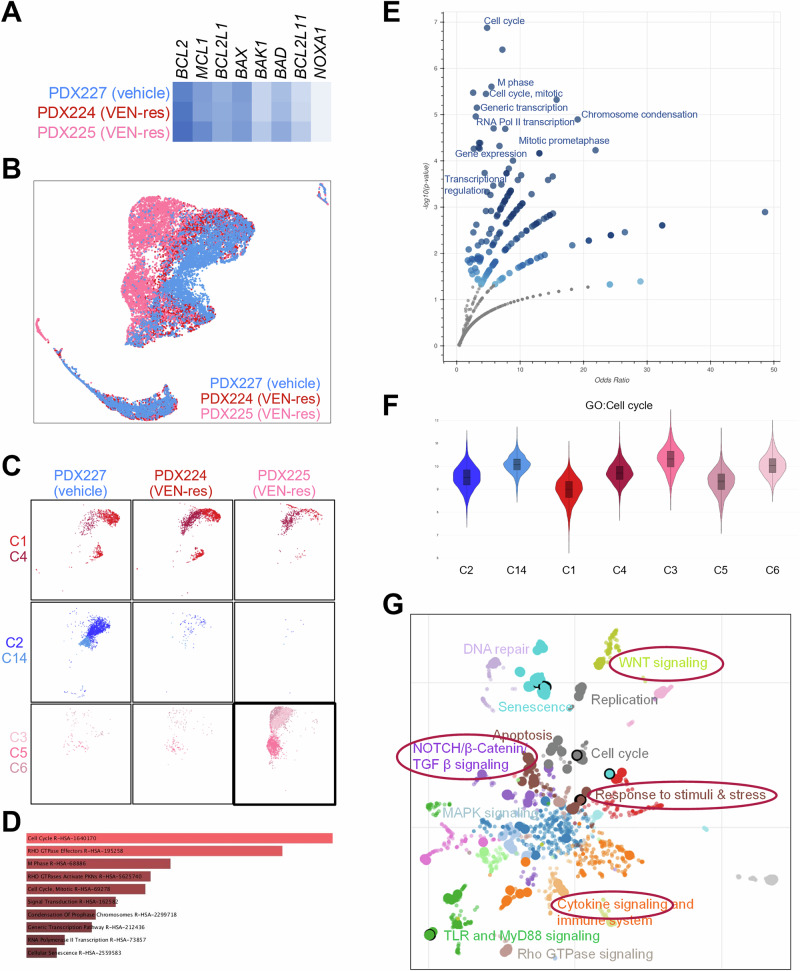 Figure 5
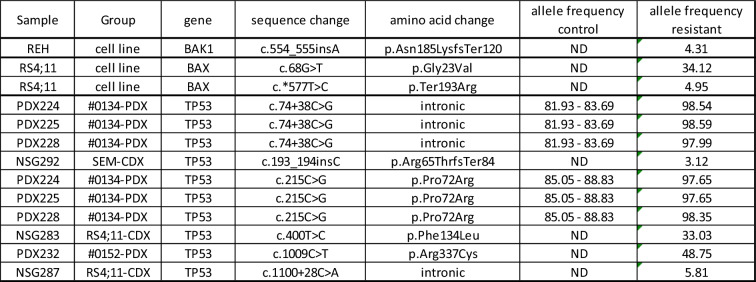 Figure 6
Peer Reviews
No public reviews on file for this paper yet. If you reviewed it on a platform where reviews are public (OpenReview, ICLR, NeurIPS, ICML), you can paste yours below so the community can read it here.
Videos
No videos yet. Explain this paper in a talk, walkthrough, or lecture? Add one.
Taxonomy
TopicsAcute Lymphoblastic Leukemia research · Acute Myeloid Leukemia Research · Protein Degradation and Inhibitors