An ancient lysozyme in placozoans participates in acidic extracellular digestion
Henry Berndt, Igor Duarte, Urska Repnik, Michel A. Struwe, Mohammad Abukhalaf, Axel J. Scheidig, Andreas Tholey, Harald R. Gruber-Vodicka, Matthias Leippe

TL;DR
A study reveals that placozoans have an ancient lysozyme involved in digestion and immunity, which originated from a bacterial gene transfer to early animals.
Contribution
The study identifies a functional lysozyme in placozoans and traces its evolutionary origin to a horizontal gene transfer event from bacteria.
Findings
PLys is highly active and produced by the ventral epithelium of Trichoplax sp. H2.
PLys contains a unique cysteine-rich domain that stabilizes the protein.
Structure-based phylogenetics shows metazoan GH23 lysozymes originated from a bacterial horizontal gene transfer.
Abstract
Lysozymes are an essential part of immunity and nutrition in metazoans, degrading bacterial cell walls via the hydrolysis of peptidoglycan. Although various lysozymes have been reported for higher animals, the origin of animal lysozymes remains elusive as they seem to be lacking in all early branching phyla. In this study, we investigated a putative goose-type lysozyme (PLys, glycoside hydrolase family 23, GH23) of the placozoan Trichoplax sp. H2. We show that PLys is highly active and primarily produced by cells of the placozoan ventral epithelium. PLys contains a non-conserved cysteine-rich domain N-terminal of the GH23 lysozyme domain, which stabilizes the protein and is truncated during maturation. Using a pH-sensitive fluorescence reporter, we show that Trichoplax sp. H2 acidifies its temporary feeding grooves pulsatively during digestive events close to the optimum pH for PLys…
Genes, proteins, chemicals, diseases, species, mutations and cell lines named across the full text — each resolved to its canonical identifier and authoritative record.
Click any figure to enlarge with its caption.
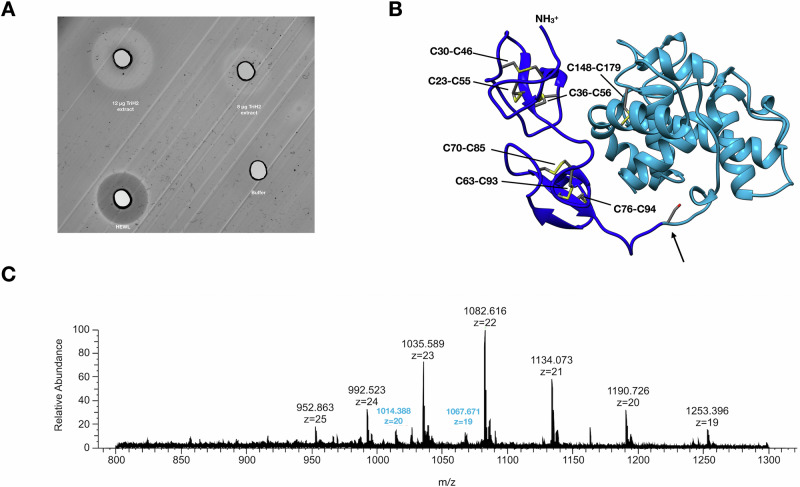 Figure 1
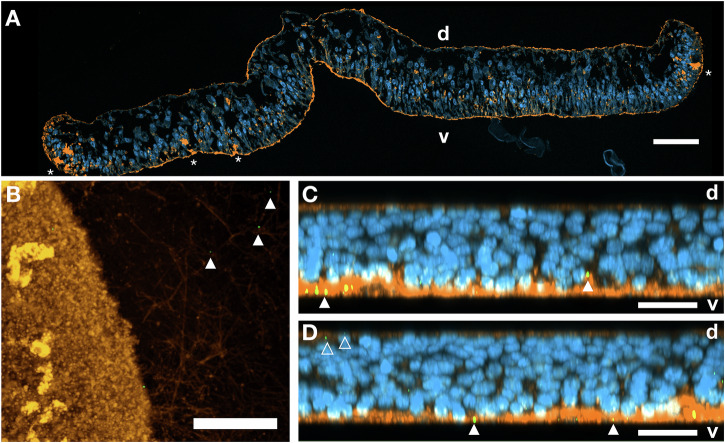 Figure 2
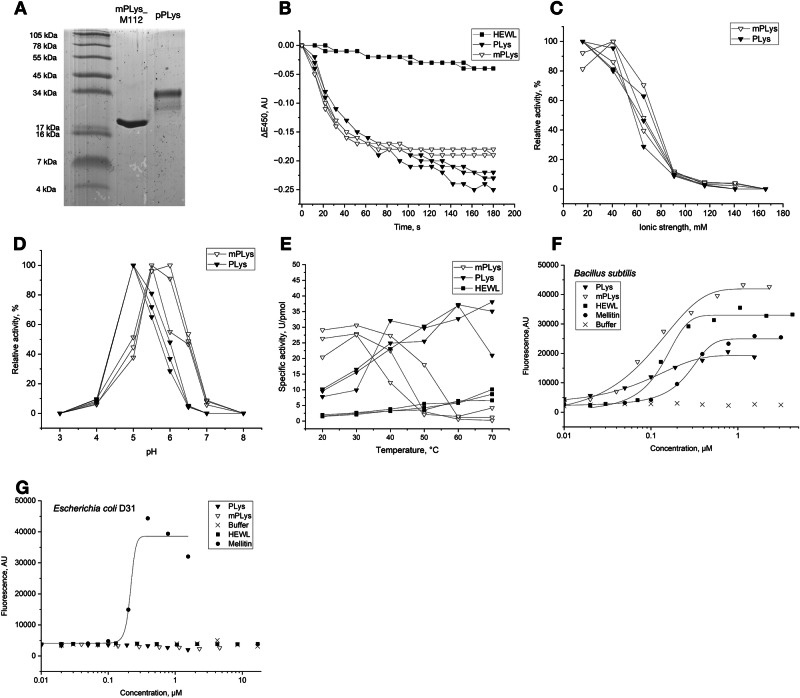 Figure 3
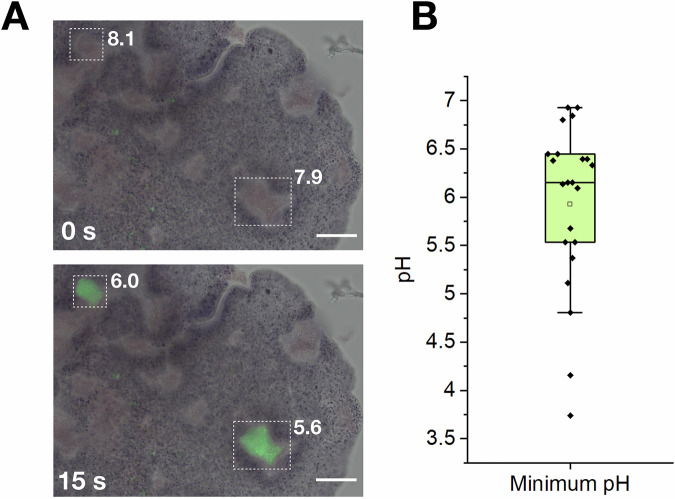 Figure 4
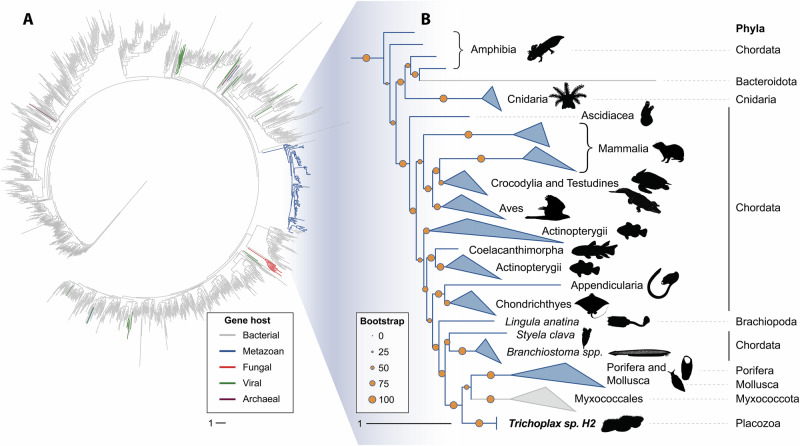 Figure 5
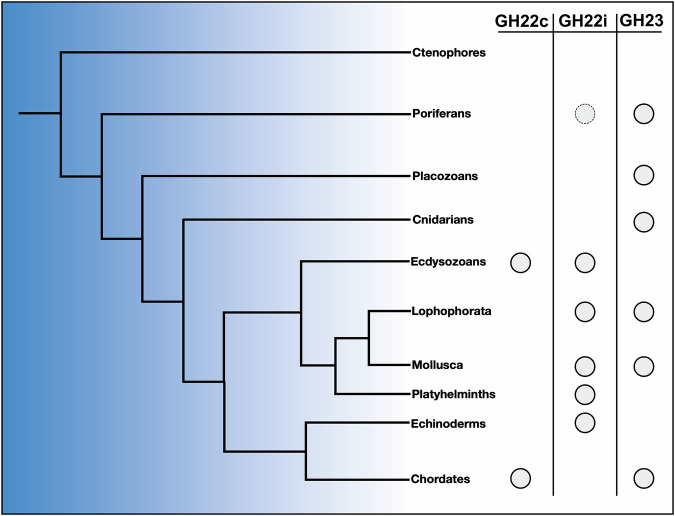 Figure 6
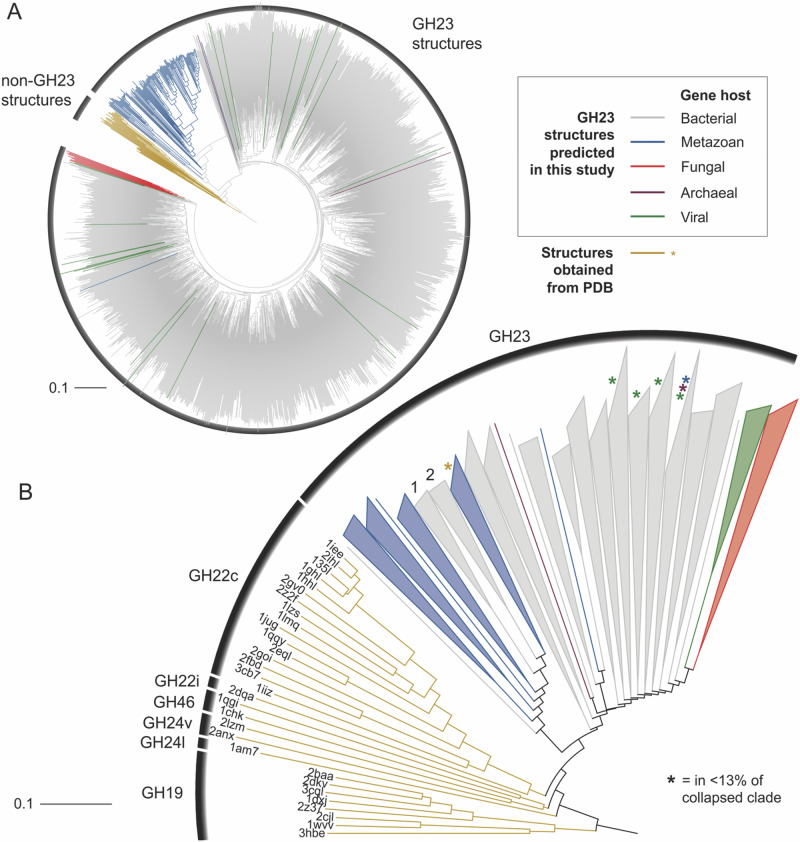 Figure 7
Peer Reviews
No public reviews on file for this paper yet. If you reviewed it on a platform where reviews are public (OpenReview, ICLR, NeurIPS, ICML), you can paste yours below so the community can read it here.
Videos
No videos yet. Explain this paper in a talk, walkthrough, or lecture? Add one.
Taxonomy
TopicsInvertebrate Immune Response Mechanisms · Aquaculture disease management and microbiota · Animal Genetics and Reproduction